Calcium and Vitamin D Levels Before Parathyroid Treatment

Key Takeaways
- Calcium and vitamin D tests help show whether parathyroid disease is causing high or low calcium balance.
- Low vitamin D can sometimes raise parathyroid hormone levels and affect treatment planning.
- Correcting calcium or vitamin D problems before treatment may reduce complications and support recovery.
- The exact treatment approach depends on the cause of the parathyroid disorder and overall health.
- Patients traveling for care should ask how tests, imaging, and follow-up will be coordinated before and after treatment.
Medically reviewed by the Acıbadem clinical team — June 13, 2026
Calcium and vitamin D levels are important clues before parathyroid treatment because they help doctors understand how the parathyroid glands are affecting the body. Checking and correcting these levels can make treatment safer, more precise, and easier to recover from.
Overview
The parathyroid glands are small, but they play a central role in keeping calcium in balance. That balance matters for bones, muscles, nerves, and the heart, so doctors usually look closely at calcium and vitamin D before deciding on parathyroid treatment.
When these values are out of range, they can change both the diagnosis and the treatment plan. A person with a parathyroid disorder may have too much calcium, too little calcium, or a confusing mix of results that only makes sense once vitamin D status, kidney function, and other lab findings are reviewed together.
For patients seeking care across borders, these tests are often part of the first consultation and help the medical team decide what can be done safely during a short stay, what should be corrected first, and what follow-up will be needed after returning home.
Why these levels matter before treatment
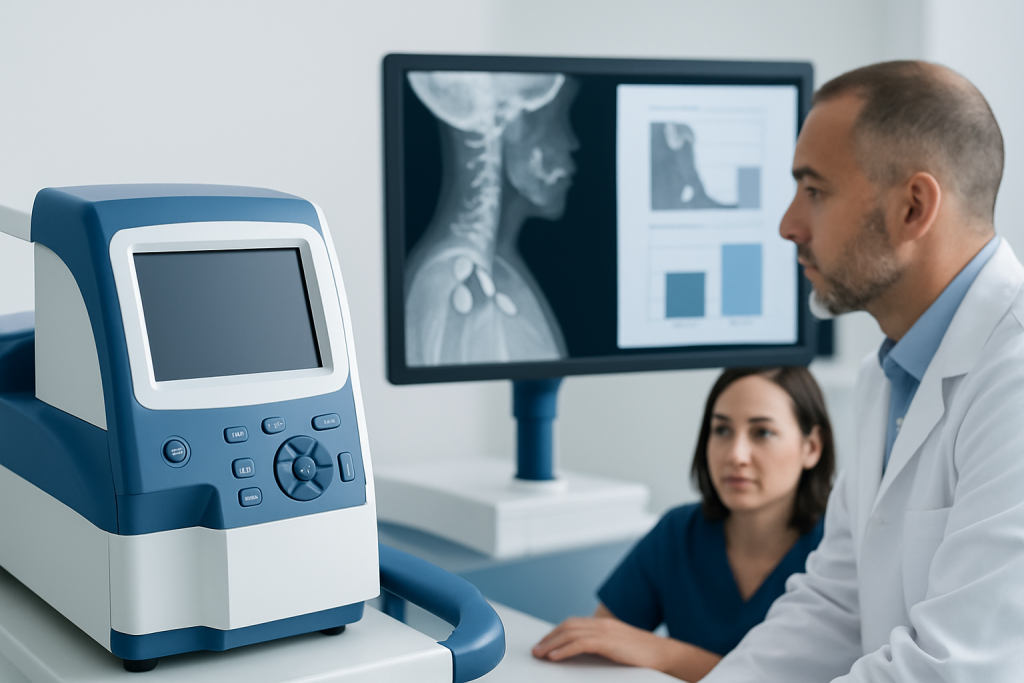
Parathyroid hormone, or PTH, helps regulate how much calcium circulates in the blood. If the glands are overactive, calcium may rise; if they are underactive or if the body cannot respond properly, calcium may fall. Vitamin D is closely connected to this system because it helps the intestines absorb calcium and supports healthy bone turnover.
Before treatment, doctors want to understand whether abnormal calcium is being driven by the parathyroid glands themselves or by another issue such as low vitamin D, kidney disease, medications, or malabsorption. This distinction matters because the right treatment for one cause may not be the right treatment for another.
In practical terms, the lab picture can influence several decisions: whether surgery is needed, whether vitamin D should be corrected first, how closely calcium should be monitored, and how to lower the risk of post-treatment calcium swings.
Symptoms and signs doctors look for

Some people are found to have parathyroid problems during routine blood work, while others come to care because they feel unwell. The symptoms are often nonspecific, which is one reason laboratory testing is so important.
High calcium may be associated with tiredness, constipation, increased thirst, more frequent urination, nausea, kidney stones, or a sense of mental fog. Low calcium may cause tingling around the mouth or in the fingers, muscle cramps, spasms, or, in more significant cases, twitching or palpitations.
Vitamin D deficiency can also be subtle. It may show up as bone pain, muscle weakness, fatigue, or simply as abnormal lab results that make the parathyroid picture harder to interpret. In many patients, the symptoms overlap, so doctors rely on the pattern of tests rather than symptoms alone.
Causes and risk factors
Several different conditions can affect calcium, vitamin D, and PTH levels. Primary hyperparathyroidism is one of the most common parathyroid disorders and usually involves one or more glands producing too much hormone. Secondary hyperparathyroidism often develops when the body is reacting to another problem, such as vitamin D deficiency or chronic kidney disease.
Risk factors for abnormal calcium or vitamin D status include limited sun exposure, darker skin pigmentation, older age, low dietary intake, certain digestive disorders, kidney disease, prior bowel surgery, and some medications. People who have had abnormal calcium results before, kidney stones, or bone thinning may be evaluated more closely.
Because these factors often overlap, doctors may order more than one test and review the patient’s full history. This is especially important before any procedure or treatment that can shift calcium levels further, such as parathyroid surgery or active vitamin D therapy.
Diagnosis and pre-treatment testing
A careful pre-treatment workup usually begins with blood tests. Calcium is often measured along with albumin because albumin helps determine the corrected calcium level. Doctors also commonly check PTH, vitamin D, phosphorus, magnesium, and kidney function.
Imaging may be added if surgery is being considered. Ultrasound, sestamibi scanning, or other imaging studies can help locate an overactive gland, but imaging does not replace the blood work. The lab results explain the biochemical problem; imaging helps plan the procedure.
In patients traveling for treatment, coordination is especially helpful. The team may ask for previous lab reports, bone density scans, kidney stone records, and current medications so the evaluation can be completed efficiently without missing important context.
- Calcium and albumin
- PTH
- 25-hydroxy vitamin D
- Phosphorus and magnesium
- Kidney function tests
Treatment options
The best treatment depends on the underlying diagnosis. If primary hyperparathyroidism is confirmed and surgery is appropriate, removing the overactive gland or glands is often the definitive treatment. If vitamin D is low, it may be corrected before or alongside treatment, depending on the situation and the doctor’s judgment.
When calcium is too low, the medical team may recommend calcium supplementation, vitamin D support, or closer monitoring, especially after surgery or in patients with hypoparathyroidism. When calcium is too high, treatment may involve fluids, medication, or surgery, depending on the cause and severity.
The most important point is that treatment is rarely based on a single number. Doctors look at symptoms, kidney health, bone health, the degree of calcium change, and whether the pattern suggests a short-term imbalance or a longer-term gland problem.
Prevention and self-care
Patients can support their care by sharing a full medication list, including over-the-counter supplements and herbal products. Calcium and vitamin D supplements are not always harmless in every situation, so it is best to confirm what is appropriate before starting or stopping anything.
Hydration, balanced nutrition, and keeping follow-up appointments all matter, especially when calcium has been unstable. If surgery is planned, patients should ask how long they will need to stay, what symptoms to watch for on the trip home, and which tests should be repeated after returning to their own doctor.
For international patients, a written plan is valuable. It can include which labs were checked, what was corrected before treatment, when repeat calcium testing is due, and who should be contacted if symptoms develop after discharge.
When to see a doctor
A medical evaluation is important if blood tests show abnormal calcium, vitamin D, or PTH levels, even when symptoms are mild. It is also wise to seek care for kidney stones, recurrent fractures, persistent fatigue, muscle weakness, tingling, or unexplained digestive symptoms when a parathyroid disorder is possible.
Urgent assessment is needed for severe weakness, confusion, marked vomiting, chest symptoms, fainting, or muscle spasms that do not settle. These can be signs that calcium is too high or too low and needs prompt attention.
Patients who are planning parathyroid treatment in another country should ask how the team will verify lab stability before travel and how the follow-up plan will work after they return home. At Acibadem Health Point, multidisciplinary specialists and JCI-accredited hospitals diagnose and treat parathyroid conditions for international patients, with coordinated evaluation and follow-up planning.
A closer look at recovery and follow-up
After treatment, calcium levels may change quickly, so follow-up testing is an important part of safe recovery. Some patients need temporary supplements or repeat blood tests in the days or weeks after surgery, while others need longer monitoring because their vitamin D status, kidney function, or bone health also affects recovery.
Recovery questions are often practical rather than dramatic: when can normal eating resume, which medications should continue, and what symptoms should prompt a phone call? Clear instructions help patients recover with less uncertainty, especially when they are managing care from afar.
Follow-up is also where doctors confirm that the original problem has improved and that calcium and vitamin D are staying in a healthy range. That confirmation is one reason these levels matter so much before treatment begins—they help set a baseline for everything that comes next.
Frequently asked questions
Why do doctors check vitamin D before parathyroid treatment?
Vitamin D affects how the body absorbs calcium and how PTH behaves. If vitamin D is low, it can make parathyroid results harder to interpret and may change the treatment plan.
Can low vitamin D cause high parathyroid hormone levels?
Yes, low vitamin D can lead to secondary hyperparathyroidism, where the parathyroid glands make more hormone in response to low calcium availability. That is why doctors often check vitamin D before deciding on treatment.
Is calcium always high in parathyroid disease?
No. High calcium is common in primary hyperparathyroidism, but calcium may be low in other parathyroid problems, after surgery, or when vitamin D is deficient. The full lab pattern is more useful than one result alone.
Do supplements need to be stopped before testing?
Not always, but patients should ask their doctor. Calcium and vitamin D supplements can affect lab results, so the team may want to know exactly what has been taken and when.
What happens if calcium is too low after treatment?
Doctors may recommend calcium and vitamin D support and repeat testing until levels stabilize. The exact plan depends on the cause, the treatment performed, and the patient’s kidney and bone health.
How long does follow-up usually last after parathyroid treatment?
Follow-up varies by diagnosis and treatment type. Some people need only short-term monitoring, while others need longer checks of calcium, vitamin D, and PTH to make sure balance is maintained.
References
- National Institute of Diabetes and Digestive and Kidney Diseases
- National Institutes of Health Office of Dietary Supplements
- Endocrine Society
- Mayo Clinic
- British Association of Endocrine and Thyroid Surgeons
This article is for general information only and is not a substitute for professional medical advice. Please consult a qualified doctor about your individual situation.