What to Bring to a Second-Opinion Appointment Abroad

Key Takeaways
- Bring a complete, organized set of medical records, not just the latest test result.
- Include imaging files, pathology reports, medication lists, and prior treatment summaries when available.
- Prepare a short timeline of symptoms, treatments, and major decisions to help the doctor see the full picture.
- Write down questions in advance so the consultation stays focused and productive.
- Plan for travel logistics, translation needs, and follow-up access after returning home.
A second-opinion appointment abroad can feel much easier when the right information travels with the patient. Clear records, a focused question list, and practical documents help the specialist understand the situation quickly and give useful guidance.
Overview
A second-opinion appointment abroad is often arranged when a person wants added clarity before making an important health decision. The most useful suitcase item is not a single report or scan, but a well-organized story of the medical issue. Specialists can usually work more efficiently when they can see what has already been done, what changed over time, and what remains uncertain.
For international patients, preparation matters on two levels. The first is medical: bringing the right documents, images, and test results. The second is practical: making sure the consultation can be understood, reviewed, and followed up after the trip. A thoughtful preparation plan helps the appointment feel less like a guess and more like a structured review.
This article explains which documents are worth carrying, how to organize them, and what patients may want to ask during the visit. It also covers the small but important details that can make a cross-border consultation smoother, such as language support, electronic backups, and a realistic plan for next steps.
What to Bring: The Core Medical Records
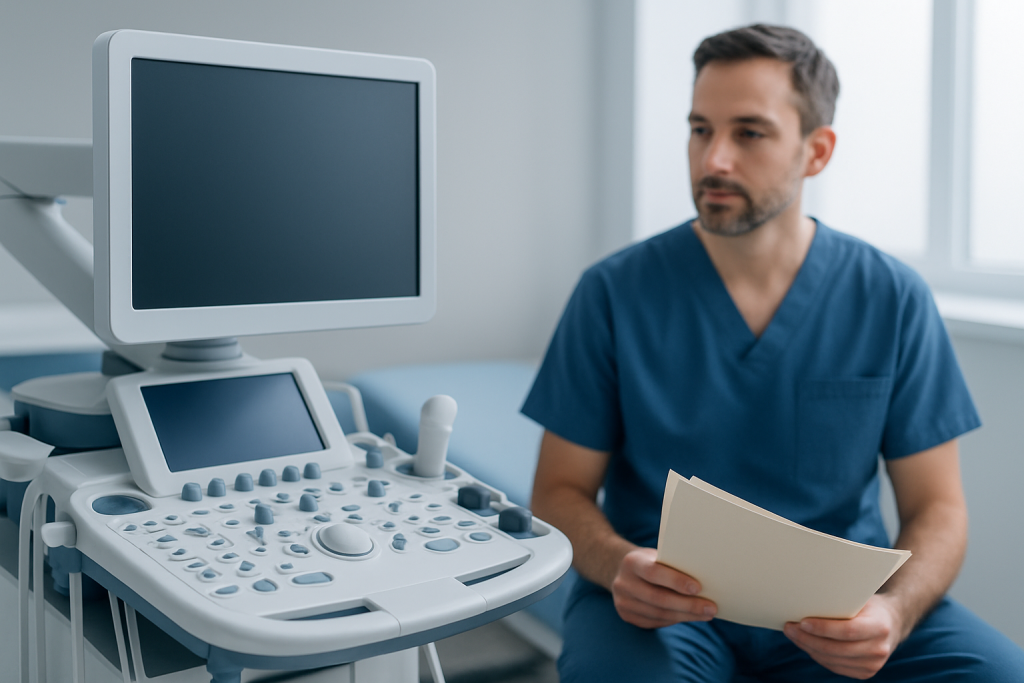
The most valuable items are the records that show how the problem was investigated and treated so far. If the patient has been seen by more than one doctor, it helps to bring reports from each major visit rather than only the most recent summary. A second-opinion doctor may need to compare earlier findings with newer ones to understand whether the condition is stable, improving, or changing.
Useful records often include clinic letters, discharge summaries, operative notes, pathology reports, and prior imaging reports. If any tests were done in another country or at a different institution, bring those as well. Whenever possible, it is best to carry both paper copies and digital copies on a USB drive, secure cloud folder, or patient portal download.
- Recent consultation notes and discharge summaries
- Laboratory test results, especially the most recent ones
- Imaging reports and the actual image files, if available
- Pathology or biopsy reports
- Operative reports and treatment summaries
Patients should not worry if every document is not available. Even partial records can still be helpful. The key is to bring what exists, keep it clearly labeled, and let the specialist know if anything is missing.
Imaging, Pathology, and Test Results: Why the Details Matter

When a second opinion involves imaging or tissue diagnosis, the actual source material can be more useful than a short written summary. Radiology reports describe what the original reader saw, but the images themselves may allow the new specialist to review the findings directly. The same idea applies to biopsy slides or pathology materials, which may sometimes be requested for re-review.
It is helpful to ask ahead of time whether the clinic abroad wants digital image files, a CD, or access through a secure online platform. If the patient has had scans done in different places, the dates should be noted carefully so the specialist can compare them in order. For pathology, the name of the laboratory and the date of the sample are important pieces of context.
Sometimes a second-opinion visit is arranged precisely because the first answer was unclear or the treatment options seemed limited. In those situations, every detail counts. Small discrepancies between reports, changes in terminology, or missing pages may affect how the specialist interprets the case, so it is worth checking that the documents are complete before traveling.
Symptoms, Timeline, and Questions to Write Down
Medical records tell part of the story, but a patient’s own summary often fills in the gaps. A short timeline can be especially helpful: when the symptoms began, what made them better or worse, which tests were done, and how the response to treatment changed over time. This does not need to be long; a clear one-page summary can be enough for the doctor to follow.
Patients may also want to list the exact concerns they hope to address. For example, they may be asking whether a diagnosis is correct, whether a different treatment is appropriate, or whether surgery is truly needed. Writing these questions down in advance helps prevent important topics from being forgotten during a busy appointment.
Good questions are specific and practical. Instead of asking only, “What should I do?” a patient might ask which options are reasonable, what benefits and risks each one carries, and how urgently a decision needs to be made. Bringing a notepad or using a phone note app can make it easier to capture the doctor’s explanations during the visit.
Medications, Allergies, and Everyday Health Details
A complete medication list belongs in the travel folder too. This should include prescription medicines, over-the-counter drugs, vitamins, herbal products, inhalers, and injections. Even items that seem routine can matter, because they may influence test results, symptom patterns, or treatment choices.
Patients should also bring a list of allergies or past reactions, especially if they have had side effects from antibiotics, contrast dye, anesthesia, or pain medicine. If the person has other health conditions such as diabetes, high blood pressure, kidney disease, asthma, or a bleeding disorder, those should be mentioned clearly. These details help the specialist assess whether a proposed plan is practical and safe.
For some appointments, it may also be useful to include recent measurements such as blood pressure readings, blood sugar logs, weight changes, or symptom diaries. These everyday records can show trends that a single clinic snapshot would miss. They are particularly useful when the problem changes from day to day or depends on activity, meals, sleep, or stress.
Practical Travel Documents and Support Needs
Because the appointment is abroad, the medical folder should be paired with travel logistics. Patients should carry identification, passport details, insurance information if relevant, appointment confirmation, and contact details for the clinic. If the visit will involve consent forms, translation, or image sharing, it helps to know that in advance.
Language support deserves special attention. If the patient is not comfortable discussing medical details in the local language, they may want to ask whether an interpreter is available. A trusted family member or companion can help with note-taking and communication, but professional medical interpretation is often the better choice for complex discussions.
Patients should also think about what they may need after the appointment. If there is a chance of same-day tests, a procedure, or a treatment plan that requires follow-up, it helps to know where they will stay, how long they will remain in the country, and how results will be shared once they return home. Small planning steps can make the entire experience calmer and more efficient.
How to Organize Everything Before You Travel
An organized packet saves time and reduces confusion. Many patients find it easiest to group documents into categories: diagnosis history, test results, imaging, medications, and travel information. A short cover sheet listing the main problem, the reason for seeking a second opinion, and the most important questions can give the specialist a quick starting point.
Digital backup is worth the effort. A phone battery can run out, a paper copy can get misplaced, and a single folder can be forgotten in transit. Storing scanned documents in an accessible but secure place gives the patient another layer of protection and can be invaluable if the clinic requests a file during or after the consultation.
- Use a folder with tabs or labeled envelopes
- Keep one set of originals and one set of copies
- Save digital files with clear names and dates
- Mark the most important items so they are easy to find
It can also help to bring a companion who knows the history and can help remember details. Even when the patient travels alone, a prewritten summary and organized records make the consultation feel more grounded and less dependent on memory alone.
What to Ask During the Appointment and What to Do After
A second-opinion visit is most useful when the patient leaves with a clearer sense of the diagnosis, the options, and the reasoning behind the recommendation. Asking the doctor to explain the main conclusion in plain language can be helpful, especially if the case is complex. If the answer involves several paths, the patient may want to ask which option is considered first-line, which is reserved for later, and why.
It is also wise to ask what records should be taken home, how the written report will be shared, and whether additional tests are needed before a final decision. If treatment will continue in another country, the patient may need a summary for the local doctor. Clear communication at the end of the visit can prevent delays once the patient returns home.
After the appointment, the notes, reports, and any new images should be stored together. Patients may also want to schedule a follow-up conversation if new questions arise. For international patients seeking structured care, Acibadem Health Point’s multidisciplinary specialists and JCI-accredited hospitals help diagnose and treat a wide range of conditions while supporting patients who are traveling from abroad.
Frequently asked questions
Do patients need to bring original records to a second-opinion appointment abroad?
Originals are helpful when available, but copies are usually acceptable for most appointments. It is sensible to bring both paper and digital copies so the specialist can review the material without delay. If the clinic needs a specific original item, it can usually advise the patient in advance.
What if some old test results are missing?
Missing records do not mean the appointment cannot be useful. Patients should bring whatever is available and explain what is unavailable or lost. A specialist can often still make progress by reviewing the existing information and deciding whether any repeat tests are needed.
Should patients bring their actual imaging files or only the report?
Whenever possible, both should be brought. The report summarizes the interpretation, while the images themselves may allow the doctor to review the findings directly. This is especially important for scans, X-rays, and complex conditions where small details can matter.
Is it useful to bring a family member or companion?
Yes, a companion can help remember details, carry documents, and support communication during a busy visit. For complex medical discussions, a second set of ears is often valuable. If language support is needed, patients should also ask whether a professional interpreter is available.
How should a patient prepare questions before the visit?
Writing questions in advance helps keep the appointment focused. Patients may want to ask about the diagnosis, treatment options, urgency, expected next steps, and what follow-up is needed after they return home. A short list is often more effective than trying to remember everything on the spot.
What should patients do after the second opinion is complete?
They should store all reports, notes, and imaging together and share any needed summary with their local doctor. If the consultation leads to more testing or a treatment decision, it is helpful to confirm how results will be communicated across borders. Keeping the documents organized makes later follow-up much easier.
References
- World Health Organization
- National Cancer Institute
- Mayo Clinic
- American College of Physicians
- NHS
This article is for general information only and is not a substitute for professional medical advice. Please consult a qualified doctor about your individual situation.