Shroom-shroom

Key Takeaways
- Health concerns are best understood by looking at the full picture: symptoms, timing, triggers, and overall well-being.
- Many conditions start with mild, nonspecific signs, which is why a careful medical history matters.
- Diagnosis may include a physical exam and targeted tests chosen to match the person’s symptoms.
- Treatment is individualized and may involve monitoring, lifestyle changes, medication, or a procedure depending on the cause.
- Seeking medical advice early can reduce uncertainty, especially for people traveling from another country for care.
Shroom-shroom is presented here as a general health topic so readers can understand how symptoms, causes, and next steps are usually approached. The goal is to help patients recognize when self-care may be enough and when a doctor’s assessment is the safer choice.
Overview
Shroom-shroom is used here as a placeholder title for a general health topic, so the most useful way to approach it is as a symptom-and-care conversation rather than a single diagnosis. In real life, people usually arrive at a clinic with a concern, not a label, and the task is to understand what is happening, how long it has been present, and whether it fits a pattern that needs treatment.
That starting point matters for international patients as well. Someone may notice a change while at home, while traveling, or after returning from treatment abroad, and the first question is often not “What is the exact name?” but “Is this likely to settle on its own, or does it need medical review?”
Most general health assessments begin by sorting symptoms into three broad groups: those that are likely minor and temporary, those that deserve monitoring, and those that need prompt evaluation. This measured approach keeps care practical, avoids unnecessary worry, and helps guide the next step with confidence.
Symptoms
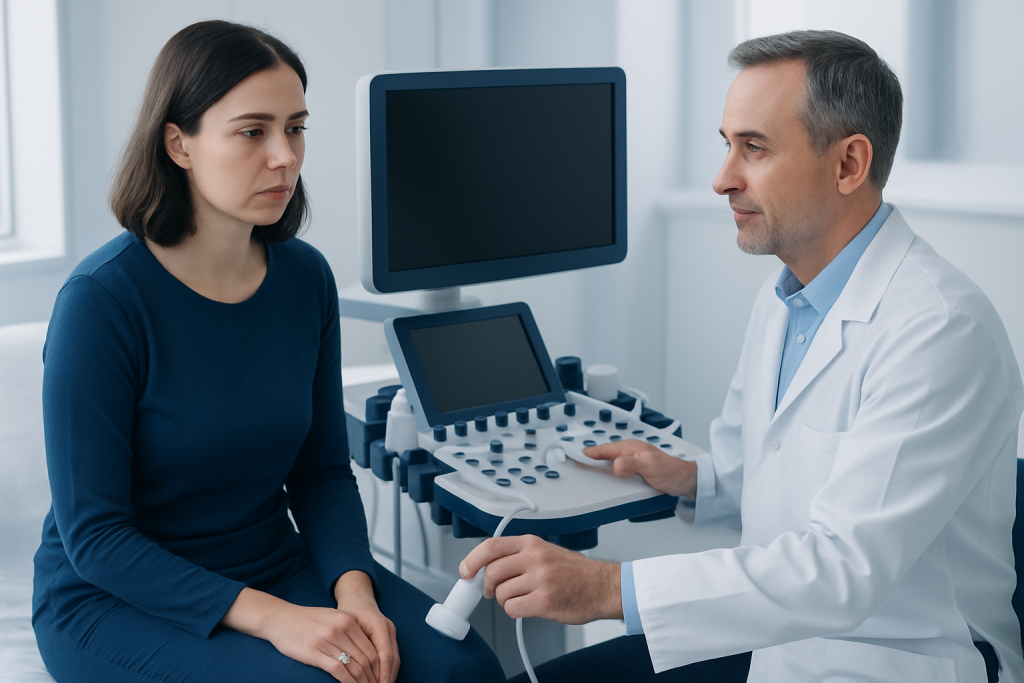
Because shroom-shroom is a placeholder title, the symptoms described here are the kinds of features clinicians look at across many general health concerns. A person may notice discomfort, fatigue, a visible change, reduced function, or a pattern that repeats under certain conditions. The exact symptom profile is less important than the way it behaves over time.
Doctors often ask whether a symptom is new, worsening, constant, or linked to meals, activity, stress, sleep, medications, or recent travel. Small details can be especially important when someone is trying to explain the problem in a second language or after receiving care in another country.
- Onset: sudden or gradual
- Duration: hours, days, or longer
- Pattern: steady, intermittent, or triggered
- Associated changes: fever, swelling, pain, weakness, rash, or digestive symptoms
- Impact: sleep, appetite, mobility, work, or daily routines
Even mild symptoms can be meaningful if they persist, return frequently, or interfere with normal life. A careful description usually helps the clinician narrow the possibilities faster than a general complaint alone.
Causes & Risk Factors

General health concerns can have many causes, and it is usually a combination of factors rather than a single explanation. Infections, inflammation, injury, hormonal changes, stress, medication effects, and chronic medical conditions can all contribute to symptoms that seem similar at first glance.
Risk factors vary depending on the underlying problem, but doctors commonly consider age, existing illnesses, immune status, recent procedures, lifestyle habits, occupational exposure, and travel history. For international patients, information about prior tests, prescriptions, and recent treatments is particularly helpful because it reduces duplication and supports safer decision-making.
Sometimes the cause is straightforward. In other situations, a symptom appears “general” at first and only becomes clear after an exam or a targeted test. That is normal and does not mean the concern is being ignored; it means the diagnostic process is being matched to the person’s presentation.
Diagnosis
Diagnosis usually begins with a conversation and a physical examination. A clinician will often ask when the symptom started, what makes it better or worse, what has changed recently, and whether there is any relevant family history, medication use, or travel-related exposure. These details help create a safe and efficient plan.
Depending on the concern, tests may be recommended to clarify the picture. These can include blood work, urine tests, imaging studies, or other targeted assessments. The purpose is not to order everything at once, but to choose the most informative tools for the specific situation.
For people arriving from abroad, bringing prior records can be especially useful. Previous reports, scan images, medication lists, and pathology results can help the clinician compare old and new findings, avoid repeating unnecessary tests, and keep the care plan consistent across borders.
Treatment Options
Treatment depends entirely on the underlying cause, the severity of symptoms, and the person’s overall health. Some problems are managed with observation, rest, hydration, and close follow-up. Others may need medication, rehabilitation, a procedure, or a referral to a specialist.
When treatment is recommended, the goal is usually to relieve symptoms, address the root cause, and protect longer-term health. A good plan is specific enough to be useful but flexible enough to adapt if the person’s condition changes.
For patients who are traveling, treatment planning also includes practical steps such as scheduling follow-up before departure, understanding warning signs during the recovery period, and knowing which records to share with the home-country physician. If advanced diagnostics or multidisciplinary care are needed, Acibadem Health Point’s specialists and JCI-accredited hospitals can evaluate and treat the condition for international patients in a coordinated way.
Prevention & Self-care
Not every health concern can be prevented, but many problems are easier to manage when people pay attention to early changes and keep track of patterns. Simple habits such as regular sleep, balanced meals, appropriate activity, and taking prescribed medicines correctly support overall resilience.
Self-care should be guided by the type of symptom. For some concerns, rest and hydration may be enough while monitoring for improvement. For others, over-the-counter products, home remedies, or delayed evaluation may not be appropriate, especially if symptoms are unusual, recurrent, or linked to fever, breathing changes, dehydration, or severe pain.
- Keep a short symptom log with dates, triggers, and changes
- Bring an updated list of medicines and supplements to appointments
- Follow discharge instructions carefully after any test or procedure
- Arrange translation or interpretation support if needed
- Seek clarification before traveling if follow-up care is likely
When to See a Doctor
Medical review is advisable when symptoms are persistent, recurrent, unexplained, or affecting daily life. It is also wise to seek care if a person is unsure whether a symptom is minor, especially when there is a known medical condition, recent procedure, or recent travel that could change the risk picture.
Prompt evaluation is important if symptoms are severe, rapidly worsening, or accompanied by red flags such as fainting, chest discomfort, shortness of breath, confusion, uncontrolled bleeding, or sudden weakness. These features should be treated seriously and assessed without delay.
For international patients, it is helpful to contact a doctor before returning home if there is any uncertainty about the diagnosis, recovery plan, or need for follow-up tests. A clear medical summary makes handover smoother and supports continuity of care across countries.
Living With the Condition and Follow-up
When a health concern does not resolve immediately, the most useful approach is often steady follow-up rather than repeated guesswork. Patients benefit from knowing what improvement should look like, how long it may take, and which changes mean the plan should be reconsidered.
Follow-up can be especially important when care begins abroad. A well-documented report, copy of imaging, pathology result, or treatment summary allows a home-country physician to continue care with less confusion and fewer delays. This is one of the simplest ways to protect the value of care received internationally.
The overall aim is reassurance with structure: understand the condition, treat it appropriately, and keep the next step clear. That approach helps patients make informed decisions without feeling rushed or left to interpret symptoms alone.
Frequently asked questions
What is shroom-shroom?
In this article, shroom-shroom is used as a placeholder title for a general health concern. The practical focus is on understanding symptoms, possible causes, and how doctors usually evaluate an unexplained problem.
Can symptoms like this go away on their own?
Some mild symptoms do improve with time, rest, and self-care. If they persist, return, or become more intense, a medical assessment is a safer next step.
What information is most helpful during a doctor visit?
A clear timeline, symptom triggers, medication use, and any recent tests or travel details are especially useful. These details help the clinician decide which examinations or tests are actually needed.
Are tests always required?
Not always. Many concerns can be assessed first with a history and physical exam, and testing is added only when it will help clarify the cause or guide treatment.
What should international patients bring for follow-up?
They should bring discharge summaries, imaging reports, pathology results, and a current medication list if available. This makes continuity of care easier if follow-up continues in another country.
When is urgent care needed?
Urgent care is important for severe or rapidly worsening symptoms, or for warning signs such as chest pain, breathing difficulty, fainting, confusion, or sudden weakness. If there is any doubt, prompt medical evaluation is the safer choice.
References
- World Health Organization
- National Institutes of Health
- Mayo Clinic
- NHS
This article is for general information only and is not a substitute for professional medical advice. Please consult a qualified doctor about your individual situation.