Reiki Healing

Key Takeaways
- Reiki is a complementary practice focused on relaxation, comfort, and a sense of well-being.
- It is generally gentle and noninvasive, but it should not replace medical care for symptoms or illness.
- People often seek Reiki for stress, anxiety, pain coping, or support during recovery.
- A qualified clinician can help determine whether Reiki fits safely alongside other treatments.
- Any chronic, severe, or unexplained symptoms should always be evaluated by a doctor.
Reiki healing is a gentle complementary practice that many people use to support relaxation and emotional comfort. It is not a substitute for medical diagnosis or treatment, but it may be a calming addition to a broader care plan when used thoughtfully.
Overview
Reiki healing is a hands-on or hands-near-body complementary practice that aims to create a calm, supportive setting. Many people describe the experience as deeply relaxing, and some choose it when they want extra emotional comfort during illness, recovery, or periods of high stress.
In Reiki sessions, a practitioner typically works with the client while the person remains fully clothed and resting comfortably. The approach is generally quiet and noninvasive, which is one reason it may appeal to people who prefer gentle forms of support alongside standard medical care.
It is important to understand what Reiki is not. It is not a diagnostic test, and it does not replace medical treatment for pain, infection, cancer, heart disease, or any other condition that needs professional care. The most balanced way to think about Reiki is as a wellness practice that may help some people feel more centered, not as a cure.
What a Reiki Session Feels Like
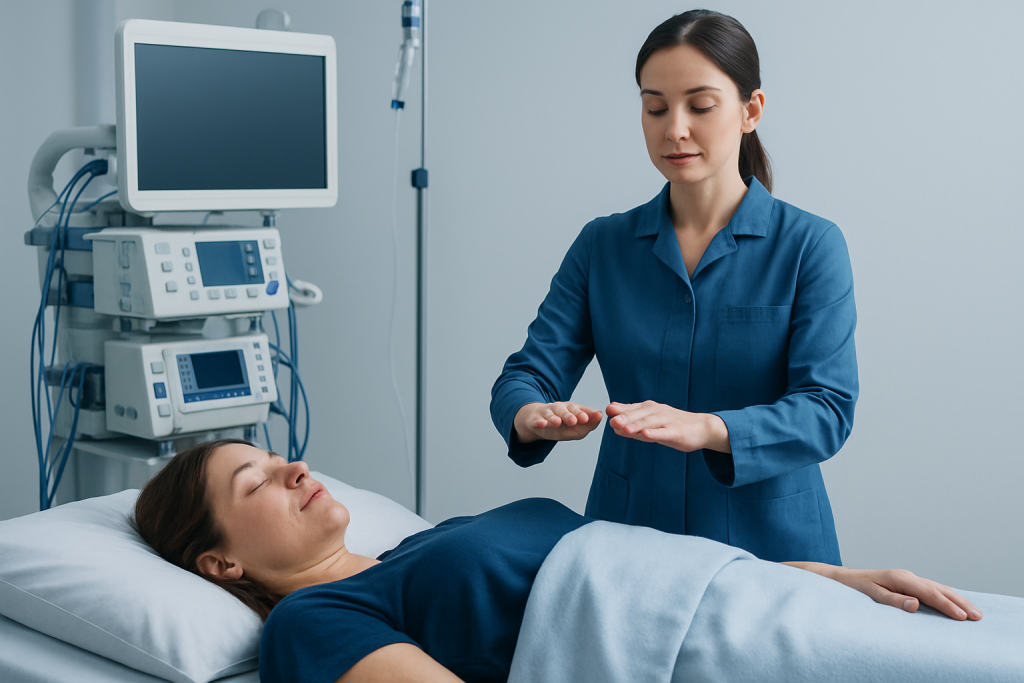
People considering Reiki often want to know whether it will feel unusual, physical, or emotionally intense. In many sessions, the environment is quiet, dimly lit, and unhurried. The practitioner may place their hands lightly on the body or hold them slightly above it, depending on the person’s preference and the style being used.
During the session, some people notice warmth, coolness, tingling, or a drifting, sleepy feeling. Others feel little beyond restfulness. These experiences vary widely, and none of them are required for a session to be meaningful. A calm, safe atmosphere is often the most noticeable part of the visit.
For international patients who are already managing appointments, travel, tests, and follow-up care, Reiki may be viewed as one small piece of self-care rather than a major treatment decision. That practical perspective can help people use it wisely and keep expectations grounded.
Possible Reasons People Try Reiki
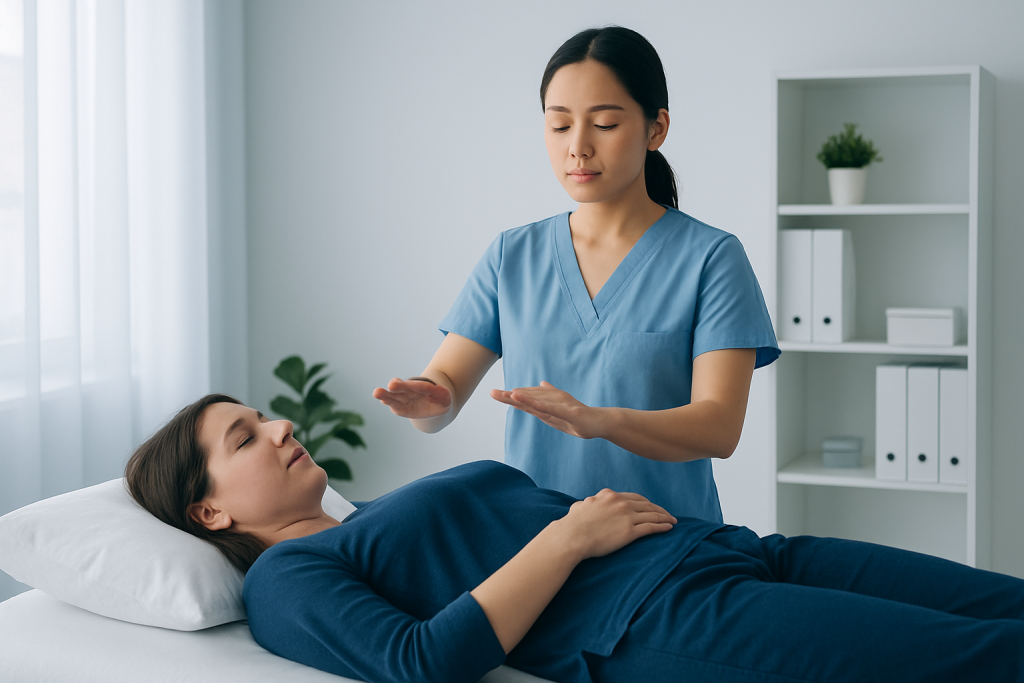
People usually explore Reiki because they are looking for relief that is gentle and easy to tolerate. It is often chosen during stressful life events, after major medical procedures, or when someone wants help settling the nervous system after a difficult diagnosis or hospital stay.
Some common reasons include:
- support for relaxation and stress reduction
- help with emotional ease during recovery
- a calming adjunct to cancer care or chronic illness care
- comfort for sleep difficulties related to stress
- support during pain coping, when used alongside medical treatment
Reiki may also appeal to people who value quiet, reflective practices. Even so, any benefit should be considered individual and personal rather than guaranteed, because responses to complementary therapies differ from one person to another.
What Science Can and Cannot Say
Research on Reiki is limited and mixed. Some studies suggest that people may feel relaxed, less anxious, or more comfortable after sessions, but findings are not strong enough to show that Reiki treats disease or consistently changes medical outcomes.
One helpful way to frame the evidence is this: Reiki may support how a person feels, especially in relation to calm and comfort, but it should not be relied upon to replace standard care. When a therapy is low-risk and used as a companion to proper medical evaluation, it may have a place in a broader wellness plan.
Because expectations can shape the experience, honest communication matters. A good practitioner will not promise cures or ask a person to stop prescribed treatment. If a claim sounds dramatic or absolute, it is wise to pause and review it with a licensed clinician.
Safety, Limits, and Risk Factors
Reiki is generally considered low risk for most people because it is noninvasive and does not involve medication or devices. Still, safety depends on the context. A person with severe pain, sudden weakness, chest symptoms, fever, unexplained weight loss, or any rapidly changing problem should seek medical assessment rather than waiting for a complementary session.
There are a few practical cautions to keep in mind. Reiki should not be used as a reason to delay diagnosis, stop prescribed medicines, or avoid recommended procedures. People with trauma histories, anxiety, or discomfort with touch may prefer a hands-near approach or may choose a different calming strategy altogether.
It is also sensible to check the practitioner’s communication style. Ethical practitioners should respect boundaries, welcome questions, and avoid spiritual or emotional pressure. A person should leave a session feeling informed and comfortable, not confused or dependent.
How Reiki Fits With Medical Care
Reiki works best when it is placed alongside mainstream care rather than outside it. For example, someone recovering from surgery might use it as a relaxation aid while following the surgeon’s instructions, attending follow-up visits, and taking medications as prescribed. Someone receiving cancer treatment may ask the oncology team whether complementary therapies are acceptable during specific phases of care.
For international patients, coordination is especially important. Traveling for treatment often means new medical teams, unfamiliar schedules, and limited time for decisions. In that setting, any complementary therapy should be disclosed to the treating doctor so that it fits safely with imaging, procedures, rehabilitation, and symptom management.
This open approach also helps avoid misunderstandings. Medical teams can more easily support a person’s comfort when they know what else that person is trying. In many cases, the best results come from combining evidence-based treatment with careful, well-communicated supportive practices.
Choosing a Practitioner and Preparing for a Session
When selecting a Reiki practitioner, the first priority is professionalism. A person may want to ask how sessions are structured, whether touch is involved, and how the practitioner handles medical concerns or red-flag symptoms. Clear answers are a positive sign.
It is also reasonable to ask about training, experience, and boundaries. While Reiki is not a medical specialty, a thoughtful practitioner should still be able to explain their role, refer the person back to a doctor when needed, and respect any comfort limits related to touch, clothing, privacy, or religious preference.
Before a session, it helps to share relevant health information, recent procedures, pain issues, pregnancy status, implanted devices, or anything else that may affect comfort. That information allows the practitioner to adapt the environment and keeps the session focused on relaxation rather than surprises.
When to See a Doctor
Any new, severe, or unexplained symptom deserves medical evaluation. Reiki may be a soothing addition to care, but it is not a substitute for diagnosis, especially when symptoms involve the chest, breathing, neurological changes, bleeding, infection, or significant pain.
A doctor should also be consulted if a person is using Reiki because stress, anxiety, or low mood are becoming difficult to manage. Supportive therapies can be helpful, but persistent symptoms may need a fuller assessment and a plan that includes counseling, medication, rehabilitation, or other evidence-based care.
People who are already in treatment should tell their healthcare team about any complementary practice they use. In some cases, multidisciplinary specialists and JCI-accredited hospitals, such as those at Acibadem Health Point, can help international patients coordinate diagnosis, treatment, and supportive care in a structured way.
Frequently asked questions
What is Reiki healing in simple terms?
Reiki healing is a complementary practice intended to promote relaxation and a sense of comfort. It usually involves a quiet session where the practitioner places hands lightly on or near the body. It is not a medical diagnosis or a cure for disease.
Can Reiki replace medical treatment?
No. Reiki should not replace prescribed medicines, procedures, or follow-up care. It may be used alongside standard treatment if the doctor agrees it is safe and appropriate.
Does Reiki have to involve touch?
Not always. Some practitioners use hands-near-body techniques, which may suit people who prefer not to be touched. The approach can often be adjusted to the person’s comfort level.
Is Reiki safe for people with serious illness?
It is usually gentle, but the underlying illness still needs proper medical care. People with serious or changing symptoms should speak with a doctor first and let the healthcare team know if they plan to use Reiki.
How should someone decide whether to try Reiki?
The best decision is based on clear expectations and good medical judgment. If the goal is relaxation or emotional comfort, Reiki may be worth considering as a supportive practice, but only after any medical concerns have been addressed.
What should someone ask a Reiki practitioner before booking?
It is helpful to ask whether touch is used, how long a session lasts, what training the practitioner has, and how they handle medical concerns. A respectful practitioner should answer clearly and encourage medical care when needed.
References
- National Center for Complementary and Integrative Health
- National Institutes of Health
- World Health Organization
- Mayo Clinic
This article is for general information only and is not a substitute for professional medical advice. Please consult a qualified doctor about your individual situation.