What Causes Conjunctivitis? Eye Pinkeye Causes

Key Takeaways
- Conjunctivitis is a symptom with several possible causes, not one single disease.
- Viral and bacterial infections, allergies, and irritants can all lead to pink eye.
- Discharge, itching, pain, and whether one or both eyes are affected can help narrow the cause.
- Good hygiene helps limit spread, especially when conjunctivitis is infectious.
- Medical evaluation is important if symptoms are severe, persistent, or affect vision.
Conjunctivitis, often called pink eye, is inflammation of the thin membrane covering the white of the eye and inner eyelid. Its causes range from infections and allergies to irritants, and the right care depends on identifying the source.
Overview
Conjunctivitis is the medical term for inflammation of the conjunctiva, the thin, clear tissue that covers the white part of the eye and lines the inside of the eyelids. When it becomes irritated, blood vessels in the eye may appear more visible, giving the eye a pink or red look that many people recognize as “pink eye.”
The condition has several different causes, and that is why the same appearance can have very different meanings. One person may have a contagious viral infection, another may be reacting to pollen, and a third may be dealing with an irritant such as smoke or chlorine. Understanding the cause matters because treatment and the risk of spreading it to others are not the same in every case.
For international patients deciding whether to travel for care, conjunctivitis is usually not an emergency, but it can become more complex when symptoms are severe, recurrent, or associated with pain, light sensitivity, or blurred vision. In those situations, an eye specialist can help sort out whether the problem is simple irritation or something deeper that needs prompt treatment.
Symptoms
Although the causes vary, conjunctivitis often shares a recognizable group of symptoms. The eye may look red or pink, feel gritty or scratchy, and produce discharge. Some people notice watery eyes, while others have thicker drainage that can make the eyelids stick together, especially after sleep.
The pattern of symptoms can offer clues about the cause. Itching is especially common with allergic conjunctivitis, while watery discharge is often seen with viral cases. Bacterial conjunctivitis more often causes thicker yellow or green discharge, although symptoms can overlap and should not be used as the only guide.
- Redness in one or both eyes
- Watery, sticky, or thick discharge
- Itching or burning
- Swollen eyelids
- Feeling of sand or grit in the eye
- Light sensitivity in some cases
Conjunctivitis usually does not cause major vision loss, but temporary blurring can happen when discharge coats the eye. If vision changes are persistent, the cause may be more than uncomplicated pink eye and should be assessed by a clinician.
Causes & Risk Factors

The most common causes of conjunctivitis fall into four broad groups: viral infections, bacterial infections, allergies, and irritants. A careful history often helps separate them. Whether the symptoms started after a cold, seasonal exposure, contact with someone who is ill, or exposure to a chemical can be a useful clue.
Viral conjunctivitis is frequently linked to the same viruses that cause colds and other upper respiratory infections. It can spread easily through hand-to-eye contact, shared towels, or contaminated surfaces. This type often begins in one eye and may move to the other.
Bacterial conjunctivitis is caused by bacteria that infect the conjunctiva. It is also contagious and may be associated with thicker discharge. Allergic conjunctivitis is not contagious and usually occurs in people with seasonal allergies, dust sensitivity, or exposure to animal dander. Irritant conjunctivitis can follow exposure to smoke, pool chlorine, air pollution, makeup, foreign bodies, or contact lens solutions.
Some factors can increase the chance of developing conjunctivitis or make symptoms more noticeable. These include close contact with infected individuals, poor hand hygiene, contact lens wear, eye rubbing, frequent allergy exposure, and living or working in environments with airborne irritants. In some cases, dry eye, blepharitis, or blocked tear drainage can make the eyes more vulnerable to repeated inflammation.
Diagnosis
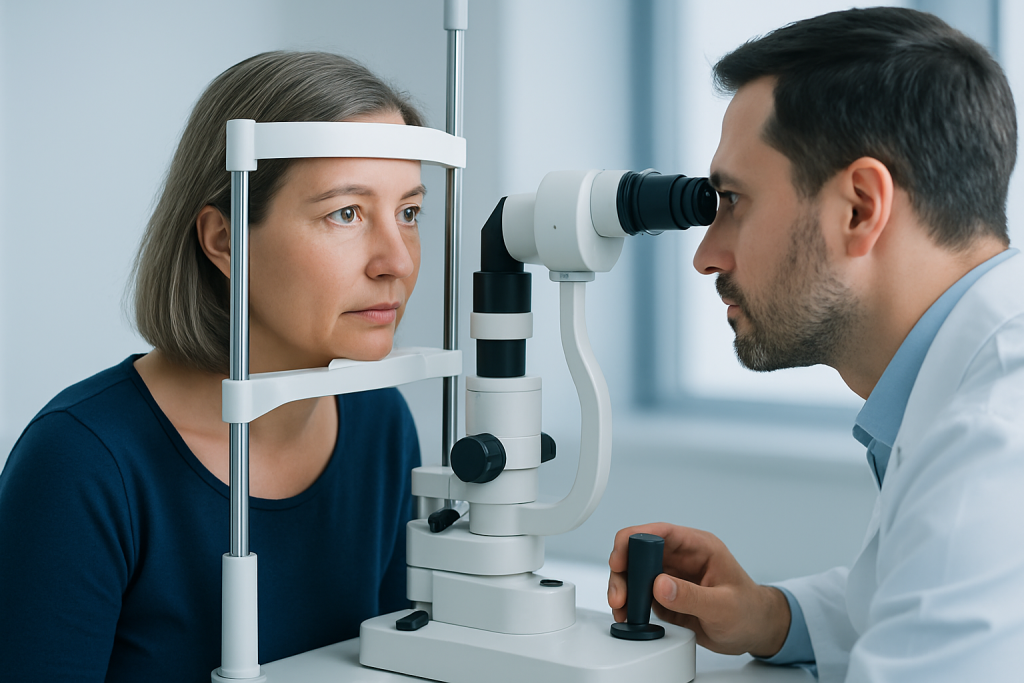
Most cases of conjunctivitis are diagnosed through a conversation about symptoms and a basic eye examination. A clinician will usually ask when the redness started, whether one or both eyes are affected, whether the discharge is watery or thick, and whether there has been recent illness, allergy exposure, or contact lens use.
An eye exam helps check the surface of the eye and rule out other causes of redness, such as corneal injury, uveitis, or more serious infection. In straightforward cases, no special testing is needed. If the symptoms are unusual, severe, recurrent, or not improving, the doctor may recommend additional evaluation or a sample of eye discharge.
For patients arranging care from another country, this assessment is often efficient and practical. A clear diagnosis can prevent unnecessary medications and help determine whether home care, prescription treatment, or closer follow-up is the best path.
Treatment Options
Treatment depends on the cause. Viral conjunctivitis often improves on its own with supportive care such as cool compresses, lubricating drops, and attention to cleanliness. Because antibiotics do not treat viruses, they are not routinely helpful unless a bacterial infection is also suspected.
Bacterial conjunctivitis may be treated with antibiotic eye drops or ointment when a doctor believes they are appropriate. Allergic conjunctivitis is usually managed by reducing exposure to the trigger and using allergy-directed eye drops or oral allergy medicines when advised. Irritant conjunctivitis improves when the offending substance is removed and the eye is rinsed or protected from further exposure.
People who wear contact lenses need special caution, because red eyes and contact lenses do not always mix safely. Lenses should usually be removed until a doctor says it is safe to resume use. If conjunctivitis is due to a more serious eye problem, treatment can be very different, which is why persistent or painful symptoms should not be self-treated for too long.
Prevention & Self-care
Simple daily habits can reduce both the chance of getting conjunctivitis and the chance of passing it to others. Handwashing before and after touching the eyes is one of the most effective steps. Shared towels, eye cosmetics, and contact lens items should not be shared, especially when symptoms are present.
At home, a cool compress can ease irritation, and artificial tears may help flush away irritants and soothe the surface of the eye. It is best to avoid rubbing the eyes, since rubbing can worsen inflammation and spread infection from one eye to the other. Makeup used during the infection should be discarded if advised, and contact lenses should be cleaned or replaced according to professional guidance.
- Wash hands regularly and avoid touching the eyes
- Do not share towels, pillowcases, or eye products
- Pause contact lens use until cleared by a clinician
- Use separate tissues for each eye if one is more affected
- Manage allergies with trigger reduction when possible
For travelers, it can help to pack spare glasses, a clean case, and any prescribed eye drops in carry-on luggage. If symptoms begin during a trip, seeking medical advice early can prevent prolonged discomfort and reduce the chance of transmission to family members or travel companions.
When to See a Doctor
Medical evaluation is advisable if the eye is very painful, vision becomes blurred, light causes significant discomfort, or the redness is accompanied by fever or swelling around the eye. These features can suggest a problem beyond routine conjunctivitis and deserve prompt attention.
It is also wise to see a doctor if symptoms last longer than expected, keep returning, or do not improve with basic supportive care. Contact lens wearers should seek assessment sooner rather than later, since certain eye infections in contact lens users need careful management.
People traveling internationally for eye care often appreciate having a specialist review the cause clearly before treatment begins. At Acibadem Health Point, multidisciplinary specialists and JCI-accredited hospitals diagnose and treat conjunctivitis and related eye conditions for international patients, with an approach that supports both diagnosis and follow-up planning.
Frequently asked questions
Is pink eye always caused by an infection?
No. Pink eye can also be caused by allergies or irritants such as smoke, chlorine, or chemical exposure. The cause matters because contagious and non-contagious forms are managed differently.
How can someone tell if conjunctivitis is viral or bacterial?
The pattern of symptoms can offer clues, but it is not always easy to tell at home. Viral cases often cause watery discharge and may follow a cold, while bacterial cases more often produce thicker discharge. A clinician may be needed to confirm the cause.
Can conjunctivitis go away on its own?
Yes, some cases, especially viral and mild irritant conjunctivitis, improve without specific treatment. Supportive care may help the eyes feel better while the inflammation settles. Persistent or severe symptoms should still be checked by a doctor.
Is conjunctivitis contagious?
It can be, depending on the cause. Viral and bacterial conjunctivitis can spread through hand-to-eye contact and shared items, while allergic conjunctivitis is not contagious. Good hygiene helps reduce transmission.
Should contact lenses be worn during pink eye?
Contact lenses should usually be removed until a doctor says they are safe to use again. Wearing lenses during active inflammation can worsen irritation and may increase the risk of complications.
When is pink eye more than a minor problem?
It becomes more concerning if there is significant pain, light sensitivity, vision changes, fever, or swelling around the eye. These symptoms may point to a different eye condition that needs prompt medical attention.
References
- American Academy of Ophthalmology
- Centers for Disease Control and Prevention
- National Eye Institute
- Mayo Clinic
- NHS
This article is for general information only and is not a substitute for professional medical advice. Please consult a qualified doctor about your individual situation.
More from the Health Library



Related Specialists

Dr. Sevda Arık Tekin
Ophthalmology
Dt. Hatice Ağan
Oral & Dental Health
Dt. Ebru İspirgil
Oral & Dental Health
Prof. Dr. Çiğdem Kalaycık Ertuğay
Otorhinolaryngology