Weighted Blanket: Benefits, Risks and Safety

Key Takeaways
- Weighted blankets use deep pressure to create a sense of calm and comfort for some users.
- They may help some people relax before sleep, but they are not a treatment for underlying sleep disorders.
- Safety matters: body size, age, mobility, heat sensitivity, and breathing problems all affect whether a weighted blanket is appropriate.
- A good fit should feel snug, not restrictive, and should allow the person to remove it easily on their own.
- Persistent sleep problems deserve medical evaluation rather than long-term self-management alone.
Medically reviewed by the Acıbadem clinical team — August 19, 2026
A weighted blanket is a sleep accessory designed to provide gentle, even pressure across the body. For some people, it may support relaxation and bedtime comfort, but it is not appropriate for everyone and should be chosen with care.
Overview
A weighted blanket is a blanket filled with materials such as glass beads or pellets so it feels heavier than a regular blanket. Many people describe the sensation as a steady, even pressure across the body, which can feel grounding at bedtime or during moments of stress.
The idea behind it is simple: gentle pressure may help the body settle, much like a firm hug or swaddling can comfort a child. For some adults and older children, that sensation supports relaxation. For others, the extra weight feels warm and reassuring in theory but awkward in practice, which is why personal comfort matters as much as the product label.
Weighted blankets are often discussed in relation to sleep, anxiety, sensory needs, and bedtime routines. They can be part of a broader comfort plan, especially for people traveling across time zones or adjusting to new sleeping environments. Still, they should not be viewed as a cure for insomnia, anxiety disorders, pain, or medical sleep conditions.
Symptoms and Experiences People Hope to Ease
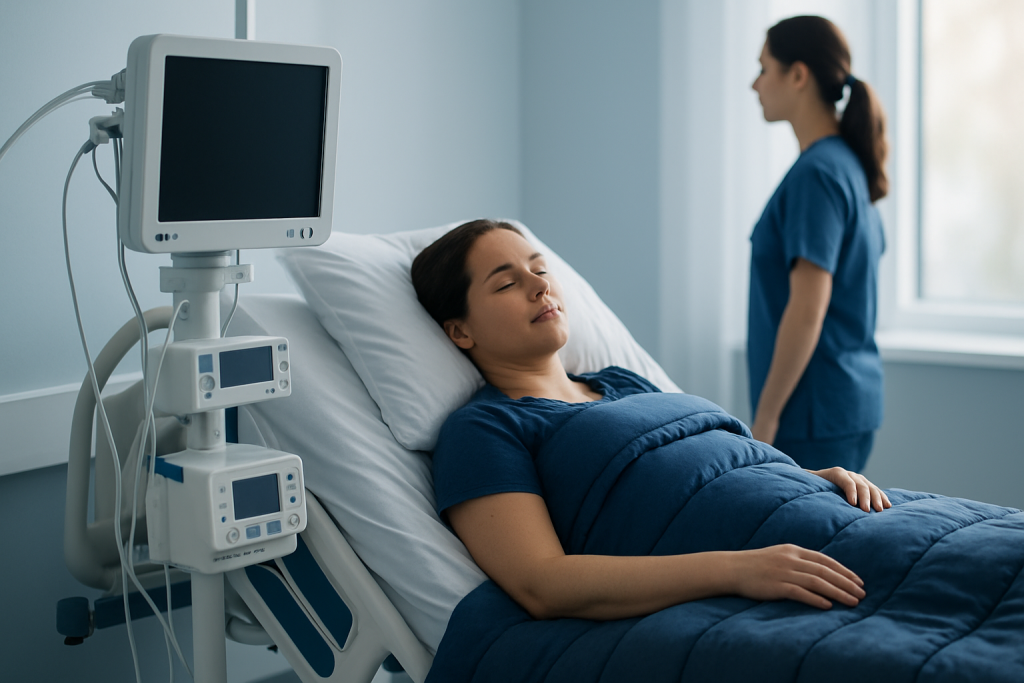
People usually do not seek a weighted blanket because of a medical symptom alone; they try one because they want a calmer night. Common goals include falling asleep more easily, feeling less restless in bed, or reducing the sense of being “on edge” after a busy day.
Some users report that the blanket helps them stay in one position, reduces tossing and turning, or makes it easier to transition from a stimulating evening into rest. Others use it during quiet reading, meditation, or while winding down after travel, when the body still feels out of sync with local time.
It is also worth noting what a weighted blanket does not reliably do. If snoring, breathing pauses, frequent awakenings, reflux, pain, or nighttime panic are driving sleep disruption, those issues need their own assessment. A blanket may feel pleasant, but it should not delay a proper medical review when the real problem is deeper.
How Weighted Blankets May Help

Weighted blankets are thought to work through deep pressure touch, a form of gentle, distributed pressure that may encourage the nervous system to shift toward a more relaxed state. People often notice this as a slower sense of settling rather than a dramatic change.
For some individuals, that physical cue can become part of a bedtime routine that signals “sleep is next.” In practical terms, the blanket may help reduce the mental restlessness that keeps people scrolling, pacing, or replaying the day in their minds. Because routines matter, the benefit may come as much from the ritual as from the blanket itself.
Different people may experience the blanket differently. Someone who enjoys firm pressure may find it soothing, while another person may feel trapped, overheated, or uncomfortable. A good response is one that is calm and sustainable, not merely intense on the first night.
Causes and Risk Factors: Who May Benefit, and Who Should Be Cautious
There is no single cause for seeking a weighted blanket; the reasons are usually personal. Some people are drawn to it because of sensory preferences, anxiety-related tension, insomnia, or a desire for a more secure-feeling sleep environment. Others simply want a heavier, cocoon-like layer during colder months or while adapting to unfamiliar hotel bedding.
At the same time, certain situations call for caution. Weighted blankets may be unsuitable for infants and very young children, people who cannot remove the blanket independently, and anyone who has limited mobility. Extra care is also important for people with breathing difficulties, sleep apnea concerns, circulation problems, claustrophobia, or conditions that make body temperature harder to regulate.
Body size matters as well. A blanket that is too heavy can feel restrictive, make turning difficult, or increase heat and pressure in ways that are unpleasant rather than soothing. Product guidance is helpful, but personal comfort and safety should always take priority over a fixed formula.
- People with insomnia who want a calming bedtime cue
- Adults who prefer firm, even pressure for relaxation
- Travelers adjusting to new sleep routines
- People with sensory sensitivities who find gentle pressure reassuring
- Anyone who can remove the blanket easily if discomfort occurs
Diagnosis: When Sleep Problems Need a Medical Check
A weighted blanket itself does not require a diagnosis. However, the reasons someone reaches for one may deserve medical attention if sleep is consistently poor, daytime fatigue is affecting life, or anxiety feels difficult to manage.
Doctors typically start by asking about sleep habits, bedtime patterns, breathing during sleep, stress levels, medications, caffeine use, alcohol intake, and any symptoms such as snoring, leg discomfort, nightmares, or frequent awakenings. A careful conversation often reveals whether the issue is lifestyle-related, stress-related, or part of a sleep disorder that needs treatment.
For international patients, it can be especially helpful to bring a simple sleep log when seeking care abroad: bedtime, wake time, travel dates, and what makes sleep worse or better. That kind of detail helps clinicians separate temporary jet lag and environmental disruption from a more persistent condition.
Treatment Options and Practical Use
A weighted blanket is best thought of as a comfort tool within a broader sleep strategy. If it is used, the first step is choosing a product that feels manageable and safe. The blanket should spread pressure evenly, not pin the person down, and it should allow normal movement and easy removal.
Pairing the blanket with basic sleep habits often makes more sense than using it alone. A steady bedtime, lower evening light, reduced screen exposure, and a cooler, quiet room can all support the same goal of relaxation. When anxiety is part of the picture, breathing exercises, mindfulness, or counseling may be more effective than any bedding choice.
When sleep difficulty is persistent, treatment should be tailored to the underlying cause. That may include behavioral therapy for insomnia, evaluation for sleep apnea, management of pain or reflux, review of medicines, or mental health support. The blanket can remain a comfort item, but it should not replace proper care when a medical issue is present.
Prevention and Self-care
Good sleep care starts with learning what genuinely helps the body unwind. A weighted blanket may be useful if it feels naturally calming, but it works best when matched to the user’s size, age, sensitivity to heat, and ability to move freely.
It helps to test the blanket during a relaxed evening rather than for the first time on a night when an early flight, illness, or deadline has already heightened stress. If the person feels overheated, anxious, trapped, or uncomfortable, the product is not a good fit. Comfort should feel steady and safe, not forced.
Other self-care steps are worth keeping in view, especially for travelers and busy adults:
- Keep a regular sleep and wake schedule when possible
- Limit caffeine later in the day
- Create a dark, quiet sleep space
- Use relaxation practices before bed
- Seek medical advice if sleep problems continue for more than a short period
When to See a Doctor
It is sensible to speak with a doctor if sleep problems are ongoing, worsening, or affecting mood, concentration, or work. Medical review is also important if there is loud snoring, choking during sleep, repeated awakenings, panic at night, persistent pain, or unusual daytime sleepiness.
Anyone who feels short of breath, overheated, trapped, or unable to reposition comfortably under a weighted blanket should stop using it and reassess. Children, older adults, and people with mobility limits should only use such blankets with professional guidance.
For people planning care from another country, a coordinated evaluation can be especially useful when sleep concerns overlap with stress, anxiety, or other health issues. Acibadem Health Point’s multidisciplinary specialists and JCI-accredited hospitals diagnose and treat these conditions for international patients in a structured, patient-centered way.
Frequently asked questions
What does a weighted blanket actually do?
A weighted blanket provides gentle, even pressure across the body. Many people find that this pressure feels calming and helps them relax before sleep, although the experience varies from person to person.
Can a weighted blanket cure insomnia?
No, it is not a cure for insomnia. It may help some people feel more comfortable at bedtime, but ongoing sleep problems usually need an evaluation to find the underlying cause.
Who should not use a weighted blanket?
Infants, very young children, and anyone who cannot remove the blanket easily should avoid it unless a clinician specifically advises otherwise. People with breathing problems, significant mobility limits, or strong heat sensitivity should also be cautious.
How heavy should a weighted blanket be?
There is no perfect number for everyone, but the blanket should feel comfortable and manageable rather than restrictive. A doctor, therapist, or product guide can help with selection, especially for children or people with medical conditions.
Can it help with anxiety?
Some people find weighted blankets soothing during times of stress because the pressure feels grounding. However, they do not treat anxiety disorders on their own, and persistent anxiety should be discussed with a healthcare professional.
Is it safe to use a weighted blanket while traveling?
It can be, if the person already knows the blanket feels comfortable and safe. Travelers should consider the room temperature, bedding setup, and whether they can remove the blanket easily if they wake up uncomfortable.
References
- National Sleep Foundation
- Mayo Clinic
- Cleveland Clinic
- American Academy of Sleep Medicine
- NHS
This article is for general information only and is not a substitute for professional medical advice. Please consult a qualified doctor about your individual situation.
Explore treatments in Turkey — costs, top hospitals & a free quote
JCI-accredited · board-certified surgeons · reply within 24h
Add us as a Preferred Source to see more of our trusted health content across Google Search, AI Overviews and Discover.