Vr In Mental Health Treatment
Key Takeaways
- VR can help therapists guide patients through realistic scenarios in a controlled, adjustable way.
- It is most often used alongside established therapies such as exposure therapy, relaxation training, and rehabilitation.
- VR may support treatment for anxiety disorders, specific phobias, PTSD, stress, and some pain-related conditions.
- A careful assessment is important to decide whether VR is appropriate, especially for people prone to dizziness, motion sickness, or severe symptom flare-ups.
- Patients traveling for care can often discuss remote follow-up, progress tracking, and therapy planning before and after their visit.
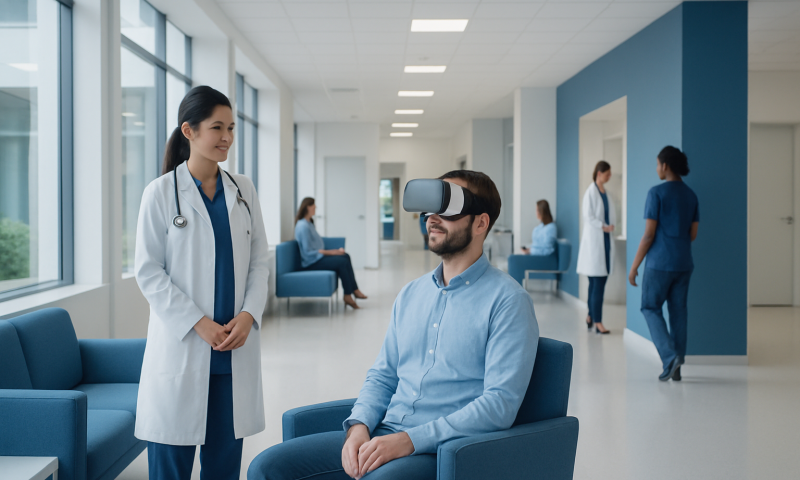
Virtual reality is becoming a practical tool in mental health care, helping clinicians create controlled, immersive settings for therapy and skill-building. It is not a stand-alone cure, but it can support treatment plans for conditions such as anxiety, phobias, PTSD, and pain-related distress.
Overview
Virtual reality, or VR, is no longer limited to entertainment. In mental health treatment, it can be used as a clinical tool that places a person inside a computer-generated environment while a therapist monitors the experience and guides the session. The aim is not to distract from therapy, but to make certain parts of therapy more practical, repeatable, and easier to tailor to the patient’s needs.
VR is usually considered an adjunct to established mental health care rather than a replacement for it. A clinician may use it to simulate a crowded elevator, a plane cabin, a social gathering, a calm beach, or another setting that helps reveal how a person reacts and what support is needed. Because the environment can be adjusted step by step, VR can be especially useful when a person needs gentle exposure, structured relaxation practice, or a safe way to rehearse coping skills.
For international patients, VR-based treatment may be discussed as part of a broader plan that includes assessment, medication review if needed, talk therapy, and follow-up after returning home. The value of VR lies in its flexibility: it can be adapted to the person, the diagnosis, and the pace of recovery, rather than forcing therapy to fit a fixed scenario.
Symptoms and Conditions It May Help Address
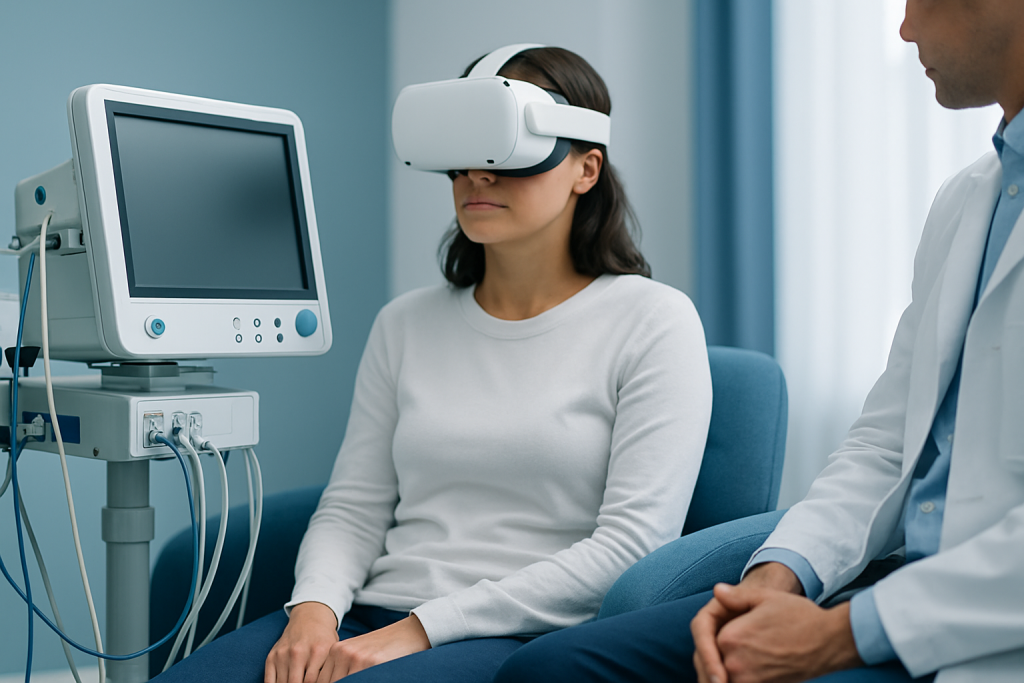
VR is not used for every mental health concern, but it can be useful when a treatment plan benefits from controlled exposure, visual practice, or relaxation training. Many clinicians consider it for anxiety-related conditions because it can recreate triggers in a safer, more manageable way than real-world exposure at the beginning of treatment.
Common areas where VR may be incorporated include specific phobias, social anxiety, panic symptoms, post-traumatic stress disorder, stress management, and some aspects of depression-related withdrawal. In rehabilitation settings, it may also support motivation, attention, and emotional regulation when mental health and physical recovery overlap. Some patients with pain-related distress or sleep difficulties may also find guided VR exercises helpful as part of a wider care plan.
- Fear of flying, heights, elevators, driving, or public speaking
- Symptoms linked to trauma reminders or hypervigilance
- Persistent anxiety that makes gradual exposure difficult in daily life
- Stress that responds well to breathing and relaxation practice
- Difficulty engaging with real-world therapy tasks at first
How well VR fits depends on the person’s diagnosis, symptom pattern, and treatment goals. A clinician will usually look at the whole picture, not just the condition label, before deciding whether this approach is suitable.
Causes & Risk Factors
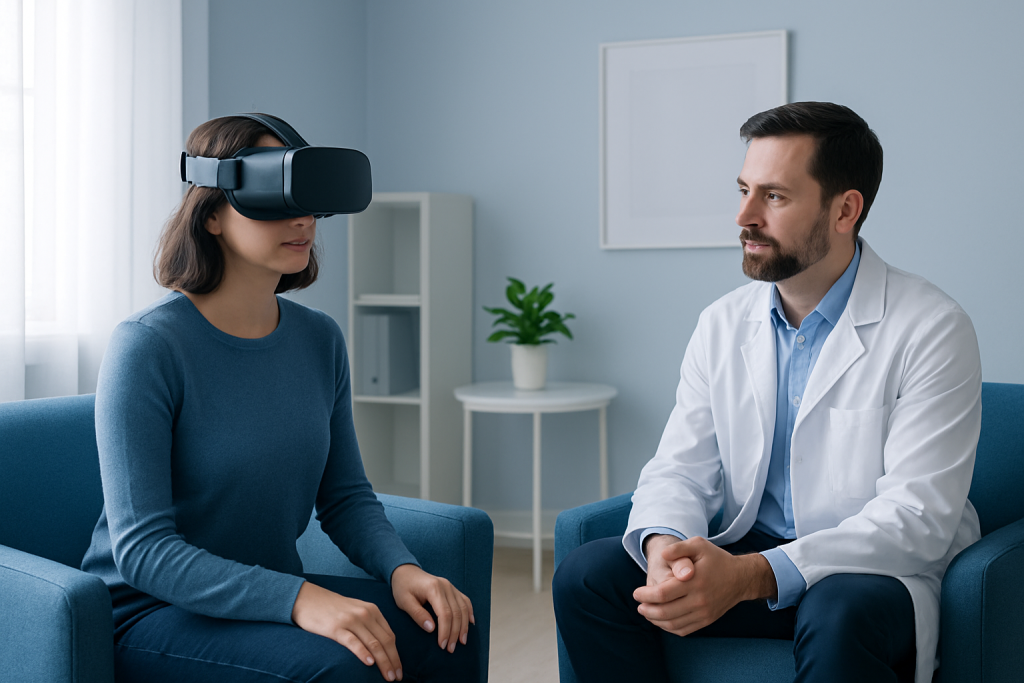
VR does not cause mental health problems, but it is used more often when symptoms are maintained by avoidance, fear of triggers, or difficulty practicing coping skills in ordinary life. In those situations, virtual environments can provide a bridge between therapy in the clinic and the challenges of the real world.
People who may be more likely to benefit from VR-assisted treatment include those who prefer structured, stepwise sessions or who struggle to imagine exposure scenes on their own. It may also be useful for patients who need repeatable practice, since the same situation can be recreated many times with small changes. That consistency can help both the patient and the therapist evaluate progress more clearly.
Some factors may limit suitability. A person with severe dizziness, motion sensitivity, intense dissociation, certain eye or balance disorders, or a tendency for symptom escalation during immersive experiences may need a different approach. Young children, some older adults, and people with complex trauma histories may also require extra care and a highly individualized plan.
Diagnosis and Clinical Assessment
Before VR is introduced, a qualified mental health professional usually begins with a standard assessment. This may include a discussion of symptoms, triggers, previous treatments, medical history, current medications, sleep, substance use, and any safety concerns. The goal is to understand not only the diagnosis, but also the person’s readiness for an immersive intervention.
Assessment often continues during treatment. A therapist may ask how the person feels during and after each VR session, whether distress is manageable, and whether the experience is helping with real-life functioning. In some programs, symptom scales or structured questionnaires are used to track change over time, but the patient’s own account remains central.
For international patients, planning may also include practical questions such as language support, session frequency, length of stay, and whether follow-up can be coordinated back home. A well-designed plan should fit the patient’s schedule and recovery goals, not just the technology available in the clinic.
Treatment Options
VR can be integrated into several evidence-based mental health approaches. One common use is exposure therapy, where the patient gradually encounters feared situations in a controlled setting while learning that the distress is tolerable and can decrease over time. The therapist adjusts the difficulty level carefully so the experience stays therapeutic rather than overwhelming.
VR may also support relaxation and mindfulness training. A patient might practice slow breathing while viewing a calm scene, learn to notice body tension in real time, or rehearse grounding techniques during simulated stress. For some people, this makes it easier to carry those skills into daily life because the training feels more concrete than imagination alone.
Depending on the condition, VR may be paired with psychotherapy, medication, occupational therapy, or rehabilitation. It can also be used to rehearse social interaction, test attention and concentration in a distraction-rich environment, or support behavioral activation when a person has become isolated. The best outcomes usually come when VR is one part of a broader, well-supervised treatment plan.
Possible advantages of VR-assisted care include:
- Controlled, repeatable exposure to triggers
- Personalized pacing based on the patient’s tolerance
- Engaging visual feedback that can improve participation
- A safe setting for practicing coping strategies before real-life use
Prevention & Self-care
VR is not a preventive tool in the same sense as vaccination or screening, but it can support self-care by strengthening coping habits that reduce symptom burden. Patients are often encouraged to use the skills learned in sessions outside the clinic, such as paced breathing, sleep routines, movement, and structured problem-solving.
During VR treatment, self-care also means listening to the body. If a session leaves someone unusually dizzy, unsettled, exhausted, or emotionally flooded, the therapist should know promptly so the plan can be adjusted. Mild temporary discomfort can happen, but therapy should remain within a range that is manageable and safe.
Practical steps that may help include arriving rested, staying hydrated, avoiding alcohol or sedating substances before sessions unless the doctor has advised otherwise, and sharing any history of motion sickness or dissociation before treatment starts. Patients who are traveling for care should also plan recovery time, since intense therapy days can be mentally demanding even when the technology feels novel.
When to See a Doctor
A mental health professional should be consulted if anxiety, trauma symptoms, phobias, or other emotional concerns are interfering with work, sleep, relationships, or daily functioning. VR may be worth discussing when standard therapy alone feels too difficult to start, or when a clinician believes structured exposure or skills practice would be especially helpful.
Medical advice is also important before beginning VR if there is a history of seizures, severe migraine, vertigo, balance disorders, eye problems, or intense discomfort in immersive environments. A clinician can help determine whether VR is appropriate, whether a modified setup is needed, or whether another therapy would be safer and more comfortable.
If symptoms worsen sharply, if a person feels unable to stay grounded after a session, or if thoughts of self-harm arise, urgent professional help is needed. In well-run programs, these issues are taken seriously and addressed promptly, with the treatment plan adjusted to protect safety and dignity. Acibadem Health Point’s multidisciplinary specialists and JCI-accredited hospitals can help diagnose and treat this condition for international patients as part of coordinated care.
Living With Treatment and Follow-up
VR works best when patients understand what it is meant to do and how progress will be reviewed. A person may need several sessions before the environment feels useful, especially if the treatment is addressing avoidance or trauma-related reactions. Improvement is often gradual, with changes showing up first in confidence, tolerance, or daily functioning rather than in a dramatic one-session shift.
Follow-up matters, particularly for international patients who may return home between visits. Many teams can outline next steps before discharge, including therapy goals, medication plans if relevant, warning signs to watch for, and how to stay in contact with the care team. That continuity helps the benefits of treatment carry over beyond the clinic setting.
As with any mental health intervention, the aim is not just symptom reduction but better living: more freedom to travel, work, sleep, socialize, and participate in ordinary life. VR can be a useful part of that process when it is chosen thoughtfully and used with clinical supervision.
Frequently asked questions
What is VR in mental health treatment?
It is the use of virtual reality technology to support therapy in a controlled, immersive environment. Clinicians may use it for exposure practice, relaxation training, skills rehearsal, or symptom assessment. It is usually combined with other evidence-based treatments rather than used alone.
Which mental health conditions may benefit from VR?
VR is often discussed for anxiety disorders, specific phobias, PTSD, stress management, and some rehabilitation-related emotional concerns. It may also help with social skills practice or coping with pain-related distress. A clinician will decide whether it fits the patient’s specific needs.
Is VR therapy safe?
For many people, VR is well tolerated when it is planned and supervised by a trained clinician. Some patients may experience dizziness, nausea, eye strain, or emotional discomfort, so the session should be adjusted if needed. It is important to share any history of motion sickness, seizures, vertigo, or dissociation before starting.
How is VR therapy different from regular therapy?
Regular therapy often relies on conversation, imagination, or real-world practice. VR adds an immersive environment that can make exposure or skills training more concrete and repeatable. It does not replace the therapeutic relationship; it supports it.
Can VR help with fear of flying or public speaking?
Yes, it may be used to simulate feared situations such as airports, planes, or audiences in a gradual and controlled way. This can help a person practice coping skills before facing the real situation. The therapist will usually increase difficulty step by step.
Do international patients need to stay long for VR-based treatment?
That depends on the condition, the treatment goal, and how the clinic structures follow-up. Some patients complete a focused assessment and begin treatment during a short stay, then continue care remotely after returning home. Planning should be individualized and discussed with the care team in advance.
References
- National Institute of Mental Health
- American Psychiatric Association
- World Health Organization
- Mayo Clinic
- Cleveland Clinic
This article is for general information only and is not a substitute for professional medical advice. Please consult a qualified doctor about your individual situation.