Waist Trainer: Benefits and Risks

Key Takeaways
- A waist trainer may change appearance temporarily, but it does not permanently reshape body fat or organs.
- Tight compression can cause discomfort, breathing difficulty, reflux, skin irritation, or pressure-related pain in some people.
- People with pregnancy, reflux, hernias, rib or back problems, or certain breathing conditions should be especially careful.
- Safer alternatives include posture work, strength training, supportive clothing, and medically guided weight management.
- If a waist trainer causes pain, numbness, shortness of breath, or digestive symptoms, it should be removed and a clinician consulted.
Medically reviewed by the Acıbadem clinical team — August 19, 2026
A waist trainer is a tightly fitted garment worn around the midsection to create a slimmer look or added support. This article explains what it can and cannot do, who should be cautious, and how to choose safer ways to support posture, comfort, and body goals.
Overview
A waist trainer is a structured, often elastic or corset-like garment worn around the abdomen and waist. Some people use it for the visual effect of a narrower waist, while others hope it will improve posture, support the back, or shape the body during exercise or daily wear.
It is important to separate appearance from lasting change. A waist trainer can temporarily compress soft tissue and change the outline of clothing, but it does not permanently remove fat or safely “train” the body into a new shape. Any change seen while wearing it usually depends on pressure, fit, and body position rather than a true structural shift.
For international patients thinking about body-shaping options, the most useful starting point is usually a clear conversation with a qualified clinician about goals, comfort, and medical history. That helps distinguish a fashion choice from a health-related concern, such as back pain, abdominal weakness, or post-pregnancy recovery.
Common Uses and What People Expect
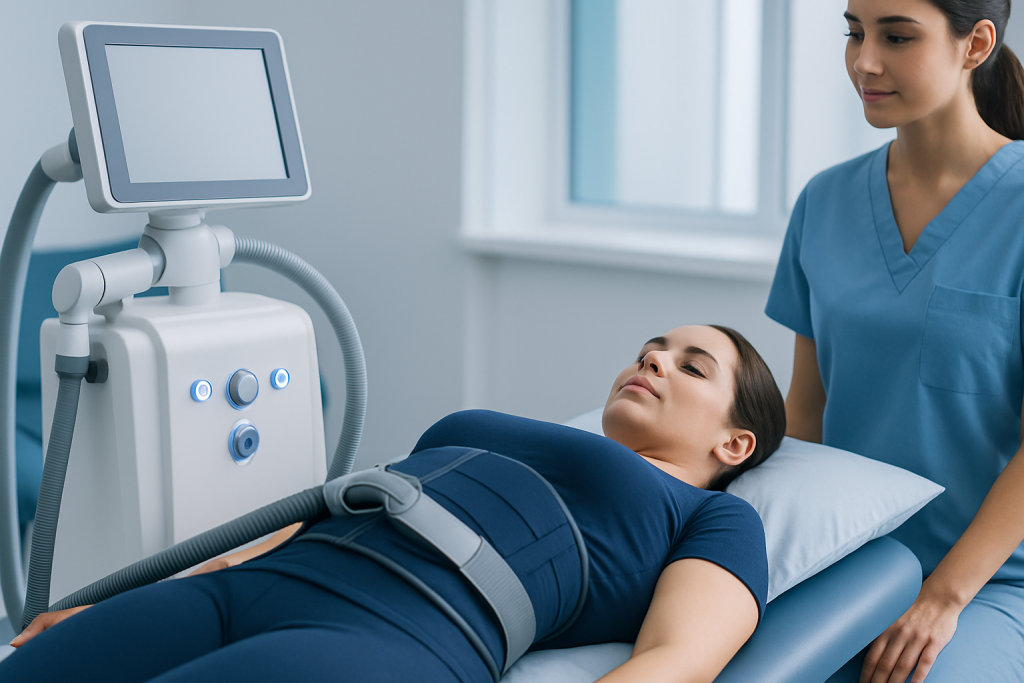
People reach for waist trainers for several different reasons. Some want a smoother look under clothing. Others hope the garment will help them “sweat more” during exercise, assuming that extra sweat means extra fat loss. A few believe it can improve posture or make the waist permanently smaller over time.
These expectations are often stronger than the evidence. Sweating more is mainly a sign of heat retention and fluid loss, not fat loss. A tighter garment can also create a feeling of support, but support is not the same as strengthening the core muscles or correcting posture long term.
When used briefly and comfortably, a waist trainer may serve as a cosmetic accessory for some adults. The key is knowing where the line is between short-term styling and a device that starts to interfere with breathing, digestion, movement, or skin health.
Potential Risks and Side Effects

The main concern with waist trainers is pressure. When compression is too strong or worn for too long, it may restrict comfortable breathing, make sitting or bending difficult, and increase abdominal pressure. Some people notice heartburn, bloating, or a feeling of fullness after meals because the stomach has less room to expand normally.
Skin irritation is also common. Friction, heat, and trapped moisture can lead to chafing, rashes, or pressure marks, especially if the garment is worn during exercise or in warm weather. In people with sensitive skin, the fabric and seams themselves can become a source of ongoing irritation.
Other possible problems include:
- Shortness of breath or shallow breathing
- Rib or lower-back discomfort
- Numbness, tingling, or pinching sensations
- Worsening of acid reflux or indigestion
- Difficulty tolerating meals while wearing the garment
These effects do not happen to everyone, but they are a reminder that a tight garment is not harmless simply because it is sold for shaping or support.
Who Should Be Especially Careful
Certain people should be more cautious with waist trainers or avoid them unless a clinician specifically approves their use. This includes people who are pregnant, recently postpartum without medical clearance, or recovering from abdominal surgery. Anyone with a hernia, significant reflux, chronic constipation, rib injury, or respiratory condition should also think carefully before using strong compression around the midsection.
Body changes after childbirth, weight loss, or surgery can be emotionally sensitive, and it is understandable that some people want quick visible support. Even so, the safest choice is usually one that respects healing tissues and does not interfere with circulation, digestion, or breathing. In some recovery plans, a medical-grade support garment may be recommended, but that is different from a fashionable waist trainer.
Teenagers and people who are still developing physically should not use a waist trainer as a body-shaping method without professional guidance. In general, any use that causes pain, dizziness, or a need to “push through” discomfort is a sign the fit or purpose should be reconsidered.
Diagnosis and Medical Evaluation
A waist trainer itself does not require diagnosis, but symptoms that appear while wearing one may need medical assessment. A doctor may ask when the symptoms started, how tightly the garment is worn, how long it is used each day, and whether the person has reflux, constipation, back pain, skin changes, or breathing symptoms.
Evaluation is usually straightforward and based on history and examination. If the issue seems to involve reflux, abdominal pain, chest discomfort, or breathing difficulty, the clinician may look for other causes beyond the garment, because waist-trainer symptoms can overlap with common digestive or musculoskeletal problems.
For people considering a body-sculpting approach before travel or after arriving for care abroad, a consultation is especially helpful. It allows the care team to confirm whether the problem is cosmetic, postural, or medical, and to suggest the most appropriate option rather than relying on guesswork.
Treatment Options and Safer Alternatives
If a waist trainer is causing discomfort, the first treatment is simple: stop using it until symptoms settle. Many minor problems improve once compression is removed, moisture is reduced, and the skin is allowed to rest. Persistent pain, reflux, numbness, or breathing difficulty deserves medical review.
When the goal is a better waistline or improved posture, safer alternatives are often more effective over time. Core and back strengthening, regular physical activity, balanced nutrition, and attention to posture usually provide more lasting benefit than tight compression. A clinician, physiotherapist, or dietitian can help tailor a plan to the person’s body and goals.
- Supportive exercise for the trunk, hips, and back
- Clothing that fits well without restricting breathing
- Posture coaching or physiotherapy for back strain
- Medical weight-management advice when weight loss is the goal
- Postpartum or post-surgical support only when recommended by a clinician
For people seeking cosmetic refinement, a medical consultation can also help separate realistic short-term shaping from options that involve longer-term health considerations. That is especially valuable for international patients who need clear guidance before traveling or scheduling follow-up from another country.
Prevention and Self-care
If someone chooses to wear a waist trainer, moderation matters. A comfortable fit, limited wear time, and attention to the body’s signals are essential. The garment should never make breathing feel strained, meals uncomfortable, or movement restricted.
Good self-care also means listening for small warning signs. Red marks that do not fade, skin breakdown, acid reflux, bloating, or a sensation of pressure that lingers after removal all suggest the garment may be too tight or too frequent in use. It is better to adjust early than to keep wearing it and hope the symptoms disappear.
Hydration, regular breaks, and proper hygiene of the garment can reduce irritation. If the goal is confidence in clothing or support during certain activities, a well-fitted compression or support item chosen with professional advice may be a more comfortable and predictable option than a very tight waist trainer.
When to See a Doctor
Medical advice is appropriate if a waist trainer causes shortness of breath, chest discomfort, faintness, severe abdominal pain, numbness, or persistent heartburn. It is also wise to seek help if there is skin damage, swelling, pain that does not improve after removing the garment, or any concern about an underlying hernia or breathing problem.
People who are pregnant, recovering from surgery, or managing a chronic medical condition should check with a clinician before using one. A doctor can help determine whether the issue is safe to monitor at home or whether the garment should be avoided altogether.
For those arranging care from abroad, a multidisciplinary team can be especially useful when the question involves body shaping, recovery, posture, or abdominal symptoms together. Acibadem Health Point’s multidisciplinary specialists and JCI-accredited hospitals can help diagnose and treat these concerns for international patients in a coordinated way.
A Practical Bottom Line
A waist trainer is best understood as a compression garment, not a health tool that permanently reshapes the body. It may create a temporary visual effect, but it can also cause discomfort or aggravate digestion, breathing, and skin problems when used aggressively.
People do not need to abandon their style or body goals to make safer choices. The most reliable path usually involves comfort, realistic expectations, and professional guidance when symptoms, recovery, or medical conditions are part of the picture.
When in doubt, a qualified clinician can help decide whether a waist trainer is harmless fashion, a poor fit for the person’s health, or a sign that a different support strategy would work better.
Frequently asked questions
Does a waist trainer actually make the waist smaller permanently?
A waist trainer can temporarily compress the midsection and make the waist look smaller while it is worn. It does not permanently remove fat or reliably change body shape in a lasting way. Long-term changes usually depend on overall health habits or medical treatment when appropriate.
Can a waist trainer help with weight loss?
It is not a weight-loss treatment. Any drop on the scale after wearing one is more likely to reflect fluid loss from sweating than true fat loss. Sustainable weight management is usually better addressed with nutrition, activity, and medical guidance when needed.
Is it safe to wear a waist trainer during exercise?
Some people do, but tight compression can make breathing and movement less comfortable, especially during more intense activity. If exercise feels restricted or dizzying, it should be removed. A safer exercise garment should allow normal breathing and full movement.
Can waist trainers help with posture or back support?
They may create a temporary feeling of support, but they do not replace strengthening the core and back muscles. In some people, too much compression can actually increase discomfort. For ongoing posture or back issues, a clinician or physiotherapist is a better guide.
What symptoms mean the waist trainer should be removed right away?
Shortness of breath, chest discomfort, dizziness, numbness, significant pain, or severe heartburn are all reasons to remove it promptly. If symptoms do not improve or seem severe, medical advice should be sought. The body should never need to be forced to tolerate a garment.
Who should avoid waist trainers altogether?
People who are pregnant, recently had abdominal surgery, or have hernias, reflux, breathing problems, or rib injuries should be especially cautious. In many of these situations, a tight waist trainer is not a good idea without medical approval. A clinician can recommend safer support if needed.
References
- Mayo Clinic
- Cleveland Clinic
- National Health Service (NHS)
- American Academy of Family Physicians
- World Health Organization
This article is for general information only and is not a substitute for professional medical advice. Please consult a qualified doctor about your individual situation.
Joint and spine care in Turkey — expert assessment & treatment
JCI-accredited · board-certified surgeons · reply within 24h
Add us as a Preferred Source to see more of our trusted health content across Google Search, AI Overviews and Discover.