Vertigo Epley Procedure

Key Takeaways
- The Epley procedure is designed to move displaced inner-ear crystals back into place.
- It is commonly used for BPPV, especially when vertigo is triggered by turning in bed, looking up, or bending over.
- Diagnosis matters because not all dizziness is caused by BPPV, and the treatment should match the cause.
- Most people tolerate the maneuver well, though some temporary dizziness during treatment is common.
- Learning safe positional precautions can help reduce recurrence and support recovery.
- Persistent, severe, or unusual symptoms should be assessed by a doctor.
The Epley procedure is a simple repositioning treatment commonly used for benign paroxysmal positional vertigo (BPPV), a frequent cause of brief spinning sensations triggered by head movement. It can often provide quick relief when performed correctly and after the cause of dizziness has been confirmed by a clinician.
Overview
The Epley procedure is a guided series of head and body movements used to treat a common inner-ear problem called benign paroxysmal positional vertigo, or BPPV. People with BPPV often describe a brief but unsettling spinning sensation when they lie back, roll over in bed, tilt their head, or look upward.
The treatment works by helping tiny calcium crystals, which have shifted into the wrong part of the inner ear, move back to a place where they no longer disturb balance signals. For many patients, that makes the room-stop-spinning feeling settle more quickly than waiting for it to fade on its own.
For international patients, the Epley maneuver can be especially useful because it is a focused, non-surgical treatment that may be completed in an outpatient setting. A clinician first confirms that the dizziness pattern fits BPPV, then selects the correct side and sequence of movements for the individual patient.
Symptoms
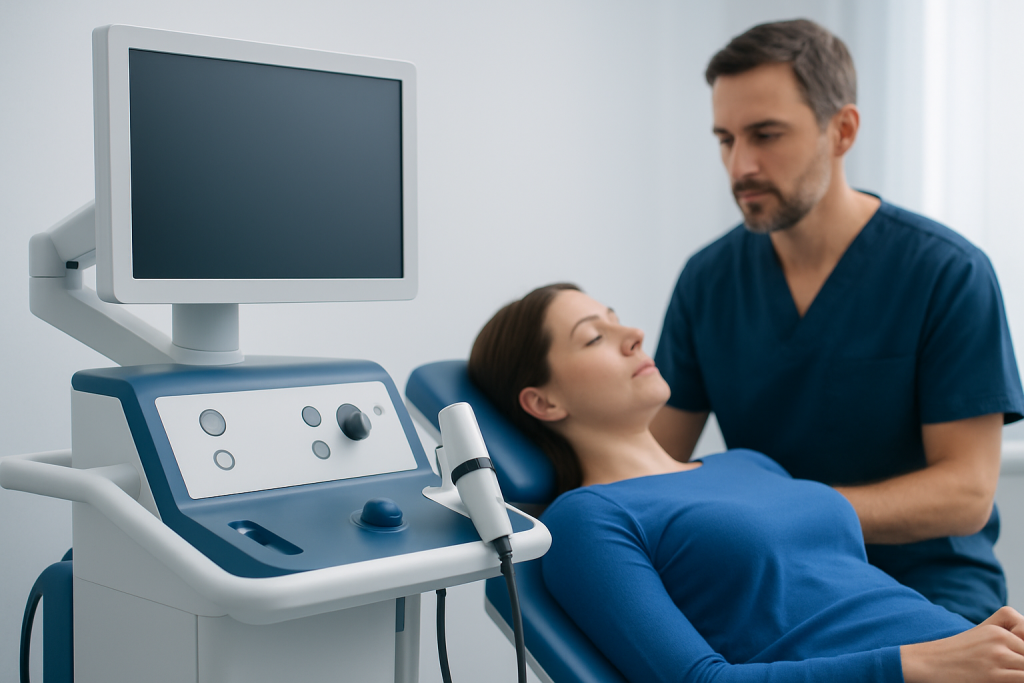
BPPV usually causes short episodes of vertigo rather than constant dizziness. The spinning sensation commonly lasts seconds to a minute, although a person may feel off-balance or mildly nauseated afterward.
Typical symptoms may include:
- Brief spinning triggered by changing head position
- Dizziness when turning in bed or getting up
- Feeling worse when looking up or bending down
- Nausea, without major hearing loss
- A sense of imbalance after the episode ends
People sometimes say the symptoms come and go in waves, which can make daily activities or travel more tiring than expected. Because the episodes are position-related, a careful description of what triggers them often gives the strongest clue to the diagnosis.
Causes & Risk Factors

BPPV happens when small crystals in the inner ear become displaced and drift into one of the balance canals. When the head moves, those crystals send the wrong signal to the brain, creating a sensation of motion that is not really there.
In many cases, no clear cause is found. It may follow a minor head injury, an ear disorder, prolonged bed rest, or sometimes appear after a viral illness. Age can also play a role, since inner-ear structures may become more vulnerable over time.
Risk factors can include:
- Previous episodes of BPPV
- Head trauma, even mild
- Inner-ear disorders
- Extended inactivity or bed rest
- Older age
Not every dizzy spell is BPPV, even when it seems to start with movement. That is why a clinician should rule out other balance, neurological, or cardiovascular causes before recommending the Epley procedure.
Diagnosis
Diagnosis usually begins with a detailed history of the dizziness pattern. Doctors often ask what movement brings it on, how long it lasts, whether hearing changes are present, and whether the symptoms are linked to nausea, headache, fainting, or weakness.
The Dix-Hallpike test is commonly used to confirm BPPV. During this bedside test, the patient is moved into a position that may trigger symptoms while the clinician watches the eyes for a characteristic pattern of movement called nystagmus. That eye movement helps identify the affected ear and canal.
Sometimes additional examination is needed if the symptoms are atypical, if hearing loss is present, or if the patient has other concerning signs. Imaging is not routinely required for classic BPPV, but a doctor may order further tests if another condition seems possible.
Treatment Options
The Epley maneuver is the best-known treatment for posterior-canal BPPV, the most common type. It is usually performed in a clinic by a trained clinician, although some patients later learn to do a modified version at home if appropriate and if their doctor advises it.
During the maneuver, the head and body are moved through a sequence of positions designed to guide the inner-ear crystals out of the canal. The steps are brief, but the patient may feel momentary dizziness as the balance organs respond to the movement.
Other treatment options may be considered when BPPV affects a different canal, when the Epley maneuver is not suitable, or when symptoms persist. These may include other repositioning maneuvers, vestibular rehabilitation, or a reassessment to make sure the diagnosis is correct.
Medication is not usually the main treatment for BPPV itself. In some cases, doctors may use short-term symptom relief for severe nausea, but repositioning remains the key approach when the diagnosis is BPPV.
What to Expect During the Epley Procedure
A typical appointment starts with confirmation of the affected side, followed by a sequence of head positions while the patient lies on an examination table. The clinician may pause briefly in each position to allow the inner-ear particles to move as intended.
Some people notice brief spinning or a floating sensation during the process. That reaction can be expected and does not necessarily mean the treatment is failing. Most patients can return home soon after the procedure, though they may feel cautious or tired for the rest of the day.
Afterward, the doctor may give practical instructions about sleeping position, cautious head movements, or follow-up if symptoms return. For someone traveling from another country, this kind of aftercare planning is especially helpful, because it can include what to do if dizziness recurs before the return trip or during recovery at home.
Prevention & Self-care
BPPV cannot always be prevented, but some habits may reduce strain on the balance system and make recovery easier. Slow position changes, good hydration, and avoiding sudden head jerks can help people feel more stable while symptoms are active.
If a doctor has taught a home exercise or follow-up maneuver, it should be done exactly as instructed. Patients should also take care when showering, using stairs, driving, or climbing into bed if dizziness is still present.
- Rise slowly from lying or sitting positions
- Use support when balance feels uncertain
- Keep a record of which movements trigger symptoms
- Follow the clinician’s advice about home exercises or rest
- Seek review if episodes return frequently
Because recurrent vertigo can affect work, travel, and sleep, planning follow-up before leaving the treating center may be useful. Acibadem Health Point’s multidisciplinary specialists and JCI-accredited hospitals diagnose and treat this condition for international patients, with coordinated evaluation and follow-up when needed.
When to See a Doctor
A medical assessment is important when dizziness is new, recurrent, or interfering with daily life. It is especially important if the spinning is clearly linked to head movement and has not been previously diagnosed, because the correct maneuver depends on the exact cause.
Prompt evaluation is also recommended if vertigo comes with hearing loss, severe headache, weakness, numbness, trouble speaking, chest pain, fainting, or difficulty walking. Those features suggest that the cause may not be simple BPPV and deserve medical attention.
After treatment, patients should return to a doctor if symptoms do not improve, if they keep recurring, or if the pattern changes. Even when the Epley procedure works well, a follow-up visit can help confirm recovery and discuss longer-term balance care.
Living With BPPV and Recovering After Treatment
Many people feel relieved once they understand that BPPV is treatable and not the same as a stroke or permanent balance disorder. Knowing what triggers the symptoms can reduce uncertainty and make day-to-day movement feel more manageable.
Recovery often involves a small period of caution rather than strict limitation. Patients may be encouraged to move carefully, rest as needed, and resume normal activities gradually as confidence returns. If dizziness affects work travel or flying, it is sensible to plan extra time and avoid rushing between transfers.
Because symptoms can recur, the most practical long-term strategy is to know the warning pattern and seek reassessment early. That approach helps patients get the right maneuver sooner and avoid unnecessary worry.
Frequently asked questions
What does the Epley procedure treat?
It treats BPPV, a common inner-ear cause of brief vertigo triggered by head position changes. The maneuver helps move displaced crystals out of the balance canal so they stop causing spinning sensations.
Does the Epley maneuver hurt?
It is not usually painful, but it can briefly provoke dizziness or a queasy feeling while the head is being moved. Most people tolerate it well, and the sensation usually settles quickly.
Can the Epley procedure be done at home?
Sometimes, but only after a clinician confirms the diagnosis and teaches the correct technique. Doing the wrong maneuver for the wrong type of vertigo may not help, so professional guidance is important first.
How quickly does it work?
Some people feel better right away, while others need repeat treatment or a short recovery period. The response depends on the exact canal involved and whether more than one repositioning session is needed.
Will vertigo come back after the Epley maneuver?
It can, because BPPV may recur over time. If symptoms return, another examination is useful to confirm the cause and repeat the appropriate treatment.
Is vertigo always caused by the inner ear?
No. Vertigo can also be related to neurological, cardiovascular, migraine, or medication-related causes. That is why evaluation matters before starting treatment.
References
- National Institute on Deafness and Other Communication Disorders
- American Academy of Otolaryngology-Head and Neck Surgery
- Mayo Clinic
- Merck Manual Professional Edition
- World Health Organization
This article is for general information only and is not a substitute for professional medical advice. Please consult a qualified doctor about your individual situation.