Vertigo: Meaning, Causes, and Symptoms

Key Takeaways
- Vertigo often feels like spinning, tilting, or a false sense of motion rather than simple lightheadedness.
- Common causes include inner ear problems such as benign paroxysmal positional vertigo, vestibular neuritis, and Ménière’s disease.
- A careful history, ear examination, and sometimes hearing tests or imaging help identify the cause.
- Treatment depends on the reason for vertigo and may include repositioning maneuvers, medicines, vestibular rehabilitation, or treating an underlying condition.
- People with sudden weakness, trouble speaking, severe headache, fainting, or new hearing loss should seek prompt medical evaluation.
Vertigo is a sensation that the person or the surroundings are spinning, even when there is no actual movement. It is a symptom, not a diagnosis, and it can come from the inner ear, the brain, or other medical conditions.
Overview
Vertigo is one of those symptoms that can make an ordinary moment feel unexpectedly unstable. A person may feel as if the room is turning, the floor is shifting, or the body is being pulled in one direction, even while standing still. Because of that false sense of motion, vertigo can be more specific and more unsettling than general dizziness.
It is important to know that vertigo is not a disease on its own. It is a clue that something is affecting the balance system, most often the inner ear, but sometimes the brain or another part of the body. In many people, the cause is treatable once it is identified clearly.
For international patients, this often begins with a practical question: is the problem coming from the ear, the nervous system, or another medical issue? A step-by-step evaluation helps narrow that down and guides the safest treatment plan, whether care is being arranged locally or during a planned medical trip.
Symptoms
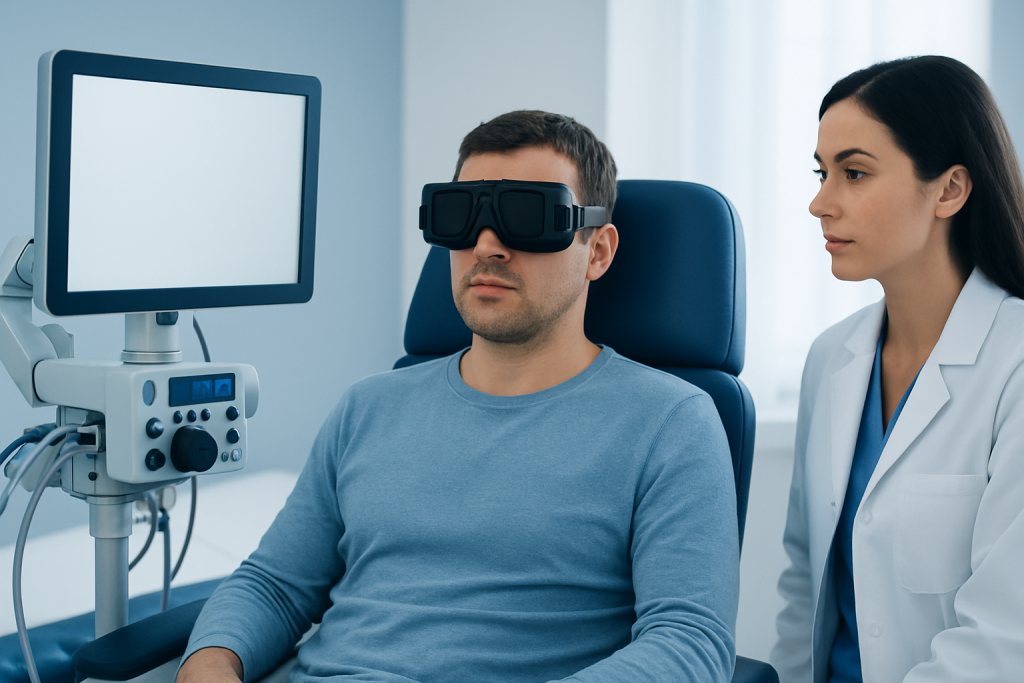
Vertigo is usually described as spinning, swaying, tilting, or feeling as though the environment is moving. Some people notice it only when changing position, such as lying down, rolling over in bed, looking up, or turning the head quickly. Others may have longer episodes that come with nausea or a sense of imbalance when walking.
Vertigo may occur with other symptoms that offer clues about the cause. These can include ringing in the ears, reduced hearing, pressure in the ear, vomiting, headache, blurred vision, or difficulty concentrating. Some people feel better when staying still, while others remain uneasy even at rest.
The experience can vary a great deal from person to person. Brief, position-related episodes often point to an inner ear cause, while vertigo accompanied by neurological symptoms needs closer medical attention. Careful description of the sensation, duration, and triggers is often one of the most useful parts of diagnosis.
Causes & Risk Factors

The inner ear is the most common source of vertigo. Tiny balance structures there help the brain understand head movement and position. If those signals are disrupted, the brain may receive mixed messages, creating a spinning sensation.
Common causes include benign paroxysmal positional vertigo, often called BPPV, in which small calcium crystals move into the wrong part of the inner ear; vestibular neuritis, which involves inflammation of the balance nerve; and Ménière’s disease, a condition linked to episodes of vertigo, hearing changes, and ear fullness. Migraine can also cause vertigo, even without a strong headache every time.
Less commonly, vertigo may be related to concussion, infection, certain medications, stroke, multiple sclerosis, or other neurological conditions. Risk can be higher after a recent viral illness, with aging, after head injury, or in people who already have migraine or inner ear disorders. A doctor usually looks for patterns rather than one single cause.
- Recent head movement or getting out of bed may suggest BPPV.
- Ear symptoms such as hearing loss or ringing may point to an inner ear condition.
- Sudden neurological changes raise concern for a brain-related cause.
Diagnosis
Diagnosis starts with a detailed conversation. A clinician will ask when the vertigo began, how long each episode lasts, what seems to trigger it, and whether hearing changes, headaches, or other symptoms are present. These details help separate true vertigo from lightheadedness, faintness, or general unsteadiness.
The physical examination often includes checking eye movements, balance, walking pattern, blood pressure, and the ears. In some cases, the doctor may perform positional tests that bring on symptoms in a controlled way and help confirm BPPV. Hearing tests may also be useful if there is ringing, pressure, or reduced hearing.
When the story or examination suggests a different cause, imaging such as MRI or CT may be recommended, especially if there are neurological signs or an unusual pattern. For patients traveling for care, bringing prior test results, medication lists, and a written symptom timeline can make the evaluation more efficient and more accurate.
Treatment Options
Treatment depends on the underlying cause rather than on vertigo alone. For BPPV, a clinician may use simple head and body maneuvers that move the inner ear crystals back into place. These are often very effective and may reduce symptoms quickly.
Other inner ear causes may be treated with medicines that ease nausea or short-term severe spinning, along with rest and gradual return to movement when appropriate. Vestibular rehabilitation therapy can help the brain adapt to balance changes and is often useful when symptoms linger or walking feels unsteady.
If vertigo is linked to migraine, an ear infection, fluid problems, medication side effects, or a neurological condition, the care plan focuses on that underlying issue. Surgery is uncommon and usually considered only when a specific structural problem or persistent inner ear disorder does not improve with conservative care.
For many patients, the most reassuring part of treatment is having a clear explanation of what is happening and what to do when symptoms return. A tailored plan also helps people manage recovery while coordinating follow-up after returning home from treatment abroad.
Prevention & Self-care
Not all vertigo can be prevented, but certain habits may reduce episodes or make them easier to manage. Standing up slowly, avoiding sudden head turns during a flare, and keeping well hydrated can help some people. If a person knows specific movements trigger symptoms, it is reasonable to be cautious with those motions until evaluated.
Self-care can also include good sleep, regular meals, and limiting known migraine triggers when migraine is part of the picture. If a clinician recommends vestibular exercises, doing them consistently may improve balance over time. For BPPV, learning safe movement strategies after treatment can reduce the fear of movement that sometimes follows repeated episodes.
People should avoid driving, climbing ladders, or doing tasks that require quick balance reactions when vertigo is active. Because dizziness can have several causes, it is wise not to assume that every episode is “just inner ear” without proper medical assessment, especially if the symptoms are new or changing.
When to See a Doctor
Medical evaluation is a good idea when vertigo is new, recurrent, or interfering with daily life. It is also important if the sensation lasts longer than expected, keeps returning, or is accompanied by hearing changes, persistent vomiting, or trouble walking.
Urgent assessment is recommended if vertigo comes with weakness or numbness on one side, slurred speech, double vision, severe headache, fainting, chest pain, or a new inability to stand or coordinate movement. Sudden hearing loss also deserves prompt attention. These symptoms do not always mean something serious, but they should be checked without delay.
People who are unsure whether their symptoms are vertigo, lightheadedness, or a more general balance problem may benefit from an ENT or neurology review. Acibadem Health Point’s multidisciplinary specialists and JCI-accredited hospitals diagnose and treat vertigo for international patients, with coordinated evaluation and follow-up when needed.
Living with Vertigo During Recovery
Recovery is often easier when the cause is named and the plan is simple. Many patients improve once the right maneuver, medication, or rehabilitation strategy is in place, although some symptoms may fade gradually rather than all at once. Understanding that the sensation can be temporary helps reduce anxiety, which itself can make dizziness feel more intense.
When vertigo is being managed from another country, it helps to leave with a written summary of the diagnosis, test results, treatment given, and follow-up instructions. This makes it easier for the home doctor to continue care and for the patient to know what improvement should look like over the next days or weeks.
Families and caregivers can support recovery by helping with safe mobility, watching for red-flag symptoms, and making sure the person has a calm environment during active episodes. A practical, well-explained plan often matters as much as the treatment itself.
Frequently asked questions
What is the difference between vertigo and dizziness?
Vertigo is a specific type of dizziness where the person feels spinning, tilting, or motion that is not really happening. Dizziness is a broader word that can also describe lightheadedness, weakness, or feeling faint. The distinction matters because it can help doctors identify the cause more accurately.
Is vertigo usually caused by the inner ear?
Yes, many cases are related to the inner ear, especially BPPV, vestibular neuritis, or Ménière’s disease. However, vertigo can also come from migraine, medication effects, or neurological conditions. That is why a proper evaluation is important.
Can vertigo go away on its own?
Some episodes improve without specific treatment, especially if they are mild or temporary. Even so, recurrent vertigo should be checked, because effective treatment may be available once the cause is known. A doctor can also help rule out more serious conditions.
What tests are used to diagnose vertigo?
Doctors usually start with a symptom history and physical examination, including balance and eye-movement checks. Depending on the situation, they may add hearing tests, positional testing, or imaging such as MRI or CT. The choice of tests depends on the suspected cause.
Can stress cause vertigo?
Stress does not usually cause true vertigo by itself, but it can make dizziness feel worse and may trigger migraine-related episodes in some people. Anxiety can also make balance symptoms more noticeable. If stress seems related, it is still worth discussing with a doctor so other causes are not missed.
When should someone seek urgent care for vertigo?
Urgent care is important if vertigo occurs with weakness, slurred speech, double vision, fainting, severe headache, or trouble walking. Sudden hearing loss is another reason to seek prompt evaluation. These symptoms need medical review without delay.
References
- National Institute of Neurological Disorders and Stroke
- American Academy of Otolaryngology–Head and Neck Surgery
- Mayo Clinic
- Cleveland Clinic
- World Health Organization
This article is for general information only and is not a substitute for professional medical advice. Please consult a qualified doctor about your individual situation.