Vegetable: Nutrition, Benefits and Risks

Key Takeaways
- Vegetables provide fiber, vitamins, minerals, and antioxidants that help support overall health.
- Eating a wide variety of vegetables is more useful than focusing on one “superfood.”
- Fresh, frozen, canned, and cooked vegetables can all fit into a healthy eating pattern.
- People with digestive symptoms, chronic illness, or special dietary needs may benefit from tailored advice from a doctor or dietitian.
Medically reviewed by the Acıbadem clinical team — August 19, 2026
Vegetables are a cornerstone of everyday nutrition, bringing fiber, vitamins, minerals, and protective plant compounds to the plate. A varied vegetable intake can support digestion, heart health, and overall well-being at every stage of life.
Overview
Vegetables are among the most practical foods a person can add to daily meals because they do several helpful things at once: they add volume, color, texture, and a broad mix of nutrients without overwhelming the plate. For many people, the challenge is not whether vegetables are “healthy,” but how to fit them into real-life routines in a way that feels simple and sustainable.
Different vegetables contribute different strengths. Leafy greens bring folate and vitamin K, orange vegetables are often rich in beta-carotene, and cruciferous vegetables such as broccoli and cabbage offer fiber and plant compounds that support overall wellness. A mixed pattern matters more than perfection, and even small steps—like adding one extra serving a day—can make meals more nourishing over time.
For international patients, food habits often change during travel, recovery, or a stay in a new country. In those situations, vegetables can be especially useful because they are easy to adapt across cuisines, whether served in soups, salads, stews, stir-fries, or simple side dishes.
Why Vegetables Matter in Everyday Nutrition

Vegetables are valued not only for what they contain, but also for what they help replace. When they take up more space on the plate, they may naturally reduce the share of highly processed foods, while still keeping meals satisfying. Their fiber content supports bowel regularity and can help people feel full after eating.
Many vegetables also deliver antioxidants and other plant compounds that help the body manage everyday metabolic stress. This does not mean vegetables are a cure or a substitute for medical treatment, but they are a reliable foundation for healthier eating patterns. Over time, regular intake is associated with better dietary quality overall.
Vegetables can also support hydration, since many types contain a high amount of water. That makes them useful in warmer climates, during recovery, or for people who have trouble eating large meals. Soft-cooked vegetables, blended soups, and well-steamed sides may be especially helpful when appetite is limited.
Common Types and How They Fit Into Meals
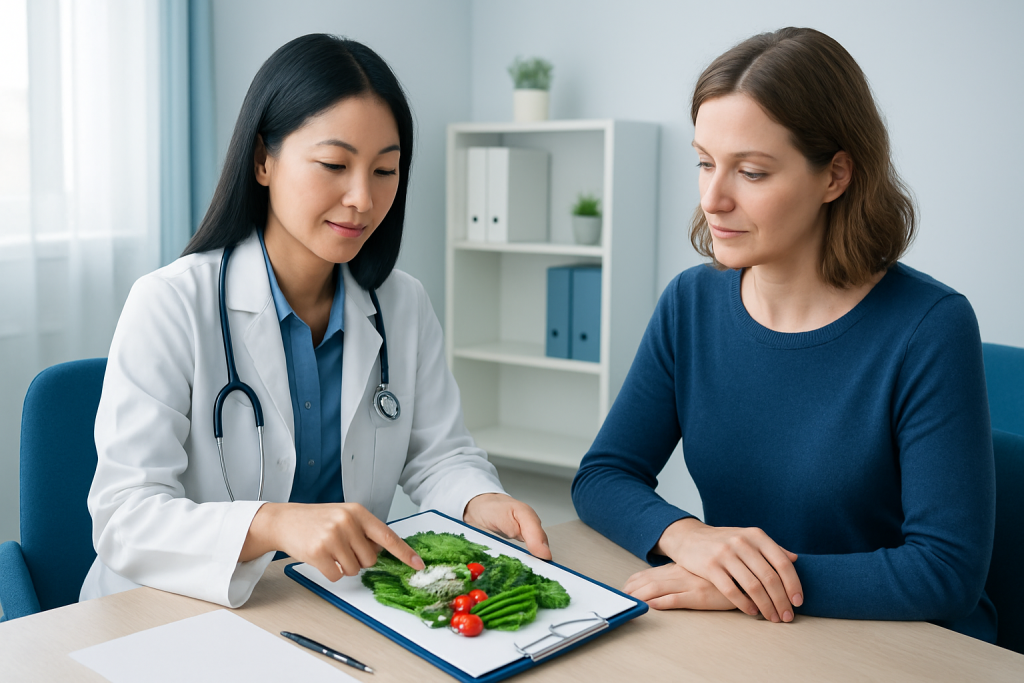
There is no single “best” vegetable category, and the most useful approach is variety. Leafy greens such as spinach, kale, and lettuce are easy to add to salads, wraps, and cooked dishes. Cruciferous vegetables such as broccoli, cauliflower, Brussels sprouts, and cabbage fit well in roasted trays, soups, and grain bowls.
Colorful vegetables often offer a different nutritional profile and make meals more appealing. Carrots, sweet peppers, tomatoes, pumpkin, and beetroot can be used raw, roasted, pureed, or mixed into sauces. Legumes such as green peas and string beans are also commonly grouped with vegetables in everyday cooking and bring extra fiber and plant protein.
A balanced plate often becomes easier when vegetables are used in more than one form. A salad at lunch, a cooked side at dinner, and vegetables folded into breakfast omelets, soups, or sandwiches can all contribute without requiring dramatic changes to familiar meals.
- Leafy greens: salad bases, sautéed sides, smoothies
- Root vegetables: roasting, mashing, soups, stews
- Cruciferous vegetables: steaming, baking, stir-frying
- Tomatoes and peppers: sauces, salads, stews
- Legume vegetables: soups, pilafs, mixed dishes
Symptoms and Signs of Not Getting Enough Vegetables
Low vegetable intake does not usually cause a sudden or obvious illness, but it can affect how a person feels day to day. Some people notice constipation, less regular bowel habits, or a diet that feels heavy and less satisfying. Others may find they are hungry again soon after meals because their meals lack fiber and volume.
Over time, a pattern low in vegetables may also mean fewer vitamins, minerals, and protective plant compounds in the diet. This can matter most when intake of other nutrient-dense foods is also limited. Fatigue, poor meal variety, and repeated reliance on packaged foods may be clues that the diet needs a reset.
These changes are not specific to vegetables alone, so they should not be self-diagnosed. If symptoms persist, a clinician can help determine whether the issue is dietary, digestive, medication-related, or linked to another medical condition.
Causes and Risk Factors for Low Vegetable Intake
People often eat fewer vegetables for practical reasons rather than because they do not value them. Busy schedules, limited cooking facilities, unfamiliarity with preparation methods, and cost concerns can all play a role. Some people also grew up with few vegetable-based dishes and may not feel confident cooking them.
Digestive sensitivity is another common reason. If vegetables are associated with bloating, gas, or discomfort, a person may begin avoiding them even when the real issue is the type of vegetable, portion size, or cooking method. In some cases, certain conditions such as irritable bowel syndrome, reflux, or inflammatory bowel disease may affect tolerance and should be discussed with a healthcare professional.
Travel and recovery can also change intake. In a hospital setting or while staying abroad for treatment, a person may have different meal timings, unfamiliar kitchen access, or limited appetite. In those moments, choosing soft-cooked, familiar vegetables can be easier than forcing a major dietary change.
How Vegetables Are Evaluated in Clinical Care
Vegetables are not usually “diagnosed” in the medical sense, but healthcare teams often assess overall eating patterns when nutrition is affecting symptoms or recovery. A doctor or dietitian may ask about the number of servings eaten, the kinds of vegetables preferred, meal frequency, and any digestive symptoms after eating them.
If a person is dealing with weight changes, anemia, constipation, diabetes, high blood pressure, or digestive complaints, diet history becomes especially relevant. In some cases, the care team may review blood tests or other evaluations to look for nutrient gaps or an underlying condition that changes how the body handles food.
For international patients, this assessment may happen alongside other medical planning, such as preparing for a procedure or organizing follow-up after returning home. Clear communication about food preferences, religious considerations, allergies, and access to kitchen facilities can make practical advice much more useful.
Practical Ways to Eat More Vegetables
Adding vegetables tends to work best when it is tied to existing habits rather than built around rigid rules. A person might start by adding one vegetable to breakfast, keeping cut vegetables visible in the refrigerator, or choosing a vegetable side before deciding on the rest of the meal. Frozen vegetables are often just as useful as fresh ones and can save time.
Cooking method matters for both taste and tolerance. Roasting can bring out sweetness, steaming keeps a softer texture, and soups or stews make vegetables easier to digest for some people. If raw vegetables feel uncomfortable, lightly cooked versions may be a better starting point.
Simple combinations often work best in real life:
- Add spinach or tomatoes to eggs, omelets, or grain bowls.
- Mix grated vegetables into sauces, soups, or meat dishes.
- Use vegetable-based snacks such as cucumber, carrots, or roasted chickpeas with vegetables.
- Choose a vegetable at lunch and another at dinner rather than trying to do everything in one meal.
For people recovering from treatment or traveling for care, the most successful plan is usually the one that matches appetite, schedule, and local food access. A dietitian can help tailor recommendations so they remain realistic after discharge and during follow-up abroad.
When to See a Doctor
A doctor should be consulted if a person has ongoing digestive symptoms, unexplained weight change, trouble eating a balanced diet, or concerns about vitamin or mineral deficiency. Medical advice is also important if someone has a long-term condition that affects diet, such as diabetes, Kidney Disease Treatment" class="ahp-ilk">kidney disease, inflammatory bowel disease, or food allergies.
Persistent bloating, constipation, nausea, or abdominal pain may need assessment before major dietary changes are made. In some people, the issue is not vegetables themselves but the way they are prepared, the speed of eating, or a separate gastrointestinal condition that deserves treatment.
If treatment is being arranged in another country, asking for a nutrition plan before travel can be helpful. Acibadem Health Point’s multidisciplinary specialists and JCI-accredited hospitals can help international patients diagnose and treat health concerns while also coordinating practical dietary guidance during recovery.
Prevention & Self-care
There is no need to make vegetables feel complicated. A steady, manageable pattern is often more effective than a short burst of enthusiasm followed by burnout. Keeping a few reliable options on hand—such as tomatoes, carrots, cucumbers, spinach, frozen broccoli, or mixed vegetables—makes it easier to build meals without extra decision-making.
Self-care also means noticing tolerance. If a vegetable causes discomfort, the answer may be to try a different form rather than abandoning vegetables entirely. For example, cooked vegetables may be easier than raw ones, peeled vegetables may be gentler than skins, and smaller portions may be better than large servings.
People with special nutrition needs should not rely on generic internet advice alone. A tailored plan from a qualified clinician can account for medications, lab results, cultural food preferences, and recovery needs, which is especially valuable when care is being managed across borders.
A Balanced View of Vegetables
Vegetables are important, but they work best as part of a complete diet that also includes protein, healthy fats, grains, fruits, and adequate fluids. The goal is not to create a perfect menu; it is to build meals that are varied, satisfying, and supportive of long-term health.
When vegetable intake improves, people often notice small practical benefits first: more interesting meals, easier digestion, or a feeling of greater routine around eating. Those changes may seem modest, yet they often form the base for healthier habits that last.
For patients navigating treatment, travel, or recovery, the most useful dietary advice is usually the simplest: choose vegetables that are available, tolerable, and enjoyable enough to repeat. That consistency is often more valuable than chasing novelty.
Frequently asked questions
How many vegetables should a person eat each day?
Needs vary by age, activity level, and health status, so there is no single rule for everyone. A doctor or dietitian can suggest a practical target based on the rest of the diet and any medical conditions. In general, the goal is regular intake across meals rather than occasional large portions.
Are frozen or canned vegetables as healthy as fresh ones?
They can be, especially when they are minimally processed and not heavily salted or sauced. Frozen vegetables are often picked and preserved soon after harvest, which helps them remain useful and convenient. Canned vegetables can also fit into a healthy pattern if sodium is kept in mind.
Why do vegetables sometimes cause bloating?
Some vegetables contain fibers and natural carbohydrates that can be harder to digest for certain people, especially in large amounts. The cooking method, portion size, and the specific vegetable all matter. If bloating is frequent or severe, it is worth discussing with a clinician rather than avoiding all vegetables.
What is the easiest way to start eating more vegetables?
The simplest approach is to add one vegetable to meals you already eat, rather than changing everything at once. Choosing familiar vegetables, buying pre-cut or frozen options, and cooking them in easy ways such as steaming or roasting can make the habit more realistic.
Can vegetables help with weight management?
Vegetables can support weight management because they add volume and fiber with relatively few calories, which may help with fullness. However, they are only one part of a broader eating pattern, and long-term results depend on overall balance, activity, and medical factors.
Should a person with a medical condition change vegetable intake on their own?
Not always. People with digestive disorders, kidney disease, diabetes, or food intolerances may need personalized guidance, especially if certain vegetables worsen symptoms or interact with dietary restrictions. A qualified healthcare professional can help create a safer plan.
References
- World Health Organization
- Harvard T.H. Chan School of Public Health
- U.S. Department of Agriculture
- National Institutes of Health Office of Dietary Supplements
- NHS
This article is for general information only and is not a substitute for professional medical advice. Please consult a qualified doctor about your individual situation.
Explore treatments in Turkey — costs, top hospitals & a free quote
JCI-accredited · board-certified surgeons · reply within 24h
Add us as a Preferred Source to see more of our trusted health content across Google Search, AI Overviews and Discover.