

Big Nose

Key Takeaways
- Nose size and shape are influenced by genetics, growth, injury, aging, and nasal structure.
- A large-looking nose is often a normal variation and not a medical problem.
- ENT and plastic surgery specialists can assess whether breathing issues, septal deviation, or cosmetic concerns are present.
- Rhinoplasty and non-surgical approaches may improve appearance or function in selected cases.
- Safe care starts with a clear diagnosis, realistic expectations, and an individualized plan.
A larger-than-desired nose can be a normal facial feature, a result of genetics, or a change after injury or aging. Understanding what shapes the nose and what can be done about it helps people choose informed, realistic care.
Overview
A nose that appears larger than expected is often simply one of the features that gives a face its character. In many people, the size, bridge shape, tip projection, or width of the nostrils is inherited and remains stable throughout life. In other cases, the nose may look bigger because of swelling, past trauma, a deviated septum, skin thickness, or changes that come with aging.
For some people, the concern is mainly aesthetic. For others, a prominent nose is paired with nasal blockage, snoring, repeated sinus symptoms, or breathing through the mouth. That is why a careful assessment matters: the goal is not only to decide whether the appearance feels acceptable, but also to understand whether function is affected.
International patients often begin by asking a simple question: is this a normal facial trait, or is there a structural issue that can be improved? In practice, the answer may involve both ENT and plastic surgery perspectives, especially when deciding whether to travel for treatment and what recovery will look like once they return home.
Symptoms
“Big nose” is not a diagnosis on its own, so the signs depend on what is prompting concern. Some people notice overall size, while others focus on a wide bridge, prominent hump, drooping tip, enlarged nostrils, or asymmetry. The concern may be visible only in certain angles or in profile photographs, which can make it feel more noticeable than it does in everyday conversation.
When the issue is related to structure or breathing, additional symptoms may appear. These can include one-sided or persistent nasal congestion, difficulty breathing during exercise, mouth breathing at night, reduced sense of airflow, or a feeling that one side of the nose is always blocked. After an injury, there may also be tenderness, swelling, or a change in appearance that was not present before.
- Prominent bridge or tip
- Wide nasal base or nostrils
- Visible asymmetry after trauma
- Nasal obstruction or reduced airflow
- Snoring or habitual mouth breathing
It is important to remember that a prominent nose is not unhealthy by itself. The key question is whether the person is dealing with a cosmetic concern, a functional concern, or both.
Causes & Risk Factors

The most common reason a nose appears large is simple genetics. Facial proportions are inherited, so family features often shape the bridge, tip, cartilage, and skin thickness. In many people, the nose continues to grow in proportion to the face during adolescence, which can make it seem more prominent as the rest of the face changes.
Several factors can influence how large the nose looks. A thick skin envelope may soften definition and make the tip appear broader. A dorsal hump can make the bridge look more prominent in profile. A deviated septum, previous fracture, or cartilage displacement can change symmetry and sometimes make one side seem larger than the other.
Aging also plays a role. Over time, support structures may weaken slightly, and the tip can rotate or droop, altering the balance of the nose against the rest of the face. Repeated inflammation, chronic sinus irritation, or certain skin conditions can also change appearance, though they are less common than inherited facial anatomy.
Risk factors for seeking care are often social and functional rather than medical. A person may feel self-conscious in photos, avoid side angles, or be bothered by comments from others. Others seek evaluation because they want to breathe more comfortably, sleep better, or correct a change that followed an accident.
Diagnosis
Assessment usually begins with a detailed conversation about what bothers the person most. A specialist may ask whether the issue is shape, size, breathing, prior injury, or a combination. They may also review medical history, allergies, sinus symptoms, past surgery, and any medications that could affect healing or bleeding risk.
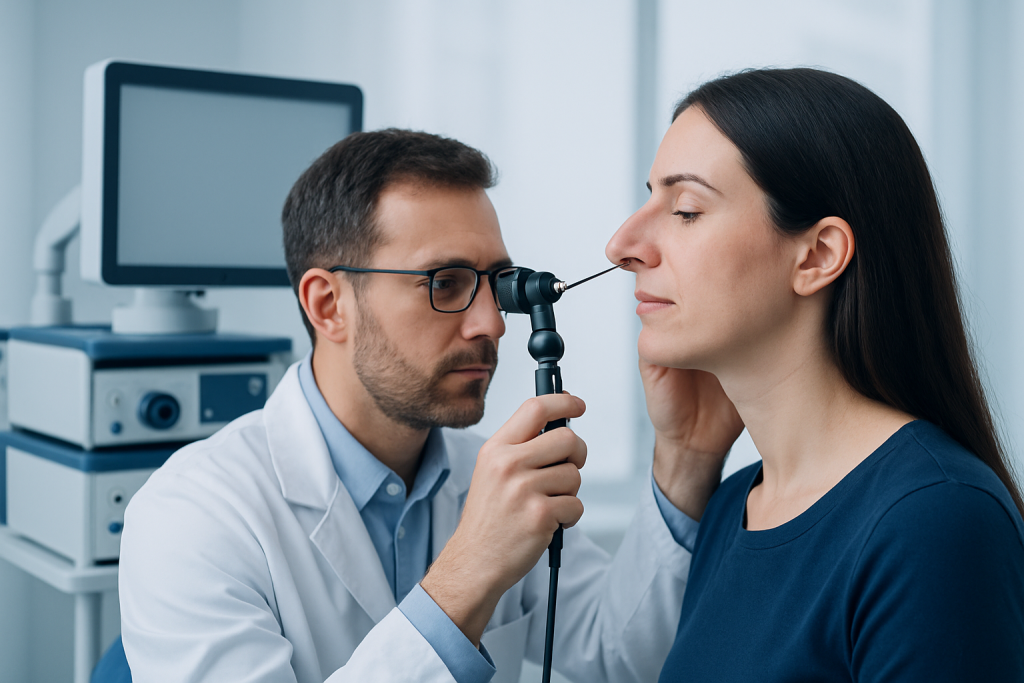
A physical examination helps clarify the nasal framework. The doctor may look at the bridge, tip, nostrils, skin thickness, and alignment of the septum. In some cases, a nasal endoscopy is used to see the internal passageways more clearly. If trauma is suspected or if the anatomy is complex, imaging may be considered, although it is not needed for every patient.
For patients considering cosmetic surgery, discussion also includes facial proportions, skin quality, and realistic goals. Photos or digital simulations may be used as communication tools, not promises of a final result. For international patients, this stage is especially important because it helps determine whether treatment can be done safely during a short stay or whether longer follow-up will be needed.
Treatment Options
Not every big nose needs treatment. Some people decide that no medical step is necessary once they understand that their nose is within normal human variation. Others want improvement in appearance, function, or both, and treatment is tailored to those goals.
When the main concern is cosmetic, rhinoplasty is the standard surgical option. Depending on the anatomy, the procedure may reduce a hump, refine the tip, narrow the bridge, reshape the nostrils, or improve balance between the nose and other facial features. In cases where breathing is also affected, septoplasty or functional nasal surgery may be performed at the same time to improve airflow.
In selected situations, non-surgical approaches may be discussed, such as fillers to smooth small contour irregularities. These methods do not reduce actual nose size and are not suitable for every anatomy. They also require careful judgment because the nasal area has important blood vessels and should only be treated by experienced professionals.
- Observation and reassurance when no treatment is needed
- Rhinoplasty for cosmetic reshaping
- Septoplasty or functional nasal surgery for airflow problems
- Scar Revision Surgery: When Can It Improve Scar Appearance?" class="ahp-ilk">Revision surgery in selected cases after prior procedures
- Limited non-surgical contour correction in carefully chosen patients
The best option depends on nasal structure, skin thickness, age, healing potential, and the person’s priorities. A thorough consultation helps avoid overcorrection and supports a result that looks natural rather than altered.
Prevention & Self-care
Most nose shape is not something a person can prevent, because it is largely inherited. Still, there are practical ways to protect nasal structure and reduce avoidable changes. Wearing seatbelts, using appropriate protective gear during sports, and seeking evaluation after facial trauma can help prevent lasting deformity.
For people who are considering treatment, self-care starts with clear expectations. It helps to focus on what specifically feels disproportionate: bridge height, tip shape, nostril width, or overall profile. Bringing a list of concerns and photos that illustrate the issue can make consultation more productive, especially when the patient is coordinating care from another country.
After surgery or other intervention, the recovery plan should be followed closely. General advice often includes protecting the nose from pressure, avoiding heavy activity until cleared, and attending follow-up visits even if the patient has traveled home. Swelling can take time to settle, so patience is an important part of healing.
Supportive habits such as not smoking, managing allergies, and keeping nasal passages moist when advised can also help comfort during healing. Any post-treatment change in breathing, bleeding, fever, or increasing pain should be reported to the care team promptly.
When to See a Doctor
A doctor’s evaluation is worthwhile when a prominent nose is accompanied by symptoms that suggest structural or functional concerns. This includes persistent nasal blockage, one-sided breathing difficulty, changes after an injury, frequent nosebleeds, or signs of chronic sinus issues. It is also reasonable to seek advice when the concern is primarily cosmetic but is affecting confidence or quality of life.
Urgent evaluation is appropriate after a significant facial injury, especially if there is severe pain, obvious deformity, uncontrolled bleeding, or trouble breathing. A sudden change in the nose after trauma should not be ignored, because prompt care may reduce the chance of long-term problems.
For patients exploring treatment abroad, choosing a qualified team is just as important as choosing the procedure. Acibadem Health Point’s multidisciplinary specialists and JCI-accredited hospitals can diagnose and treat nasal concerns for international patients, with coordinated care that supports both the procedure and the recovery plan.
In the end, a big nose is often a normal facial characteristic, but it can also signal a treatable structural issue. A careful, respectful consultation helps people decide whether reassurance, functional care, or cosmetic treatment is the right next step.
Recovery and Follow-up
Recovery depends on the type of treatment performed. After rhinoplasty or combined functional surgery, swelling and bruising are common at first and usually improve gradually. The nose often continues to refine over time, so the early appearance is not the final result.
Follow-up visits allow the specialist to check healing, breathing, and symmetry. This is especially important for travelers, because a treatment plan should include clear guidance on when it is safe to fly, how to manage the first days after discharge, and what signs should trigger contact with the clinic from abroad.
Healing is usually smoother when the patient protects the nose from accidental bumps, sleeps as advised, and avoids activities that place pressure on the face. Questions about persistent swelling, a change in airflow, or unexpected discomfort should be discussed rather than guessed at from home.
Living Well With Nasal Appearance Concerns
Concerns about nose size can feel personal because the nose sits at the center of the face and is often reflected back in mirrors, photos, and video calls. A sensitive discussion with a specialist can help separate facial preference from actual medical need. That distinction matters, because it supports decisions that are realistic and emotionally comfortable.
Many people find that once they understand the anatomy, their anxiety decreases. Others decide to pursue treatment after carefully weighing the trade-offs. Either choice can be appropriate when it is based on accurate information, thoughtful goals, and guidance from an experienced clinician.
Patients do best when they view the process as a partnership. The specialist brings medical knowledge; the patient brings personal preferences, concerns, and expectations. Together, they can choose the path that best fits the face, the function, and the practical realities of healing.
Frequently asked questions
Is a big nose a medical problem?
Not usually. A larger nose is often a normal facial trait influenced by genetics and growth. It becomes a medical issue mainly when it is linked to breathing problems, injury, or another structural concern.
Can a nose be made smaller without surgery?
Non-surgical options may change the way the nose looks in limited ways, but they do not truly reduce nose size. They are used only in carefully selected cases and should be discussed with an experienced clinician.
What is the difference between cosmetic and functional nose surgery?
Cosmetic surgery focuses on appearance, while functional surgery aims to improve airflow. Some patients need both goals addressed in the same procedure, depending on their anatomy and symptoms.
How do doctors decide whether rhinoplasty is appropriate?
They look at nasal structure, skin thickness, breathing function, medical history, and the person’s goals. A careful consultation helps determine whether surgery is suitable and what results are realistic.
Will the nose look normal right after surgery?
No, early swelling is expected and can change the appearance for weeks or months. The nose usually settles gradually, so follow-up is important before judging the final result.
When should someone seek help after a nasal injury?
They should seek medical evaluation soon after a significant injury, especially if the nose looks crooked, bleeding is heavy, or breathing is difficult. Early assessment can help identify fractures or septal problems.
References
- American Academy of Otolaryngology–Head and Neck Surgery
- American Society of Plastic Surgeons
- Mayo Clinic
- National Health Service
- Cleveland Clinic
This article is for general information only and is not a substitute for professional medical advice. Please consult a qualified doctor about your individual situation.
More from the Health Library



Related Specialists

Dr. Serkan Tokgönül
Aesthetic Plastic & Reconstructive Surgery
Dr. Ömercan Yağız Öksüz
Aesthetic Plastic & Reconstructive Surgery
Prof. Dr. Mehmet Veli Karaaltın
Aesthetic Plastic & Reconstructive Surgery
Dr. Nezail Demirciler
Plastic, Reconstructive and Aesthetic Surgery