Uveitis: Symptoms, Causes and Treatment

Key Takeaways
- Uveitis is inflammation that affects one or more parts of the eye and may develop suddenly or gradually.
- Common symptoms include eye pain, redness, blurred vision, floaters, and sensitivity to light.
- It can be linked to infections, autoimmune conditions, injury, or sometimes no clear cause.
- Diagnosis usually requires a detailed eye examination and may involve blood tests or imaging to look for an underlying trigger.
- Treatment often includes anti-inflammatory eye drops or other medicines, along with care for any associated condition.
- Prompt assessment helps reduce the risk of complications such as glaucoma, cataract, or vision loss.
Medically reviewed by the Acıbadem clinical team — August 19, 2026
Uveitis is inflammation inside the eye that can cause pain, light sensitivity, blurred vision, and redness. Because it can threaten vision if untreated, timely evaluation by an eye specialist is important.
Overview
Uveitis refers to inflammation inside the eye, usually affecting the uvea, the layer that includes the iris, ciliary body, and choroid. In practical terms, it is not a single disease but a group of inflammatory eye conditions that can vary widely in severity, cause, and treatment needs.
Some cases are short-lived and respond well to treatment, while others may be recurring or linked to an autoimmune condition elsewhere in the body. The key point for patients is that eye inflammation should not be ignored, especially when it comes with pain, light sensitivity, blurred vision, or floaters.
For people traveling for care, uveitis can feel especially unsettling because symptoms may begin suddenly while away from home. In that situation, an ophthalmology team can help confirm whether the inflammation is isolated to the eye or part of a broader medical issue that needs coordinated follow-up after return travel.
Symptoms
Symptoms depend on which part of the eye is inflamed and how active the inflammation is. Anterior uveitis, which affects the front of the eye, often causes redness, eye pain, and sensitivity to light. Vision may become blurry, and the eye may feel tender or achy rather than itchy.
Other forms can be less obvious at first. Intermediate and posterior uveitis may cause floaters, hazy vision, reduced side vision, or trouble seeing clearly in low light. In some people, symptoms develop in one eye; in others, both eyes are affected.
- Eye redness
- Blurred or reduced vision
- Eye pain or discomfort
- Light sensitivity
- Floaters or dark specks
- Tearing or a feeling of pressure
Because symptoms can resemble conjunctivitis, migraine-related visual changes, or dry eye, a proper eye examination is needed rather than assuming the cause from appearance alone.
Causes & Risk Factors

Uveitis can occur after an infection, following an injury to the eye, or alongside an autoimmune or inflammatory condition. In many patients, the immune system becomes overactive and targets eye tissue, sometimes as part of a wider condition such as rheumatoid arthritis, ankylosing spondylitis, psoriatic disease, inflammatory bowel disease, or sarcoidosis.
Infections can also trigger uveitis. Depending on the situation, clinicians may consider viral, bacterial, fungal, or parasitic causes, especially when the clinical pattern suggests an infectious process. Less often, it can appear after eye surgery or trauma.
Risk is higher in people with a personal or family history of autoimmune disease, those with prior episodes of eye inflammation, and individuals with certain infections or immune-related disorders. Still, uveitis can occur without a clear cause, and a missing trigger does not make the inflammation any less real or important.
Diagnosis
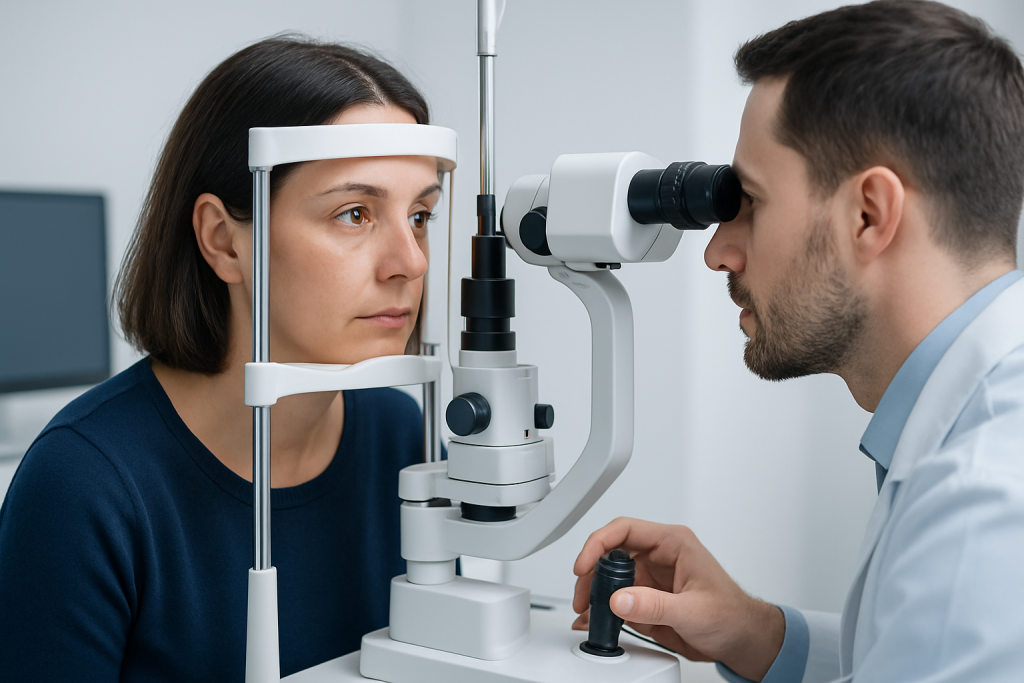
Diagnosis usually begins with a detailed eye history and a slit-lamp examination, which allows the ophthalmologist to look closely at the front structures of the eye. The doctor may also check eye pressure, examine the retina, and assess how well the pupils respond to light.
When the cause is not immediately clear, additional tests may be recommended to look for infection or systemic inflammation. These can include blood tests, imaging, or referrals to other specialists such as rheumatologists or infectious disease physicians. The exact workup depends on the pattern of inflammation, the patient’s symptoms, age, and medical background.
For international patients, diagnosis may need to move quickly so treatment can start before travel plans are disrupted further. A well-organized eye team can document findings, explain the likely type of uveitis, and provide a follow-up plan that can be shared with the patient’s doctor at home.
Treatment Options
Treatment is aimed at calming inflammation, easing symptoms, and protecting vision. Corticosteroid eye drops are commonly used for inflammation in the front of the eye, while more severe or deeper inflammation may require oral medicines, injections, or other specialist-directed therapies. If pressure inside the eye rises, additional treatment may be needed to protect the optic nerve.
When an infection is the underlying cause, treatment focuses on the specific infection, sometimes alongside anti-inflammatory care. If uveitis is linked to an autoimmune condition, managing that condition can help reduce flare-ups and improve long-term control. In some cases, immunomodulatory medicines are used under specialist supervision when inflammation is recurrent or difficult to control.
Follow-up visits matter because treatment often needs adjustment as the eye heals. The doctor may taper medicines gradually, monitor for side effects, and check for complications such as cataract, glaucoma, or swelling of the retina. This stepwise care is especially important for patients who will be continuing treatment in another country, where clear records and a coordinated handoff can make a real difference.
Prevention & Self-care
Not every case of uveitis can be prevented, especially when it is related to immune activity or a condition that is not yet diagnosed. Still, patients can support eye health by keeping follow-up appointments, taking prescribed medicines exactly as directed, and informing the care team about any history of autoimmune disease or prior eye inflammation.
During recovery, it is sensible to protect the eye from bright light if it is painful, avoid rubbing the eye, and use any recommended drops consistently. Patients should also tell their doctor about new symptoms such as increasing redness, worsening pain, more floaters, or a sudden drop in vision, as these may signal active inflammation or a complication.
- Attend all follow-up visits, even if symptoms improve
- Use medicines only as prescribed by the eye specialist
- Share a full list of medications and immune-related conditions
- Protect the eyes from strong light if sensitivity is present
- Seek advice before travel if treatment is ongoing
When to See a Doctor
Any new eye pain, light sensitivity, floaters, or blurred vision deserves prompt medical assessment, especially if the symptoms come on suddenly. Uveitis can worsen without obvious warning, and early treatment helps reduce the chance of lasting damage.
Patients should seek urgent eye care if the vision becomes noticeably worse, the eye is very painful, or redness is accompanied by fever, recent infection, or eye injury. If uveitis has already been diagnosed, a return of symptoms after treatment should also be reported quickly.
For people arranging care from abroad, it is reasonable to contact a specialist as soon as symptoms begin rather than waiting for travel to end. Acibadem Health Point’s multidisciplinary specialists and JCI-accredited hospitals diagnose and treat uveitis for international patients, with attention to both the eye findings and any underlying condition that may need follow-up.
Living with Uveitis
Uveitis can be a one-time episode, but it can also be a recurring condition that needs long-term monitoring. Patients often do best when they understand their specific type of inflammation, the reason for each medicine, and the signs that should prompt another eye check.
Good communication becomes especially valuable when care spans more than one country. Keeping copies of test results, medication lists, and clinic notes can make future follow-up smoother, whether the next visit happens locally or after returning home.
With timely diagnosis, appropriate treatment, and regular monitoring, many people are able to control uveitis and protect their vision. The goal is not only to quiet the current flare, but also to reduce the chance of repeated inflammation and preserve everyday sight over time.
Frequently asked questions
What is uveitis in simple terms?
Uveitis is inflammation inside the eye. It can affect different eye layers and may cause pain, redness, blurred vision, light sensitivity, or floaters.
Is uveitis contagious?
No, uveitis itself is not contagious. However, certain infections that can lead to uveitis may be infectious, so a doctor may look for an underlying cause.
Can uveitis go away on its own?
Some mild episodes may settle, but many cases need treatment to prevent complications. Because it can affect vision, it is safer to have it assessed rather than waiting it out.
What complications can uveitis cause?
If inflammation is not controlled, it can lead to glaucoma, cataract, retinal swelling, or permanent vision loss. Early treatment lowers the risk of these problems.
How is uveitis different from conjunctivitis?
Conjunctivitis usually affects the outer surface of the eye and often causes discharge and itching. Uveitis involves deeper eye inflammation and more often causes pain, light sensitivity, and blurred vision.
Will I need tests for the cause of uveitis?
Possibly. If the cause is not obvious from the eye exam, the doctor may order blood tests, imaging, or specialist referrals to check for infection or autoimmune disease.
References
- American Academy of Ophthalmology
- National Eye Institute
- NHS
- Mayo Clinic
- World Health Organization
This article is for general information only and is not a substitute for professional medical advice. Please consult a qualified doctor about your individual situation.
Explore treatments in Turkey — costs, top hospitals & a free quote
JCI-accredited · board-certified surgeons · reply within 24h
Add us as a Preferred Source to see more of our trusted health content across Google Search, AI Overviews and Discover.