Toradol Shot: Uses, Dosage and Side Effects

Key Takeaways
- A Toradol shot contains ketorolac, a nonsteroidal anti-inflammatory drug used for short-term pain relief.
- It is usually reserved for situations where stronger short-term relief is needed and other options may not be enough.
- The medicine can irritate the stomach, affect the kidneys, and increase bleeding risk in some people.
- Toradol is not meant for long-term use or for repeated pain control without medical supervision.
- Medical history, other medicines, and hydration status matter when deciding whether it is appropriate.
Medically reviewed by the Acıbadem clinical team — August 19, 2026
A Toradol shot is a prescription pain-relief injection commonly used for short-term treatment of moderate to severe pain. This guide explains how it works, who may benefit, possible risks, and what patients should know before and after treatment.
Overview
A Toradol shot is an injection form of ketorolac, a nonsteroidal anti-inflammatory drug, or NSAID. It is used for short-term relief of moderate to severe pain when a clinician wants a non-opioid option that works quickly. In many settings, it is given in an emergency department, after a procedure, or during an acute pain episode where rapid assessment and treatment are needed.
For patients deciding on care from another country, the practical question is often not just whether pain should be treated, but which treatment is safe enough to receive while traveling, recovering, or planning the next step. A Toradol shot may be helpful in selected situations, but it is not a universal pain solution. The decision depends on the cause of pain, recent medications, kidney and stomach health, and whether any bleeding risk is present.
Because ketorolac can carry meaningful side effects, it is generally used for a limited time and under medical supervision. It is one tool among several, and the right choice depends on the full clinical picture rather than pain intensity alone.
Symptoms and Common Uses
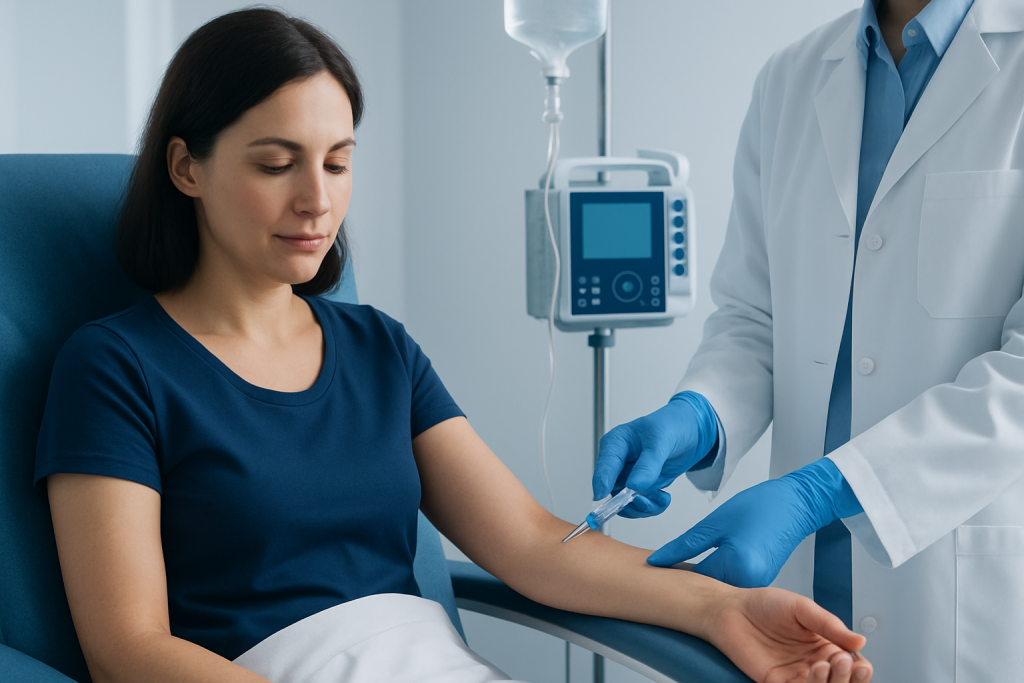
Toradol does not treat a disease itself; it is used to reduce pain and inflammation. Clinicians may consider it for sudden musculoskeletal pain, pain after a procedure, kidney stone pain, migraine-related pain in some settings, or other acute pain situations when an NSAID is appropriate. The shot is often chosen when oral medication is not practical or when faster relief is needed.
Patients may notice pain easing within a relatively short time after the injection, although the exact response varies by person and by the reason for pain. The goal is to make movement, rest, or further evaluation more manageable while the underlying problem is addressed. It is not intended to mask a serious condition without investigation.
Common reasons clinicians avoid Toradol include a history of stomach ulcers, active bleeding, significant kidney disease, severe dehydration, or use of other medicines that raise bleeding risk. In international patient care, this is why sharing a complete medication list and recent medical history is so important before treatment begins.
Causes and Risk Factors

The need for a Toradol shot usually arises from acute pain, not from a single diagnosis. The pain may come from inflammation, tissue injury, surgical recovery, a stone passing through the urinary tract, or another short-term event that is painful enough to require prescription treatment. The medicine is designed to interrupt pain and inflammation temporarily while the underlying issue is evaluated.
Risk factors for side effects are tied more to the patient’s health profile than to the pain itself. People with kidney problems, stomach irritation, a history of ulcers, bleeding disorders, asthma that worsens with NSAIDs, or low fluid intake may face higher risk. Older adults and people taking blood thinners, aspirin, steroids, or certain antidepressants may also need extra caution.
Another practical issue is timing. Ketorolac is not usually the best choice if a patient has already taken another NSAID, is preparing for surgery, or will need repeated doses without careful monitoring. Clinicians weigh these details carefully because the benefit of quick Sciatica Pain Relief: Treatments and Self-Care" class="ahp-ilk">pain relief must be balanced against the possibility of harm.
Diagnosis and Evaluation Before the Shot
A clinician does not decide on Toradol based on pain alone. The evaluation usually starts with the cause, severity, and duration of pain, along with a review of recent medicines, allergies, kidney history, stomach symptoms, and any bleeding concerns. A brief physical examination and targeted questions often guide whether an NSAID injection is suitable.
Depending on the situation, a doctor may order tests such as kidney function studies, pregnancy testing when relevant, or imaging if a more serious cause of pain needs to be ruled out. This step is especially important for patients arriving from abroad, because records from home may be incomplete or in a different format. Clear communication helps the care team avoid overlapping medications or missed contraindications.
Sometimes the evaluation reveals that another treatment is safer, such as acetaminophen, a different anti-inflammatory strategy, fluids, rest, or a targeted procedure. Good pain care is not about using the strongest option; it is about matching the treatment to the problem with the least avoidable risk.
Treatment Options
A Toradol shot is one part of a broader pain-management plan. It may be given in a muscle or vein, depending on the setting and the clinical judgment of the team. The medicine is usually meant for short-term use only, and clinicians may limit how long ketorolac is used because the risk of side effects increases with longer exposure.
Other pain treatments may be more appropriate depending on the diagnosis. These can include rest, ice or heat, physical support, hydration, treatment for infection, migraine-specific therapy, or a different prescription medicine. In some cases, pain relief is combined with evaluation for a definitive treatment, such as a procedure or surgery.
Patients should not use Toradol as a routine self-treatment for recurring pain unless a doctor has specifically advised it. It is also important not to combine it casually with other NSAIDs such as ibuprofen or naproxen unless a clinician confirms that this is safe. When traveling home after care, the plan should include clear instructions on what to take next, what to avoid, and when to seek follow-up.
If pain is severe enough to interfere with walking, eating, sleeping, or basic recovery, the treatment plan may need to be adjusted. In a well-organized international care pathway, a multidisciplinary team can help decide whether a patient needs imaging, specialist review, medication adjustment, or a different form of pain control.
Prevention and Self-care
Not every painful episode can be prevented, but some risks can be reduced. Patients who know they are sensitive to NSAIDs should tell every clinician before receiving any injection or tablet for pain. Bringing a written medication list, including over-the-counter products and supplements, can prevent accidental duplication of medicines that increase bleeding or stomach irritation.
After a Toradol shot, self-care depends on the reason for treatment and the doctor’s instructions. Staying hydrated, resting as advised, and avoiding alcohol or extra NSAIDs may be recommended. If the pain came from a strain or minor injury, gentle movement may be introduced later as tolerated, but only after the clinician is satisfied that a more serious cause has been excluded.
- Tell the care team about ulcers, kidney disease, asthma triggered by pain medicines, or bleeding problems.
- Ask whether acetaminophen or another option is safer for ongoing pain control.
- Do not restart multiple pain medicines at once without guidance.
- Keep follow-up plans clear, especially if you will continue care in another country.
For international patients, a good discharge plan should be simple enough to follow after travel. It helps when instructions clearly state which symptoms are expected, which medicines to continue, and which changes should prompt medical review.
When to See a Doctor
Medical review is needed if pain is severe, not improving, or returning quickly after treatment. It is also important to seek care promptly if the original cause of pain is still unclear, since Toradol may reduce symptoms without solving the underlying problem. A follow-up visit may be especially useful if pain limits daily activities or recovery after a procedure is slower than expected.
Get urgent medical attention if there are signs of a serious reaction or complication, such as black or bloody stools, vomiting blood, unusual bruising, shortness of breath, swelling of the face or throat, very little urine, severe dizziness, or worsening abdominal pain. These symptoms do not occur in most patients, but they should not be ignored.
Patients who are pregnant, have kidney disease, have had stomach ulcers, or take blood thinners should speak with a clinician before receiving Toradol or any similar pain medicine. Acibadem Health Point’s multidisciplinary specialists and JCI-accredited hospitals can help diagnose and treat pain conditions for international patients when coordinated evaluation and follow-up are needed.
Recovery and Follow-up
After a Toradol shot, the next steps depend on what caused the pain and whether the injection was meant to bridge the patient to another treatment. Some people feel well enough to continue recovery at home, while others need further tests or a specialist appointment. The key is not to assume that pain relief equals full recovery.
Follow-up is especially important if pain returns once the medicine wears off, if the diagnosis is uncertain, or if the patient is leaving the country soon. A clear summary of the visit, test results, and medication plan can make later care safer and easier to continue. This is one of the most useful parts of international patient coordination.
Patients should keep track of how their pain changes, whether new symptoms appear, and whether they can eat, drink, urinate, and move normally. These details help the next clinician decide whether the original plan was enough or whether another evaluation is needed.
Frequently asked questions
What is a Toradol shot used for?
A Toradol shot is used for short-term relief of moderate to severe pain. It is often chosen when a non-opioid medicine is appropriate and a faster effect is needed. It does not treat the underlying cause of pain, so evaluation may still be necessary.
How quickly does Toradol work?
Many patients notice pain relief within a relatively short time after the injection, but the exact timing varies. The response depends on the cause of pain, the dose prescribed by the clinician, and the individual patient’s condition. The medicine is usually used as a temporary bridge rather than a long-term solution.
Is Toradol the same as ibuprofen?
Both are NSAIDs, but they are not the same medicine. Toradol contains ketorolac and is generally reserved for short-term, prescription use because it can carry more risk if used improperly. A clinician should decide which NSAID, if any, is appropriate.
Who should avoid a Toradol shot?
People with kidney disease, active stomach ulcers, a high bleeding risk, or a history of NSAID-sensitive asthma may need to avoid it. It may also be unsuitable for those who are dehydrated, pregnant, or already taking certain medicines that increase bleeding risk. A doctor should review the full medical history before giving the injection.
Can Toradol be taken with other pain medicines?
It depends on the other medicine. Toradol should not usually be combined casually with other NSAIDs such as ibuprofen or naproxen, because that can raise the risk of side effects. A clinician can advise whether acetaminophen or another option is safer.
What side effects should patients watch for after a Toradol shot?
Common concerns include stomach irritation, nausea, dizziness, and pain at the injection site. More serious warning signs include black stools, vomiting blood, shortness of breath, severe swelling, or reduced urine. If any of these occur, medical care should be sought promptly.
References
- U.S. Food and Drug Administration
- National Institute of Health MedlinePlus
- Mayo Clinic
- NHS
- Merck Manual Consumer Version
This article is for general information only and is not a substitute for professional medical advice. Please consult a qualified doctor about your individual situation.
Persistent digestive symptoms? Get evaluated in Turkey
JCI-accredited · board-certified surgeons · reply within 24h
Add us as a Preferred Source to see more of our trusted health content across Google Search, AI Overviews and Discover.