

Tommy John Surgery

Key Takeaways
- Tommy John surgery treats injuries to the ulnar collateral ligament in the elbow.
- Symptoms often include pain on the inner side of the elbow, reduced throwing strength, and a sense of instability.
- Not every tear requires surgery; rest, physical therapy, and activity changes may be enough for some patients.
- Recovery is gradual and depends on the extent of injury, the procedure performed, and rehabilitation consistency.
- Early medical evaluation helps protect elbow function and guide the safest treatment plan.
Tommy John surgery is a procedure used to repair or reconstruct the ulnar collateral ligament in the elbow, most often after a tear that causes pain, weakness, or loss of throwing ability. With proper diagnosis, individualized treatment, and steady rehabilitation, many people can return to daily activities and, in some cases, sports.
Overview
Tommy John surgery is the common name for a procedure that repairs or reconstructs the ulnar collateral ligament, often called the UCL, in the elbow. This ligament helps stabilize the joint during throwing, lifting, and other forceful arm movements. When it is damaged, the elbow may feel painful, weak, or unreliable, especially during activities that place repeated stress on the inside of the joint.
The operation became widely known because of its use in overhead athletes, especially baseball pitchers, but the injury is not limited to sports. People who work with repetitive arm motions, those who have trauma to the elbow, and patients with long-term wear and tear can also develop UCL problems. A careful orthopedic evaluation helps determine whether surgery is the right step or whether non-surgical care should be tried first.
For international patients, the decision to travel for treatment often depends on the complexity of the injury, access to elbow specialists, and the expected rehabilitation plan after surgery. Because recovery is structured and time-sensitive, it is important to understand both the operation itself and the follow-up care needed after returning home.
Symptoms
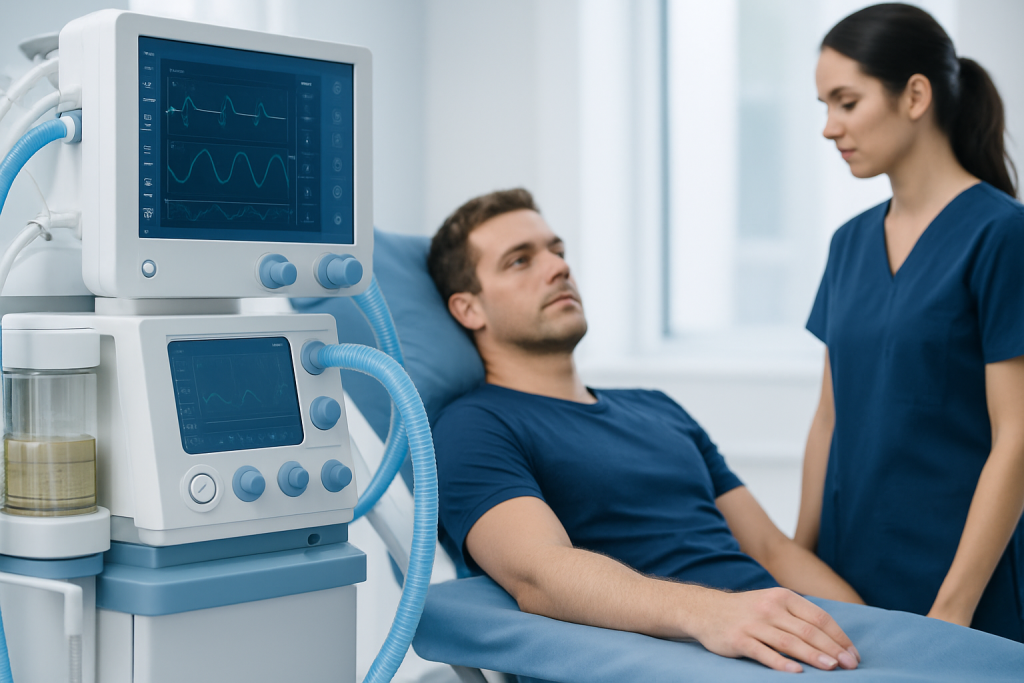
UCL injury usually announces itself through pain on the inner side of the elbow. The discomfort may begin gradually during throwing or other overhead activity, then become more noticeable with continued use. Some people describe a sharp sensation during a pitch, a pull during lifting, or a deep ache that lingers after practice or work.
Other common symptoms include reduced velocity or accuracy when throwing, a feeling that the elbow is not stable, and difficulty continuing repetitive arm tasks. Swelling, stiffness, or tenderness along the inside of the joint may also appear. In some cases, tingling in the ring and little fingers can occur if nearby nerves are irritated.
Symptoms are not always dramatic at first. Many patients notice performance changes before they notice significant pain, which is one reason elbow injuries can become more severe if they are ignored. A timely assessment is useful when a person starts adapting their movement to avoid discomfort.
Causes & Risk Factors
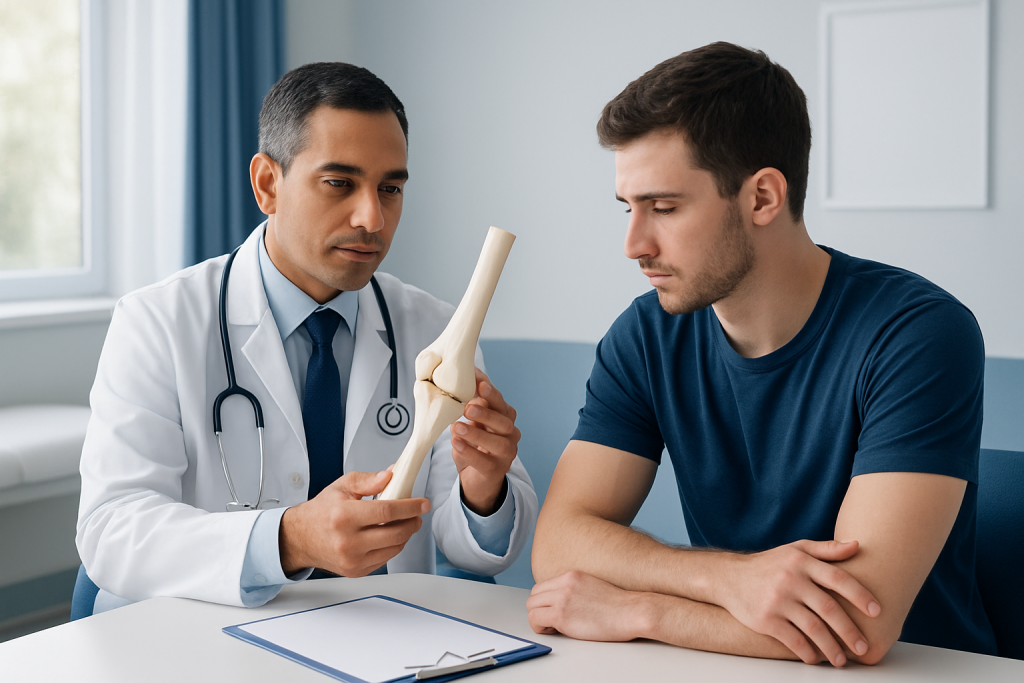
The UCL is stressed most during motions that force the elbow to open toward the outside, especially high-speed throwing. Repeated overhead activity can gradually weaken the ligament until small tears develop or a more complete rupture occurs. A single injury, such as a fall onto the arm or a sudden twist, can also damage the ligament.
Risk is higher in athletes who throw frequently, increase intensity too quickly, or play through pain without enough recovery time. Poor mechanics, muscle imbalance, and inadequate conditioning may add strain to the elbow. Outside of sports, occupations or hobbies that involve repeated forceful arm use can contribute to injury over time.
Age, previous elbow injury, and the overall condition of the surrounding muscles and tendons also matter. In some patients, ligament damage is part of a broader elbow problem that includes nerve irritation or bone stress. Understanding these factors helps the care team decide whether conservative treatment or surgery is most appropriate.
Diagnosis
Diagnosis begins with a detailed history and physical examination. A doctor will ask about the onset of symptoms, sports participation, throwing frequency, prior injuries, and what activities make the elbow hurt. During the exam, the clinician may test stability, tenderness, and range of motion.
Imaging is often used to clarify the extent of injury. X-rays can help rule out bone problems or other causes of pain, while MRI is commonly used to evaluate the ligament and nearby soft tissues. In some situations, ultrasound or specialized imaging techniques may help show how the elbow behaves during movement.
Not every sore elbow needs surgery or advanced imaging right away. A thoughtful diagnosis looks at the whole picture, including function, goals, and how the injury affects work or sport. This is especially important for patients traveling for care, since the treatment plan should be clear before any procedure is scheduled.
Treatment Options
Not all UCL injuries require Tommy John surgery. Mild or partial tears may improve with rest, physical therapy, activity modification, bracing, and a gradual return to throwing or lifting. The care plan depends on the severity of the tear, the person’s symptoms, and how much stability is lost in the elbow.
When surgery is recommended, the surgeon may reconstruct the ligament using a tendon graft from elsewhere in the body or, in selected cases, repair the ligament directly. Reconstruction is the better-known option and is often used when the ligament is too damaged to be stitched back together reliably. The operation is tailored to the injury pattern and the patient’s goals.
After surgery, rehabilitation is just as important as the procedure itself. Recovery usually progresses through protected motion, strengthening, and eventually sport-specific or job-specific training. The timetable varies widely, and returning too soon can slow healing, so patients should follow the rehabilitation plan given by their orthopedic team.
- Short-term goals may include pain control and protecting the repair.
- Middle-phase goals often focus on regaining motion and rebuilding strength.
- Later stages typically add coordination, endurance, and technique work.
Prevention & Self-care
While no strategy can prevent every elbow injury, sensible habits can reduce strain on the UCL. Athletes benefit from proper warm-up, sound throwing mechanics, and enough rest between intense sessions. Gradual training increases are safer than sudden spikes in volume or intensity.
Strengthening the shoulder, forearm, core, and upper back may improve how force is shared across the arm. For people who use their arms repetitively at work, ergonomic changes and scheduled breaks can also lower stress on the elbow. Paying attention to early discomfort is one of the most practical forms of self-care.
After diagnosis or surgery, self-care means following instructions carefully, attending rehabilitation, and avoiding the temptation to “test” the elbow too early. If the patient is recovering abroad, written rehab instructions and a clear follow-up plan are especially valuable so that care continues smoothly after travel. Consistency matters more than speed during recovery.
When to See a Doctor
Medical evaluation is recommended if inner-elbow pain lasts more than a few days, keeps returning, or limits throwing, lifting, or daily tasks. A doctor should also be seen if the elbow feels unstable, if there is a sudden pop during activity, or if swelling and weakness develop after an injury.
Prompt assessment is especially important for athletes and active individuals whose performance changes even before severe pain appears. Early diagnosis can prevent a partial injury from becoming more advanced and can help preserve long-term elbow function. The earlier the problem is identified, the more treatment options are usually available.
People who are considering surgery should discuss expected recovery time, rehabilitation access, and follow-up appointments before making travel plans. Acibadem Health Point’s multidisciplinary specialists and JCI-accredited hospitals can diagnose and treat this condition for international patients, with care coordinated around the full recovery journey.
Frequently asked questions
What exactly does Tommy John surgery repair?
It repairs or reconstructs the ulnar collateral ligament in the elbow, which helps keep the joint stable. The procedure is used when the ligament is torn or too damaged to function properly. The best approach depends on the severity and location of the injury.
Does every UCL injury need surgery?
No. Some partial tears improve with rest, physical therapy, bracing, and changes in activity. Surgery is usually considered when the ligament is badly torn, symptoms persist, or the elbow remains unstable.
How long does recovery take after Tommy John surgery?
Recovery is gradual and often measured in months, not weeks. The exact timeline depends on the type of repair, the person’s overall health, and how well rehabilitation progresses. A surgeon or physical therapist can give a more personalized estimate.
Can non-athletes need Tommy John surgery?
Yes. Although the procedure is famous in throwing sports, it can also help people whose elbows are injured by trauma or repeated strain from work or hobbies. The indication is based on the ligament injury, not on athletic status alone.
What should a patient expect during rehabilitation?
Rehabilitation usually begins with protecting the elbow, then gradually restores motion, strength, and coordination. Later stages may include more demanding exercises and activity-specific training. Following the plan closely is important for a safe recovery.
When should elbow pain be checked by a doctor?
Pain that keeps coming back, limits activity, or is associated with instability should be evaluated. A sudden pop, swelling, or weakness after an injury also deserves medical attention. Early review can help guide treatment before the injury worsens.
References
- American Academy of Orthopaedic Surgeons
- Mayo Clinic
- Cleveland Clinic
- American Sports Medicine Institute
- National Institute of Arthritis and Musculoskeletal and Skin Diseases
This article is for general information only and is not a substitute for professional medical advice. Please consult a qualified doctor about your individual situation.
More from the Health Library



Related Specialists
Assoc. Prof. Dr. Caner Baran
Andrology
Dr. Serkan Ünsal
Intensive Care
Dr. Mahmoud Aljobbeh
Emergency Service
Prof. Dr. Javad Parvizi
Orthopedic Surgery & Traumatology