Celibacy

Key Takeaways
- Celibacy can mean different things for different people, from temporary abstinence to a long-term lifestyle choice.
- It does not harm physical health by itself, but emotional, relational, and sexual health needs may still matter.
- People may choose celibacy for spiritual, personal, cultural, relationship, or recovery-related reasons.
- Open communication, self-awareness, and support can help make celibacy feel more intentional and sustainable.
- A doctor or mental health professional can help if celibacy is linked to distress, trauma, low mood, pain, or relationship concerns.
Celibacy is a personal choice or life practice that involves not engaging in sexual activity, either for a period of time or longer. Its effects can vary widely depending on a person’s reasons, values, relationships, and overall health.
Overview
Celibacy is the choice to avoid sexual activity. For some people, it is a temporary decision made during a particular chapter of life; for others, it is a long-term commitment tied to personal values, faith, healing, or identity. The term is sometimes used interchangeably with sexual abstinence, although people may use it in slightly different ways depending on context.
Because the reasons behind celibacy vary, its meaning is best understood in personal rather than medical terms. One person may choose celibacy while focusing on education, travel, or recovery after a difficult relationship. Another may see it as part of a spiritual path or a way to protect emotional energy. There is no single “correct” version of celibacy, only the one that fits the individual’s life and goals.
From a health perspective, celibacy is not inherently harmful. The important question is how it affects the person living it: whether it feels grounding and intentional, or whether it brings loneliness, pressure, shame, or unresolved questions. That distinction often guides whether the person can continue comfortably or would benefit from extra support.
What Celibacy Can Feel Like in Daily Life
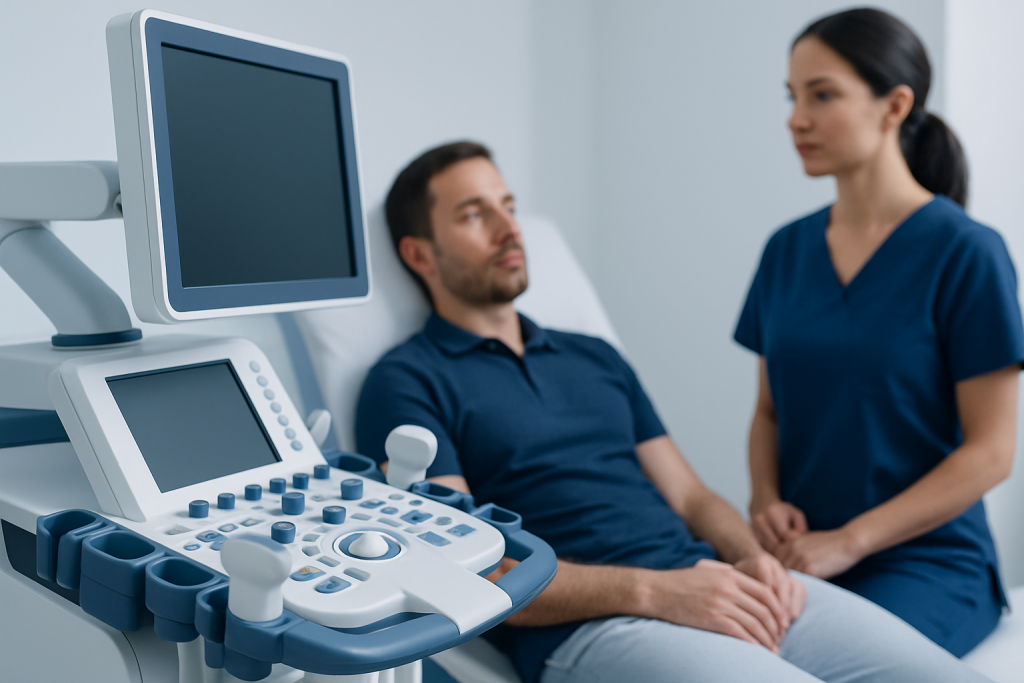
In practice, celibacy often influences more than sexual activity alone. It can shape dating choices, personal boundaries, how someone communicates with partners, and how they handle social situations where intimacy is expected. Some people feel clear and calm about these boundaries, while others need time to explain them to friends, partners, or family members.
Celibacy may also affect a person’s sense of identity. For some, it brings a feeling of discipline, clarity, or purpose. For others, it may feel more complicated, especially if their choice is connected to grief, fear, illness, cultural expectations, or a lack of safe relationships. The emotional experience is therefore just as important as the behavior itself.
In international-patient settings, this can come up when people are seeking care across countries and cultures. A person may be navigating celibacy alongside relocation, marriage plans, fertility questions, or recovery from a sexual health issue, and may need a clinician who can discuss these topics respectfully and without assumptions.
Reasons People Choose Celibacy

There are many reasons someone may choose celibacy, and the same person may have more than one. Spiritual beliefs are a common reason, but so are personal growth, emotional recovery, a wish to avoid pregnancy or sexually transmitted infections, or a desire to step back from relationships for a period of time.
Celibacy may also be chosen after a difficult experience, such as a breakup, sexual trauma, or repeated relationship stress. In those situations, the choice can be part of healing, provided it is self-directed and not rooted in fear alone. Some people use celibacy to create space for reflection before entering a new partnership.
It is also important to distinguish voluntary celibacy from sexual difficulties, loss of desire, pain with sex, or relationship avoidance. Those situations may look similar from the outside but have different causes and may need medical or psychological attention. Understanding the reason behind the choice helps determine whether it is a healthy boundary or a sign that support is needed.
Possible Health and Emotional Considerations
Celibacy itself does not damage the body. People do not need sexual activity to maintain basic physical health, and there is no medical requirement to be sexually active. However, sexual health includes more than intercourse, and some people may still have questions about desire, arousal, intimacy, or their changing body.
Emotional effects vary. Some individuals feel relief and stability, while others may notice frustration, isolation, or confusion if celibacy was not fully chosen or if it conflicts with their values and relationships. If the decision is tied to shame, fear, or past harm, emotional strain may become more noticeable over time.
For some adults, celibacy can also affect partnership dynamics. Couples may need to renegotiate expectations, intimacy, and long-term plans. Honest communication matters, because unspoken assumptions can create tension even when both people care deeply about one another.
- Celibacy does not prevent all forms of intimacy; emotional closeness, companionship, and affection may still be important.
- It does not replace the need for reproductive or sexual health counseling when those questions arise.
- If celibacy is causing significant distress, the issue may be the underlying concern rather than celibacy itself.
How Clinicians May Approach the Topic
When someone seeks medical advice about celibacy, a clinician will usually begin by listening to the person’s goals and concerns. That may include questions about sexual desire, pain, menstrual or reproductive concerns, relationship issues, trauma history, or anxiety. The purpose is not to judge the choice, but to understand whether it is voluntary, sustainable, and aligned with the person’s overall well-being.
If the person is worried about a physical symptom, the evaluation may focus on that symptom rather than celibacy alone. For example, low libido, pelvic pain, erectile concerns, or difficulty with arousal may have medical, hormonal, medication-related, or psychological causes. In those cases, a fuller assessment can help clarify what is happening.
Sometimes a doctor may suggest counseling, sexual health education, or referral to a therapist if the issue seems to involve grief, anxiety, trauma, relationship conflict, or identity stress. In travel-based care, patients often appreciate when their questions are discussed clearly and privately, especially if they are crossing cultural or language boundaries to seek help.
Supportive Ways to Practice Celibacy
Celibacy tends to be easier to sustain when it is intentional rather than vague. People often benefit from defining what celibacy means to them, what kinds of boundaries matter, and how they want to respond when circumstances change. Clear personal limits can reduce confusion and make social or dating situations feel more manageable.
It can also help to think about the broader picture of intimacy and well-being. Many people value closeness, touch, companionship, or affection even when they are not sexually active. Building a life that still includes connection, exercise, sleep, hobbies, faith practices, or supportive friendships may help protect emotional balance.
General self-care can include the following:
- Being honest with partners or potential partners about boundaries early enough to avoid misunderstandings.
- Seeking counseling if celibacy is connected to trauma, anxiety, or loss.
- Keeping up with routine sexual and reproductive health care when relevant.
- Revisiting the choice over time, since values and circumstances may change.
When to See a Doctor
Medical or mental health support can be useful when celibacy is accompanied by distress, pain, fear, or a sense of being stuck. A person may also benefit from evaluation if they are avoiding intimacy because of unresolved symptoms, a past traumatic experience, or a sudden change in sexual interest that feels concerning.
It is a good idea to speak with a clinician if there is ongoing pelvic pain, erectile dysfunction, vaginal dryness, low mood, anxiety, relationship conflict, or questions about hormones, fertility, or contraception. These concerns deserve attention regardless of whether someone is sexually active.
If a person is traveling for care, it can be helpful to prepare questions in advance and explain personal goals clearly. Acibadem Health Point’s multidisciplinary specialists and JCI-accredited hospitals support international patients who need respectful evaluation and treatment for sexual health, emotional concerns, or related medical issues.
A Final Perspective
Celibacy is best understood as a personal choice that can be meaningful, neutral, or challenging depending on the person’s circumstances. It is not a measure of health or worth, and it does not automatically signal a problem. What matters most is whether the choice feels safe, intentional, and consistent with the person’s life.
When questions arise, a calm conversation with a qualified clinician can help separate personal preference from a medical or emotional concern. That approach supports dignity, clarity, and informed decision-making, whether the person is practicing celibacy temporarily or as part of a longer-term path.
Frequently asked questions
Is celibacy the same as abstinence?
People often use the terms similarly, but the meaning can vary. Abstinence usually refers to not having sex for a period of time, while celibacy may describe a longer-term or values-based commitment.
Can celibacy affect physical health?
Celibacy does not harm the body by itself, and sexual activity is not required for general health. If someone has pain, low desire, or other symptoms, those issues should be assessed on their own merits.
Does celibacy mean a person has no sexual feelings?
Not necessarily. A person can choose celibacy and still experience attraction, desire, or intimacy needs. The choice is about behavior, not about erasing normal human feelings.
Can someone in a relationship be celibate?
Yes. Couples may choose celibacy for a period of time or as a shared relationship decision, but clear communication is important. Both people should understand the boundaries and feel comfortable with them.
When might celibacy become a concern?
It may be worth discussing with a professional if it is linked to distress, trauma, depression, pain, or a sudden change in sexual functioning. Support can help identify whether the issue is the choice itself or something underneath it.
Is it normal to change one’s mind about celibacy?
Yes. People’s needs, beliefs, and relationships can change over time, and their approach to celibacy may change too. Revisiting the decision does not mean the original choice was wrong.
References
- World Health Organization
- American Psychological Association
- Mayo Clinic
- NHS
- Planned Parenthood
This article is for general information only and is not a substitute for professional medical advice. Please consult a qualified doctor about your individual situation.
More from the Health Library



Related Specialists

Assoc. Prof. Dr. Erdem Güven (m) (g)
Plastic, Reconstructive and Aesthetic Surgery
Dr. Serdar Değer
Cardiology
Assoc. Prof. Dr. Murat Sezer
Chest Diseases
Assoc. Prof. Dr. Şule Göncü Ayhan
Gynecology & Obstetrics