Thoracic Cavity

Key Takeaways
- The thoracic cavity protects the heart, lungs, and other vital structures in the chest.
- Symptoms involving the thorax can range from shortness of breath and chest pain to coughing or reduced exercise tolerance.
- Doctors use history, examination, imaging, and sometimes breathing tests or procedures to evaluate thoracic cavity problems.
- Treatment depends on the cause and may include medication, monitoring, drainage procedures, surgery, or rehabilitation.
- Prompt medical review is important for severe chest pain, breathing difficulty, trauma, or rapidly worsening symptoms.
The thoracic cavity is the chest space that houses vital organs such as the lungs, heart, and major blood vessels. Understanding its structure and common conditions can help patients recognize symptoms early and seek timely care.
Overview
The thoracic cavity is the hollow space in the upper body between the neck and the abdomen. It is separated from the belly by the diaphragm and protected by the rib cage, which helps shield delicate organs from everyday strain and injury.
Inside this space are the lungs, heart, esophagus, trachea, major blood vessels, lymph nodes, and nerves. For patients trying to understand chest symptoms, it helps to think of the thoracic cavity as a shared workspace: if one part is inflamed, compressed, infected, injured, or not moving normally, nearby structures may also be affected.
Because the chest contains several important systems in one confined area, symptoms from the thoracic cavity can be broad and sometimes confusing. A cough, a heavy feeling in the chest, pain with breathing, or unexplained fatigue may reflect a lung problem, a heart issue, a rib or muscle injury, or a condition involving the lining around the lungs.
Symptoms
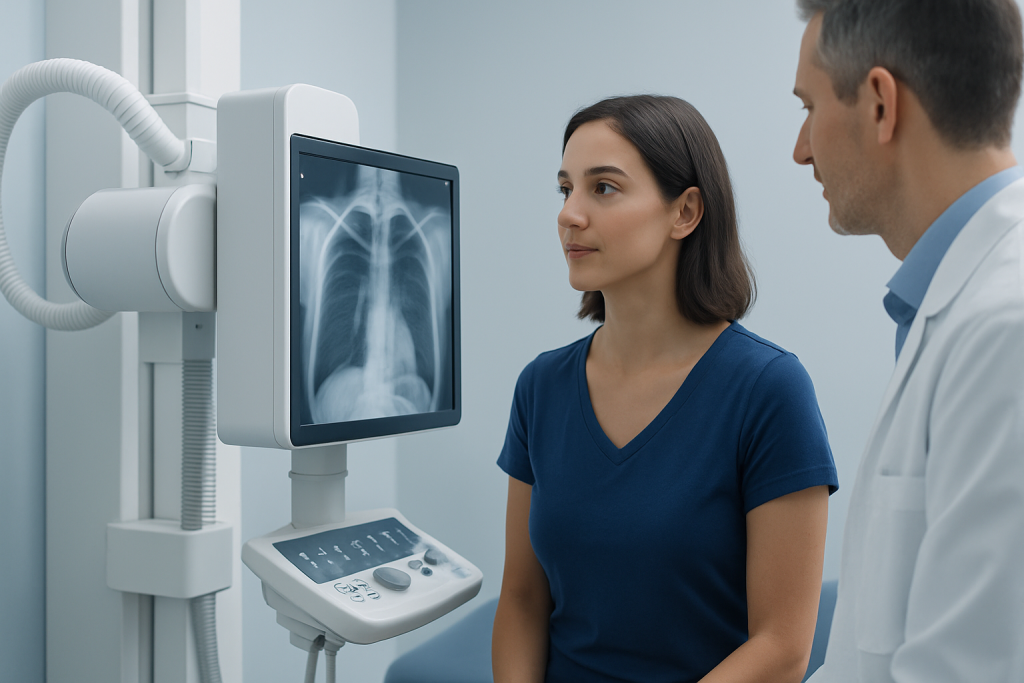
Thoracic cavity problems do not always announce themselves in the same way. Some begin with a sharp, clearly localized pain; others develop more gradually, with shortness of breath or a sense that breathing takes extra effort.
Common symptoms can include chest pain or pressure, cough, wheezing, shortness of breath, fever, palpitations, reduced stamina, or pain that worsens when taking a deep breath, twisting, or lying down. In some cases, symptoms may come from the structures around the chest rather than the lungs themselves, such as the chest wall, pleura, or diaphragm.
- Chest discomfort that changes with movement or breathing
- Coughing, sometimes with phlegm or blood
- Breathlessness during activity or at rest
- Fever, chills, or a general feeling of illness
- Swelling of the legs or bluish lips in more serious cases
For international patients, a symptom diary can be useful before traveling for evaluation. Recording when symptoms started, what makes them better or worse, and whether there was recent infection, injury, long travel, or surgery can help the medical team focus the assessment efficiently.
Causes & Risk Factors

Problems in the thoracic cavity can arise from the lungs, heart, blood vessels, chest wall, pleura, or mediastinum, the central area between the lungs. Common causes include infections such as pneumonia, asthma or chronic obstructive lung disease, pleural effusion, pneumothorax, rib injury, blood clots in the lungs, and certain tumors or enlarged lymph nodes.
Risk factors vary according to the condition. Smoking, air pollution exposure, chronic lung disease, heart disease, recent surgery, long periods of immobility, injury, and some autoimmune or inflammatory disorders can all increase the chance of chest-related illness. Age and overall health also matter, because a body recovering from major illness or surgery may have less reserve if breathing becomes difficult.
In some patients, a thoracic problem is not a disease on its own but a sign of another issue elsewhere in the body. For example, abdominal pain may occasionally refer to the chest, while heart failure can cause fluid to collect in the thoracic cavity and make breathing more difficult.
Diagnosis
Evaluation usually begins with a detailed conversation about symptoms, health history, medications, recent travel, trauma, smoking history, and prior operations. A physical examination helps the clinician listen to the lungs and heart, check oxygen levels, and look for signs of infection, fluid buildup, or chest wall tenderness.
Imaging is often central to diagnosis. Chest X-rays can show pneumonia, fluid, or collapsed lung tissue, while CT scans provide a more detailed view of the lungs, pleura, airways, blood vessels, and mediastinum. Depending on the concern, a doctor may also request ultrasound, MRI, echocardiography, blood tests, sputum analysis, pulmonary function tests, or electrocardiography.
When a fluid collection or mass is present, additional procedures such as thoracentesis or biopsy may be needed to determine the cause. For patients arriving from abroad, coordinated testing can be especially helpful because it shortens the time between first consultation and a clear plan for treatment or follow-up.
Treatment Options
Treatment depends on the underlying cause, not simply on the location in the chest. A bacterial infection may need antibiotics, asthma may require inhaled medicines, a pleural effusion may need drainage, and a blood clot in the lung is treated differently from a rib fracture or a tumor.
Some thoracic conditions are managed with medication and close observation, while others require procedures or surgery. Examples include drainage of trapped fluid or air, treatment of broken ribs and chest wall injuries, removal of abnormal tissue, or repair of structural problems affecting the lungs, esophagus, or blood vessels. In many cases, pain control and breathing support are also important parts of care.
Recovery planning matters as much as the initial treatment. Patients may need breathing exercises, gradual return to activity, repeat imaging, or follow-up with pulmonology, cardiology, thoracic surgery, or rehabilitation specialists. For those traveling for care, the discharge plan should be clear about what symptoms should prompt earlier review after returning home.
Prevention & Self-care
Not every thoracic cavity condition can be prevented, but several habits can reduce risk and support recovery. Avoiding tobacco, staying active within one’s limits, keeping chronic lung and heart conditions under control, and following vaccination advice can all help protect chest health.
Self-care also includes practical steps that make breathing easier and recovery safer. Rest during acute illness, take medicines exactly as prescribed, and use breathing exercises or chest physiotherapy if recommended by a clinician. People recovering from surgery or a respiratory infection may benefit from gradual activity increases rather than pushing too quickly.
- Use prescribed inhalers, antibiotics, or pain medicines as directed
- Stay hydrated unless a doctor has limited fluids
- Practice deep breathing or incentive spirometry if advised
- Attend follow-up visits, including imaging or lab checks when planned
- Seek a clinician’s advice before long flights or travel after recent chest illness or surgery
International patients should also plan for recovery logistics before leaving the treating center, including medication access, local physician follow-up, and how to share test results across borders.
When to See a Doctor
Medical assessment should not be delayed when chest symptoms are severe, unexplained, or getting worse. Sudden shortness of breath, chest pain, coughing up blood, fainting, blue lips, confusion, or severe trauma to the chest all deserve urgent attention.
Even when symptoms are less dramatic, it is wise to see a doctor if cough lasts more than expected, breathing becomes harder with routine activity, fever persists, or chest pain keeps returning. People with heart or lung disease, recent surgery, or a history of blood clots should be especially attentive to new chest symptoms.
For patients seeking evaluation across borders, a well-organized consultation can bring the right specialists together quickly. At Acibadem Health Point, multidisciplinary specialists and JCI-accredited hospitals diagnose and treat thoracic conditions for international patients with coordinated care and follow-up planning.
Living With Thoracic Conditions
Many thoracic cavity conditions are manageable with a clear diagnosis and a practical plan. The key is to understand what is being treated, how to monitor symptoms, and when to return for review. That approach helps patients feel more confident, especially when recovery continues after they have gone back home.
Because the thoracic cavity supports both breathing and circulation, even small changes can feel significant. Patients often do best when they keep communication open with their healthcare team, bring prior scans or reports to appointments, and ask what signs suggest improvement versus a need for reassessment.
With timely care, careful follow-up, and attention to everyday lung and heart health, many chest-related problems can be addressed effectively and safely.
Frequently asked questions
What organs are inside the thoracic cavity?
The thoracic cavity contains the lungs, heart, esophagus, trachea, major blood vessels, nerves, and lymph nodes. It also includes the pleura, which is the thin lining around the lungs. Because several vital systems are close together, symptoms can overlap.
Is chest pain always caused by the lungs?
No. Chest pain can come from the lungs, heart, chest wall muscles, ribs, esophagus, or the lining around the lungs. A doctor looks at the pattern of pain and other symptoms to help identify the source.
How do doctors check for problems in the thoracic cavity?
They usually start with a medical history and physical examination, then use tests such as a chest X-ray, CT scan, blood tests, breathing tests, or heart tests depending on the concern. If fluid or a mass is found, a procedure may be needed to understand the cause.
Can thoracic cavity problems be treated without surgery?
Yes, many can. Infections, asthma, inflammation, and some fluid collections may be treated with medicines or procedures that do not require major surgery. Surgery is considered when it is the safest or most effective option for the specific condition.
When should someone seek urgent care for chest symptoms?
Urgent care is needed for sudden shortness of breath, severe or pressure-like chest pain, coughing up blood, fainting, blue lips, or major chest injury. These symptoms can signal a serious problem that needs immediate evaluation.
What should international patients prepare before traveling for thoracic care?
They should bring previous scans, reports, medication lists, and a written timeline of symptoms. It also helps to plan follow-up care at home so recovery and monitoring can continue smoothly after travel.
References
- World Health Organization
- National Heart, Lung, and Blood Institute
- Mayo Clinic
- Cleveland Clinic
- Merck Manual Professional Edition
This article is for general information only and is not a substitute for professional medical advice. Please consult a qualified doctor about your individual situation.