Testicles And Testes

Key Takeaways
- Testicles and testes are two words for the same paired organs in the scrotum.
- They produce sperm and testosterone, which support fertility and many body functions.
- Pain, swelling, a lump, or a sudden change in size should be medically assessed.
- Many testicular conditions are treatable when found early.
- Self-checks can help someone notice changes, but they do not replace a doctor's exam.
Medically reviewed by the Acıbadem clinical team — August 19, 2026
The testicles, also called the testes, are a key part of male reproductive and hormone health. Understanding their normal role, common symptoms, and warning signs can help a person seek timely care and protect long-term health.
Overview
The words testicles and testes refer to the same organs. They are the two oval structures located in the scrotum, and they play two major roles: making sperm and producing testosterone. Because of these functions, changes in the testicles can affect fertility, hormone balance, comfort, and overall health.
It can help to think of the testes as both a reproductive organ and an endocrine organ. They are sensitive to temperature, physical injury, infection, and blood-flow problems, which is why pain or swelling in the scrotum should never be ignored. Even when symptoms seem mild, a medical assessment can help separate a minor issue from something that needs prompt treatment.
For people considering care from another country, testicular symptoms are often best approached early rather than after weeks of waiting. A clear diagnosis can guide whether the issue is simple observation, medication, a procedure, or surgery. That planning matters even more when travel, work, or family timing has to be coordinated around treatment and recovery.
Symptoms
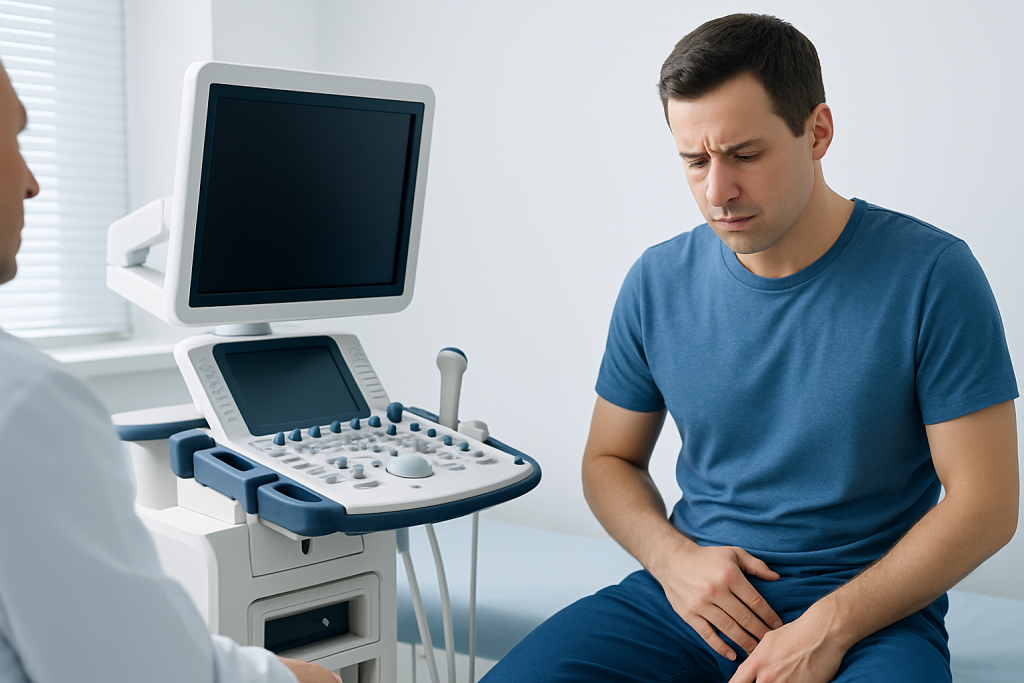
Testicular symptoms can range from a dull ache to a sudden, severe pain. Some changes are obvious, such as swelling or a new lump, while others are subtler, like a feeling of heaviness or one testicle appearing different in position or size. Symptoms may involve only the scrotum, or they may come with fever, nausea, urinary discomfort, or lower abdominal pain.
Common warning signs include:
- Testicular pain, either sudden or gradual
- Swelling, redness, or warmth of the scrotum
- A lump, firmness, or enlargement of one testicle
- A feeling of heaviness or pressure
- Pain during urination or ejaculation
- Fever, chills, or general unwellness
Some conditions, such as testicular torsion, usually cause sudden and intense pain and are treated as urgent. Others, such as epididymitis or a hydrocele, may develop more slowly. Because several different problems can look similar at first, self-diagnosis is not reliable.
Causes & Risk Factors

Testicular symptoms can arise from infection, injury, twisting of the spermatic cord, fluid buildup, hernia, varicocele, or less commonly a tumor. Pain can also be referred from nearby areas such as the groin, abdomen, or kidney, which means the source of discomfort is not always the testicle itself. In younger males, sports injuries and torsion are important considerations; in adults, infection and masses also need attention.
Several factors may increase the chance of testicular problems. These include a history of undescended testicle, recent urinary or sexually transmitted infection, heavy physical strain, trauma to the groin, or a known varicocele. Family history can matter for some conditions, especially testicular cancer, although most people with symptoms do not have cancer.
Risk is also shaped by anatomy and timing. A testicle that sits high, a sudden onset of pain after activity, or swelling that changes with standing can point toward specific causes. Because some of these issues are time-sensitive, the pattern of symptoms often helps doctors decide how quickly the person needs to be seen.
Diagnosis
Diagnosis usually begins with a careful history and physical examination. A doctor may ask when the symptoms started, whether the pain is sudden or constant, and whether there has been fever, trauma, urinary symptoms, sexual exposure, or a change in fertility. The scrotum and groin are then examined for swelling, tenderness, lumps, and position of the testicles.
Imaging is often used when the cause is not clear. A scrotal ultrasound with Doppler can assess blood flow and help distinguish torsion, infection, cysts, fluid collections, or masses. Urine tests and blood tests may be ordered when infection or inflammation is suspected, and additional tests may be needed if a tumor is considered.
For international patients, diagnosis may be organized in a more streamlined way than at home, especially when travel time is limited. That is one reason many people seek centers that can coordinate examination, imaging, laboratory work, and specialist review in a single care pathway. Quick, organized assessment can reduce uncertainty and help avoid delays in treatment decisions.
Treatment Options
Treatment depends entirely on the cause. Some conditions improve with rest, support, and observation, while others need antibiotics, drainage, or surgery. The key is matching the treatment to the diagnosis rather than treating every testicular symptom the same way.
Infection-related problems such as epididymitis or orchitis may be treated with medication and supportive care. A hydrocele or varicocele may be monitored if symptoms are mild, or addressed with a procedure if discomfort, fertility concerns, or swelling become significant. For a hernia or suspicious mass, surgical evaluation is often part of the plan.
Testicular torsion is the major emergency to know about because blood flow can be cut off. It usually requires urgent surgery, and speed matters. When surgery or other procedures are needed, the recovery plan should include pain control guidance, activity limits, wound care, and follow-up, particularly if the person will continue recovery after returning home abroad.
In some cases, treatment also includes fertility counseling or hormone evaluation. This is especially relevant if both testes are affected, if one testicle is removed, or if a long-standing condition may influence sperm production. A personalized discussion helps the patient understand what to expect now and later.
Prevention & Self-care
Not every testicular problem can be prevented, but healthy habits can lower risk and make changes easier to notice. Wearing protective gear during sports, seeking prompt care for urinary or sexually transmitted infections, and avoiding delay after a groin injury are practical steps. For people with a history of testicular issues, keeping follow-up appointments matters even when symptoms improve.
Gentle self-awareness can also help. A monthly self-exam is sometimes recommended so a person becomes familiar with their own normal anatomy and can notice changes such as a new lump, firmness, or enlargement. The goal is not anxiety or frequent checking; it is familiarity. If a change is noticed, a doctor should evaluate it rather than relying on self-assessment alone.
Simple comfort measures may help while waiting for medical advice, provided the pain is not severe and there are no emergency signs. These may include resting, using supportive underwear, and avoiding strenuous activity until assessed. If travel is involved, it is wise to plan medical visits and imaging early enough to allow for possible procedures or a short recovery period.
When to See a Doctor
Any sudden testicular pain should be treated as urgent, especially if it is severe, comes with nausea or vomiting, or follows an injury. A testicle that sits higher than usual, a painful swollen scrotum, or pain that appears quickly after exercise can also need same-day evaluation. These symptoms may signal torsion or another condition that benefits from prompt treatment.
A doctor should also be contacted for a new lump, ongoing dull ache, unexplained swelling, fever, or pain with urination or discharge. Even if the discomfort seems manageable, a persistent change deserves review because some conditions are easier to treat when found early. Men and boys who are away from home should not wait until they return if symptoms are worsening.
Acibadem Health Point can support international patients through multidisciplinary specialists and JCI-accredited hospitals that diagnose and treat testicular conditions in a coordinated way. A structured plan can be especially helpful when decisions, imaging, treatment, and follow-up need to fit into a limited travel window.
Living With Testicular Conditions
Recovery depends on the diagnosis, but most people do best when they understand the next steps clearly. That may include taking prescribed medication as directed, limiting strenuous activity, using scrotal support, or returning for follow-up imaging or examination. If fertility or hormone health may be affected, additional counseling can be useful.
It is also helpful to know that testicular symptoms can affect emotional well-being. Worry about fertility, masculinity, or the possibility of surgery is common and understandable. Clear communication from the care team can reduce uncertainty and make it easier to follow the plan with confidence.
For patients receiving care away from home, written instructions and a simple follow-up schedule are especially valuable. Knowing what symptoms are expected, which changes are not, and when to seek help again can make recovery safer and less stressful.
Frequently asked questions
Are testicles and testes the same thing?
Yes. Testicles and testes are two words for the same organs. They are the paired glands in the scrotum that produce sperm and testosterone.
Is testicular pain always an emergency?
Not always, but sudden or severe pain should be treated urgently. Testicular torsion is one important cause that needs quick medical attention, so it is safer to be assessed promptly.
What does a lump in a testicle mean?
A lump can have several causes, including cysts, infection-related changes, or a tumor. Any new lump or firmness should be examined by a doctor, even if it is not painful.
Can testicular problems affect fertility?
Yes, some conditions can affect sperm production or transport. Infection, varicocele, undescended testicle history, and surgery are examples where fertility may be discussed as part of care.
How should someone check their testicles at home?
A gentle monthly self-exam can help someone notice changes from their own normal baseline. It should be done in a relaxed setting, but it does not replace a medical exam if something feels different.
When is ultrasound used for testicular symptoms?
Ultrasound is often used when the diagnosis is unclear or when a doctor needs to check blood flow, fluid, cysts, or a possible mass. It is a common, noninvasive way to help guide treatment.
References
- World Health Organization
- NHS
- Mayo Clinic
- National Cancer Institute
- Urology Care Foundation
This article is for general information only and is not a substitute for professional medical advice. Please consult a qualified doctor about your individual situation.
IVF & fertility treatment in Turkey — success rates and costs
JCI-accredited · board-certified surgeons · reply within 24h
Add us as a Preferred Source to see more of our trusted health content across Google Search, AI Overviews and Discover.