Teeth Chart
Key Takeaways
- A teeth chart shows the position, name, and number of each tooth in the mouth.
- Adult and child teeth charts are different because primary teeth are replaced over time.
- Dentists use charts to record findings, plan treatment, and communicate clearly across visits or countries.
- Knowing tooth names can make it easier to understand fillings, crowns, extractions, and orthodontic care.
- A dental chart is a reference tool, not a diagnosis, and any concerns should be reviewed by a dentist.
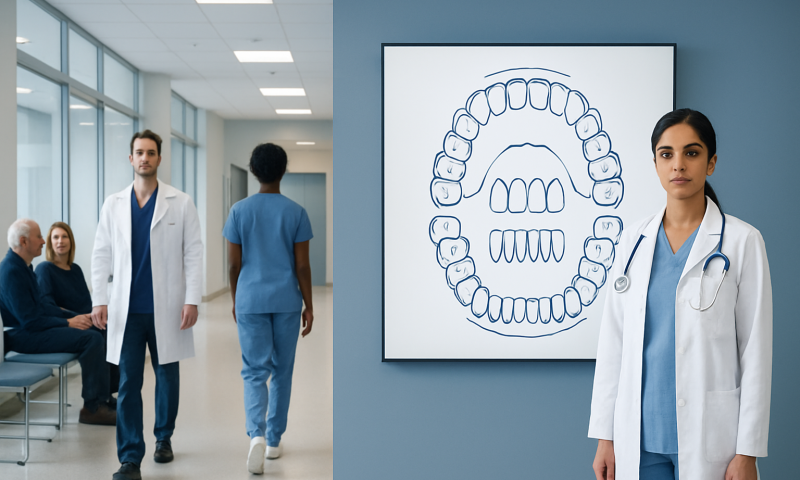
A teeth chart is a simple map of the mouth that helps people understand how each tooth is named, numbered, and grouped. It is useful for reading dental records, discussing treatment plans, and following oral health care with confidence.
Overview
A teeth chart is a practical map of the mouth. It labels each tooth by type and position, helping patients and dental teams speak the same language when discussing exams, procedures, or treatment plans.
For many people, the chart becomes especially helpful when care is being planned across appointments, or even across countries. A clear chart can make a dental record easier to understand when someone is reviewing X-rays, comparing findings, or seeking a second opinion before traveling for treatment.
There are two main sets of teeth charts: one for primary teeth, which are the first set that appear in childhood, and one for permanent teeth, which replace them and remain into adulthood. Each chart follows a logical pattern, so once the names and numbers are understood, the system becomes much easier to read.
Types of Teeth and How They Are Grouped
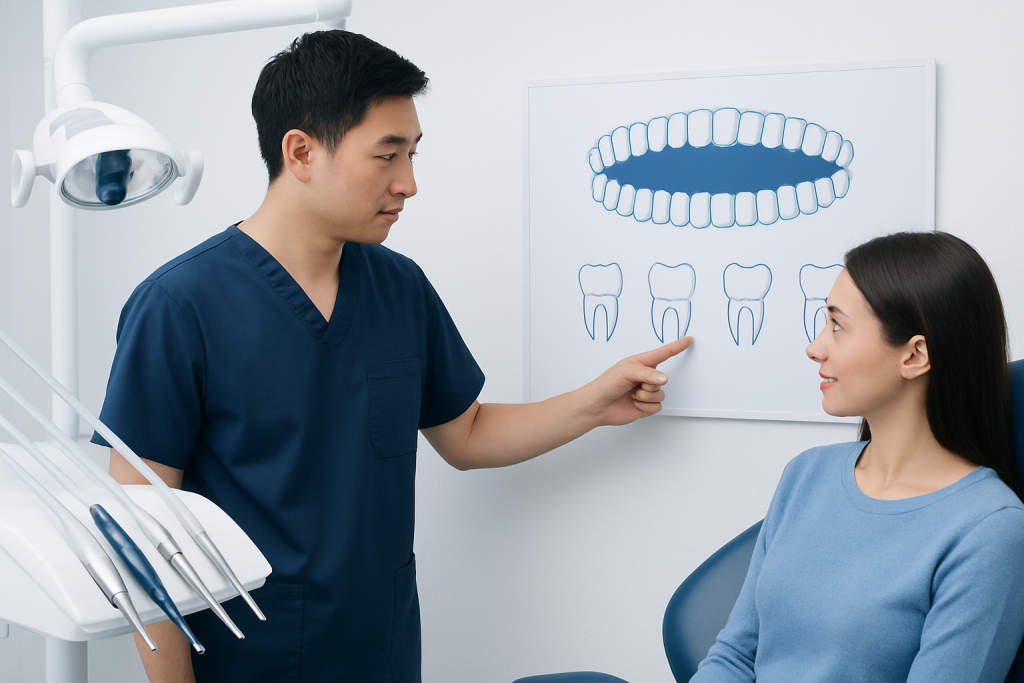
Teeth are usually grouped by shape and function. Incisors are the flat front teeth used for biting, canines are the pointed teeth that help tear food, premolars sit behind the canines and help crush food, and molars are the larger back teeth that grind food during chewing.
In an adult mouth, there are typically 32 permanent teeth, including wisdom teeth. In children, the primary set is smaller and consists of 20 teeth. A teeth chart helps show where these teeth sit in each half of the mouth, making it easier to identify a tooth that may need monitoring or treatment.
- Incisors: front teeth for cutting food
- Canines: corner teeth for tearing
- Premolars: teeth behind canines for crushing
- Molars: back teeth for grinding
This grouping matters because different teeth often have different care needs. For example, back teeth can be harder to clean, while front teeth may be more visible if there is discoloration, spacing, or wear.
How Teeth Are Numbered

Several numbering systems are used in dentistry, and the one shown on a chart may vary depending on the country or clinic. The most widely used adult system in many places is the Universal Numbering System, while the FDI system is common internationally and in many dental records.
In the Universal system, permanent teeth are numbered 1 through 32. In the FDI system, each tooth has a two-digit code that identifies the quadrant and the specific tooth position. Primary teeth are also charted with their own numbering or lettering patterns.
For patients, the key point is not to memorize every number, but to know that the same tooth may be labeled differently depending on the chart. When reviewing records abroad or seeking treatment from an international dental team, it helps to ask which system is being used so there is no confusion about the planned procedure.
Understanding a Teeth Chart in Children and Adults
A child’s teeth chart looks different from an adult’s because primary teeth are fewer in number and are replaced gradually over time. This transition period can show both baby teeth and permanent teeth at once, which is completely normal during childhood and adolescence.
Adult charts are more straightforward in structure, but they may still show missing teeth, wisdom teeth that have not erupted, crowns, implants, bridges, or teeth being monitored for movement. Orthodontic charts may also include notes about crowding, bite alignment, and spacing.
Parents often find it useful to keep a copy of a child’s dental chart when moving between providers, especially if treatment is being coordinated internationally. A chart helps preserve continuity by showing what has already been checked, restored, or recommended.
Why Dentists Use Dental Charts
A dental chart is more than a picture; it is part of the clinical record. Dentists use it to note cavities, fillings, gum concerns, cracks, wear, missing teeth, and other findings from an examination. It also helps the team plan future care in a structured way.
For example, a chart may show which teeth need simple monitoring and which may need restorative treatment such as a filling, crown, root canal therapy, or extraction. It can also be used to track progress after orthodontic treatment, periodontal care, or implant planning.
In international care settings, a clear chart can make the handover process smoother. When a patient arrives with previous dental records, the chart gives the new team a concise overview of the mouth, making it easier to review treatment history and discuss options.
How to Read Common Tooth Chart Notations
Dental charts often use abbreviations and symbols, and they can look confusing at first glance. A circle, line, or shaded area may indicate decay, a filling, a crown, or another finding, depending on the clinic’s charting style. Notes may also record tooth mobility, missing teeth, or a restoration that is being replaced.
Some charts include surface notation, which identifies where on the tooth a problem is located. For example, the biting surface, the side toward the tongue, or the side toward the cheek may be marked separately. This helps the dentist describe findings precisely and plan treatment with fewer misunderstandings.
If a chart looks unfamiliar, patients should feel comfortable asking the dentist to explain it in plain language. A good explanation should answer which tooth is affected, what the issue means, and whether it needs immediate treatment or routine follow-up.
Prevention & Self-care
While a teeth chart itself does not prevent dental problems, it can support better daily care by helping patients understand which teeth deserve extra attention. This is especially useful for teeth that are hard to clean, have restorations, or have been treated in the past.
Good self-care remains the foundation of oral health. Brushing twice daily with fluoride toothpaste, cleaning between the teeth, and keeping regular dental visits are simple habits that support the whole mouth, not just the teeth that are already documented on a chart.
- Brush gently but thoroughly for all tooth surfaces
- Clean between teeth with floss or another dentist-recommended tool
- Limit frequent snacking and sugary drinks
- Wear a mouthguard if recommended for sports or grinding
- Bring previous dental records when changing providers
For people traveling for treatment, it is also wise to keep digital copies of dental charts, X-rays, and procedure notes. This can make follow-up care easier when returning home, especially if a second clinician needs to continue the same treatment plan.
When to See a Doctor
A teeth chart is useful for understanding dental records, but it does not replace a professional exam. A dentist should evaluate any tooth pain, swelling, bleeding gums, sensitivity, broken restorations, or changes in how the teeth meet when biting.
Patients should also seek dental advice if they notice a tooth that feels loose, a dark spot that may suggest decay, or a tooth that has been injured. Even when symptoms are mild, early assessment can help prevent a small problem from becoming more complex.
If someone is planning treatment abroad, it is sensible to review the chart and discuss the diagnosis before travel. Acibadem Health Point’s multidisciplinary specialists and JCI-accredited hospitals diagnose and treat dental conditions for international patients, helping them understand their records and coordinate care more smoothly.
Frequently asked questions
What is a teeth chart used for?
A teeth chart is used to identify and record each tooth in the mouth. Dentists use it to note findings, plan treatment, and communicate clearly with patients and other clinicians.
Why do tooth numbers look different on different charts?
Different countries and clinics may use different numbering systems. The same tooth can be labeled in more than one way, so it is helpful to ask which system is being used when reviewing records.
Do children and adults have the same teeth chart?
No, children and adults have different charts because children begin with primary teeth, which are later replaced by permanent teeth. During mixed dentition, both sets may appear on the chart.
Can I understand my dental treatment from a chart alone?
A chart can show which teeth are affected, but it does not give the full story by itself. The dentist’s explanation, exam findings, and imaging results are important for understanding the diagnosis and plan.
Is a teeth chart helpful if I am getting treatment in another country?
Yes, it can be very helpful because it helps the new dental team understand your history quickly. Bringing previous charts and X-rays can make consultation and treatment planning more efficient.
Should I be worried if I see symbols on my dental chart?
Not necessarily, because symbols are simply shorthand used in dental records. The best approach is to ask the dentist to explain what each mark means and whether it needs treatment now or later.
References
- American Dental Association
- FDI World Dental Federation
- National Institute of Dental and Craniofacial Research
- Mayo Clinic
This article is for general information only and is not a substitute for professional medical advice. Please consult a qualified doctor about your individual situation.