

Tag Mole Removal: Methods, Risks and Recovery

Key Takeaways
- Tag moles are often benign, but any changing or unusual growth should be checked by a clinician before removal.
- Removal options may include snip excision, cryotherapy, cautery, shave techniques, or surgical excision, depending on the lesion.
- A proper diagnosis matters because some look-alike skin lesions should not be treated as routine cosmetic growths.
- Aftercare is usually straightforward and focuses on keeping the area clean, protected, and monitored for healing.
- People traveling for treatment should plan for a pre-procedure consultation and clear follow-up instructions after returning home.
Medically reviewed by the Acıbadem clinical team — August 19, 2026
Tag moles are often harmless skin growths, but they can become irritating, catch on clothing, or cause concern about appearance or diagnosis. This guide explains how doctors assess them, which removal options are used, and what recovery usually looks like.
Overview
“Tag moles” is a casual phrase that people often use for small, raised skin growths that hang from the skin or sit on a narrow base. In everyday practice, these are commonly skin tags or other benign lesions, but the appearance can overlap with moles and other growths. That is why a clinician should confirm what the lesion is before any removal is planned.
Most of the time, the reason for removal is practical rather than urgent. A growth may rub against clothing, become irritated by shaving or jewelry, or simply be in a place where it is difficult to ignore. Some people also request removal because the lesion is cosmetically bothersome, especially when it appears on the neck, eyelids, underarms, groin, or other visible areas.
For international patients, the main advantage of having the growth assessed by a dermatologist or skin surgeon is clarity. The consultation should answer two questions: what the lesion most likely is, and whether removal should be done in a simple office procedure or after further evaluation. That careful first step helps keep the process safe and predictable.
Symptoms and How They Commonly Feel
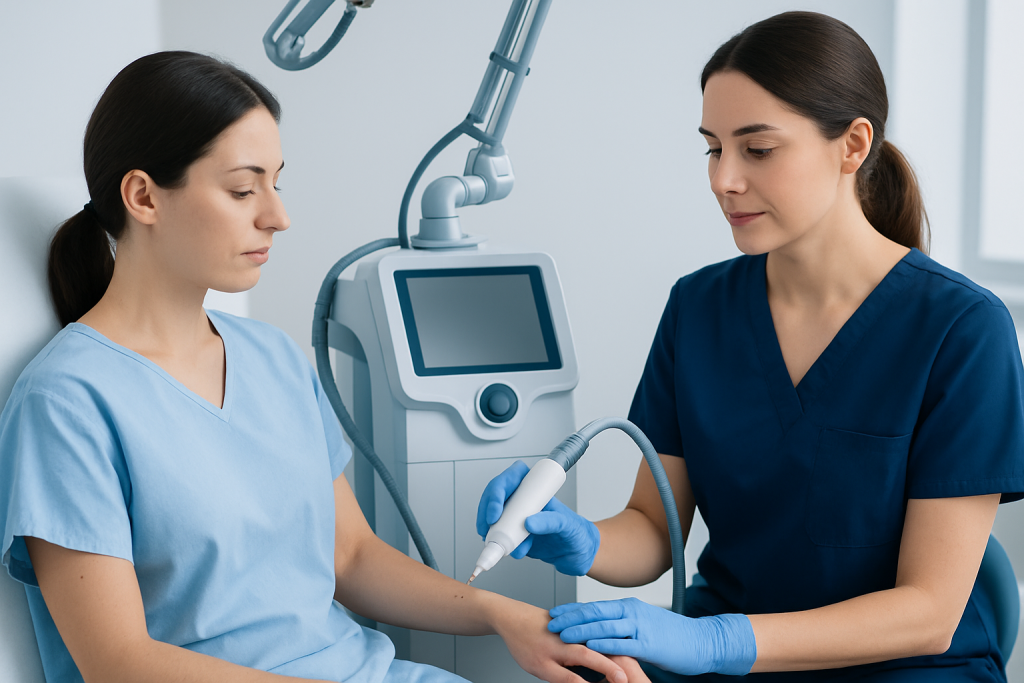
Tag moles usually do not cause pain. Many are found by accident during dressing, shaving, or routine skin care. They may be flesh-colored, brown, or slightly darker than the surrounding skin, and they often have a soft or pedunculated, “dangling” appearance. Some are very small, while others become more noticeable over time.
Symptoms that prompt a visit often involve irritation rather than medical danger. The lesion may snag on clothing, bleed after friction, feel itchy, or become tender if twisted or repeatedly rubbed. Around the neck or waistband, even a small lesion can become surprisingly uncomfortable because of constant movement and contact.
It is worth remembering that not every raised skin bump is a simple skin tag. A mole that changes in shape, color, border, or symptoms deserves a careful look. New bleeding, crusting, rapid growth, uneven pigmentation, or a lesion that looks unlike the others on the body should be reviewed before any cosmetic removal is considered.
Causes and Risk Factors

Skin tags and similar benign growths are not usually caused by poor hygiene or infection. They tend to develop where skin rubs against skin, jewelry, or clothing, and they are more common in areas of repeated friction. Hormonal changes, family tendency, and metabolic factors may also play a role for some people.
Risk factors can include excess body weight, insulin resistance, pregnancy, and a personal or family history of skin tags. Age can matter as well, since these growths become more common in adulthood. Even so, anyone can develop a small benign skin lesion, and location alone does not tell the whole story.
From a clinical perspective, the most important issue is not why the lesion appeared, but whether it is truly benign. A careful history and skin examination help separate a routine removal request from a lesion that needs closer evaluation or biopsy.
Diagnosis
Diagnosis usually begins with a visual skin examination and a short discussion of the lesion’s history. A clinician may ask how long it has been present, whether it has changed, and whether it bleeds, itches, or causes discomfort. This conversation is especially important when a patient is traveling for care, because the medical team may need to plan both the procedure and the follow-up before the patient leaves.
In many cases, the lesion can be identified clinically without additional testing. If the appearance is not typical, or if there are features that raise uncertainty, the doctor may recommend dermoscopy or removal with laboratory examination of the tissue. That step is not a sign of alarm; it is simply the safest way to confirm what the lesion is.
When multiple growths are present, the clinician may also look for patterns that suggest skin tags rather than other conditions such as moles, warts, seborrheic keratoses, or less common skin lesions. The goal is to choose the least invasive treatment that still gives a reliable diagnosis.
Treatment Options
Treatment depends on the type, size, location, and appearance of the growth. Small, clearly benign skin tags may be removed in the clinic with snip excision, where the lesion is gently cut off after local anesthesia. Other options include cryotherapy, which freezes the growth, or cautery, which uses heat to remove it and control bleeding. For certain moles or atypical lesions, shave removal or full surgical excision may be more appropriate.
The right method is chosen for both safety and comfort. Lesions near the eyes, on the face, or in areas where scarring matters may require extra care and a more tailored approach. If there is any doubt about whether the lesion is a simple skin tag or a mole that should be checked by pathology, the doctor may prefer a technique that provides tissue for examination.
Patients sometimes ask whether over-the-counter products are enough. In general, self-treatment is not advised for lesions that have not been professionally identified, because it can cause irritation, infection, scarring, or delayed diagnosis of a more important problem. A brief consultation often saves time and reduces uncertainty.
For patients who arrive from another country, one practical benefit of specialist care is coordinated planning: consultation, procedure, aftercare instructions, and any needed pathology review can be arranged within a clear timeline. Acibadem Health Point’s multidisciplinary specialists and JCI-accredited hospitals can diagnose and treat these conditions for international patients in a structured setting.
Prevention and Self-care
Not every skin tag or mole can be prevented, but reducing friction may help limit irritation in some people. Loose or soft clothing, careful shaving, and avoiding repeated rubbing of a known lesion can make day-to-day comfort better. Weight management may also reduce skin-on-skin friction in some body areas, although it is not a treatment for existing growths.
After removal, self-care is usually simple. The area is commonly kept clean and dry, and the patient is told how to protect it while it heals. If a small dressing is used, it is important to follow the clinic’s instructions about changing it, bathing, and when normal activities can resume.
Patients should watch the treated site for signs that do not fit routine healing, such as increasing redness, swelling, pain, pus, or persistent bleeding. It is also sensible to keep an eye on the rest of the skin, since any new lesion that changes over time should be assessed rather than removed casually.
Recovery and Follow-up
Recovery after tag mole removal is usually brief. Many people return to normal routines quickly, although the exact timeline depends on the technique used and the location of the lesion. A small scab, mild tenderness, or temporary redness can be part of normal healing.
Follow-up may be simple or more structured depending on whether tissue was sent for pathology. If the lesion was removed for diagnostic reasons, the doctor will explain how results will be shared and whether any further treatment is needed. This is particularly important for travelers, who may need a written care plan before returning home.
Scarring is usually small with minor procedures, but no removal method can promise a completely invisible mark. People who want the least noticeable outcome should discuss this openly during the consultation so the doctor can choose the most suitable technique and set realistic expectations.
When to See a Doctor
A medical review is advisable if the growth is changing, bleeding without obvious friction, becoming painful, or developing an unusual color or shape. The same applies if a lesion appears suddenly and does not look like a typical skin tag or mole. When in doubt, a proper examination is better than trying to remove it at home.
People should also seek care if the lesion is in a delicate area, such as the eyelid, genitals, face, or a place where repeated removal attempts could cause scarring or infection. If the person has diabetes, a bleeding disorder, is taking blood-thinning medication, or has a history of slow wound healing, the plan should be reviewed with a clinician first.
For anyone considering medical travel, the safest approach is to arrange the consultation in advance and ask what documents, photos, or prior pathology reports may be useful. That preparation helps the team make the visit efficient and supports smoother recovery once the patient is back home.
Frequently asked questions
Are tag moles and skin tags the same thing?
People often use the term “tag moles” loosely, but skin tags and moles are not exactly the same. A skin tag is usually a small, soft, pedunculated growth, while a mole is a pigmented lesion that may have different features. Because look-alike lesions can be confusing, a clinician should confirm the diagnosis before removal.
Can a tag mole be removed during a simple office visit?
Yes, many benign skin tags and small growths can be removed in the clinic with a straightforward procedure. The exact method depends on the size, location, and appearance of the lesion. If the lesion looks unusual, the doctor may recommend a method that allows tissue to be tested.
Is removal painful?
Most procedures are done with local anesthesia or are only briefly uncomfortable. Patients may feel pressure, a quick sting, or mild soreness afterward, depending on the method used. The clinic should explain what to expect and how to care for the area after treatment.
Will the growth come back after removal?
If the lesion is completely removed, that exact growth usually does not return. However, some people are prone to developing new skin tags or similar benign lesions over time. Regular skin checks can help identify any new changes early.
Is it safe to remove a mole at home?
Home removal is not recommended for any lesion that has not been professionally identified. Self-treatment can lead to bleeding, infection, scarring, and delayed diagnosis of a skin problem that needs medical attention. A clinician can choose the safest approach and confirm whether removal is appropriate.
Do all removed tag moles need lab testing?
Not always. If a lesion is clearly benign, a doctor may remove it without sending tissue for pathology, depending on local practice. When the diagnosis is uncertain or the lesion has atypical features, laboratory examination is a sensible precaution.
References
- American Academy of Dermatology
- National Health Service
- Mayo Clinic
- DermNet NZ
- British Association of Dermatologists
This article is for general information only and is not a substitute for professional medical advice. Please consult a qualified doctor about your individual situation.
Explore treatments in Turkey — costs, top hospitals & a free quote
JCI-accredited · board-certified surgeons · reply within 24h
Add us as a Preferred Source to see more of our trusted health content across Google Search, AI Overviews and Discover.
More from the Health Library



Related Specialists

Dr. İlker Altundağ
Aesthetic Plastic & Reconstructive Surgery
Dr. Serkan Tokgönül
Aesthetic Plastic & Reconstructive Surgery
Dr. Ömercan Yağız Öksüz
Aesthetic Plastic & Reconstructive Surgery
Prof. Dr. Mehmet Veli Karaaltın
Aesthetic Plastic & Reconstructive Surgery