Stye Treatment: Symptoms, Causes and Remedies

Key Takeaways
- Most styes improve with warm compresses, lid hygiene, and time.
- Do not squeeze, pop, or rub a stye, as this can worsen irritation or spread infection.
- A stye can look like a pimple on the eyelid, but it involves the oil glands or eyelash follicles.
- Persistent, recurrent, or painful swelling may need an eye doctor’s evaluation.
- Contact a doctor sooner if vision changes, spreading redness, fever, or significant swelling occur.
Medically reviewed by the Acıbadem clinical team — August 19, 2026
A stye is a small, usually tender lump on the eyelid that often improves with simple home care. Understanding stye treatment can help ease discomfort, support healing, and show when an eye specialist should take a closer look.
Overview
A stye is a small, localized bump on the eyelid that develops when an oil gland or eyelash follicle becomes inflamed, often because of a bacterial infection. It may appear on the outside of the eyelid, near the lash line, or on the inner surface of the lid, where it can feel more hidden but still very uncomfortable.
For many people, the most important thing to know is that a stye is usually short-lived and manageable. Stye treatment is often simple and focused on helping the area drain naturally while keeping the eyelid clean and protected from further irritation.
Because eye symptoms can be unsettling, it helps to know what is typical and what is not. A stye usually stays small and localized, while swelling that spreads widely, affects vision, or causes significant pain deserves prompt medical attention.
Symptoms
Styes often begin with soreness, redness, or a feeling that something is irritating the eyelid. Over a day or two, a tender bump may become visible, and the lid can feel heavy or swollen.
Other common symptoms include tearing, crusting along the eyelashes, and discomfort when blinking. Some people describe the area as itchy at first, though it often becomes more painful than itchy as it develops.
In general, the lump is only on one part of the eyelid and does not usually affect the eye itself. If the white of the eye becomes very red, vision changes, or swelling spreads to the cheek or the rest of the face, another condition may be present and medical review is wise.
Causes & Risk Factors

Most styes are linked to blocked or infected oil glands in the eyelid. Bacteria that normally live on the skin can enter a tiny opening around an eyelash or gland and trigger inflammation.
Certain habits and conditions can make styes more likely. These include touching the eyes with unwashed hands, leaving eye makeup on overnight, using old or contaminated cosmetics, and having chronic eyelid inflammation such as blepharitis.
People with dry eye, diabetes, skin conditions like rosacea, or a history of recurrent eyelid infections may notice styes more often. Contact lens wear can also contribute if lenses are handled or cleaned improperly, especially during travel when routines change.
For international patients, long flights, disrupted sleep, dry cabin air, and cosmetic use during travel can all make the eyelids more irritated. These factors do not directly cause a stye on their own, but they can make the eyelid environment less forgiving.
Diagnosis
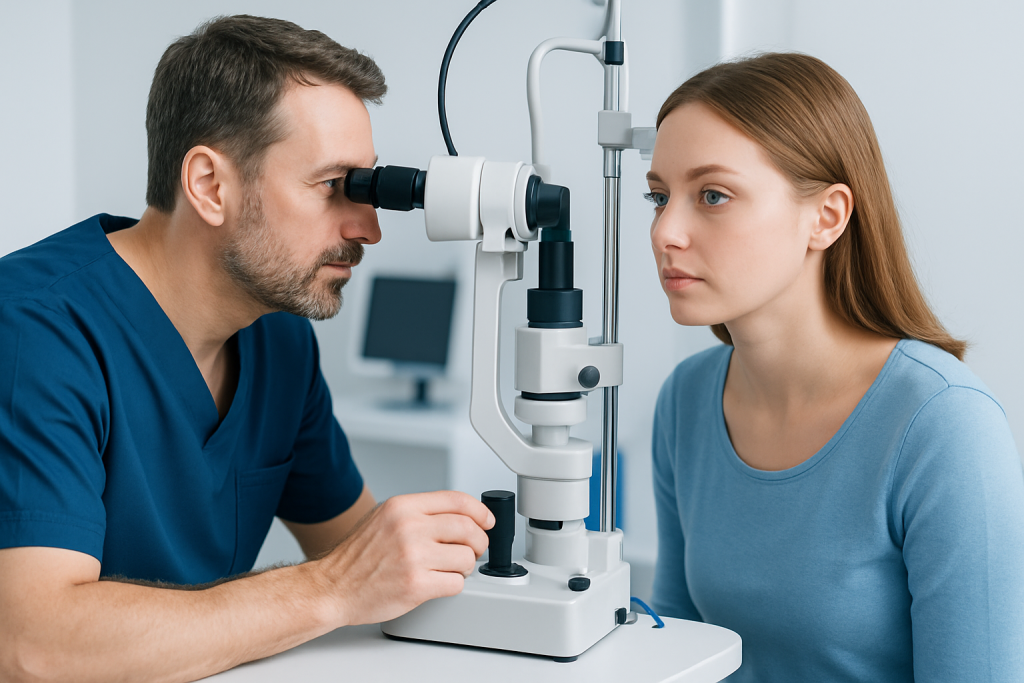
Doctors usually diagnose a stye by examining the eyelid and asking about symptoms. In most cases, no special tests are needed because the appearance and location are distinctive.
An eye specialist may ask whether the swelling started suddenly, whether it has happened before, and whether there is discharge, crusting, or vision change. These details help distinguish a stye from a chalazion, conjunctivitis, preseptal cellulitis, or other eyelid concerns.
If styes recur often, a doctor may look for underlying eyelid inflammation, skin conditions, or hygiene-related triggers. For patients traveling for care, this assessment can also guide practical follow-up plans once they return home.
Treatment Options
Most styes improve with conservative care. Warm compresses are the cornerstone of stye treatment because they can help soften the blocked gland and encourage natural drainage. A clean, warm compress is usually applied gently to the closed eyelid several times a day.
Good eyelid hygiene also matters. The area around the lash line may be cleaned carefully with products recommended by a clinician or with gentle cleansing approaches advised for eyelid care. Eye makeup and contact lenses are often paused until the stye settles.
Some styes need medical treatment if they are large, persistent, or accompanied by more extensive eyelid inflammation. A doctor may prescribe topical or oral medication in selected cases, though treatment choices depend on the appearance, location, and severity of the problem.
Rarely, if a stye does not resolve or if a pocket of infection needs to be drained, a minor procedure may be recommended by an eye specialist. This is typically a straightforward outpatient step, but it should only be performed by a qualified clinician.
- Use warm compresses consistently rather than sporadically.
- Avoid squeezing, popping, or piercing the bump.
- Stop eye makeup and contact lens use until healing is underway.
- Replace old cosmetics that may have been contaminated.
Prevention & Self-care
Daily eyelid care can reduce the chance of repeat styes. Washing hands before touching the face, removing eye makeup thoroughly, and avoiding sharing cosmetics or towels are simple but effective habits.
People who tend to get styes may benefit from a regular lid-cleaning routine, especially if they have blepharitis or oily eyelids. A clinician can suggest a safe approach for home care that fits the patient’s skin and eye sensitivity.
Travel can make self-care more challenging, so it helps to pack clean lens supplies, fresh makeup if needed, and any recommended eye-care products. Hydration, rest, and avoiding eye rubbing can also support comfort while the eyelid heals.
It is also sensible to replace mascara, eyeliner, and similar products after an eye infection, since cosmetics can become a source of re-exposure. A fresh start often matters as much as the treatment itself.
When to See a Doctor
Medical advice should be sought if the stye does not improve after a few days of warm compresses, keeps returning, or feels increasingly painful. An eye doctor can confirm the diagnosis and check whether a different eyelid condition is present.
Prompt evaluation is especially important if swelling spreads beyond the eyelid, the eye becomes hard to open, vision changes, or fever develops. These signs can indicate a more significant infection that should not be managed at home alone.
Anyone who is unsure whether the bump is a stye, chalazion, or something else should ask for an assessment rather than guessing. Acibadem Health Point’s multidisciplinary specialists and JCI-accredited hospitals can diagnose and treat styes for international patients, with care plans that also support follow-up after travel.
For many patients, the reassuring part is that stye treatment is usually straightforward once the cause is identified. Early evaluation can prevent unnecessary discomfort and help the eyelid heal with fewer interruptions to work, travel, or daily routines.
Living With a Stye: Practical Recovery Tips
A stye can be inconvenient, but it usually does not require dramatic changes to daily life. Simple comfort measures, such as avoiding eye rubbing and using warm compresses at steady intervals, often make the biggest difference.
During recovery, it may help to keep the eye area free of makeup and to choose glasses instead of contact lenses until the eyelid is calm again. If a patient is abroad, it is wise to keep the original care instructions accessible, since routines can be harder to maintain while traveling.
If the bump opens and drains on its own, the area should still be kept clean and handled gently. Even when improvement is visible, the eyelid may remain slightly swollen or tender for a short time before returning fully to normal.
Complications and Related Conditions
Most styes heal without lasting problems. Still, a small number can become more inflamed, form a chalazion, or lead to wider eyelid infection if they are repeatedly irritated or picked at.
Sometimes people confuse a stye with a chalazion, which is a blocked gland that is often less painful and more slow-growing. An eye doctor can tell the difference and recommend the most appropriate approach.
If eyelid symptoms are frequent, underlying blepharitis or skin conditions may need attention as part of the plan. Treating the pattern, not just the single bump, is often the best way to reduce recurrences.
Frequently asked questions
What is the fastest way to help a stye heal?
Consistent warm compresses and good eyelid hygiene are usually the most helpful first steps. They can encourage natural drainage and reduce discomfort while the body clears the inflammation.
Should a stye be popped like a pimple?
No. Squeezing or popping a stye can push infection deeper, worsen swelling, or spread bacteria to nearby skin. It is safer to let it drain naturally or have a clinician assess it if needed.
Can a stye go away on its own?
Yes, many styes improve on their own within days to a couple of weeks. Home care can support that process, but a doctor should evaluate persistent or worsening symptoms.
Is a stye contagious?
A stye itself is not usually considered highly contagious, but the bacteria involved can spread by touch. Good hand hygiene, not sharing eye products, and avoiding touching the eye are sensible precautions.
Can I wear contact lenses with a stye?
It is usually better to avoid contact lenses until the eyelid has healed. Lenses can irritate the eye and may slow recovery if the area remains inflamed.
When should recurrent styes be checked?
Recurrent styes should be discussed with an eye specialist, especially if they appear often in the same area. Recurrences may point to blepharitis, skin irritation, or another underlying factor that needs treatment.
References
- American Academy of Ophthalmology
- National Eye Institute
- Mayo Clinic
- NHS
This article is for general information only and is not a substitute for professional medical advice. Please consult a qualified doctor about your individual situation.
Hair transplant in Turkey — costs, graft counts & a free assessment
JCI-accredited · board-certified surgeons · reply within 24h
Add us as a Preferred Source to see more of our trusted health content across Google Search, AI Overviews and Discover.