Stridor: Symptoms, Causes and Treatment

Key Takeaways
- Stridor is usually caused by narrowing in the upper airway, such as the throat or voice box.
- It may appear suddenly or gradually and can be more noticeable when breathing in, breathing out, or both.
- Diagnosis focuses on finding the source of airway narrowing through examination and, when needed, imaging or endoscopic tests.
- Treatment depends on the cause and can range from observation and medication to urgent airway support.
- Any stridor with breathing difficulty, blue lips, drooling, or trouble speaking needs immediate medical care.
Medically reviewed by the Acıbadem clinical team — August 19, 2026
Stridor is a high-pitched, often harsh breathing sound that can happen when air moves through a narrowed upper airway. It is a symptom, not a diagnosis, and it deserves prompt medical attention so the underlying cause can be identified and treated safely.
Overview
Stridor is the sound that can make a breath seem unusually loud, tight, or whistling. It is typically caused by turbulent airflow through a narrowed upper airway, which may involve the nose, throat, larynx, or trachea. Because the sound reflects a problem in breathing rather than a condition on its own, the most important step is identifying what is narrowing the airway.
Some people notice stridor only when the airway is irritated, such as during an infection or allergic reaction. Others experience it because of a more persistent issue, including a structural change in the airway, swelling after surgery, or a growth pressing on the breathing passage. The pattern of the sound can offer useful clues: stridor heard on inhalation often points to a blockage higher up, while noise on exhalation or throughout the breathing cycle may suggest a different location or a more significant narrowing.
For international patients, stridor can be unsettling because it may appear suddenly while traveling, after a recent illness, or during recovery in an unfamiliar setting. A careful evaluation is important not only to relieve symptoms but also to decide whether the condition can be managed as an outpatient concern or needs urgent treatment.
Symptoms
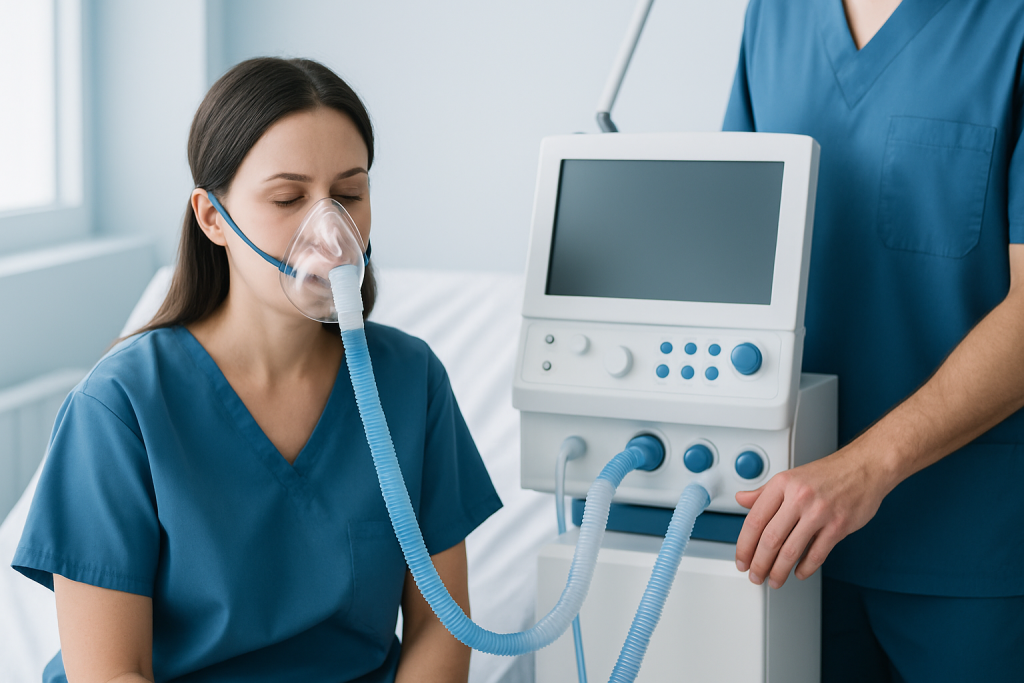
Stridor itself is a symptom, but it often appears alongside other warning signs that help clinicians understand how serious the airway problem may be. The sound may be high-pitched, harsh, or musical, and it can be heard best when a person is resting quietly. In some cases, it becomes more noticeable with activity, crying, agitation, or lying flat.
People with stridor may also have:
- Shortness of breath or fast breathing
- Hoarseness or a changed voice
- Difficulty swallowing or a feeling that something is stuck in the throat
- Chest or neck retractions, where the skin pulls in with breathing
- Cough, fever, sore throat, or congestion if infection is involved
- Drooling, trouble speaking, or cyanosis in more urgent situations
In children, stridor may be more noticeable during sleep, feeding, or crying. In adults, it can be linked to swelling, vocal cord problems, infections, inhaled foreign objects, allergic reactions, or masses in the neck or chest. Even if the person seems comfortable at first, new stridor should be taken seriously because airway narrowing can change quickly.
Causes & Risk Factors

Stridor develops when the airway becomes partially blocked or narrowed. The cause may be temporary, such as swelling from an infection, or it may be longer lasting, such as a narrowing of the trachea. The location of the narrowing helps shape the sound, but the underlying reason matters most for treatment.
Common causes include upper respiratory infections, croup in children, epiglottitis, allergic swelling, inhaled foreign bodies, vocal cord dysfunction, laryngeal edema after intubation, subglottic stenosis, tumors, cysts, and trauma to the neck or airway. In some adults, acid reflux can irritate the larynx and contribute to noisy breathing, while in infants structural differences such as laryngomalacia may cause stridor that is often worse when lying down or feeding.
Risk factors vary with age and health history. Young children are more vulnerable because their airways are smaller. Adults with a history of smoking, head and neck cancer, recent intubation, autoimmune disease, or prior airway surgery may have a higher risk of airway narrowing. Travel, exposure to new allergens, and delayed access to care can also make symptoms harder to interpret and manage, especially when the person is far from familiar medical records.
Diagnosis
Diagnosis begins with a focused history and physical examination. Clinicians often ask when the sound started, whether it happens during inhalation or exhalation, whether it came on suddenly, and whether there has been fever, choking, allergy exposure, recent surgery, or voice change. These details help distinguish a rapidly dangerous cause from a more stable one.
During the examination, the doctor listens to the breathing, checks oxygen levels, and looks for signs of distress such as retractions, drooling, or difficulty speaking. Depending on the situation, the next step may include flexible laryngoscopy to look directly at the throat and voice box, imaging such as a neck or chest X-ray, CT scan, or other airway studies. In selected cases, blood tests or viral testing may help confirm an infection or inflammatory process.
Testing is chosen carefully because an irritated airway should not be stressed unnecessarily. If the person is very unwell, the team may prioritize securing the airway first and completing the rest of the evaluation afterward. This is one reason prompt assessment is so important: the safest diagnostic path depends on how stable the person is when they arrive.
Treatment Options
Treatment for stridor is directed at the cause, not the sound itself. Mild cases may improve once the underlying irritation settles, while other cases require medication, close observation, or urgent procedures to keep the airway open. The clinical goal is always to relieve obstruction while avoiding unnecessary manipulation of a sensitive airway.
For infection-related stridor, treatment may include supportive care, anti-inflammatory medicines, or antibiotics when a bacterial infection is suspected. Allergic swelling may require immediate emergency treatment, and certain inflammatory conditions may respond to corticosteroids or inhaled therapies. If a foreign body is involved, removal may be needed quickly, often by an ENT or airway specialist. Structural problems such as stenosis, vocal cord paralysis, or a mass may require endoscopic treatment, surgery, or coordinated care across specialties.
When airway compromise is significant, doctors may use oxygen, close monitoring, noninvasive support in selected situations, or definitive airway management. In some cases, a procedure such as intubation or tracheostomy is necessary. International patients can benefit from centers with coordinated ENT, anesthesia, pulmonology, and intensive care expertise, because airway decisions often need to be made quickly and with a clear plan for recovery and follow-up.
Prevention & Self-care
Not every cause of stridor can be prevented, but some triggers can be reduced. Good infection control, up-to-date vaccination, careful supervision of young children around small objects and food, and prompt treatment of throat or breathing symptoms can lower the chance that a temporary problem becomes more serious. People with known reflux, allergies, or airway conditions may also reduce flare-ups by following their care plan consistently.
For self-care, the safest approach is to stay calm, rest upright if breathing feels easier that way, and avoid anything that seems to worsen the sound, such as heavy exertion or smoke exposure. It is usually wise not to eat or drink if swallowing feels difficult, because choking risk may be higher. Home remedies should never delay medical assessment when stridor is new or worsening.
For patients traveling for care or returning home after treatment, practical preparation matters. Keeping discharge instructions, medication lists, and prior imaging available in a digital format can make follow-up smoother across borders. If a doctor has advised monitoring for recurrence, the patient should know exactly which symptoms mean to seek urgent reassessment, even if the original condition seemed to improve.
When to See a Doctor
Any new stridor should be evaluated by a medical professional, especially if it is persistent, comes on suddenly, or is accompanied by other symptoms. Because stridor points to airway narrowing, it is not something to watch casually without guidance. A doctor can determine whether the problem is likely mild and temporary or whether it needs urgent intervention.
Emergency care is needed right away if stridor occurs with severe breathing difficulty, blue or gray lips, drooling, inability to speak full sentences, confusion, collapse, or a rapidly worsening sound. Stridor after choking, exposure to a known allergen, or recent throat surgery also deserves immediate attention. In children, unusual sleepiness, poor feeding, or visible chest pulling with breathing should prompt urgent evaluation.
Acibadem Health Point supports international patients with multidisciplinary specialists and JCI-accredited hospitals that diagnose and treat airway conditions such as stridor in a coordinated way. The right setting matters because airway symptoms may evolve quickly, and timely expert assessment can make the next steps safer and clearer.
Frequently asked questions
Is stridor the same as wheezing?
No. Stridor is usually a higher-pitched sound caused by narrowing in the upper airway, while wheezing typically comes from the lower airways in the lungs. The distinction helps doctors narrow down the cause, but both symptoms deserve medical attention if they are new or severe.
Can stridor go away on its own?
Sometimes it can improve if the cause is temporary, such as mild irritation or a short-lived infection. However, because stridor can also signal a serious airway problem, it should not be assumed to be harmless without evaluation.
Why is stridor more concerning in children?
Children have smaller airways, so even modest swelling can affect breathing more quickly. A sound that may seem mild in an older child or adult can become significant faster in a younger child.
What tests are most commonly used to find the cause?
Doctors may use a physical exam, oxygen measurement, flexible laryngoscopy, and imaging such as X-rays or CT scans. The choice depends on how stable the person is and what the clinician suspects is causing the narrowing.
Can reflux cause stridor?
Yes, reflux can irritate the larynx and sometimes contribute to noisy breathing or throat symptoms. It is only one possible cause, though, so a doctor should still look for other explanations if stridor is present.
Should someone eat or drink if they have stridor?
If swallowing feels difficult or there is drooling, it is safer not to eat or drink until a clinician has assessed the airway. If swallowing is normal and the person has been advised that the situation is mild, a doctor can give individualized guidance.
References
- American Academy of Otolaryngology–Head and Neck Surgery
- Merck Manual Professional Edition
- Cleveland Clinic
- NHS
- Mayo Clinic
This article is for general information only and is not a substitute for professional medical advice. Please consult a qualified doctor about your individual situation.
Explore treatments in Turkey — costs, top hospitals & a free quote
JCI-accredited · board-certified surgeons · reply within 24h
Add us as a Preferred Source to see more of our trusted health content across Google Search, AI Overviews and Discover.