How Long Does Strep Throat Last?

Key Takeaways
- Strep throat often begins improving within 24 to 48 hours after appropriate antibiotics are started.
- Without treatment, symptoms can last longer and the risk of spreading the infection remains higher.
- Fever, throat pain, and swallowing discomfort often ease before complete recovery is felt.
- Testing is important because strep throat can look similar to viral sore throats.
- Medical review is important if breathing becomes difficult, dehydration develops, or symptoms do not improve as expected.
Medically reviewed by the Acıbadem clinical team — August 19, 2026
Strep throat is a common bacterial throat infection that often improves within a few days once treatment begins, but the full course can vary. Understanding the usual timeline can help patients know what to expect, when to rest, and when symptoms deserve medical attention.
Overview
Strep throat is a throat infection caused by group A Streptococcus bacteria. For many people, the most pressing question is simple: how long does it last? The answer depends on whether the infection is treated, how severe the symptoms are, and whether the person’s immune system and daily routine allow enough rest and hydration.
In a typical case, throat pain and fever are often most intense during the first few days. When the infection is confirmed and treated with the right antibiotics, many patients begin to feel better within 1 to 2 days, although the throat may remain irritated for a little longer. Without treatment, the illness can linger and continue to spread to others.
Because sore throat can come from many causes, the timeline alone should not be used to diagnose strep throat. A clinician usually considers the symptom pattern, examines the throat, and may request a rapid strep test or throat culture to confirm the cause before treatment is recommended.
Symptoms
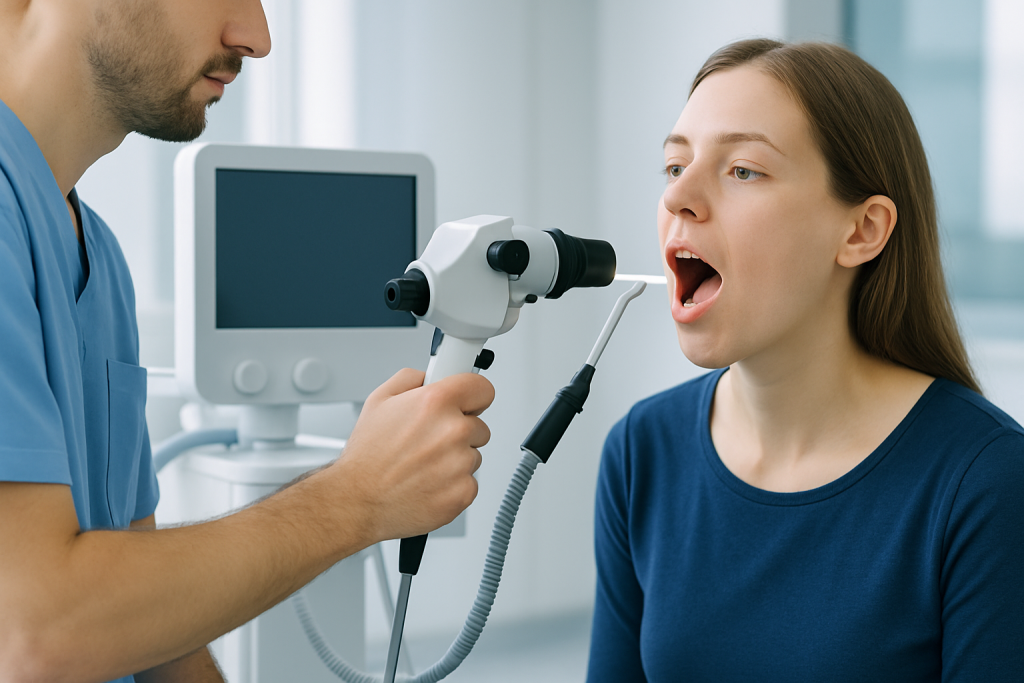
Strep throat often announces itself quickly. Many people notice a sudden, painful sore throat, pain when swallowing, and fever. The tonsils may look red and swollen, and white patches or spots can appear on them. Some patients also develop swollen lymph nodes in the neck, headache, body aches, or nausea.
Unlike many viral throat infections, strep throat often does not come with a cough, runny nose, or hoarseness. That said, symptoms can overlap, especially in children. A clinician may look for these patterns, but testing is usually needed to tell the difference with confidence.
The intensity of symptoms often peaks early, usually within the first 2 to 3 days. If treatment starts promptly, swallowing generally becomes easier first, followed by a gradual drop in fever and overall soreness. The throat can still feel scratchy or tender for several days after the most obvious symptoms settle.
Causes & Risk Factors

Strep throat is caused by bacteria that spread through respiratory droplets or direct contact with saliva and nasal secretions. Sharing utensils, close household contact, crowded settings, and poor hand hygiene can all increase exposure. This is why the infection often appears in schools, dormitories, or families where one person quickly passes it to another.
Children and adolescents are more commonly affected than adults, although adults can certainly get strep throat too. Recent contact with someone who has confirmed strep throat is a common risk factor. Seasonal patterns may also play a role, with cases often seen more frequently when people spend more time indoors together.
Some people are more likely to be evaluated quickly because of travel or work obligations, especially if they are away from home when symptoms begin. In those situations, seeking timely medical assessment can help shorten the illness, reduce the chance of spreading it to others, and make follow-up easier once the patient returns home.
Diagnosis
Diagnosis usually starts with a careful review of symptoms and a look at the throat. Because strep throat can resemble viral infections, appearance alone is not enough. A rapid strep test is often used first, and if the result is unclear, a throat culture may be recommended for confirmation.
Testing matters because antibiotics only help bacterial infections such as strep throat. If the illness is viral, treatment focuses on comfort measures instead. Confirming the cause also helps avoid unnecessary antibiotics and gives a more realistic idea of how long the symptoms are likely to last.
For people traveling internationally, diagnosis may happen in a new health system, which can feel unfamiliar. Bringing a list of medications, allergies, and recent sick contacts can make the visit smoother, especially if follow-up may need to continue with another clinician after returning home.
Treatment Options
When strep throat is confirmed, antibiotics are commonly prescribed to help clear the infection and lower the risk of certain complications. Many patients notice improvement within 24 to 48 hours after starting treatment, although they may not feel fully back to normal right away. Completing the full prescribed course is important even when symptoms improve early.
Supportive care also plays a major role. Rest, fluids, warm liquids, and soft foods can make swallowing easier. Over-the-counter pain relievers or fever reducers may be suggested by a clinician, depending on age, other health conditions, and medication tolerance. A patient should always follow professional guidance rather than combining products without checking first.
In most otherwise healthy people, the infection starts to turn a corner fairly quickly once treatment begins. If symptoms worsen, fever persists, or swallowing becomes difficult despite care, medical review is important. That may mean the diagnosis needs to be reconsidered, or that another issue is present alongside the sore throat.
Prevention & Self-care
Simple habits can help reduce spread and support recovery. Handwashing remains one of the most effective steps, especially after coughing, sneezing, or touching the face. Patients should avoid sharing cups, cutlery, towels, or toothbrushes while they are contagious.
Rest is not just comfort advice; it helps the body recover more efficiently. Staying hydrated can also reduce throat dryness and make swallowing less painful. Soft foods such as soups, yogurt, mashed vegetables, or oatmeal are often easier to tolerate in the first few days.
- Replace the toothbrush after the clinician advises that the infection is no longer contagious.
- Keep children home from school or activities until they are no longer considered contagious and feel well enough to return.
- Use a humidifier if dry air makes throat discomfort worse.
- Follow antibiotic instructions exactly as prescribed if treatment is given.
For patients who must travel, carrying symptom notes and test results can be useful if care continues in another country. Clear documentation helps the next clinician understand what was done, what medication was started, and whether recovery is progressing normally.
When to See a Doctor
A medical evaluation is worthwhile whenever a sore throat is severe, sudden, or associated with fever and swollen neck glands, particularly if there is no cough. Testing is the only reliable way to confirm strep throat and distinguish it from other infections. Early assessment is especially helpful because treatment may shorten the illness and reduce transmission.
Urgent care is appropriate if breathing becomes difficult, swallowing liquids is no longer possible, drooling develops, or the patient seems dehydrated. A clinician should also be contacted if symptoms do not improve after a couple of days of treatment, if fever persists, or if the sore throat keeps returning.
People with significant underlying illness, recurrent infections, or complicated travel schedules may benefit from a prompt, coordinated evaluation. Acibadem Health Point’s multidisciplinary specialists and JCI-accredited hospitals diagnose and treat strep throat for international patients, helping ensure the next steps are clear both during the visit and after return home.
Frequently asked questions
How long does strep throat usually last?
With appropriate antibiotics, many people start to feel better within 1 to 2 days, though full recovery may take several days. Without treatment, symptoms may last longer and the infection can remain contagious for a longer period.
Can strep throat go away on its own?
It sometimes improves without antibiotics, but treatment is still important when strep is confirmed. Antibiotics help shorten the illness, reduce spread, and lower the risk of certain complications.
How long is strep throat contagious?
A person is generally contagious until they have been on antibiotics long enough to reduce spread, and clinicians often use a 24-hour rule as a practical guide. Without treatment, the infection can remain contagious for a longer time.
Why does my throat still hurt after starting antibiotics?
The infection may be improving even if soreness lingers for a few days. Throat tissues need time to heal, and supportive care such as fluids and rest can help during that period.
How can I tell if it is strep throat or a viral sore throat?
Symptoms can overlap, so testing is often needed. Strep throat is more likely when there is sudden throat pain, fever, swollen neck glands, and no cough, but only a clinician can confirm the cause.
When should a child or adult get medical care for a sore throat?
Medical care is important if the sore throat is severe, associated with fever, or makes swallowing difficult. Immediate care is needed if breathing problems, drooling, or signs of dehydration appear.
References
- Centers for Disease Control and Prevention
- World Health Organization
- American Academy of Pediatrics
- Mayo Clinic
- National Health Service
This article is for general information only and is not a substitute for professional medical advice. Please consult a qualified doctor about your individual situation.
Persistent digestive symptoms? Get evaluated in Turkey
JCI-accredited · board-certified surgeons · reply within 24h
Add us as a Preferred Source to see more of our trusted health content across Google Search, AI Overviews and Discover.