Spleen Location

Key Takeaways
- The spleen usually sits in the upper left abdomen, protected by the lower ribs.
- Pain or fullness on the left side can have many causes, not only spleen problems.
- An enlarged spleen may be found during an exam, ultrasound, or other imaging tests.
- Injuries, infections, liver disease, and blood disorders can affect spleen size and function.
- Sudden severe left upper abdominal pain after an accident needs urgent medical assessment.
The spleen is a small but important organ tucked high in the left side of the abdomen, near the stomach and under the rib cage. Understanding its location helps people recognize symptoms, seek the right tests, and know when to ask a doctor for advice.
Overview
The spleen is one of those organs people rarely think about until a doctor mentions it. It sits high in the abdomen, just under the left rib cage, and its position explains why discomfort there can sometimes be linked to the spleen, the stomach, the ribs, or even nearby muscles.
Although small, the spleen plays a useful role in the body. It helps filter blood, supports the immune system, and stores certain blood cells. For patients trying to understand left-sided abdominal symptoms, knowing the spleen’s location is often the first step in making sense of what they feel.
For international patients traveling for evaluation, the spleen is usually assessed with a careful physical exam and imaging rather than by location alone. Its position is well known, but symptoms must be interpreted in context, especially when pain is mild, intermittent, or related to movement.
Where the Spleen Is Located
The spleen is located in the upper left part of the abdomen, behind the stomach and beneath the left lower ribs. In many people, it lies deep enough that it cannot be felt during a routine exam unless it is enlarged.
Because it is tucked under the rib cage, the spleen is partly protected from everyday bumps. Even so, a strong blow to the left side of the body, such as from a fall, sports injury, or traffic accident, can injure it. This is one reason doctors pay close attention to left upper abdominal pain after trauma.
The spleen’s position can vary slightly from person to person. Body shape, breathing, posture, and enlargement of the organ can all change how it feels or whether it can be detected during a checkup. A physician may also consider nearby structures such as the stomach, colon, pancreas, left kidney, and diaphragm when symptoms are present.
What the Spleen Does

The spleen acts as a filter for blood. It helps remove old or damaged red blood cells and supports the body’s defense against infection by working with immune cells.
It also serves as a reservoir for some blood cells and platelets. In certain illnesses, the spleen becomes more active or larger as it responds to inflammation, infection, or changes in blood cell production.
Because the spleen has several important roles, problems affecting it may show up in different ways. Some people notice no symptoms at all, while others develop pain, early fullness after eating, fatigue, or signs related to an underlying blood or liver condition.
Symptoms That May Point to a Spleen Problem
Spleen-related symptoms are often vague. A person may feel a dull ache, pressure, or tenderness in the upper left abdomen, and the discomfort may spread to the left shoulder or back in some cases.
An enlarged spleen can create a sensation of fullness after only a small meal because it takes up extra space near the stomach. Some people also notice bloating, nausea, or a feeling that something is pressing under the ribs.
- Pain or discomfort in the upper left abdomen
- Fullness after small meals
- Left shoulder pain, especially after injury
- Fatigue or weakness related to an underlying condition
- Easy bruising or frequent infections in some blood disorders
These symptoms do not automatically mean the spleen is the cause. Doctors usually look at the whole picture, because stomach irritation, muscle strain, rib problems, and other abdominal conditions can feel similar.
Causes and Risk Factors
Several conditions can affect the spleen. Common causes of an enlarged spleen include infections, liver disease, blood disorders, inflammatory diseases, and some cancers. In many cases, the spleen enlarges as part of the body’s response to another health problem rather than as a disease on its own.
Infections such as viral illnesses may temporarily enlarge the spleen. Liver conditions that affect blood flow, such as cirrhosis, can also lead to splenic enlargement. Blood disorders may cause the spleen to work harder than usual, and certain cancers can involve the spleen directly.
Risk is also higher after abdominal trauma. People who play contact sports, have had a recent fall, or were involved in a vehicle collision should take new left-sided pain seriously. Patients considering Varicose Vein Treatment Abroad: When Stockings Are Enough and When Procedures Help More" class="ahp-ilk">treatment abroad may want a center that can coordinate imaging, laboratory testing, and specialist review in one visit to avoid delays in diagnosis.
How Doctors Diagnose Spleen Problems
Diagnosis starts with a medical history and physical examination. A doctor may ask where the pain is, when it began, whether there was any injury, and whether the person has had fever, weight loss, bruising, or recent infections.
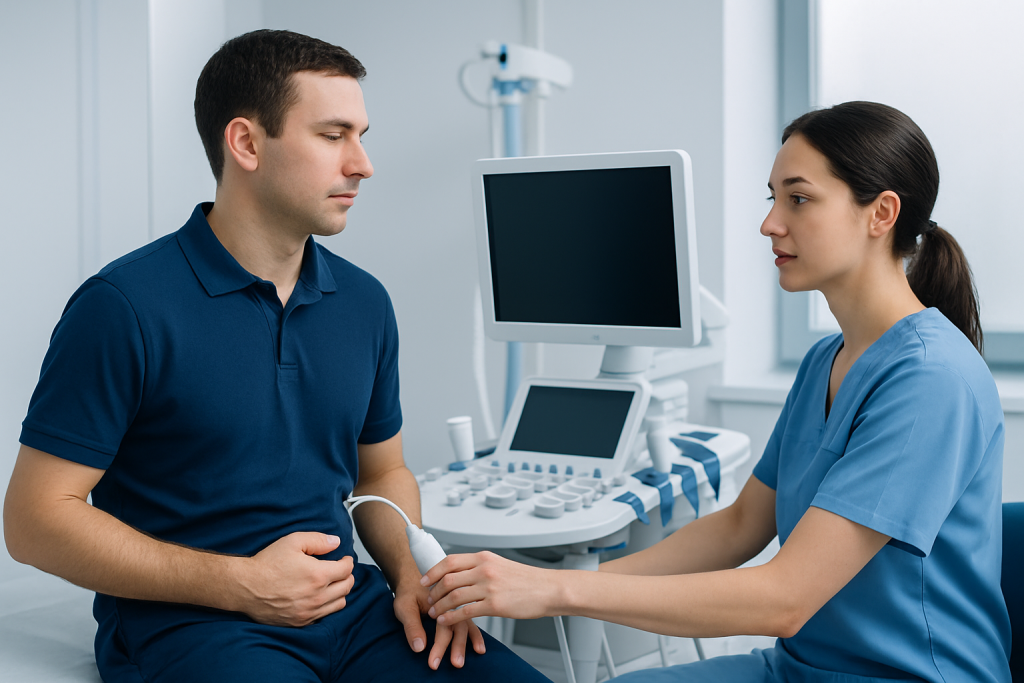
If the spleen seems enlarged or a more detailed check is needed, imaging tests are often used. Ultrasound is commonly chosen because it can show the spleen without radiation. CT or MRI may be recommended when doctors need a broader view of the abdomen or when trauma is suspected.
Blood tests are also important. They can show signs of infection, anemia, low platelets, liver abnormalities, or other clues that help explain why the spleen is enlarged. In some cases, further testing is needed to identify the underlying cause rather than focusing only on the organ itself.
Treatment Options
Treatment depends on what is causing the spleen issue. If the spleen is enlarged because of an infection, care may focus on rest, hydration, monitoring, and managing the underlying illness. If liver disease or a blood disorder is involved, treatment is directed at that condition.
Injury to the spleen is handled carefully. Some splenic injuries can be treated without surgery, especially when the person is stable and the injury is mild. Other cases require hospital observation, procedures, or surgery, depending on the severity and bleeding risk.
When the spleen is removed, the body can still function, but doctors usually discuss infection prevention and long-term follow-up because the spleen supports immune defense. The best plan is always individualized, especially for patients traveling from another country who may need a clear treatment roadmap before departure and a structured follow-up plan after returning home.
Prevention and Self-care
Not every spleen problem can be prevented, but some steps can reduce risk. Protective gear for contact sports, seat belts in vehicles, and prompt care after injury all help lower the chance of splenic trauma.
People with known spleen enlargement should follow their doctor’s advice about activity limits, especially avoiding heavy contact sports or high-impact exercise if the spleen is vulnerable. They should also be cautious with symptoms that suggest bleeding or worsening pain.
General self-care includes staying aware of new left upper abdominal discomfort, keeping follow-up appointments, and telling a doctor about recent infections, travel, or autoimmune or blood conditions. If a person has a diagnosed spleen condition, the safest approach is usually individualized guidance rather than self-treatment.
When to See a Doctor
Medical evaluation is appropriate if left upper abdominal pain lasts, keeps returning, or is accompanied by fever, unexplained fatigue, early fullness, or bruising. These features may signal an enlarged spleen or another abdominal or blood-related condition.
Urgent care is needed after an injury if there is severe pain, dizziness, fainting, shortness of breath, shoulder pain, or signs of internal bleeding. Even if symptoms seem mild at first, splenic injuries can sometimes become more serious over time.
For people seeking an organized second opinion or cross-border care, Acibadem Health Point offers access to multidisciplinary specialists and JCI-accredited hospitals that diagnose and treat spleen-related conditions for international patients. A doctor can explain which tests are needed and what the safest next step should be.
Living With a Spleen Condition
Many spleen-related problems are manageable once the cause is known. Some people only need monitoring, while others need treatment for an underlying infection, liver disease, or blood disorder.
What matters most is not guessing based on location alone, but matching symptoms with the right tests. The spleen’s position makes it easy to overlook, yet it becomes easier to understand when patients know where it sits and why it may hurt.
Clear communication with the care team helps, especially when planning treatment from abroad. Patients do best when they leave with simple instructions about activity, follow-up, warning signs, and how to continue care after returning home.
Frequently asked questions
Where exactly is the spleen located?
The spleen is usually found in the upper left side of the abdomen, behind the stomach and beneath the lower left ribs. It sits deep enough that it is not normally felt during a routine exam unless it is enlarged.
Can spleen pain be felt under the left rib cage?
Yes, discomfort from the spleen may be felt under the left rib cage, but other organs and even muscles can cause pain in the same area. A doctor usually considers the full symptom pattern before deciding whether the spleen is involved.
What are the common signs of an enlarged spleen?
Common signs may include fullness after small meals, discomfort in the upper left abdomen, and sometimes pain that reaches the left shoulder or back. Some people have no symptoms and learn about it during an exam or imaging test.
Is an enlarged spleen always serious?
Not always, but it should be evaluated because it can reflect infection, liver disease, blood disorders, or other conditions that need attention. The importance depends on the cause, size of the spleen, and any symptoms present.
Can exercise affect the spleen?
Most everyday activity is not a problem, but contact sports or high-impact injuries can be risky if the spleen is enlarged or healing after injury. A doctor can advise which activities are safe based on the individual situation.
What test shows the spleen best?
Ultrasound is often used first because it is simple and does not use radiation. CT or MRI may be chosen when doctors need more detail or are checking for injury or another abdominal condition.
References
- National Institute of Diabetes and Digestive and Kidney Diseases
- Mayo Clinic
- Merck Manual Professional Edition
- Cleveland Clinic
- World Health Organization
This article is for general information only and is not a substitute for professional medical advice. Please consult a qualified doctor about your individual situation.