Enlarged Spleen

Key Takeaways
- An enlarged spleen is a finding, not a disease on its own, and it often points to another condition.
- Common causes include infections, liver disease, blood disorders, and some inflammatory conditions.
- Symptoms may be mild or absent, but left upper abdominal fullness, early satiety, fatigue, or pain can occur.
- Diagnosis usually includes a physical exam, blood tests, and imaging such as ultrasound.
- Treatment focuses on the underlying cause, while self-care may include avoiding contact sports and injury to the abdomen.
An enlarged spleen, also called splenomegaly, is usually a sign that another health issue is affecting the body. Many cases are found during evaluation for an unrelated problem, and careful testing helps identify the cause and guide treatment.
Overview
The spleen is a small organ tucked under the left rib cage. It helps filter blood, remove old or damaged blood cells, and support immune function. When it becomes larger than expected, clinicians call the finding splenomegaly, or an enlarged spleen.
An enlarged spleen is often discovered because a person is being checked for fatigue, abdominal discomfort, fever, anemia, or abnormal blood test results. In many cases, the enlargement itself does not cause dramatic symptoms at first; instead, it serves as a clue that something elsewhere in the body needs attention.
For international patients, this is often a condition that benefits from a structured evaluation rather than guesswork. A careful review of history, travel exposure, medications, and prior illnesses can narrow the possibilities quickly and help a doctor decide which tests are most useful.
Symptoms
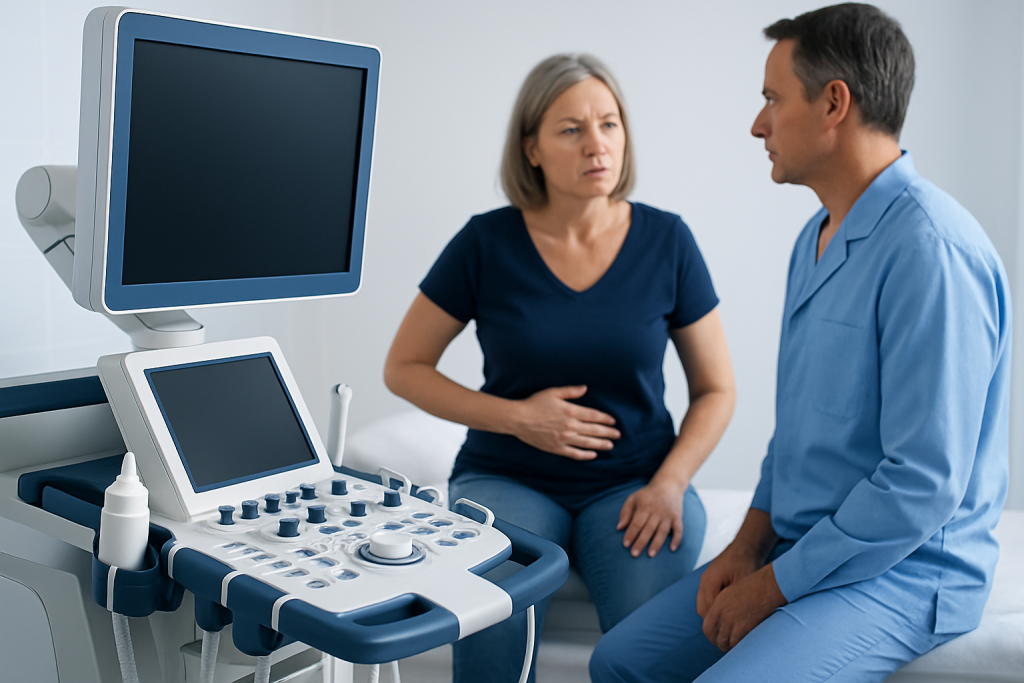
Some people do not notice any symptoms at all. Others may feel vague pressure or fullness in the upper left abdomen, especially after eating a small meal. Because the spleen sits near the stomach, an enlarged spleen can create a sense of early satiety, meaning the person feels full sooner than usual.
When symptoms are present, they may include:
- Pain or discomfort beneath the left ribs
- Feeling full after small meals
- Fatigue or weakness
- Frequent infections in some conditions
- Easy bleeding or bruising in certain blood disorders
If the spleen grows very large, it can sometimes press on nearby organs and make breathing or movement uncomfortable. A sudden, sharp pain in the upper left abdomen, especially after injury, should be evaluated promptly because the spleen is delicate and can be injured more easily when enlarged.
Causes & Risk Factors
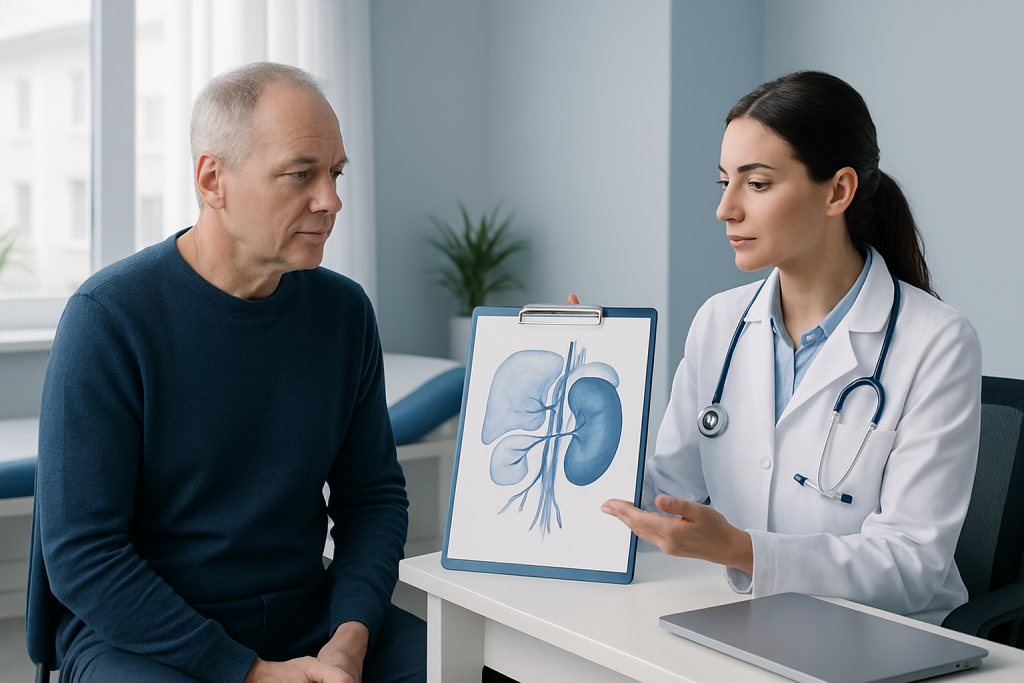
The spleen enlarges for many different reasons, and the pattern of enlargement often reflects the underlying illness. Infections are a common cause, including viral infections such as mononucleosis, as well as certain bacterial, parasitic, and chronic infections in specific regions or travel settings.
Blood-related conditions are another major group of causes. These include hemolytic anemias, some cancers of the blood such as leukemia or lymphoma, and disorders that affect blood cell production or breakdown. Liver disease, especially when it leads to increased pressure in the portal vein system, can also cause blood to back up into the spleen and make it enlarge.
Other possible contributors include inflammatory or autoimmune diseases, storage disorders, and less commonly, congestion or blockage of blood flow. Risk is influenced by the person’s overall medical history, recent infections, family history, travel history, and whether there are signs of liver, blood, or immune system problems.
Diagnosis
Diagnosis begins with a thoughtful history and physical examination. A doctor may feel the abdomen to estimate whether the spleen is enlarged, although a physical exam alone is not always enough to confirm it. The size of the spleen and the reason behind the enlargement often require additional testing.
Common tests include blood work to look at red cells, white cells, platelets, liver function, and markers of infection or inflammation. Imaging, especially ultrasound, is often used because it can measure the spleen without radiation and can also help evaluate the liver and nearby structures. In some situations, a CT scan or MRI may be recommended for a clearer view.
If the cause is not obvious, more targeted testing may be needed. That can include tests for specific infections, autoimmune conditions, or bone marrow disorders. The goal is not simply to confirm that the spleen is enlarged, but to identify the condition driving it so that treatment is directed correctly.
Treatment Options
Treatment depends entirely on the underlying cause. If an infection is responsible, care may focus on supporting recovery and, when appropriate, treating the infection itself. If a blood disorder or liver condition is found, management is guided by the specialist involved, such as a hematologist, gastroenterologist, or hepatologist.
Many people do not need treatment for the spleen itself. Instead, the spleen often becomes smaller when the root problem improves. In selected cases, doctors may recommend medication changes, monitoring, or procedures aimed at the primary disease rather than the spleen.
Surgery to remove the spleen, called splenectomy, is not the first step for most people. It may be considered in certain circumstances, such as some blood disorders, severe complications, or when other treatments are not effective. Because the spleen supports immune defense, doctors carefully weigh the benefits and discuss infection-prevention steps if surgery is needed.
Prevention & Self-care
Not every case of an enlarged spleen can be prevented, especially when it is linked to inherited conditions or illnesses that develop unpredictably. Still, a few practical habits can reduce risk and help protect the spleen once enlargement is known.
People with splenomegaly are usually advised to avoid contact sports, heavy impact activities, or any situation where the upper abdomen could be struck. Even minor trauma can be more concerning when the spleen is enlarged. It is also sensible to follow medical guidance about vaccinations, infection prevention, and follow-up appointments if a spleen disorder or splenectomy is part of the picture.
General self-care includes rest when unwell, staying hydrated, taking prescribed medicines as directed, and keeping a list of previous diagnoses, test results, and medications—especially helpful for people traveling across countries for evaluation or follow-up care. For those arranging Varicose Vein Treatment Abroad: When Stockings Are Enough and When Procedures Help More" class="ahp-ilk">treatment abroad, bringing prior imaging and lab reports can save time and avoid unnecessary repeat testing.
When to See a Doctor
Medical evaluation is appropriate if a person has persistent upper left abdominal fullness, unexplained fatigue, fever, weight loss, or repeated infections. It is also wise to seek care if blood tests show anemia, low platelets, or other abnormalities that have not been explained.
Prompt medical attention is especially important if there is sudden left-sided abdominal pain, pain after an injury, dizziness, fainting, or signs of significant bleeding. These symptoms do not always mean a serious problem, but they do deserve immediate assessment.
People who are told they have an enlarged spleen should follow up even if they feel well, because the next step is usually identifying the cause. In a coordinated setting, multidisciplinary specialists and JCI-accredited hospitals, such as those at Acibadem Health Point, can diagnose and treat this condition for international patients with a clear plan for testing, care, and follow-up.
Living With an Enlarged Spleen
After the diagnosis is made, the practical challenge is usually learning how to live safely while the underlying condition is being evaluated or treated. For many people, this means balancing normal activity with a few precautions, rather than making major life changes.
Doctors may recommend repeat exams or imaging to see whether the spleen is stable, improving, or enlarging further. This follow-up matters because the spleen can change as the primary condition changes. A clear follow-up plan is particularly helpful for patients who return home after treatment, since it gives both the local doctor and the treating team a shared reference point.
With a proper diagnosis and ongoing monitoring, many people manage splenomegaly successfully. The key is not to focus on the spleen alone, but on the broader health picture it represents.
Frequently asked questions
Is an enlarged spleen the same as splenomegaly?
Yes. Splenomegaly is the medical term for an enlarged spleen. The term describes the finding, but it does not explain the cause on its own.
Can an enlarged spleen go back to normal?
Often, yes, if the underlying cause improves or resolves. The spleen may shrink as the infection, liver problem, or blood disorder is treated.
Does an enlarged spleen always cause pain?
No. Some people have no symptoms at all, and the enlargement is found during an exam or imaging test. Others notice fullness, discomfort, or early satiety.
What foods should a person with an enlarged spleen avoid?
There is no universal spleen-specific diet. If liver disease, anemia, or another condition is involved, a doctor may give tailored nutrition advice based on that diagnosis.
Is exercise safe with an enlarged spleen?
Gentle activity may be acceptable in some cases, but contact sports and activities that risk abdominal injury are usually avoided. A doctor should give individualized guidance based on the spleen size and cause.
When does an enlarged spleen become urgent?
Sudden severe pain, dizziness, fainting, pain after an injury, or signs of internal bleeding need urgent medical assessment. These symptoms can indicate splenic injury or another serious issue that should not be delayed.
References
- Mayo Clinic
- Merck Manual Professional Edition
- National Health Service (NHS)
- American Society of Hematology
- Cleveland Clinic
This article is for general information only and is not a substitute for professional medical advice. Please consult a qualified doctor about your individual situation.