Spleen Function

Key Takeaways
- The spleen helps filter blood and supports the body’s immune response.
- An enlarged or damaged spleen may cause discomfort, fatigue, or a feeling of fullness.
- Many spleen problems are linked to infections, liver disease, blood disorders, or injury.
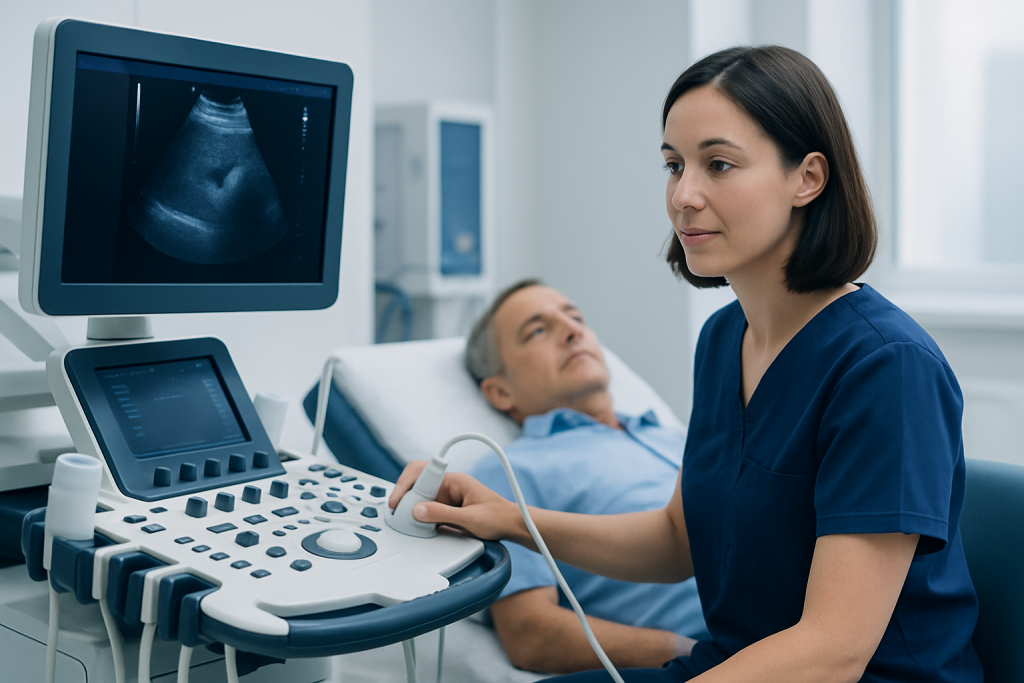
- Diagnosis usually involves a physical exam, blood tests, and imaging such as ultrasound or CT.
- Treatment depends on the cause and may include monitoring, medication, or surgery in selected cases.
The spleen is a small organ with an important role in filtering blood, supporting immune defenses, and recycling worn-out blood cells. Understanding spleen function can help patients recognize when something is not right and know when medical evaluation is needed.
Overview
The spleen is a fist-sized organ located in the upper left part of the abdomen, just beneath the ribs. Although it is not as familiar as the heart or lungs, it has several steady jobs that help the body stay balanced. It filters blood, removes older or damaged red blood cells, stores some blood cells and platelets, and supports the immune system in recognizing infection.
Because the spleen works quietly in the background, many people only learn about it when a health problem is found during an exam or scan. A spleen can enlarge, become injured, or be affected by other conditions such as infections, liver disease, or blood disorders. In many cases, the spleen itself is not the root problem; rather, it is responding to another issue elsewhere in the body.
For patients who are traveling for care, spleen problems are often evaluated as part of a broader medical picture. A careful history, blood work, and imaging can usually clarify whether the spleen is simply reacting to a temporary illness or needs closer follow-up.
What the Spleen Does
The spleen’s work is not usually something a person can feel day to day. When it is healthy, it operates without drawing attention. When it is enlarged or injured, however, it may cause discomfort or signal an underlying condition that deserves assessment.
Because the spleen is connected to both blood and immunity, changes in its function can influence several body systems at once. That is why clinicians often look beyond the spleen itself and ask about fevers, recent infections, travel history, medications, alcohol use, and any history of anemia, liver disease, or blood-clotting concerns.
Symptoms of Spleen Problems

Spleen disorders do not always produce obvious symptoms. Some are found incidentally when a person has a scan for another reason. When symptoms do occur, they may be subtle at first and then become more noticeable as the underlying problem progresses.
Common signs can include a sense of fullness or pressure in the upper left abdomen, pain that may spread to the left shoulder, or early satiety, which means feeling full sooner than expected during meals. Some people also notice fatigue, recurrent infections, easy bruising, or unexplained weight loss depending on the cause.
- Upper left abdominal discomfort or tenderness
- Fullness after small meals
- Fatigue or low energy
- Frequent infections
- Easy bruising or bleeding in some conditions
Because these symptoms overlap with many other health issues, they should be interpreted in context rather than assumed to come from the spleen alone. A clinician can help determine whether the spleen is involved and whether the finding is urgent or routine.
Causes and Risk Factors
An enlarged spleen, often called splenomegaly, can develop for many reasons. Infections are a common cause, including viral illnesses, bacterial infections, and some parasitic diseases. The spleen may temporarily enlarge as it works harder to filter blood and support immune activity.
Blood disorders are another important group of causes. Conditions that affect red blood cells, white blood cells, or platelets can change how the spleen functions and may lead to enlargement over time. Liver disease, especially when it affects blood flow through the portal venous system, is also closely linked to spleen enlargement.
Other contributors may include inflammatory diseases, certain cancers, storage disorders, or physical injury. Risk tends to be higher in people with chronic infections, known hematologic conditions, advanced liver disease, or a history of abdominal trauma. In international-patient settings, clinicians also consider recent travel and exposure history, because some infections are more common in certain regions.
Diagnosis
In some situations, the evaluation is straightforward. In others, it takes a stepwise approach because the spleen may be reflecting several overlapping medical issues. The most useful tests are those that answer a focused question: Is the spleen enlarged, is it functioning properly, and what is causing the change?
Very rarely, a biopsy or specialized procedure is needed, but that is not typical. Most patients can be assessed safely with standard clinical tools, especially when the medical team works methodically and keeps the broader blood and liver picture in view.
Treatment Options
For patients traveling for treatment, coordination matters as much as the diagnosis itself. Follow-up plans should be clear before returning home, especially if repeat blood tests, vaccine scheduling, or specialist review will be needed after discharge. A well-organized medical team can help make that continuity easier to manage.
When treatment is conservative, the goal is often to protect the spleen from injury and avoid unnecessary strain while the underlying cause is addressed. When treatment is procedural or surgical, the recovery plan should include practical guidance about activity, warning signs, and when to seek medical reassessment.
Prevention and Self-Care
Simple daily choices matter too: staying hydrated, following advice on activity limits, and keeping scheduled follow-up appointments all support safer recovery. If travel is involved, it helps to carry a summary of the diagnosis, recent test results, and medication list when crossing borders or changing care teams.
People should not self-diagnose spleen problems based on location of pain alone. The upper left abdomen contains several structures, and discomfort there may come from the stomach, colon, ribs, or muscles. A medical evaluation is the best way to understand what is actually happening.
When to See a Doctor
Medical advice should be sought if there is persistent upper-left abdominal pain, a newly noticed lump or fullness under the left ribs, unexplained fatigue, or repeated infections. A doctor should also be consulted after abdominal trauma, even if symptoms seem mild at first, because spleen injury can occasionally be delayed in presentation.
Urgent care is important for severe abdominal pain, fainting, shoulder pain after injury, signs of significant bleeding, or high fever in someone with known spleen disease or no functioning spleen. These situations deserve prompt assessment because they may indicate bleeding or serious infection.
In many cases, the outlook is reassuring once the cause is identified and treated. The spleen is only one part of a larger system, and careful follow-up usually provides clarity. Acibadem Health Point’s multidisciplinary specialists and JCI-accredited hospitals diagnose and treat spleen conditions for international patients, with coordinated evaluation and follow-up when needed.
Frequently asked questions
Can a person live without a spleen?
Yes, many people live well without a spleen, but the body loses part of its immune defense. After splenectomy, medical teams usually give specific advice about vaccines, fever management, and infection precautions. Regular follow-up is important because prevention becomes more important when the spleen is absent.
What does an enlarged spleen feel like?
Some people feel a sense of fullness or discomfort in the upper left abdomen, and others notice getting full quickly when eating. The pain may be dull rather than sharp, although this is not always the case. Some enlarged spleens cause no symptoms at all and are found on examination or imaging.
Is spleen pain always serious?
Not always, but it should not be dismissed, especially if it is new, worsening, or followed by injury. Spleen-related pain can have many causes, from infection to trauma to other medical conditions. A clinician can help distinguish a minor issue from something that needs faster attention.
Can infections make the spleen swell?
Yes, infections are a common reason the spleen enlarges temporarily. The organ works harder during immune responses, which can lead to swelling. The spleen often returns to normal once the infection resolves, although follow-up may be needed.
How is spleen enlargement usually checked?
Doctors usually begin with a physical exam, blood tests, and imaging such as ultrasound. If needed, they may order CT or MRI to look more closely at the spleen and nearby organs. The next steps depend on what seems to be causing the enlargement.
Should people with spleen problems avoid exercise?
Activity limits depend on the cause and size of the spleen. People with an enlarged spleen are often advised to avoid contact sports and any activity that could lead to abdominal injury. A doctor can give personalized guidance about safe movement and return to exercise.
References
- MedlinePlus
- Mayo Clinic
- Cleveland Clinic
- National Institute of Diabetes and Digestive and Kidney Diseases
- Merck Manual Professional Edition
This article is for general information only and is not a substitute for professional medical advice. Please consult a qualified doctor about your individual situation.