Spiriva

Key Takeaways
- Spiriva is a maintenance inhaler, not a rescue inhaler for sudden breathing problems.
- It is commonly used in chronic obstructive pulmonary disease and sometimes as part of asthma care.
- Correct inhaler technique matters because the medicine works best when it reaches the lungs properly.
- Common side effects are usually mild, but eye symptoms, urinary problems, or worsening breathing should be reviewed by a doctor.
- Patients traveling for treatment should plan medication supply, inhaler technique review, and follow-up before leaving home.
Spiriva is a long-acting inhaled medicine used to help manage chronic breathing conditions, especially COPD, and in some cases asthma. This article explains how it works, what to expect, and how patients can use it safely with guidance from a doctor.
Overview
Spiriva is the brand name for tiotropium, a long-acting inhaled medicine used to help open the airways in the lungs. It belongs to a group of medicines called anticholinergics, which work by relaxing the muscles around the breathing passages so air can move more easily.
Doctors most often prescribe Spiriva for chronic obstructive pulmonary disease, or COPD. In some people with asthma, it may also be used as add-on treatment when a controller plan needs extra support. It is taken regularly to help reduce day-to-day symptoms and lower the chance of flare-ups, rather than to treat a sudden attack.
For patients who manage a long-term lung condition while living abroad or traveling for care, Spiriva is often part of a broader plan that also includes inhaler education, symptom monitoring, and review of other medicines. The goal is not only to prescribe a device, but to make sure the person can use it correctly and continue treatment safely after returning home.
Symptoms and Conditions It May Help Manage
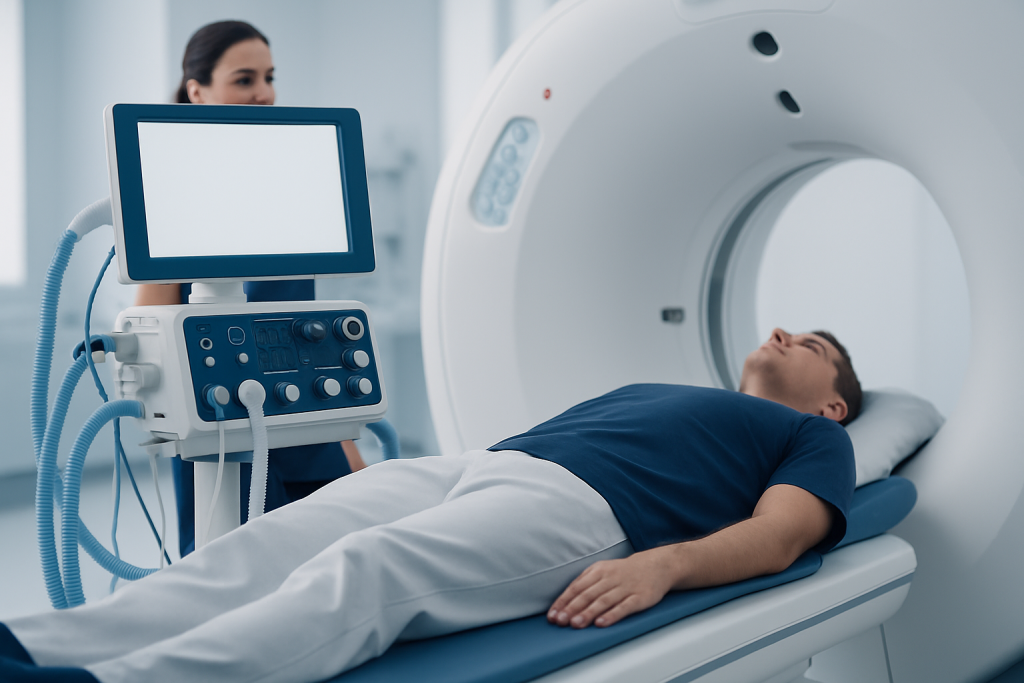
Spiriva is used to help people whose airways tend to narrow over time, causing shortness of breath and a feeling of chest tightness. In COPD, this may include chronic bronchitis, emphysema, or a combination of both. Some people notice that they can walk farther, breathe a little more comfortably, or experience fewer daily symptoms when the medicine is used consistently.
In asthma, tiotropium may be added when symptoms remain troublesome despite other controller medicines. It is generally not the first medicine a person is given for asthma, but it can be helpful in selected patients who continue to have wheezing, coughing, or activity-related breathlessness.
It is important to remember that Spiriva does not work like a quick-relief inhaler. If a person has a sudden flare of wheezing or severe shortness of breath, a fast-acting rescue medicine and urgent medical advice may be needed.
Causes and Risk Factors

Spiriva is not a treatment for a single cause; it is prescribed because certain chronic lung diseases make the airways inflamed, narrow, or overly sensitive. In COPD, long-term exposure to cigarette smoke is a major contributor, although workplace dusts, air pollution, and other inhaled irritants can also play a role. In asthma, the airways may react strongly to triggers such as allergens, infections, exercise, or cold air.
Some people are more likely to need a maintenance inhaler because their symptoms are persistent, their breathing tests show airflow limitation, or they have had previous flare-ups. Age, smoking history, and other medical conditions may also influence the treatment plan.
When international patients arrive for assessment, doctors usually look at the full picture rather than the inhaler alone: symptom pattern, rescue inhaler use, lung function, previous hospital visits, and the medicines already being taken. That broader review helps determine whether Spiriva is appropriate and how it fits with the rest of the plan.
Diagnosis
Before Spiriva is prescribed, a doctor typically confirms the underlying condition and checks whether a long-acting bronchodilator is suitable. This may involve a detailed medical history, a physical examination, and lung function testing such as spirometry. These tests help show how well air moves in and out of the lungs and whether the pattern is more consistent with COPD, asthma, or another respiratory issue.
Doctors may also review symptoms over time, triggers, smoking history, previous flare-ups, and current medications. This matters because the right inhaler choice depends not only on the diagnosis, but also on how severe the symptoms are and how the person has responded to earlier treatments.
For patients coming from another country, it is especially helpful to bring a list of medicines, inhalers, and past test results. That information can reduce guesswork, make consultations more efficient, and support a safer transition back to local care after treatment.
Treatment Options
Spiriva is usually part of a broader treatment plan rather than a stand-alone solution. Depending on the condition, a doctor may recommend it alongside other inhaled medicines such as corticosteroids or combination inhalers, as well as smoking cessation support, pulmonary rehabilitation, vaccination, and symptom follow-up.
There are different inhaler devices that deliver tiotropium, and the technique can vary by device. Patients are often shown how to prepare the inhaler, inhale correctly, hold their breath briefly, and clean the device if needed. This teaching step is essential, because even a good medicine can be less effective if the inhalation method is incorrect.
Possible side effects are usually mild, but they should still be discussed. Dry mouth is common. Some people may notice constipation, sore throat, blurred vision, or difficulty urinating. Rarely, the medicine may worsen glaucoma symptoms or trigger urinary retention, so any unusual eye pain, red eyes, or trouble passing urine should be reported promptly.
People should not use Spiriva as a substitute for rescue treatment during an acute breathing crisis. If breathing suddenly worsens, if lips or fingertips turn blue, or if a person cannot speak in full sentences, urgent medical care is needed. For international patients, clinicians often take extra time to confirm which inhaler is for daily control and which one is for emergencies, because that distinction is easy to confuse when medical instructions are given in a second language.
Prevention and Self-care
Self-care with Spiriva starts with consistency. Using the inhaler exactly as prescribed helps maintain stable control, even on days when symptoms feel quieter. Missing doses or using the device only when breathlessness appears can reduce its benefit.
It also helps to keep the inhaler in a dry, clean place and to review the instructions for the specific device being used. Because inhalers differ, patients should not assume that a new device works the same way as the last one. A pharmacist, nurse, or respiratory specialist can often watch the technique and correct small errors that are easy to overlook.
Other supportive steps may include:
- Avoiding tobacco smoke and other inhaled irritants
- Staying up to date with flu and pneumonia vaccines when recommended
- Noticing early signs of worsening cough, wheeze, or breathlessness
- Keeping a medication list for travel and follow-up appointments
- Asking the doctor whether other inhalers should be used before or after Spiriva
Patients who travel for care should carry enough medication for the trip, keep it in hand luggage when possible, and bring the prescription or clinic letter if they will pass through security or need a refill abroad. A planned follow-up visit, whether in person or virtual, can help confirm that the inhaler is still the right fit after returning home.
When to See a Doctor
A doctor should review Spiriva use if symptoms are not improving as expected, if rescue inhaler use is increasing, or if the person is unsure whether the inhaler is being used correctly. Persistent cough, repeated flare-ups, or a noticeable decline in daily activity can all mean the treatment plan needs adjustment.
Medical advice is also important if side effects become bothersome or unusual. Eye pain, blurred vision, urinary retention, rash, palpitations, or a worsening cough after starting the medicine should be discussed. If a person has a history of glaucoma, prostate enlargement, bladder problems, or allergies to inhaled medicines, the prescribing doctor should know before treatment begins.
In a specialty setting, the care team may reassess the diagnosis, repeat lung testing, or change the inhaler strategy to better match the person’s symptoms and lifestyle. Acibadem Health Point’s multidisciplinary specialists and JCI-accredited hospitals diagnose and treat respiratory conditions for international patients, with an emphasis on clear instructions and coordinated follow-up.
Frequently asked questions
Is Spiriva a rescue inhaler?
No. Spiriva is a maintenance inhaler used regularly to help keep airways open over time. It is not meant to treat a sudden breathing emergency, so a separate rescue inhaler may still be needed if a doctor has prescribed one.
What conditions is Spiriva used for?
It is most commonly used for COPD and may also be added to treatment for some people with asthma. A doctor decides whether it fits the person’s symptoms, test results, and overall treatment plan.
What side effects should patients watch for?
Dry mouth is one of the most common side effects, and some people notice constipation or throat irritation. More serious concerns such as eye pain, blurred vision, or trouble urinating should be reported to a doctor promptly.
How long does Spiriva take to work?
It is designed for regular daily use, and its benefit builds as part of ongoing treatment rather than as an immediate fix. Some people notice easier breathing over time, but the exact response varies from person to person.
Can Spiriva be used with other inhalers?
Yes, it is often combined with other inhaled medicines when a doctor feels that more than one treatment is needed. The timing and order of inhalers may matter, so patients should follow the prescribed plan carefully.
What should international patients bring to a consultation?
A current medication list, previous lung test results, inhaler packaging if available, and any hospital records can be very helpful. These details make it easier for the doctor to confirm the diagnosis and choose the most appropriate inhaler strategy.
References
- National Heart, Lung, and Blood Institute
- Global Initiative for Chronic Obstructive Lung Disease
- Global Initiative for Asthma
- Mayo Clinic
- U.S. Food and Drug Administration
This article is for general information only and is not a substitute for professional medical advice. Please consult a qualified doctor about your individual situation.