Spank

Key Takeaways
- Spinal pain is a symptom, not a diagnosis, and its cause can vary from muscle strain to disc or joint problems.
- Most episodes improve with time, activity modification, and simple supportive measures.
- Persistent pain, numbness, weakness, or pain after injury deserves medical evaluation.
- Imaging is not always needed right away; a clinician usually starts with history and examination.
- Good posture, regular movement, and core-strengthening habits can support spine health over time.
Spinal pain can range from a mild, short-lived ache to a symptom that affects movement, sleep, and daily routines. Understanding its common causes, warning signs, and treatment options can help people make informed, timely decisions about care.
Overview
Spinal pain is one of the most common reasons people seek medical advice. It may feel like a dull ache, a sharp catch, stiffness in the neck or lower back, or pain that travels into the shoulder, arm, buttock, or leg. Because the spine supports movement and protects the nerves of the body, even a small change in one part of it can be noticeable.
The word “spank” is sometimes used informally or may appear as a mistaken title for spinal pain, but the medical concern itself is usually pain arising from the spine or nearby structures. That includes muscles, ligaments, discs, joints, and nerves. In many cases, the discomfort settles with conservative care, but a careful evaluation is important when the pain is persistent, severe, or linked to other symptoms.
For people traveling for care, spinal pain is often investigated in a stepwise way. A consultation may begin with a history of how the pain started, what makes it better or worse, and whether there are nerve-related symptoms. This helps a clinician decide whether rest, rehabilitation, medication, or further tests are the most appropriate next steps.
Symptoms
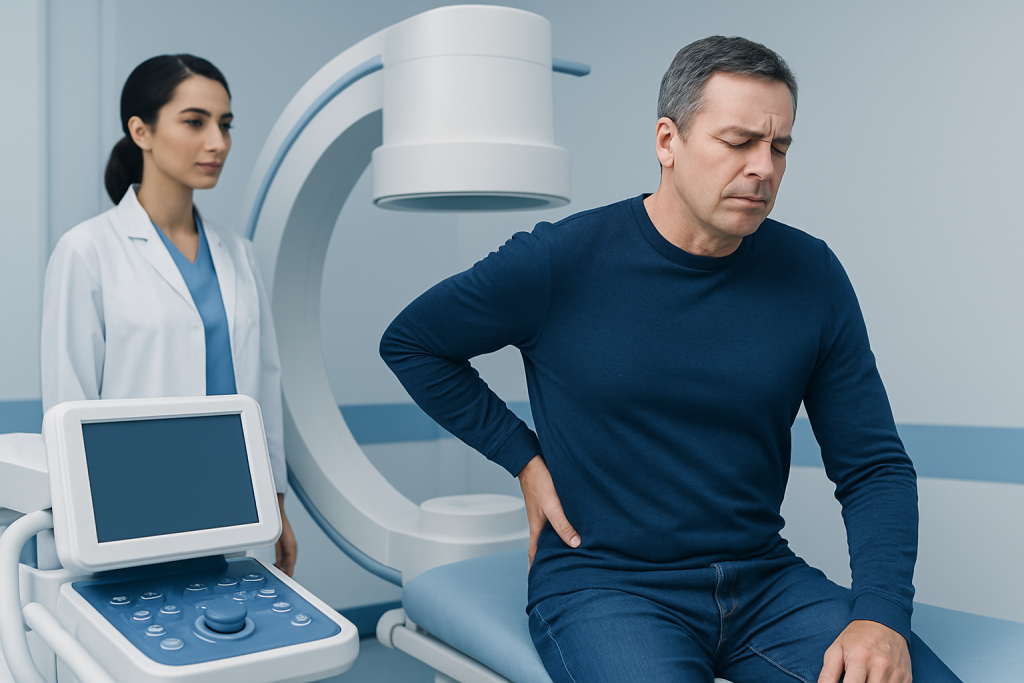
Spinal pain can show up in different ways depending on the part of the spine involved and the underlying cause. Some people notice stiffness first thing in the morning, while others feel pain after lifting, sitting for long periods, or turning in a certain direction. The discomfort may be constant or come and go.
When nerve tissue is irritated or compressed, symptoms can extend beyond the back or neck. Pain may radiate into the arms or legs, and people may describe tingling, numbness, burning, or a sense of weakness. These nerve-related symptoms are useful clues during assessment because they suggest that the pain is not limited to muscles alone.
- Localized neck, mid-back, or lower-back pain
- Stiffness or reduced range of motion
- Pain that spreads into a limb
- Tingling, numbness, or weakness
- Pain that worsens with certain movements, coughing, or prolonged sitting
Some symptoms deserve prompt attention. These include loss of bladder or bowel control, major weakness, numbness in the groin area, fever with back pain, or pain following a significant fall or accident. These do not automatically mean a serious condition, but they do call for timely medical review.
Causes & Risk Factors

Many everyday factors can contribute to spinal pain. Muscle strain from lifting, sudden twisting, or overuse is common, especially when the body is not conditioned for a particular activity. Long hours of sitting, poor ergonomics, and reduced physical activity may also make the back and neck more vulnerable to discomfort.
Changes in the spine itself can also be involved. Degenerative disc disease, herniated discs, facet joint irritation, spinal stenosis, scoliosis, and inflammatory conditions may all produce pain in different patterns. In some cases, the source is outside the spine, such as referred pain from the hips, kidneys, or other structures, which is why a full assessment matters.
Risk can be higher in people with repetitive physical work, prior spinal injury, obesity, weak core muscles, smoking, osteoporosis, or a family history of spine disorders. Stress and poor sleep do not usually cause spinal disease on their own, but they can make pain feel more intense and harder to recover from.
Diagnosis
Diagnosis usually starts with a detailed conversation and physical examination. A clinician will ask when the pain began, where it is located, whether it radiates, what activities affect it, and whether there has been any trauma. Questions about fever, recent infections, cancer history, or neurological symptoms help identify situations that need a closer look.
During the exam, the clinician may check posture, spinal movement, muscle strength, reflexes, and sensation. These findings help distinguish pain that seems muscular from pain that may involve a nerve root or the spinal cord. In many cases, this first step provides enough information to begin conservative treatment.
Imaging is not always required immediately. X-rays, MRI, or CT scans may be recommended when symptoms are severe, persistent, recurrent, or suggest nerve compression, fracture, infection, or another specific condition. Blood tests may be used when inflammatory disease or infection is suspected. For international patients, it is helpful to bring previous scans, medication lists, and any surgical reports to avoid repeating unnecessary tests.
Treatment Options
Treatment depends on the cause, severity, and duration of the pain. For many people, the first phase focuses on reducing irritation while keeping the body gently active. Resting completely for long periods is usually not helpful; instead, clinicians often suggest modified activity, short walks, and avoiding movements that clearly worsen symptoms.
Physical therapy is a major part of care for many spine conditions. A program may include stretching, posture training, core strengthening, mobility work, and advice on how to move safely during daily tasks. When pain is more significant, a doctor may consider medication to ease symptoms, but the choice should always be individualized and guided by a clinician familiar with the patient’s health history.
In some cases, injections or other procedures may be discussed, especially when pain is linked to inflammation, a compressed nerve, or a joint problem that has not improved with basic measures. Surgery is generally reserved for specific situations such as progressive nerve weakness, structural instability, or persistent pain that has not responded to well-directed non-surgical treatment.
For patients traveling for treatment, the plan often includes pre-arrival review, imaging interpretation, specialist consultation, and a clear recovery schedule before returning home. Acibadem Health Point’s multidisciplinary specialists and JCI-accredited hospitals can evaluate and treat spinal conditions for international patients as part of a coordinated care pathway.
Prevention & Self-care
Not every episode of spinal pain can be prevented, but day-to-day habits can make the spine more resilient. Regular movement is one of the simplest supports: walking, gentle stretching, and strengthening exercises help the muscles that stabilize the back and neck. Small, consistent routines are usually more useful than occasional intense exercise.
Workstation setup matters as well. A screen at eye level, feet supported on the floor, and a chair that encourages upright sitting can reduce strain during long workdays. When lifting, it helps to keep the object close to the body, bend at the hips and knees, and avoid twisting under load.
- Change position regularly during long sitting periods
- Use supportive shoes for standing or walking tasks
- Maintain a healthy body weight when possible
- Avoid smoking, which can affect spinal discs and healing
- Keep up with prescribed exercises even after pain improves
Sleep, hydration, and stress management also play a role. People recovering from spinal pain often do better when they pace activities rather than trying to “push through” discomfort. If pain keeps recurring, a follow-up visit can help identify whether posture, work habits, or an underlying spinal condition is contributing.
When to See a Doctor
A doctor’s assessment is worthwhile if spinal pain lasts more than a few weeks, keeps returning, or interferes with sleep, work, or walking. It is also sensible to seek care when the pain follows an injury, feels different from usual soreness, or is accompanied by numbness, weakness, or radiating pain.
Urgent medical attention is needed for red-flag symptoms such as bladder or bowel changes, new leg weakness, numbness in the groin area, fever, unexplained weight loss, or severe pain after trauma. These symptoms do not diagnose a specific condition by themselves, but they need timely evaluation.
For people arranging care from another country, it helps to plan for both diagnosis and follow-up before traveling. A clear diagnosis, written treatment plan, and rehabilitation instructions can make recovery easier to continue after returning home. The right specialist will also explain which symptoms should prompt another review, especially if the condition is likely to improve gradually rather than immediately.
Living Well With Spinal Pain
Spinal pain often improves most reliably when treatment is practical and gradual. That usually means combining medical evaluation with movement, posture awareness, and a realistic recovery timeline. Patients who understand their diagnosis tend to feel more confident using their spine again instead of guarding it constantly.
It is also common for pain to fluctuate. A better day does not always mean the problem is gone, and a worse day does not always mean it has become dangerous. Tracking patterns such as activity, sitting time, sleep, and stress can help both patients and clinicians spot triggers and refine the plan.
When symptoms persist or the diagnosis is not straightforward, a coordinated orthopedic or spine evaluation can be especially useful. The goal is not just to reduce pain, but to restore safe movement, identify the real source of symptoms, and help the person return to everyday life with confidence.
Frequently asked questions
Is spinal pain the same as back pain?
Back pain is one common form of spinal pain, but spinal pain can also involve the neck or mid-back. The exact meaning depends on where the discomfort is located and which structures are affected. A clinician can help determine whether the pain is muscular, joint-related, disc-related, or nerve-related.
Do all cases of spinal pain need an MRI?
No, many people do not need imaging right away. A clinician often starts with a history and physical examination and orders scans only when there are warning signs, neurological symptoms, trauma, or persistent pain. This approach helps avoid unnecessary testing.
Can exercise help spinal pain?
Yes, the right kind of movement often helps recovery. Gentle activity, walking, and guided strengthening can reduce stiffness and improve support around the spine. The key is choosing exercises that match the condition rather than pushing through severe pain.
When is spinal pain likely to be serious?
Pain is more concerning when it comes with weakness, numbness, bladder or bowel changes, fever, major trauma, or unexplained weight loss. Severe or worsening pain that does not improve should also be assessed. These symptoms need prompt medical attention, even if they do not always indicate a dangerous problem.
Can spinal pain improve without surgery?
Yes, many spinal conditions improve with non-surgical care such as physical therapy, activity modification, and symptom relief measures. Surgery is usually considered only when there is a clear structural reason or when other treatments have not worked well. A specialist can explain the most appropriate path for each patient.
What should an international patient bring to a spine consultation?
Previous scans, medical reports, a medication list, and a summary of past treatments are very helpful. If available, bringing the images themselves, not only the written report, can make review faster and more accurate. This is especially useful when care is being coordinated across countries.
References
- World Health Organization
- National Institute of Neurological Disorders and Stroke
- Mayo Clinic
- American Academy of Orthopaedic Surgeons
- NHS
This article is for general information only and is not a substitute for professional medical advice. Please consult a qualified doctor about your individual situation.