Code Blue Hospital

Key Takeaways
- A code blue is an emergency call for immediate clinical help, usually because a patient needs urgent resuscitation.
- Hospital teams follow rehearsed roles so help arrives quickly and care is organized under pressure.
- Not every code blue means cardiac arrest, but it always means the situation is serious and time-sensitive.
- Families should alert staff right away if they notice sudden breathing trouble, collapse, chest pain, or a sharp change in consciousness.
- After stabilization, the team looks for the cause and plans next steps, which may include monitoring, tests, or transfer to a higher level of care.
A code blue hospital alert signals a life-threatening emergency that needs immediate, coordinated action. Understanding what it means can help patients and families feel more prepared if it ever happens during a hospital stay.
Overview
In a hospital, a code blue is the call that brings urgent help to a patient whose condition has become immediately life-threatening. Most people hear the phrase in television dramas, but in real life it is a tightly organized emergency response used by trained staff to act without delay.
The exact meaning can vary slightly from one hospital to another, but it commonly signals that a patient may need resuscitation, advanced airway support, or rapid treatment for a sudden collapse. For international patients and families unfamiliar with a new healthcare system, the term can sound alarming; in practice, it is a signal that the team is mobilizing quickly and following a clear plan.
Hospitals use code systems to reduce confusion in an emergency. The goal is not to create secrecy, but to allow staff to communicate swiftly and calmly while protecting the patient’s privacy and maintaining order in a crowded environment.
What Happens During a Code Blue
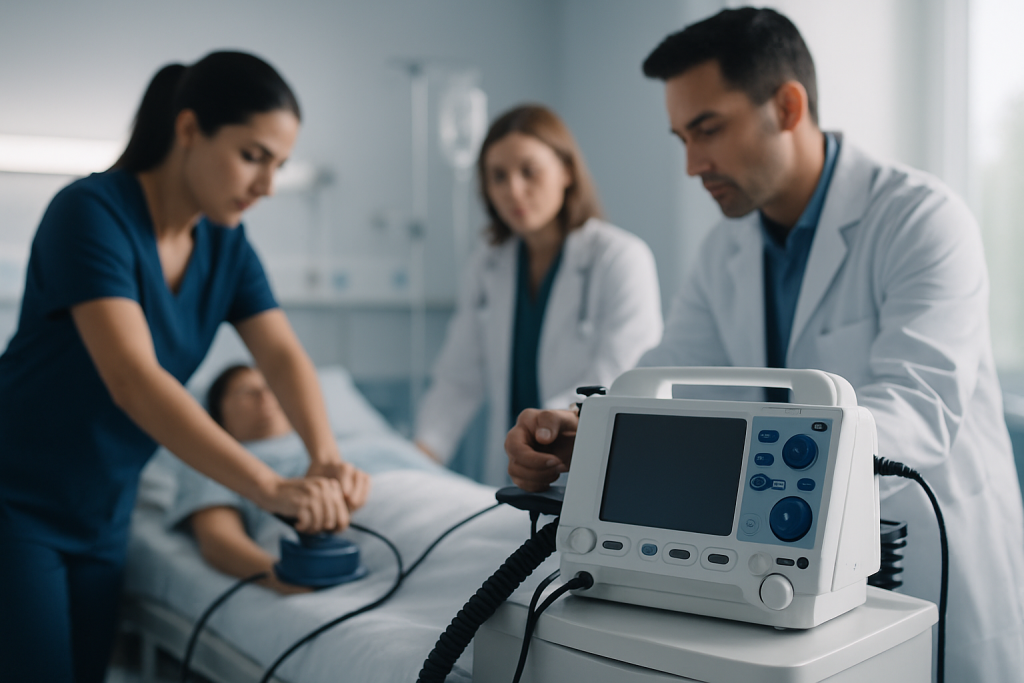
When a code blue is called, nearby staff usually respond first, and additional team members arrive immediately. Depending on the setting, this may include nurses, physicians, respiratory therapists, and other clinicians who are trained to work together during critical events.
The first priorities are usually to assess breathing, circulation, and consciousness, then begin life-support measures if needed. That may involve chest compressions, oxygen delivery, airway management, medication support, or preparation for transfer to an intensive care area.
Because every minute matters, the response is intentionally structured. One person may lead the team, others may document the event, and another may manage equipment or communicate with family members. This division of tasks helps the team focus on the patient rather than on deciding who should do what in the moment.
Not every code blue ends the same way. Some are resolved quickly, while others require longer observation, procedures, or intensive treatment afterward. The team then documents the event carefully and begins looking for the cause so the next steps are based on the patient’s condition rather than the code itself.
Signs and Situations That May Lead to a Code Blue

A code blue is usually triggered by a major change in a patient’s condition rather than by one single symptom. The most common reasons include collapse, loss of consciousness, absent or abnormal breathing, severe breathing difficulty, or a sudden drop in responsiveness.
Sometimes the situation develops after warning signs such as chest pain, extreme shortness of breath, bluish lips, severe bleeding, or a rapidly worsening infection. In other cases, the emergency may appear abrupt, especially in patients who are already medically fragile or recovering from surgery.
- Sudden unresponsiveness
- No breathing or very abnormal breathing
- Severe chest pain or pressure
- Marked shortness of breath
- Seizure with poor recovery
- Rapid deterioration after an operation or procedure
Families should not try to interpret these signs on their own. If a loved one in the hospital seems much worse, the safest action is to notify the nearest nurse or staff member immediately so the team can assess the situation without delay.
Why a Code Blue Can Happen
The underlying causes of a code blue vary widely because the alert describes a medical emergency, not a single disease. Cardiac arrest, severe breathing failure, major blood loss, sepsis, a dangerous heart rhythm, stroke, or a reaction to medication are among the possible triggers.
Some patients are at higher risk because they have advanced heart or lung disease, serious infection, recent major surgery, or complex chronic illness. Older age, frailty, and multiple medical conditions can also make recovery from an acute event more difficult.
In some cases, the event is related to a complication that was already being watched closely. In others, it may reveal a problem that was not obvious at first. That is why the medical team does not stop at the emergency response; it also investigates what happened so that treatment can be tailored appropriately afterward.
How Doctors Diagnose and Investigate the Cause
Once the immediate danger is addressed, the team shifts to identifying why the code blue occurred. The first step is usually a review of what happened just before the emergency, including vital signs, symptoms, medications, recent procedures, and any monitoring data available.
Depending on the suspected cause, doctors may order an electrocardiogram, blood tests, chest imaging, oxygen checks, or neurologic assessment. If the patient stabilized after a resuscitation event, they may require admission to a monitored unit for close observation and repeated evaluations.
For international patients, this stage often includes explaining the findings in plain language, clarifying what recovery may look like, and coordinating any follow-up that must continue after discharge or after returning home. Good communication matters here because the emergency has usually been only the beginning of the full treatment plan.
Treatment Options After the Emergency
Treatment during a code blue focuses on restoring breathing and circulation, but the care does not end there. Once the patient is stable, clinicians address the cause and support the organs that may have been affected during the event.
That may include oxygen therapy, medication adjustments, procedures to treat a blockage or bleeding, infection treatment, or advanced monitoring in an intensive care setting. Some patients need temporary ventilation support, while others may only need observation and targeted treatment for the underlying problem.
Recovery can be brief or prolonged depending on the cause, the patient’s previous health, and how quickly treatment began. Families are often involved in decisions about the next steps, especially if the patient is transferred between units or discharged with a new care plan.
For patients traveling internationally, continuity of care is especially important. Discharge instructions, medication lists, and follow-up plans should be written clearly so the next clinician can continue care smoothly at home or at another facility.
Prevention and Self-care
Not every code blue can be prevented, but many emergencies are less likely when underlying health problems are monitored early and treated consistently. For patients with known heart, lung, neurologic, or infectious conditions, regular follow-up and careful medication use can reduce the chance of sudden deterioration.
Patients and families can also help by reporting new symptoms early, asking questions about warning signs, and making sure the care team knows the full medical history, allergies, and current medications. In a hospital, speaking up quickly about a change is not overreacting; it is part of safe care.
If someone has been discharged after a serious illness, self-care may include rest, hydration if allowed, wound care, medication adherence, and attending follow-up appointments. For those returning to another country, it is wise to carry a concise summary of the hospital stay and any test results that may matter later.
- Keep chronic conditions under regular medical review
- Take prescribed medicines as directed by a clinician
- Seek help early for chest pain, breathing changes, or fainting
- Bring an updated medication and diagnosis list to appointments
- Follow post-discharge instructions carefully
When to See a Doctor
Any sudden collapse, severe breathing trouble, chest pressure, new confusion, or loss of consciousness should be treated as an emergency. In a hospital, tell staff immediately; outside the hospital, call local emergency services without delay.
Even less dramatic changes may deserve prompt medical attention if they are new or worsening, especially in someone with heart disease, lung disease, recent surgery, cancer treatment, or a serious infection. It is better to ask for an assessment early than to wait for symptoms to become severe.
After a code blue or another critical event, follow-up with the treating team is important even if the patient feels better. The goal is to understand the cause, reduce the risk of another episode, and make sure recovery is monitored safely.
Acibadem Health Point works with multidisciplinary specialists and JCI-accredited hospitals to diagnose and treat patients who experience critical emergencies such as a code blue, including international patients who need coordinated care and clear follow-up planning.
Living With the Aftermath of a Critical Hospital Event
It is common for patients and families to feel shaken after a code blue, even when the outcome is good. A sudden emergency can change the pace of treatment, the length of hospital stay, and the questions that need to be answered before recovery feels complete.
After discharge, the most useful approach is usually practical and gradual: understand the diagnosis, know which symptoms should trigger urgent help, and keep follow-up appointments so the medical team can adjust the plan if needed. Emotional recovery matters too, and some patients benefit from reassurance, structured education, or support in reviewing the hospital records later.
For international patients, a clear written summary can be especially helpful because care may continue in a different country, language setting, or healthcare system. A well-organized handoff reduces confusion and supports safer recovery.
Frequently asked questions
What does code blue mean in a hospital?
A code blue usually means a patient has a life-threatening emergency and needs immediate clinical response. It often involves resuscitation or urgent support for breathing or circulation. The exact meaning can vary slightly by hospital, but it always signals that help is needed right away.
Is a code blue always cardiac arrest?
No, not always. While cardiac arrest is a common reason, hospitals may use the code for other sudden emergencies such as severe breathing failure or collapse. The response is designed to be fast and organized regardless of the cause.
Can family members stay in the room during a code blue?
Policies differ by hospital and by situation. In many cases, staff may ask family members to step out briefly so the team can work safely and efficiently. A staff member will usually explain what is happening and guide the family to an appropriate waiting area.
What happens after the patient is stabilized?
The team looks for the cause of the emergency and decides what care is needed next. This may include tests, monitoring in a higher-acuity unit, or treatment for an underlying heart, lung, infection, or neurologic problem. The recovery plan depends on the individual situation.
Can a code blue happen outside the hospital?
The term itself is mainly used inside hospitals, but the medical emergency it describes can happen anywhere. Outside the hospital, people should call emergency services immediately if someone collapses, stops breathing normally, or becomes unresponsive. Early action can make a major difference.
How can international patients prepare for emergencies during a hospital stay?
They can help by sharing a complete medical history, current medications, allergies, and emergency contacts as early as possible. It also helps to ask how urgent situations are communicated and what language support is available. Clear communication makes it easier for the care team to respond quickly if an emergency occurs.
References
- American Heart Association
- World Health Organization
- National Institutes of Health
- Mayo Clinic
- The Joint Commission
This article is for general information only and is not a substitute for professional medical advice. Please consult a qualified doctor about your individual situation.