Remote Follow-Up After ENT Treatment: What Can Be Managed From Home

Key Takeaways
- Remote ENT follow-up is often well suited to symptom review, wound checks by photo or video, medication discussion, and recovery guidance.
- Hearing changes, severe pain, fever, heavy bleeding, breathing problems, or worsening swelling should be assessed promptly in person.
- Good home follow-up depends on clear instructions, reliable communication, and knowing which findings can and cannot be judged remotely.
- Patients recovering after surgery abroad often benefit from a structured plan that includes timing of virtual check-ins and local emergency contacts.
- Telehealth does not replace endoscopy, hearing tests, or hands-on examination when those are needed for safe decision-making.
Medically reviewed by the Acıbadem clinical team — June 13, 2026
Remote follow-up can make ENT recovery easier to manage, especially for patients traveling home after treatment or balancing recovery with daily life. Many symptoms, wound updates, medication checks, and routine progress reviews can be handled safely from home, while certain changes still need an in-person examination.
Overview
After ear, nose, or throat treatment, recovery does not end when the procedure is finished. For many patients, especially those returning home after care in another city or country, follow-up becomes a practical question: what really needs to be examined in person, and what can be reviewed safely from a distance?
Remote follow-up in ENT care usually means video visits, secure messaging, phone calls, photo updates, or review of test results. It works best when the original treatment team gives clear instructions about which symptoms are expected, which findings are reassuring, and which changes should trigger a faster appointment.
This approach is not meant to replace the full exam whenever hands-on assessment is important. Instead, it helps patients stay connected to their clinicians during healing, medication adjustment, and rehabilitation, while reducing unnecessary travel for issues that can be monitored at home.
Symptoms and Recovery Changes That Can Be Managed From Home
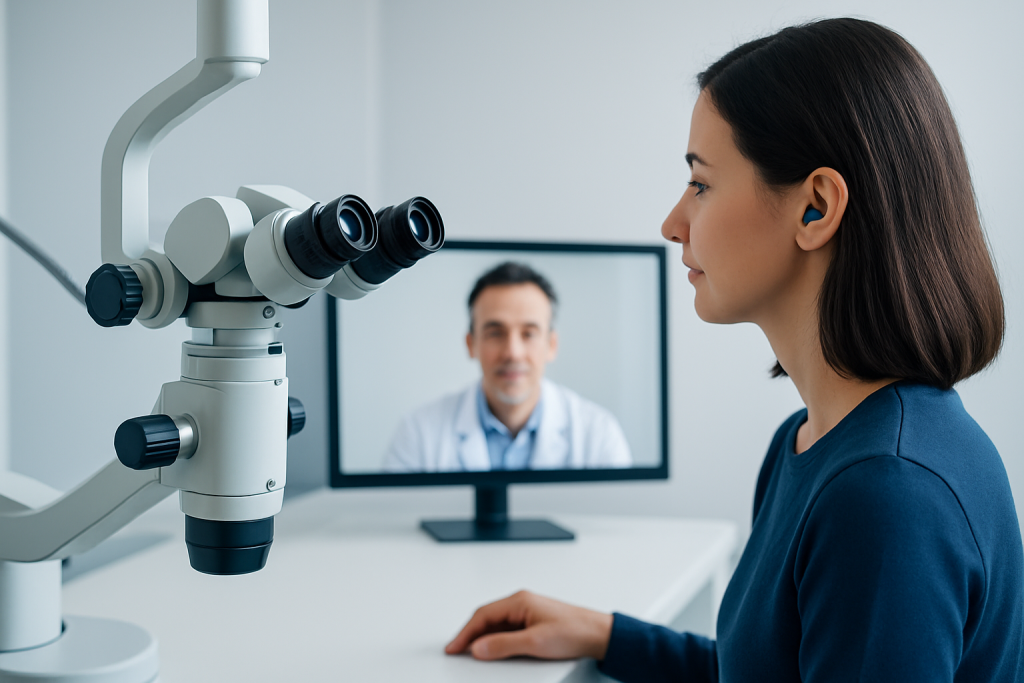
Many normal recovery changes after ENT treatment can be followed remotely if the patient knows what to observe. Examples include mild throat soreness after a procedure, temporary nasal congestion, improving ear pressure, or gradual decreases in swelling and discomfort. A clinician can often judge progress from a good symptom history and, when appropriate, photos or a short video.
Home follow-up is also useful for checking whether medicines are being tolerated, whether dressings or nasal care steps are being performed correctly, and whether sleep, eating, and hydration are returning to normal. Patients recovering far from the hospital often find it helpful to send updates at planned intervals rather than waiting until they are worried.
In many cases, a remote visit can help answer questions such as:
- Is this level of pain still within the expected range for recovery?
- Are the prescribed sprays, rinses, or drops being used in the right way?
- Is the incision, packing, or outer dressing looking as expected?
- Is hearing, swallowing, or nasal breathing improving over time?
These conversations can be very effective when symptoms are trending in the right direction and no red flags are present.
Causes & Risk Factors: Why Some Patients Need Closer Follow-Up
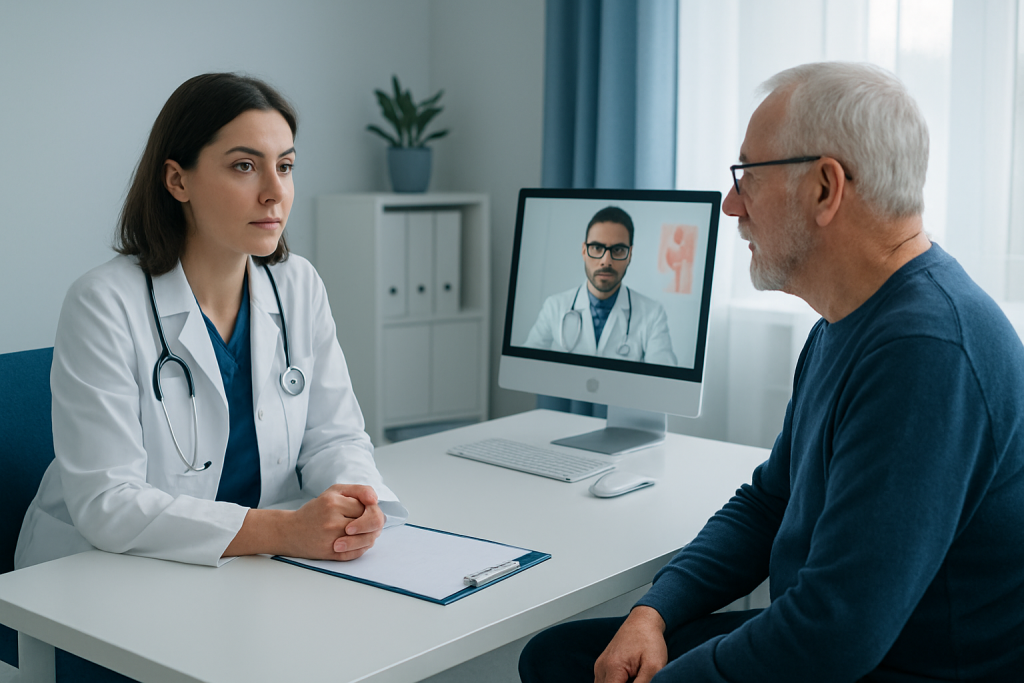
The need for remote versus in-person follow-up depends on the type of ENT treatment, the complexity of the case, and the patient’s medical background. A straightforward post-op review after a routine procedure may be suitable for virtual monitoring, while a more complex reconstruction, persistent infection, or repeated bleeding usually requires closer hands-on care.
Several factors can make follow-up more demanding. These include a history of frequent infections, immune system problems, blood-thinning medicines, diabetes, smoking, previous surgery in the same area, or travel-related barriers that make returning for a clinic visit difficult. Children, older adults, and patients with limited access to local ENT care may also need a more structured plan.
Remote follow-up is particularly useful when a patient has returned home after treatment abroad. In that setting, the main challenge is not only healing itself but also coordinating information between the treating team, the patient, and sometimes a local doctor who can help if an urgent exam is needed.
Diagnosis: What Can Be Assessed Remotely, and What Cannot
Telehealth works well for many parts of recovery assessment, but it has clear limits. A clinician can usually evaluate pain control, fever, swallowing, voice changes, nasal drainage, ear discharge described by the patient, facial swelling, general energy level, and whether symptoms are improving, stable, or worsening.
Some information can be gathered through guided visual inspection. With a video call or clear photographs, a doctor may review the outer nose, ear, throat, incision sites, or visible swelling. This can be useful for routine recovery checks, but image quality, lighting, and angle all affect how much can be concluded.
Remote care cannot replace an examination when the clinician needs to look deeper inside the ear, nose, or throat, suction secretions, test hearing, inspect the eardrum directly, or measure airway concerns more precisely. When those details matter, the safest plan is usually an in-person visit or local evaluation arranged by the treating team.
Treatment Options: How Remote Follow-Up Supports ENT Care
Remote follow-up supports treatment by helping the clinician confirm that the recovery plan is being followed and that symptoms are staying within the expected range. Depending on the condition, the plan may involve pain relief guidance, antibiotic or steroid review, nasal saline care, ear drop instructions, wound care, dietary advice, voice rest, or activity limits.
For international patients, virtual follow-up can bridge the gap between leaving the hospital and settling back into home life. It can help answer practical questions such as when it is safe to fly, when dressings should be removed, how to handle rinses while traveling, or whether a local physician should check a new symptom before the next scheduled review.
Useful remote follow-up tools often include:
- Scheduled video visits at specific points in recovery
- Secure photo sharing of incisions, swelling, or dressings
- Symptom diaries for pain, fever, drainage, or breathing changes
- Medication and rinse checklists
- Coordination with a local ENT doctor if a hands-on exam becomes necessary
The goal is not simply convenience. It is to keep recovery organized, reduce uncertainty, and make sure the patient knows exactly when the plan is still on track and when it needs a change.
Prevention & Self-care: Making Home Recovery Safer and Easier
Good home recovery starts with clear instructions before discharge. Patients should leave with an easy-to-read plan that explains medicine timing, bathing or showering guidance, activity restrictions, wound care, what kind of drainage is expected, and which symptoms should be reported immediately. If care is being continued across borders, written instructions are especially valuable.
Practical self-care usually includes rest, hydration, gentle hygiene, keeping follow-up appointments, and avoiding activities that could raise pressure, strain the surgical area, or irritate healing tissue. Patients should use medicines exactly as prescribed by their treating team and avoid adding over-the-counter products unless they have been approved.
It also helps to prepare for the remote visit itself. Before the appointment, the patient should have a quiet space, good lighting, a list of current medicines, any temperature readings if relevant, and photos taken according to the clinic’s instructions. If another doctor will be involved locally, sharing the discharge summary makes communication smoother and reduces delays.
When to See a Doctor
Some changes should not wait for the next scheduled remote check-in. ENT patients should seek prompt medical advice if they develop trouble breathing, significant swallowing difficulty, heavy or persistent bleeding, high fever, rapidly worsening pain, marked swelling, sudden hearing loss, severe dizziness, or confusion.
Other warning signs include foul-smelling discharge, redness that is spreading, worsening drainage from an incision, new facial weakness, a severe headache that is not improving, or vomiting that prevents medicines or fluids from staying down. Even if a remote visit is already planned, these symptoms may need an in-person examination.
If there is any uncertainty, it is better to contact the treating team early than to wait. A brief message, photo, or video call can sometimes clarify whether the situation is routine or whether local urgent care is needed. In some cases, Acibadem Health Point’s multidisciplinary specialists and JCI-accredited hospitals can help diagnose and treat ENT conditions for international patients with coordinated follow-up planning.
Planning Follow-Up Across Borders
Patients who return home after ENT treatment often do best when follow-up is organized before the trip begins. That means agreeing on the timing of the first virtual review, understanding which findings can be monitored remotely, and knowing where to go locally if an urgent examination becomes necessary.
It is also wise to keep copies of operative notes, imaging reports, prescriptions, and discharge instructions in one place. If a local clinician needs to help with care, having that information ready can prevent confusion and make the transition much smoother.
Remote follow-up is most effective when it is treated as part of the recovery plan rather than an afterthought. With the right structure, many patients can heal safely at home while staying closely connected to the team that knows their case best.
Frequently asked questions
Which ENT problems are often suitable for remote follow-up?
Routine recovery checks after many ear, nose, and throat procedures can often be reviewed remotely. This may include symptom updates, medication questions, wound appearance, and general healing progress. The suitability depends on the procedure and whether a hands-on exam is needed.
Can a doctor assess healing from photos or video?
In some cases, yes. Clear photos or a video call can help a clinician judge visible swelling, incision appearance, or outer drainage. However, image-based review cannot replace endoscopy, hearing tests, or an examination inside the ear, nose, or throat when those are required.
What symptoms should not be managed only at home?
Breathing difficulty, heavy bleeding, sudden hearing loss, high fever, severe dizziness, and rapidly worsening swelling should be assessed promptly. These symptoms may signal a problem that needs an in-person visit. If there is doubt, the patient should contact the treating team quickly.
Is telehealth useful after ENT surgery abroad?
Yes, it can be very helpful for international patients who return home before the full recovery period is complete. Virtual follow-up can keep the patient connected to the treating team and help coordinate care with a local doctor if needed. It works best when the discharge plan is clear and specific.
What should a patient prepare before a remote ENT appointment?
The patient should have a list of medicines, a summary of symptoms, and any temperature or drainage notes if relevant. Good lighting, a stable internet connection, and photos taken according to the clinic’s instructions can also help. Having discharge papers nearby makes the visit more efficient.
Does remote follow-up mean the recovery is less serious?
No. It simply means part of the monitoring can be done safely without travel when the situation allows. Some ENT problems still need in-person care, and the treating doctor will decide which approach fits the case best.
References
- American Academy of Otolaryngology–Head and Neck Surgery
- World Health Organization
- NHS
- Mayo Clinic
- Centers for Disease Control and Prevention
This article is for general information only and is not a substitute for professional medical advice. Please consult a qualified doctor about your individual situation.