Snap-In Dentures: Benefits, Types and Care

Key Takeaways
- Snap in dentures are removable dentures that connect to implants for added stability.
- They may help reduce slipping, improve chewing, and feel more secure than conventional dentures.
- Not every patient is a candidate; gum health, bone support, and overall oral condition matter.
- Proper cleaning of both the dentures and implants is essential for long-term use.
- A dentist can compare snap in dentures with other tooth replacement options based on individual needs.
Medically reviewed by the Acıbadem clinical team — August 19, 2026
Snap in dentures are a type of removable denture that attaches securely to dental implants, offering more stability than traditional dentures. They can improve comfort, chewing, and confidence while still allowing easy removal for cleaning.
Overview
Snap in dentures are designed for people who want the removability of a denture with the steadier fit of implant support. Instead of resting only on the gums, they attach to dental implants using special connectors, which helps them stay in place during daily activities such as speaking and eating.
For many patients, this option sits between traditional full dentures and fixed implant restorations. The denture can still be taken out for cleaning, yet it feels more anchored in the mouth. That balance makes it especially appealing for people who have struggled with loose dentures or who want a more confident experience after tooth loss.
Because treatment planning affects both function and appearance, the process is usually personalized. A dentist evaluates the health of the gums, the amount of jawbone available, and the patient’s long-term oral goals before recommending whether snap in dentures are the right fit.
How Snap In Dentures Work
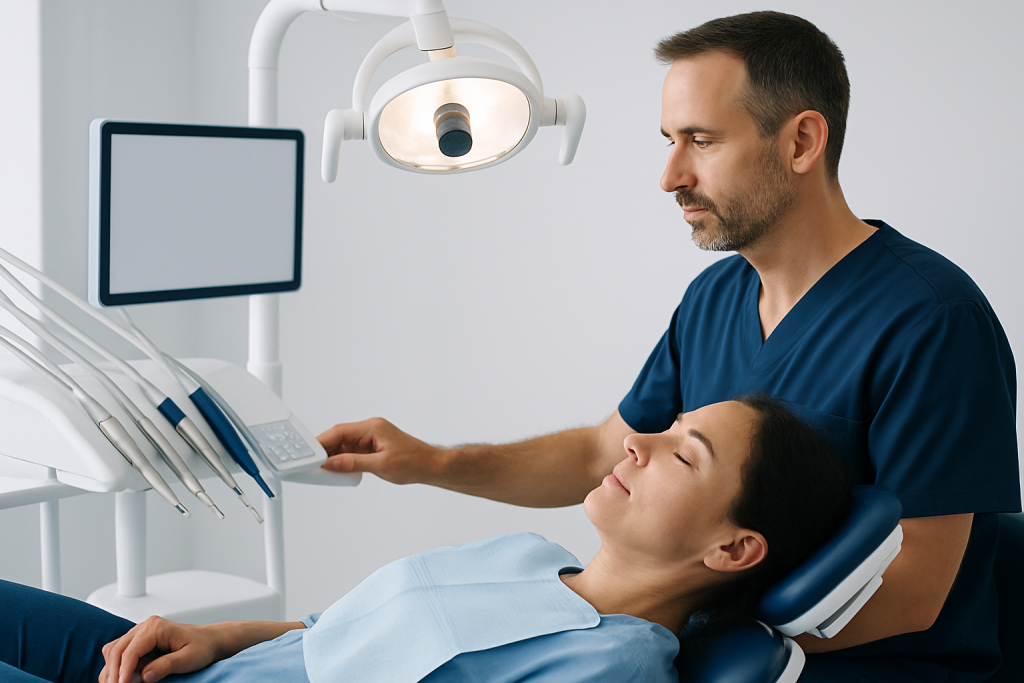
Snap in dentures are usually supported by two or more implants placed in the jaw. These implants act like artificial tooth roots and provide a stable base for the denture. Small attachments on the implants connect with matching parts inside the denture, allowing the denture to “snap” into position.
This design helps reduce the shifting that can happen with conventional dentures. The improved retention can make it easier to bite into firmer foods and may reduce sore spots caused by friction against the gums. The exact design may vary, but the goal is always the same: more secure daily use without making cleaning too difficult.
Some patients use snap in dentures for a full arch of missing teeth, while others use them in the lower jaw where conventional dentures often feel less stable. In either case, the implants and attachments need regular monitoring to keep the system functioning comfortably.
Signs a Patient May Be Considering Them

People often begin exploring snap in dentures after living with a denture that moves, clicks, or feels unpredictable. If the lower denture lifts while talking or the upper denture no longer feels dependable, the patient may start asking whether implant support could improve day-to-day comfort.
Other common reasons include difficulty chewing certain foods, repeated pressure sores, or feeling self-conscious about a denture shifting in public. Some patients are also planning travel or a busy work routine and want a replacement option that feels more secure and easier to manage away from home.
- Loose or unstable conventional dentures
- Reduced chewing confidence
- Frequent gum irritation from denture movement
- Desire for a removable but more secure solution
- Interest in preserving a more natural oral feel
A consultation helps clarify whether these concerns are best addressed with snap in dentures, another implant restoration, or a different dental approach altogether.
Causes & Risk Factors
Snap in dentures are not caused by a disease; they are a treatment option chosen when tooth loss has already occurred. People may lose teeth because of decay, gum disease, injury, or long-term wear and tear. Once several teeth are missing, chewing efficiency, jawbone health, and facial support can all change over time.
Not everyone is an immediate candidate for implant-supported dentures. A patient’s bone volume, gum condition, oral hygiene habits, and medical history all play a role in whether implants are likely to heal well and remain stable. Smoking, untreated gum disease, and some chronic health conditions may affect planning and healing.
Age alone does not rule out treatment. What matters more is whether the mouth and overall health can support implant placement and whether the patient is able to maintain the prosthesis carefully after treatment, especially if travel or cross-border follow-up is part of the care plan.
Diagnosis and Treatment Planning
Before recommending snap in dentures, a dentist typically performs an oral examination and reviews the patient’s dental history. Imaging may be used to assess bone support and plan implant placement. The evaluation also considers how the patient bites, speaks, and cleans their teeth at home.
Planning is especially important when care involves international travel. Patients often want to know how many visits are required, whether any preparatory treatment is needed before arriving, and what kind of follow-up will be necessary once they return home. A clear timeline helps the patient prepare realistically and avoid surprises.
In many cases, the dentist discusses several options side by side, including conventional dentures, implant-retained overdentures, and fixed implant bridges. This comparison helps the patient choose an approach that matches oral health needs, comfort goals, and practical considerations such as hygiene and maintenance.
Treatment Options
Snap in dentures are one of several ways to replace missing teeth. The treatment usually begins with implant placement, followed by a healing period, and then the denture is attached to the implants. The exact sequence depends on the patient’s mouth, bone condition, and whether any extra dental work is needed first.
Compared with traditional dentures, snap in dentures often offer better stability and may improve confidence while speaking or eating. Compared with fixed implant restorations, they are easier to remove for daily cleaning, which some patients find reassuring and practical. The trade-off is that the attachments may need periodic maintenance over time.
Other options may still be better for some patients. A clinician may suggest conventional dentures if implants are not suitable, or a fixed implant-supported solution if the patient prefers a non-removable result. The best choice is the one that balances comfort, oral health, and long-term upkeep.
- Traditional removable dentures
- Implant-retained overdentures
- Fixed implant bridges
- Partial dentures for selected cases
Prevention & Self-care
While snap in dentures are a restorative treatment rather than a preventive measure, good daily care helps protect both the implants and the surrounding gums. Cleaning the denture carefully, brushing the attachment areas, and following the dentist’s instructions can reduce the chance of irritation or buildup around the implants.
Regular checkups matter because the fit and function of the denture can change gradually. Attachments may wear down and need replacement, and gum tissues can change shape over time. Patients who travel for care should plan follow-up in advance so maintenance does not become an afterthought.
Helpful habits usually include avoiding tobacco, keeping gums healthy, and being cautious with very hard or sticky foods until the dentist confirms that the restoration is ready for them. Good maintenance helps the denture feel more comfortable and supports long-term oral health.
- Clean the denture and implant area daily
- Use the cleaning tools recommended by the dentist
- Attend routine reviews for fit and attachment checks
- Protect the mouth by avoiding harmful habits such as smoking
- Report sore spots, looseness, or broken parts promptly
When to See a Doctor
A dentist should evaluate any denture that suddenly feels loose, painful, or difficult to use. Changes in fit can signal that the prosthesis needs adjustment, the attachments are wearing, or the underlying gum and bone condition has changed.
Patients should also seek advice if they have swelling, persistent irritation, trouble chewing, bad odor that does not improve with cleaning, or a denture that no longer snaps into place smoothly. These issues are often manageable, especially when addressed early.
For people considering treatment from another country, it is wise to ask about aftercare before leaving. A clear plan for healing checks, attachment maintenance, and emergency contact helps the patient feel prepared once they return home. Acibadem Health Point’s multidisciplinary specialists and JCI-accredited hospitals diagnose and treat this condition for international patients, with coordinated care designed to support both treatment and follow-up.
Frequently asked questions
What are snap in dentures?
Snap in dentures are removable dentures that attach to dental implants for extra stability. They are designed to feel more secure than conventional dentures while still being easy to take out for cleaning.
Are snap in dentures better than regular dentures?
They can be a better option for patients who want less movement and improved chewing confidence. However, the best choice depends on bone support, oral health, and personal goals.
Do snap in dentures hurt?
The procedure itself is planned with comfort in mind, and recovery varies from person to person. Some temporary soreness can occur after implant placement or adjustment, but persistent pain should be checked by a dentist.
How long do snap in dentures last?
Their lifespan depends on the condition of the implants, the denture material, and how well they are maintained. Regular cleaning and dental reviews help extend their usefulness.
Can a patient eat normally with snap in dentures?
Many patients find eating easier and more comfortable than with conventional dentures, especially once they have adjusted. It is still sensible to begin with softer foods and follow the dentist’s guidance about chewing after treatment.
Who is not a good candidate for snap in dentures?
Patients with insufficient bone, active gum disease, or medical issues that affect healing may need other options first. A dental evaluation is the best way to determine suitability.
References
- American Dental Association
- Mayo Clinic
- National Institute of Dental and Craniofacial Research
- Cleveland Clinic
This article is for general information only and is not a substitute for professional medical advice. Please consult a qualified doctor about your individual situation.
Explore treatments in Turkey — costs, top hospitals & a free quote
JCI-accredited · board-certified surgeons · reply within 24h
Add us as a Preferred Source to see more of our trusted health content across Google Search, AI Overviews and Discover.