Skin Tag: Causes, Symptoms and Treatment

Key Takeaways
- Skin tags are benign growths and are not the same as warts or moles.
- They commonly appear on the neck, underarms, eyelids, groin, or under the breasts.
- Friction, body changes, and some metabolic factors may contribute to their development.
- Removal is usually simple when done by a qualified clinician, especially if the growth is irritated or uncertain in appearance.
- Any new, changing, painful, bleeding, or darkly pigmented skin growth should be examined by a doctor.
Medically reviewed by the Acıbadem clinical team — August 19, 2026
Skin tags are small, soft, harmless growths that often appear where skin rubs against skin or clothing. While they are usually not a medical concern, understanding how they form and when to have them checked can help people choose the safest care.
Overview
Skin tags are small, soft pieces of skin that hang from the surface on a narrow stalk. Many people notice them only because they catch on jewelry, clothing, razors, or seatbelts, not because they cause pain. In medical terms, they are usually harmless growths made of collagen, blood vessels, and skin tissue.
They are very common in adults and can appear anywhere skin folds or rubs together. The neck, underarms, eyelids, groin, and under the breasts are frequent locations. For many people, the main concern is appearance or repeated irritation rather than health risk.
Because they are benign, skin tags often do not require treatment. Still, it is useful to know what they look like and how they differ from other skin changes. A careful look by a dermatologist matters when a growth is dark, irregular, painful, or changing, since not every bump that resembles a skin tag truly is one.
Symptoms
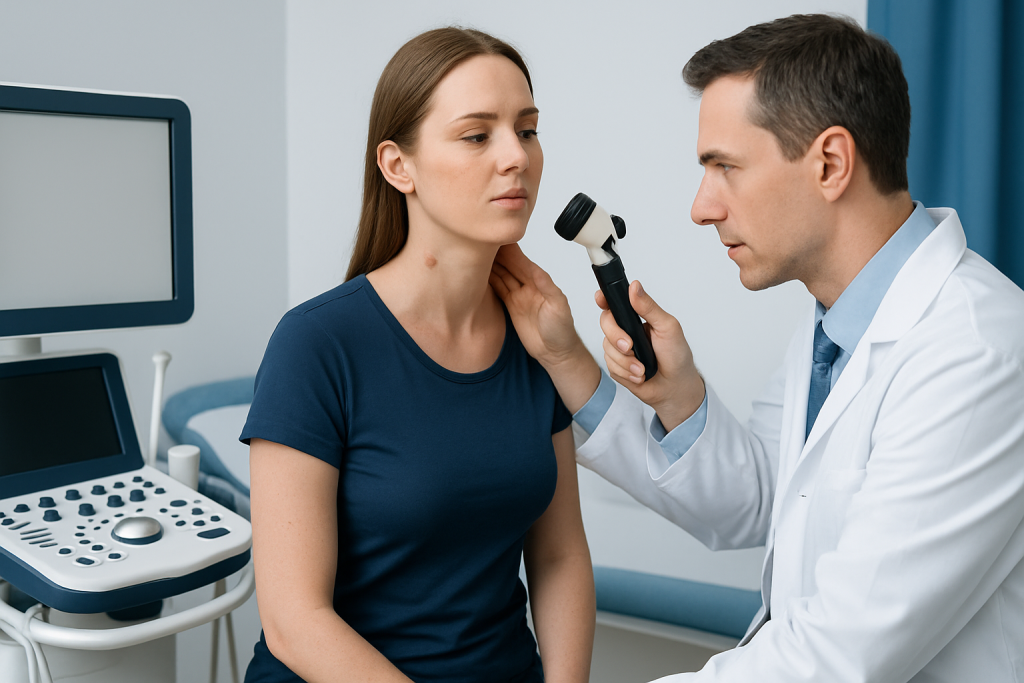
A typical skin tag is soft, smooth, and flesh-colored or slightly darker than the surrounding skin. It may sit flat on a tiny stem or dangle loosely from the skin. Most are only a few millimeters wide, though some become larger over time.
Skin tags usually do not hurt. They may, however, become uncomfortable if they are twisted, rubbed, or accidentally pulled. In those cases, the area can become red, tender, or irritated, especially in locations that experience frequent friction.
Common signs include:
- Small, soft, movable growth
- Flesh-colored, tan, or slightly darker tone
- Usually painless unless irritated
- Often found in skin folds or areas of repeated rubbing
- May bleed if snagged or scratched
People sometimes confuse skin tags with warts, moles, or other skin lesions. That is one reason professional evaluation is helpful when the appearance is not typical or when the growth changes over time.
Causes & Risk Factors
The exact reason skin tags develop is not fully understood, but friction appears to play a role. Skin that repeatedly rubs against skin, clothing, or accessories is more likely to form these growths. That is why they often show up in folds and creases.
Certain factors are associated with a greater likelihood of developing skin tags. These include increased body weight, pregnancy, aging, and a family tendency toward them. Some people also notice skin tags in areas where they sweat a lot or where the skin experiences frequent movement.
Health conditions may also overlap with skin tags, particularly conditions linked with insulin resistance or metabolic changes. This does not mean a skin tag signals a disease by itself, but it can be worth discussing the broader health picture with a doctor during a routine visit.
Possible contributing factors include:
- Skin-on-skin or skin-on-clothing friction
- Pregnancy and hormonal shifts
- Excess body weight
- Family history
- Aging and natural skin changes
Diagnosis
In most cases, a skin tag is diagnosed with a simple visual examination. A dermatologist or other clinician can usually identify it by its soft, stalk-like appearance and typical location. No special testing is needed when the growth looks classic.
Diagnosis becomes more important when the lesion is unusual. A doctor may suggest a closer look, dermatoscopic examination, or removal and laboratory testing if the growth is pigmented, irregular, rapidly changing, or bleeding without clear irritation. This helps distinguish skin tags from moles, warts, seborrheic keratoses, and less common skin problems.
For international patients arranging care away from home, it can be helpful to bring photos of any changes, a list of symptoms, and details about how long the lesion has been present. That information supports a more efficient consultation and can guide whether in-person removal is appropriate during the same visit.
Treatment Options
Treatment is optional for most skin tags. Many people choose to leave them alone if they are not causing symptoms or cosmetic concern. When removal is desired, it is best done by a qualified clinician rather than by trying to cut, burn, or tie them off at home.
Common medical removal methods include snipping with sterile instruments, freezing, or using controlled heat or cautery. The choice depends on size, location, skin type, and whether the growth is near sensitive areas such as the eyelids. A doctor can explain which option is most suitable and what aftercare is needed.
Some lesions that appear to be skin tags may need histologic examination after removal, especially if the diagnosis is not entirely certain. This is one reason self-treatment is not recommended. Professional removal is usually quick, and recovery is generally straightforward when the area is kept clean and protected from friction.
People planning treatment abroad should ask in advance about the evaluation process, whether the lesion will be sent for testing if needed, and how follow-up is arranged once they return home. Clear communication makes the experience smoother and helps maintain continuity of care.
Prevention & Self-care
Not every skin tag can be prevented, but reducing friction may lower the chance of new ones forming in prone areas. Clothing that fits comfortably, careful shaving, and attention to skin folds can all help minimize repeated irritation.
Good self-care is also about restraint. Picking, cutting, or applying unproven home remedies can lead to bleeding, infection, scarring, or a missed diagnosis if the growth is not actually a skin tag. If it is bothersome, it is safer to have a clinician remove it in a controlled setting.
Helpful habits include:
- Choose clothing and underwear that reduce rubbing
- Keep skin folds clean and dry
- Avoid manipulating growths with tweezers or scissors
- Use care when shaving near the neck or underarms
- Seek advice if many new growths appear at once
Because skin tags sometimes appear alongside weight changes or metabolic issues, general health measures such as regular movement and balanced nutrition may be useful as part of broader self-care. These steps do not guarantee prevention, but they support overall skin and body health.
When to See a Doctor
A doctor should examine any skin growth that is new, changing, painful, or bleeding without obvious trauma. This is especially important if the lesion is dark, uneven in shape, growing quickly, or located in a place where it is hard to inspect. The goal is not to create alarm, but to confirm that the spot is truly a skin tag.
Medical advice is also reasonable when a growth repeatedly catches on clothing, bothers the person cosmetically, or appears in a sensitive area such as the eyelid or groin. A clinician can discuss the safest removal option and whether a sample should be checked in the laboratory after removal.
People traveling for care can benefit from planning removal and follow-up before the trip. Acibadem Health Point’s multidisciplinary specialists and JCI-accredited hospitals diagnose and treat skin tags for international patients, with attention to both the procedure itself and the recovery process afterward.
If there is any uncertainty about the diagnosis, a dermatologist’s evaluation is the best next step. Even when a skin tag is harmless, a clear answer often brings reassurance and helps avoid unnecessary home treatment.
Living With Skin Tags
For many people, the practical challenge is not the skin tag itself but the way it fits into daily life. A tag on the neckline may rub against jewelry, one under the bra line may sting during exercise, and an eyelid tag may be constantly noticeable. Small as they are, they can still be disruptive.
That is why treatment decisions are often based on comfort, appearance, and convenience rather than medical urgency. A thoughtful consultation can help people weigh whether to leave the lesion in place or remove it during a planned appointment. In this way, care becomes tailored to the person’s routine, not just the lesion’s appearance.
After removal, most people return to normal activities quickly, following the instructions given by their doctor. Mild redness or tenderness can be expected for a short time, but any ongoing pain, swelling, or discharge should be reported. With appropriate care, the outlook is excellent.
Frequently asked questions
Are skin tags dangerous?
Skin tags are usually harmless and do not turn into cancer. They are most often a cosmetic issue or a source of irritation when they rub against clothing or jewelry. If a growth looks unusual, it should still be checked by a doctor.
Can a skin tag fall off on its own?
Sometimes a skin tag may twist and lose its blood supply, then dry up and fall off. This is not something to rely on or try to force. If it becomes painful, red, or bleeds, a clinician should evaluate it.
How can skin tags be removed safely?
The safest way is through a medical procedure performed by a qualified clinician. Common methods include snipping, freezing, or cautery, depending on the size and location. Home removal is not recommended because it can cause bleeding, infection, or a missed diagnosis.
Do skin tags mean someone has diabetes?
Not necessarily. Skin tags can be seen more often in people with insulin resistance or metabolic changes, but they are common in many healthy adults as well. A doctor may consider overall health factors if many new tags appear suddenly.
Can skin tags come back after removal?
A removed skin tag does not usually grow back in the same spot, but new ones can form elsewhere over time. That is because the factors that contribute to skin tags, such as friction or family tendency, may still be present. Preventive habits can help reduce irritation in prone areas.
Should skin tags near the eyelid be removed?
Eyelid skin tags should be assessed by a doctor because the area is delicate and close to the eye. Removal can be done safely in the right setting, but it should not be attempted at home. A clinician can choose the most appropriate method and protect nearby tissue.
References
- American Academy of Dermatology
- Mayo Clinic
- National Health Service
- Cleveland Clinic
This article is for general information only and is not a substitute for professional medical advice. Please consult a qualified doctor about your individual situation.
Explore treatments in Turkey — costs, top hospitals & a free quote
JCI-accredited · board-certified surgeons · reply within 24h
Add us as a Preferred Source to see more of our trusted health content across Google Search, AI Overviews and Discover.