How To Remove Hair Dye From Skin

Key Takeaways
- Most hair dye stains can be lifted with mild, skin-safe methods if they are treated soon after coloring.
- Harsh scrubbing, strong solvents, and repeated rubbing can make irritation worse.
- People with sensitive skin or a history of allergy should choose extra-gentle removal methods and patch-test future dyes.
- Redness, swelling, blistering, or intense itching may signal an allergic or irritant reaction rather than a simple stain.
- If skin symptoms persist or spread, a doctor can help assess for dermatitis or chemical injury.
Hair dye can leave stubborn stains along the hairline, ears, hands, and neck, but most marks fade with gentle cleansing and simple home care. The goal is to remove the dye without irritating the skin, especially when the skin is already sensitive after coloring.
Overview
Hair dye stains on the skin are common, especially around the forehead, temples, ears, neck, and fingertips. In many cases, the color sitting on the surface can be softened and lifted with a few careful steps at home. The key is to work patiently and avoid anything that strips the skin barrier.
For most people, the safest approach is to start with the gentlest option first and only move on if the stain remains. This matters because the skin may already be mildly irritated from the coloring process itself, and overcleaning can turn a cosmetic issue into an uncomfortable one. A calm, methodical routine usually works better than aggressive rubbing.
It also helps to remember that some marks are not true stains at all. If the area is red, swollen, itchy, or warm, the concern shifts from stain removal to possible skin irritation or an allergic reaction. In that situation, soothing the skin becomes more important than trying to erase every trace of color right away.
Symptoms
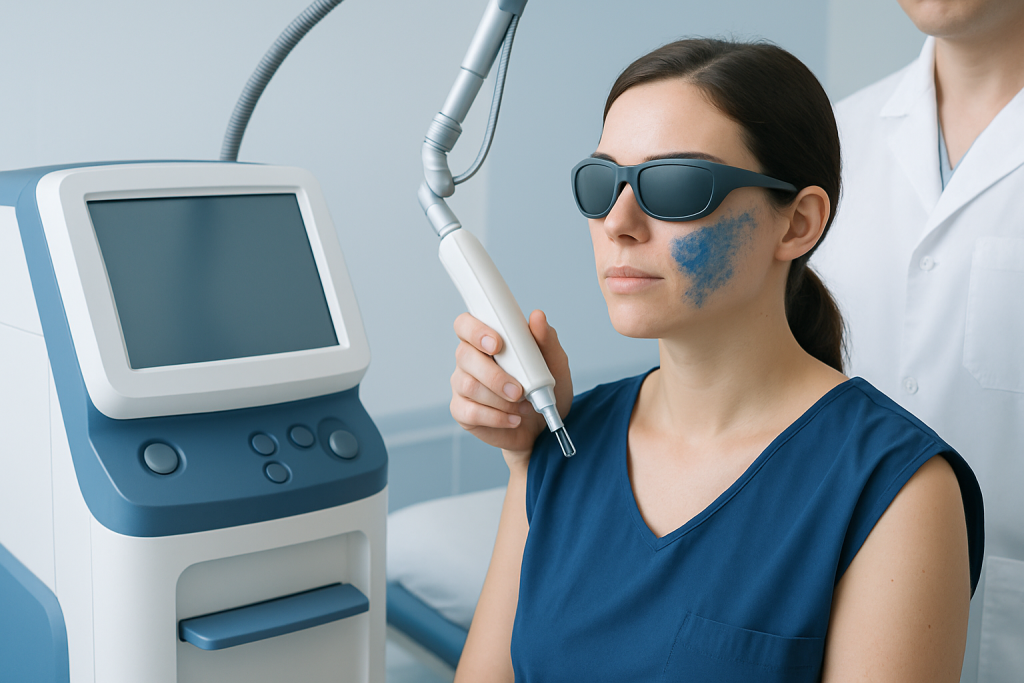
A simple hair dye stain usually looks like a flat patch of color on the skin. It does not typically hurt, itch, or swell. The stain may appear darker on dry areas such as the hairline or around the ears, where product tends to collect.
Skin irritation can look different from staining. Common warning signs include burning, stinging, itching, redness, dryness, or a tight feeling. If the skin is reacting to the dye, the person may notice the area becoming more sensitive the more it is touched or scrubbed.
More concerning symptoms include blistering, spreading rash, facial swelling, eye irritation, or trouble breathing. Those are not normal staining effects and should be treated as medical concerns. In a situation like that, the priority is stopping exposure and getting appropriate medical advice.
Causes & Risk Factors

Hair dye can cling to the skin because pigment is designed to bind strongly to hair fibers. During application, small amounts often get onto the skin and settle into natural creases, dry patches, and fine facial hair. Darker shades and long-wear formulas are more likely to leave noticeable marks.
Some people are more prone to staining or irritation than others. Dry skin, sensitive skin, recent shaving, eczema, and a history of contact dermatitis can make the skin react more easily. Gloves, careful sectioning of the hair, and prompt cleanup can reduce both staining and irritation.
The type of dye also matters. Permanent dyes, developer mixtures, and strong salon formulations may be harder to remove than temporary colors. When people color their hair at home while traveling or preparing for an event, they may be tempted to rush cleanup; that can increase the chance of rubbing the dye deeper into the skin.
Diagnosis
Hair dye on the skin is usually identified by appearance and timing. If the discoloration began right after coloring and is located where dye commonly touches the skin, it is likely a surface stain. In many cases, no formal medical test is needed.
A doctor may evaluate the area if there is marked redness, swelling, pain, or a rash that continues after the stain is gone. The assessment helps distinguish a simple stain from irritant dermatitis, allergic contact dermatitis, or, less commonly, a chemical burn. This distinction is important because each situation needs different care.
When the reaction is more than mild, a clinician may ask about the product used, the timing of symptoms, and whether the person has had similar reactions before. For international patients arranging care from abroad, sharing the exact product name or ingredient list can make the consultation more efficient and useful.
Treatment Options
The first step is usually to wash the area gently with lukewarm water and a mild cleanser. A soft cloth or cotton pad can help lift fresh dye without rough rubbing. Patting the skin dry afterward is better than scrubbing it repeatedly.
If the stain remains, some people find that a little gentle makeup remover, micellar water, or cleansing oil helps loosen the pigment. A small amount of petroleum jelly or an oil-based cleanser may also be used on intact skin to dissolve color before wiping it away. These methods are best used carefully and avoided near the eyes.
For stubborn marks, a paste made from baking soda and a mild cleanser is sometimes used on the body, but it can be too abrasive for the face or for irritated skin. The same caution applies to rubbing alcohol, acetone, bleach, or strong exfoliating scrubs, which can damage the skin barrier and are not good choices for most people. If the skin is already sore or inflamed, bland soothing care is more helpful than stain chasing.
- Start with soap and water.
- Use oil-based cleansing only on intact skin.
- Avoid the eye area and any broken skin.
- Stop immediately if burning or redness increases.
If the skin seems irritated, a cool compress and a fragrance-free moisturizer may help comfort the area. If there is clear evidence of an allergic or significant irritant reaction, a doctor may recommend additional treatment after examining the skin. The treatment focus should always be safety first, especially when the person is recovering far from home and needs practical aftercare instructions they can follow abroad.
Prevention & Self-care
Prevention is often easier than cleanup. Before dyeing, applying a thin layer of petroleum jelly or a protective barrier cream along the hairline, ears, and neck can reduce staining. Wearing gloves and working in smaller sections also helps keep dye off the skin.
Once the dye is on, prompt cleanup matters. Wiping spills as they happen, rinsing the skin soon after the processing time, and avoiding vigorous scrubbing can all reduce discoloration. For people who color their hair regularly, choosing gentler formulas and following the product instructions closely may lower the risk of irritation.
Self-care after removal should focus on calming the skin. Fragrance-free moisturizer, avoiding hot water, and giving the area time to settle can help. If the person is traveling for cosmetic or dermatology care, it is sensible to bring the product packaging or ingredient list, since that can help a clinician advise on future dye choices. Acibadem Health Point’s multidisciplinary specialists and JCI-accredited hospitals can diagnose and treat skin reactions related to hair dye for international patients when in-person evaluation is needed.
When to See a Doctor
Medical advice is appropriate if the skin becomes very red, swollen, painful, blistered, or intensely itchy. These signs suggest more than a cosmetic stain and may point to dermatitis or another skin reaction. A doctor can help determine whether the area needs prescription treatment or simply time and supportive care.
People should also seek help if the reaction involves the eyes, face, lips, or scalp in a widespread way, or if symptoms continue after washing the dye off. If breathing feels difficult, swelling is rapid, or the person feels unwell, urgent medical attention is needed. Those symptoms should not be managed at home.
For anyone with repeated reactions to hair products, a dermatologist can help identify triggers and suggest safer alternatives. That is especially useful for patients who live abroad or are planning future coloring appointments and want a clear, practical plan before their next treatment.
Frequently asked questions
What is the safest way to remove hair dye from skin?
The safest method is usually to start with lukewarm water and a mild cleanser. If the stain remains, gentle oil-based cleansing on intact skin can help lift the color without harsh rubbing. It is best to avoid strong chemicals and abrasive scrubs, especially on the face.
Can hair dye stains come off naturally?
Yes. Many hair dye stains fade on their own over a few days as the skin sheds its outer layer. Gentle washing and moisturizing can support the process, but forcing the stain off too quickly may irritate the skin.
Is it okay to use rubbing alcohol or nail polish remover?
These products are generally not a good choice for skin. They can dry out or irritate the skin and may worsen redness or stinging. They should be avoided on the face, broken skin, or anywhere the skin already feels sensitive.
How can someone tell the difference between a stain and an allergy?
A stain usually appears as color on the skin without itching, swelling, or pain. An allergic or irritant reaction often brings redness, burning, itching, swelling, or a rash. If those symptoms appear, the person should stop using the product and seek medical advice.
What should be done if hair dye gets near the eyes?
The area should be rinsed immediately with plenty of lukewarm water. If irritation continues, vision changes occur, or the eye feels painful, medical care is needed. The eye area is more delicate than other skin and should not be treated with harsh removers.
Can repeated hair dye stains mean the person has sensitive skin?
Repeated staining does not always mean sensitive skin, but repeated irritation can suggest that the skin barrier is easily affected or that the dye is not well tolerated. A dermatologist can help review the products used and suggest gentler options for future coloring.
References
- American Academy of Dermatology
- Mayo Clinic
- National Health Service
- Cleveland Clinic
This article is for general information only and is not a substitute for professional medical advice. Please consult a qualified doctor about your individual situation.
Hair transplant in Turkey — costs, graft counts & a free assessment
JCI-accredited · board-certified surgeons · reply within 24h
Add us as a Preferred Source to see more of our trusted health content across Google Search, AI Overviews and Discover.