Shingles Symptoms: Causes and Treatment

Key Takeaways
- Shingles often starts with pain, itching, or tingling on one side of the body before any rash is visible.
- The rash usually appears as clusters of blisters in a band-like pattern and may be accompanied by fever or fatigue.
- Prompt medical evaluation matters because antiviral treatment is most helpful when started early.
- Shingles can affect the eye, ear, or face and may need urgent attention.
- Recovery often includes skin care, pain control, rest, and close follow-up if symptoms are severe or unusual.
Medically reviewed by the Acıbadem clinical team — August 19, 2026
Shingles symptoms often begin with localized pain, tingling, or burning before a rash appears, which can make the condition easy to miss at first. Understanding the symptom pattern can help a person seek timely care and reduce the chance of complications.
Overview
Shingles, also called herpes zoster, is a reactivation of the same virus that causes chickenpox. After a person has had chickenpox, the virus can remain inactive in nerve tissue for years and then become active again later in life. The result is usually a painful skin eruption that follows the path of a nerve rather than spreading randomly across the body.
For many people, the most important clue is not the rash itself but the unusual discomfort that comes first. The area may feel tender, itchy, burning, prickly, or sensitive to light touch. Because this can happen before any visible change appears, shingles symptoms are sometimes mistaken for a pulled muscle, insect bite, or skin irritation.
Shingles is not the same as chickenpox, although it comes from the same virus family. A person with shingles can pass the virus to someone who has never had chickenpox or the varicella vaccine, but that exposed person would develop chickenpox, not shingles. This is one reason early recognition and sensible precautions are helpful.
Symptoms
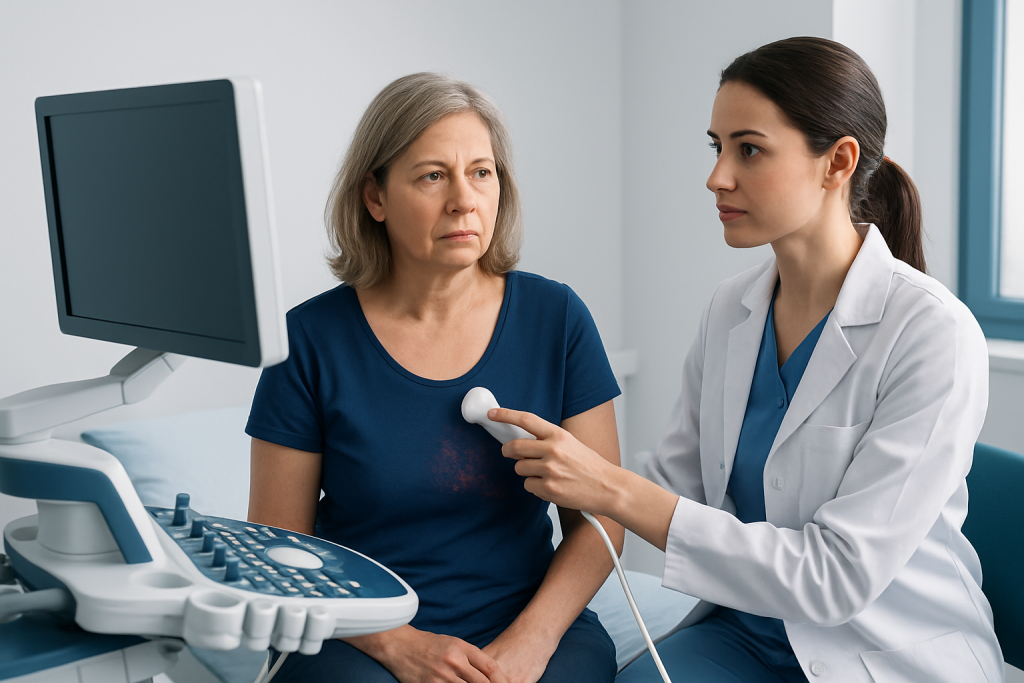
Shingles symptoms usually develop in stages. The earliest phase often involves pain, tingling, burning, itching, or numbness in a small area on one side of the body. Some people also notice headache, low-grade fever, fatigue, or feeling generally unwell before the rash appears.
Within a few days, a red rash may emerge in the same area. It often forms in a stripe or patch that follows a nerve pathway, most commonly on the trunk, but it can also affect the face, neck, scalp, or other areas. Small fluid-filled blisters then appear, later crusting over as the skin heals.
Common shingles symptoms can include:
- Localized burning, stinging, or throbbing pain
- Itching or increased skin sensitivity
- Red rash on one side of the body or face
- Clusters of blisters that may break open and crust
- Fever, fatigue, headache, or mild body aches
Not every case follows the same pattern. Some people have significant pain with only a small rash, while others notice the skin changes first. When shingles involves the eye, ear, or face, symptoms may include eye redness, facial weakness, hearing changes, dizziness, or blurred vision, which deserve prompt medical assessment.
Causes & Risk Factors

Shingles develops when the varicella-zoster virus becomes active again after lying dormant in the body. The exact trigger is not always clear. A decline in immune function with aging is a common reason, which is why shingles becomes more frequent in older adults.
Several factors may increase the chance of shingles or influence how strongly it appears. These include advancing age, conditions that affect the immune system, cancer treatment, long-term steroid use, and certain chronic illnesses. Emotional stress and poor sleep may also play a role in some people, although they are not the only causes.
Travelers and international patients sometimes notice that symptoms emerge during a stressful period, such as after long flights, schedule changes, or delayed rest while abroad. Stress does not directly cause shingles on its own, but it can coincide with a period when the immune system is less resilient. A doctor can help determine whether the pattern fits shingles or another nerve- or skin-related condition.
Diagnosis
Diagnosis often begins with a careful history and examination of the skin. A clinician looks for the characteristic one-sided rash, the pattern of pain or sensitivity, and whether the lesions are at a stage typical of shingles. In many cases, the appearance is enough to make the diagnosis without extensive testing.
If the presentation is unusual, a swab from a blister may be tested to confirm the virus. This can be useful when the rash is mild, the location is atypical, or another condition could look similar, such as contact dermatitis, impetigo, or herpes simplex infection. If the eye or nervous system may be involved, additional evaluation may be needed.
For people seeking care while traveling, telemedicine or an in-person visit may be the first step, followed by a local examination if the rash is changing quickly or the pain is intense. Early evaluation is particularly valuable because treatment decisions are time-sensitive and complications are easier to prevent than to treat later.
Treatment Options
Treatment for shingles is aimed at shortening the outbreak, easing symptoms, and lowering the risk of complications. Antiviral medicines are commonly used, especially when started early in the course of illness. They work best when prescribed soon after the rash appears, but a clinician may still recommend them in certain cases even if some time has passed.
Pain control is another important part of care. Depending on the severity, a doctor may suggest general pain-relief measures, soothing skin care, or medicines that target nerve pain. If the rash is near the eye, the ear, or the face, specialist evaluation is often needed to protect vision, hearing, and nerve function.
Supportive treatment may also include:
- Keeping the rash clean and dry
- Using cool compresses for comfort
- Avoiding scratching or picking at blisters
- Wearing loose, soft clothing to reduce friction
- Resting and staying well hydrated
People recovering away from home may need a plan for follow-up, especially if symptoms worsen, the rash spreads, or pain persists. A doctor can advise whether ongoing monitoring is needed and how to coordinate care across borders or after returning home.
Prevention & Self-care
Shingles cannot always be prevented, but some steps may reduce risk or help the body cope better. Vaccination is an important preventive tool for eligible adults and is commonly discussed with a doctor based on age and medical history. It does not treat an active outbreak, but it can lower the chance of future episodes in appropriate candidates.
During an active episode, self-care focuses on comfort and protecting the skin. Keeping the area clean, avoiding tight clothing, and using gentle bathing habits can help reduce irritation. If the rash is on the torso, soft cotton clothing may be more comfortable than rough fabrics or anything that rubs against the blisters.
It is also sensible to limit close contact with people who may be at higher risk of chickenpox complications, such as pregnant individuals who have never had chickenpox or the vaccine, newborns, and people with weakened immune systems, until the rash has crusted. Good hand hygiene and covering the rash when possible can help reduce spread. If a person is traveling for care, packing loose clothing, prescribed medicines, and any needed follow-up information can make recovery more manageable.
When to See a Doctor
Medical evaluation is recommended as soon as shingles is suspected, especially if the rash has just started. Early treatment may improve comfort and reduce the chance of lingering nerve pain. A doctor can also confirm the diagnosis and rule out other conditions that may need different care.
Prompt or urgent attention is especially important if the rash is on the face, near the eye, or inside the ear, or if there are signs such as blurred vision, eye pain, facial weakness, hearing changes, confusion, or severe headache. People with weakened immune systems, widespread rash, or intense pain should also be assessed quickly.
Anyone who is unsure whether the symptoms are shingles, another skin condition, or a nerve problem should not wait for the rash to worsen. A qualified clinician can guide treatment and explain what to watch for during recovery. For international patients, Acibadem Health Point’s multidisciplinary specialists and JCI-accredited hospitals can diagnose and treat shingles with coordinated care when needed.
Recovery and Follow-up
Most shingles rashes heal over several weeks, but recovery does not always end when the skin clears. Some people experience lingering nerve pain, called postherpetic neuralgia, which can continue after the blisters have healed. This is more common in older adults and in cases where the initial pain was strong.
Follow-up can be useful if pain remains significant, the rash does not improve as expected, or a person develops new symptoms after the skin starts healing. A clinician may adjust symptom management or investigate whether another problem is contributing. Clear communication is especially helpful for people managing recovery from another country, since timing, medication access, and follow-up plans may differ after travel.
In many cases, the best outcome comes from recognizing the pattern early, starting care promptly, and avoiding delays that allow pain and inflammation to build. Even when the outbreak is over, a doctor can offer guidance on vaccination, recurrence risk, and steps that may support future prevention.
Frequently asked questions
What are the first signs of shingles symptoms?
The first signs are often burning, tingling, itching, or pain in a small area on one side of the body. The rash may not appear until a few days later, which is why early shingles can be mistaken for another issue.
Does shingles always cause a rash?
Most cases eventually do, but the rash may be delayed or small at first. In some people, pain and skin sensitivity are the earliest and most noticeable symptoms.
Can shingles affect the eye?
Yes, shingles can involve the eye area and may cause redness, pain, light sensitivity, or blurred vision. This needs prompt medical evaluation because eye involvement can affect vision if not treated appropriately.
Is shingles contagious?
A person with shingles can spread the varicella-zoster virus to someone who has never had chickenpox or the vaccine. That person would develop chickenpox, not shingles, so covering the rash and avoiding close contact with high-risk individuals is important until the blisters crust over.
How long do shingles symptoms last?
The rash often heals over several weeks, but pain and sensitivity can last longer in some people. Recovery time varies depending on the location of the rash, overall health, and whether treatment started early.
When should a person seek urgent care for shingles?
Urgent care is important if the rash is near the eye or ear, if vision changes occur, or if there are severe neurological symptoms such as facial weakness or confusion. People with weakened immune systems should also seek prompt medical advice.
References
- Centers for Disease Control and Prevention
- World Health Organization
- National Institute of Neurological Disorders and Stroke
- Mayo Clinic
- American Academy of Dermatology
This article is for general information only and is not a substitute for professional medical advice. Please consult a qualified doctor about your individual situation.
Explore treatments in Turkey — costs, top hospitals & a free quote
JCI-accredited · board-certified surgeons · reply within 24h
Add us as a Preferred Source to see more of our trusted health content across Google Search, AI Overviews and Discover.