COVID Symptoms: Causes, Treatment and Prevention

Key Takeaways
- COVID-19 in 2025 often starts like a common cold, but fever, sore throat, fatigue, cough, and nasal symptoms remain common.
- Some people develop shortness of breath, chest discomfort, or prolonged symptoms that last for weeks after the initial infection.
- Testing is still important because COVID-19 can look similar to influenza, RSV, allergies, or a regular cold.
- People at higher risk should speak with a doctor early if symptoms appear, especially if breathing becomes harder or fever persists.
- Home care focuses on rest, hydration, symptom relief, and monitoring for changes rather than pushing through illness.
Medically reviewed by the Acıbadem clinical team — August 19, 2026
COVID-19 symptoms in 2025 can range from mild cold-like complaints to fever, cough, sore throat, fatigue, and loss of smell or taste. Understanding the pattern, warning signs, and recovery steps can help people decide when to rest at home and when to contact a doctor.
Overview
By 2025, COVID-19 symptoms still vary from person to person, and that is one reason the illness can be easy to miss at first. Some people notice only a sore throat and tiredness, while others develop a more obvious fever, cough, body aches, or a runny nose that feels very much like a seasonal virus.
The practical question is often not whether a symptom is “typical,” but whether the pattern fits a new respiratory infection and whether it is changing over time. For international patients who may be deciding whether to travel, work, or isolate, recognizing early symptoms can help reduce spread and guide timely testing.
COVID-19 is caused by the SARS-CoV-2 virus, and its presentation continues to evolve as immunity changes and new variants circulate. That means the symptom list is not fixed, but there are still clear clues that doctors use to distinguish COVID-19 from allergies, influenza, or a simple cold.
Symptoms People Commonly Notice in 2025
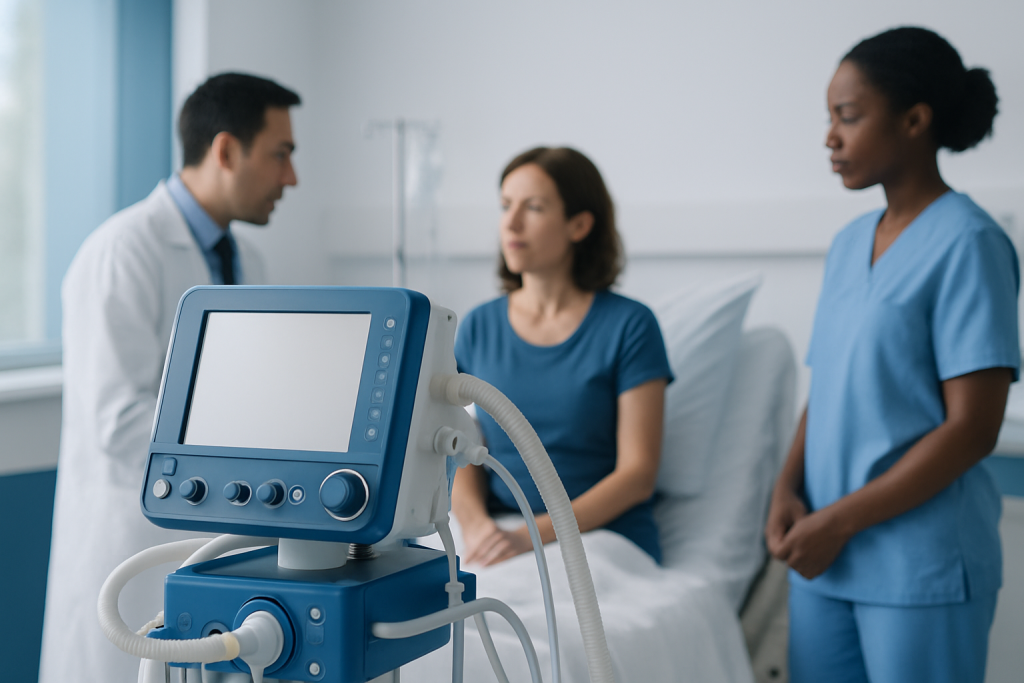
Many cases begin with upper-respiratory symptoms. A sore throat, nasal congestion, runny nose, sneezing, and cough are frequently reported, sometimes before fever appears. Fatigue is also common and may feel out of proportion to the other symptoms.
Other symptoms can include headache, muscle aches, chills, fever, reduced appetite, nausea, vomiting, or diarrhea. Some people notice a change in smell or taste, although this is not as universal as it was earlier in the pandemic.
Because the illness can be mild at the start, people sometimes assume they have a routine cold. A helpful clue is that COVID-19 often lingers or changes form over several days, with tiredness and cough continuing even after the most obvious “cold” symptoms improve.
- Sore throat
- Cough
- Fever or chills
- Fatigue
- Runny or blocked nose
- Headache and body aches
- Loss of smell or taste
How Symptoms Can Look Different in Children, Adults, and Older People

Children may have milder symptoms, especially if they have some immunity from previous infection or vaccination. In younger patients, irritation of the throat, mild fever, cough, stomach upset, or a general “not quite themselves” feeling may be more noticeable than a dramatic respiratory illness.
Adults often describe a mix of upper-airway symptoms and marked tiredness. Some feel well enough to continue routine activities at first, then realize that exertion makes the cough, headache, or exhaustion worse.
Older adults and people with chronic medical conditions may have less obvious early symptoms but a higher chance of becoming unwell. Confusion, weakness, reduced appetite, or a sudden decline in energy can sometimes be more noticeable than fever, so changes in baseline function matter just as much as classic symptoms.
Causes & Risk Factors
COVID-19 symptoms are caused by infection with SARS-CoV-2, which spreads mainly through respiratory droplets and aerosols, especially in crowded or poorly ventilated spaces. Close contact, prolonged indoor exposure, and shared travel environments can all increase the chance of transmission.
Risk of severe illness is higher in older adults, pregnant people, and those with conditions such as heart disease, lung disease, diabetes, obesity, cancer, or weakened immune systems. However, even otherwise healthy people can become symptomatic and can pass the virus to others.
Travel can add another layer of complexity. Jet lag, dry cabin air, and overlapping exposures in airports or public transportation can make early COVID-19 symptoms harder to interpret, which is why testing and temporary precautions remain useful when symptoms appear during or after a trip.
Diagnosis
Diagnosis usually begins with symptom review and a test, most often a rapid antigen test or a PCR-based test depending on the situation and local availability. Because COVID-19 can resemble influenza and other viral illnesses, testing helps clarify the cause rather than relying on symptoms alone.
Doctors may also ask about exposure history, vaccination status, recent travel, and whether symptoms are getting better or worse. In people with breathing difficulty, chest pain, or low oxygen levels, additional evaluation may be needed to check for pneumonia or other complications.
For international patients, the timing of testing can matter for practical reasons such as travel plans, work requirements, or the need to arrange care in a different country. A clinician can help interpret a negative test if symptoms strongly suggest infection and may recommend repeat testing or a different test type.
Treatment Options
Most mild cases are managed at home with rest, fluids, and symptom relief. The main goal is to support recovery, reduce discomfort, and watch for signs that the illness is becoming more serious.
Doctors may recommend fever reducers or pain relievers that are commonly used for viral illnesses, unless there is a reason a person should avoid them. In some patients at higher risk of severe disease, antiviral treatment may be considered early in the course of illness, based on a doctor’s judgment and local guidelines.
People with shortness of breath, persistent high fever, dehydration, or worsening weakness need medical review rather than simply waiting it out. Hospital care may be needed when oxygen levels fall, lung involvement is suspected, or another medical condition complicates recovery.
- Rest and avoid overexertion
- Drink enough fluids
- Use symptom-relief medicine only as advised
- Monitor temperature and breathing
- Follow isolation guidance if infected
Prevention & Self-care
Prevention still matters in 2025, especially for people who are older, have chronic conditions, or are traveling between countries. Staying up to date with recommended vaccination is one of the most effective ways to lower the risk of severe disease, even if it does not eliminate every infection.
Simple habits also help: hand hygiene, good ventilation, and staying home when sick can reduce spread. In crowded indoor settings or during periods of active respiratory virus circulation, a well-fitting mask may be a practical extra layer of protection for some people.
If symptoms develop, self-care should be calm and structured rather than alarmed. Keep track of fever, hydration, and breathing, limit close contact with others, and plan ahead if medical care might be needed after returning home or while abroad.
When to See a Doctor
Medical advice is important if symptoms are persistent, worsening, or difficult to separate from another condition. A doctor should be contacted promptly if there is shortness of breath, chest pain, confusion, blue lips or face, dehydration, or a fever that does not settle.
People with weakened immunity, pregnancy, chronic lung or heart disease, or other high-risk conditions should seek advice early after symptom onset. Early evaluation can help identify whether testing, antiviral treatment, or closer monitoring is appropriate.
If care is being arranged while traveling, it can be helpful to choose a center experienced in coordinated international care. Acibadem Health Point’s multidisciplinary specialists and JCI-accredited hospitals diagnose and treat COVID-19 for international patients, with attention to follow-up and continuity of care across borders.
Frequently asked questions
Can COVID-19 symptoms still start like a common cold in 2025?
Yes. Many people first notice a sore throat, runny nose, cough, or tiredness, which can look very similar to a routine cold. Fever, body aches, or a change in smell or taste may appear later, so testing is useful when symptoms fit a possible viral infection.
How can COVID-19 be distinguished from flu or allergies?
Symptoms overlap a lot, especially early on. Flu often comes on more suddenly with higher fever and body aches, while allergies usually cause itching and sneezing without fever; COVID-19 can resemble either, so a test is often the clearest way to tell.
Do all people with COVID-19 lose their sense of smell or taste?
No. Loss of smell or taste can still happen, but it is not present in every case and is less universal than it once was. Its absence does not rule out COVID-19.
How long do COVID-19 symptoms usually last?
Mild symptoms often improve over several days, but tiredness and cough can last longer. If symptoms are not improving after about a week, or if they worsen at any point, a doctor should be contacted.
When is shortness of breath a concern?
Mild congestion or a sore throat is different from feeling unable to breathe comfortably. Shortness of breath, chest pain, or rapid worsening should be assessed by a doctor as soon as possible.
Can people have long COVID even after a mild infection?
Yes. Some people experience lingering fatigue, brain fog, cough, or exercise intolerance even after a mild initial illness. A medical review can help rule out other causes and plan gradual recovery.
References
- World Health Organization
- Centers for Disease Control and Prevention
- National Health Service
- Mayo Clinic
This article is for general information only and is not a substitute for professional medical advice. Please consult a qualified doctor about your individual situation.
Explore treatments in Turkey — costs, top hospitals & a free quote
JCI-accredited · board-certified surgeons · reply within 24h
Add us as a Preferred Source to see more of our trusted health content across Google Search, AI Overviews and Discover.