Vaccines And Shingles

Key Takeaways
- Shingles is caused by reactivation of the chickenpox virus, usually later in life.
- Vaccination can lower the chance of shingles and reduce the risk of long-lasting nerve pain.
- People with weakened immune systems or older adults may be especially likely to benefit from discussion about vaccination.
- A shingles rash should be assessed early, because antiviral treatment works best when started promptly.
- Self-care, rest, and good follow-up support recovery and help reduce discomfort.
Medically reviewed by the Acıbadem clinical team — August 19, 2026
Vaccines play an important role in lowering the risk of shingles and its complications. This guide explains how shingles develops, who may benefit from vaccination, and what to expect if symptoms appear.
Overview
Shingles, also called herpes zoster, is a painful rash that develops when the virus that causes chickenpox becomes active again later in life. For many people, it appears as a stripe or patch of blisters on one side of the body, but the experience is not only about the skin. The illness can also bring burning pain, sensitivity, itching, or fatigue, and in some cases symptoms linger long after the rash fades.
Vaccination is one of the most effective ways to reduce the likelihood of shingles and lower the chance of complications. This matters most for adults who are older or whose immune systems are not working at full strength. For international patients planning care abroad, shingles prevention can be discussed during a routine visit, and vaccination schedules can be reviewed alongside other health needs.
Because shingles can be mistaken for other rashes early on, understanding the pattern matters. A clinician can confirm the diagnosis, explain whether vaccination is appropriate, and help patients plan follow-up in a way that fits travel, work, and family obligations.
Symptoms
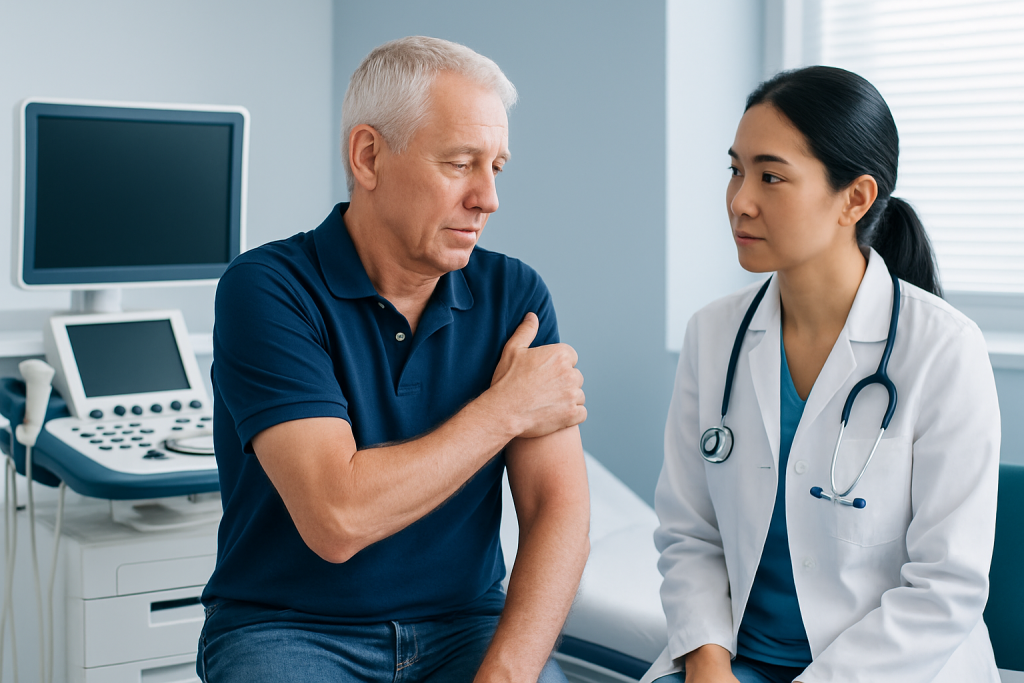
Shingles often begins before the rash is obvious. Some people notice tingling, stabbing, burning, or a deep ache in one area of the body several days before the skin changes appear. Others feel unusually sensitive to touch or light pressure, even from clothing.
When the rash develops, it usually forms clusters of fluid-filled blisters on a red base. It commonly stays on one side of the body and follows a band-like pattern. The rash can be accompanied by fever, headache, tiredness, or general malaise, though not everyone has these symptoms.
One of the most important features to watch for is pain that seems more intense than the rash itself suggests. In some people, nerve pain continues after the skin heals, a complication known as postherpetic neuralgia. This is one reason prevention through vaccination is discussed so often in older adults and in people at higher risk.
Causes & Risk Factors
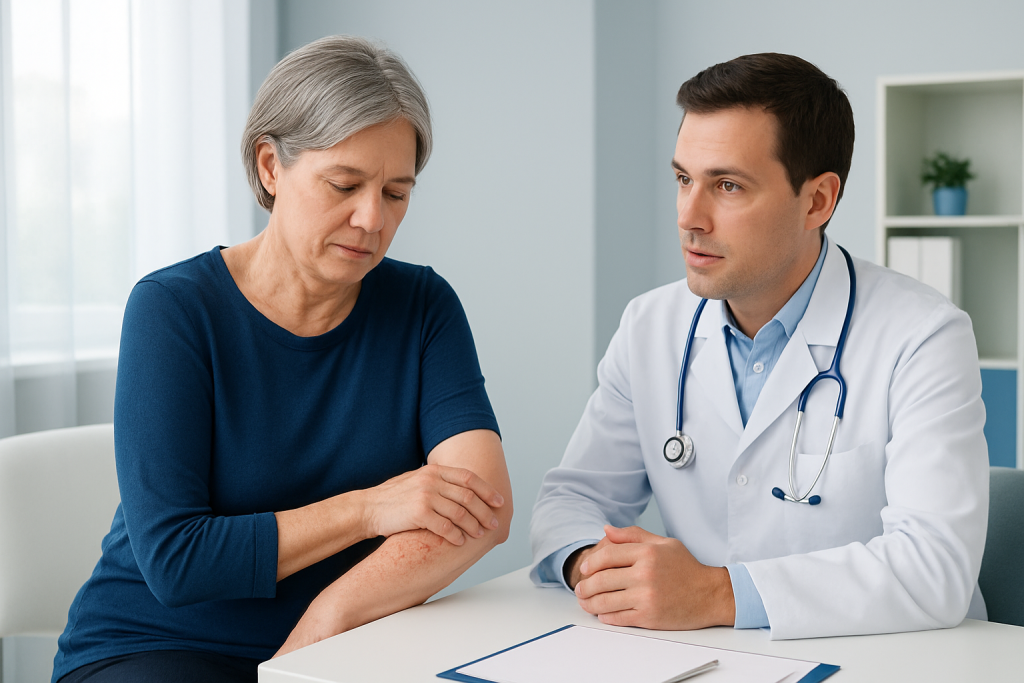
Shingles is caused by reactivation of the varicella-zoster virus, the same virus responsible for chickenpox. After a person recovers from chickenpox, the virus can remain inactive in nerve tissue for years. If the immune system becomes less effective at keeping it controlled, the virus may reactivate and travel along a nerve to the skin.
Age is one of the strongest risk factors, but it is not the only one. A weakened immune system from illness or medical treatment can increase risk, and so can significant physical or emotional stress. People who have had chickenpox are also at risk, because prior infection is the source of the dormant virus.
- Older age, especially after midlife
- Immune suppression from disease or treatment
- History of chickenpox
- Major stress or fatigue
- Certain chronic medical conditions
For patients arranging care internationally, it is helpful to bring a medication list and any records about immune-related conditions. That makes it easier for a doctor to judge whether vaccination is recommended now or whether timing should be adjusted.
Diagnosis
Shingles is usually diagnosed through a medical history and a physical examination of the rash. A clinician looks at the location, appearance, and pattern of the skin changes, as well as the type of pain or sensitivity reported. In many cases, that is enough to confirm the diagnosis without additional testing.
Testing may be used when the rash is not typical, when symptoms overlap with another skin condition, or when the patient is immunocompromised. Swabs from a blister can help identify the virus in uncertain cases. Early assessment is valuable because treatment is most useful when started soon after symptoms begin.
For people visiting from another country, a prompt first appointment can reduce delays in care. If a rash starts during travel or just before a trip, contacting a doctor early can help determine whether it is safe to fly, whether isolation precautions are needed, and how to manage pain while moving between locations.
Treatment Options
Treatment for shingles usually focuses on shortening the illness, easing discomfort, and lowering the risk of complications. Antiviral medicines are commonly used, particularly when started early in the course of the rash. They may help reduce viral activity and support recovery, especially in older adults or in patients with more extensive symptoms.
Pain control is another major part of treatment. Depending on symptoms, a doctor may suggest approaches that calm nerve pain, soothe the skin, or improve sleep. Cool compresses, gentle cleansing, and loose clothing can also make the rash easier to tolerate while it heals.
In some situations, the treatment plan is more individualized. Eye involvement, severe pain, a weakened immune system, or widespread rash patterns may require closer monitoring. International patients often benefit from coordinated care, since follow-up can be planned before departure and written instructions can be shared for use at home.
Vaccination is not a treatment for an active shingles episode, but it is an important prevention tool for future risk. A doctor can explain the best time to receive a Side Effects and Safety" class="ahp-ilk">shingles vaccine after recovery, based on age, health status, and previous medical history.
Prevention & Self-care
The shingles vaccine is the main preventive step for many adults who are eligible. It helps the immune system recognize the virus more effectively and can reduce the chances of shingles and some of its longer-term complications. A clinician can advise whether vaccination is appropriate now or whether a patient should wait because of current illness, recent treatment, or immune concerns.
Self-care also matters, both for prevention and for recovery. Good sleep, balanced nutrition, and stress management support general immune health, even though they do not replace vaccination. During an episode of shingles, rest, hydration, and careful skin care can help the body heal more comfortably.
- Ask a doctor whether shingles vaccination is recommended
- Keep routine medical conditions well managed
- Seek early care if a new one-sided rash appears
- Avoid scratching or picking at blisters
- Follow infection-control guidance if blisters are active
People recovering away from home may find it useful to keep a short symptom diary and photograph the rash for medical review if needed. That can support a smoother handover between providers and help ensure the follow-up plan is clear once travel continues.
When to See a Doctor
Medical evaluation is important as soon as shingles is suspected, especially if pain is significant or the rash is spreading. Early treatment can make a meaningful difference in comfort and may lower the risk of lingering nerve pain. Because shingles can resemble other conditions at first, getting checked is often the safest approach.
Urgent attention is needed if the rash involves the face, especially near the eye, because vision-related complications can occur. It is also important to seek prompt care if the patient is pregnant, has a weakened immune system, or develops confusion, severe headache, or widespread blistering.
For international patients, a timely assessment can also help with practical decisions such as whether travel should be postponed, which medications should be carried, and how to arrange follow-up after returning home. Acibadem Health Point’s multidisciplinary specialists and JCI-accredited hospitals diagnose and treat shingles for international patients with coordinated, patient-focused care.
Living With Recovery and Follow-up
Most people recover from shingles, but the pace can vary. The rash usually improves over time, while pain may fade more slowly. If discomfort persists after the skin heals, a doctor can help assess for postherpetic neuralgia and discuss supportive options.
Follow-up is especially helpful when symptoms are severe, when the face or eye area is affected, or when the patient is dealing with other health conditions. Clear instructions about wound care, medication timing, and warning signs can reduce uncertainty, particularly when the next appointment will happen in another country.
Good follow-up also provides an opportunity to revisit prevention. Once recovery is underway, a clinician may review vaccine planning, other recommended immunizations, and practical steps that can lower future risk. That conversation can be especially valuable for adults who want a long-term plan rather than only short-term symptom relief.
Frequently asked questions
Can the shingles vaccine prevent shingles completely?
No vaccine can guarantee complete protection, but shingles vaccination can lower the risk of developing shingles and may reduce the chance of complications if breakthrough illness occurs. A doctor can explain how much benefit is expected based on age and health status.
Who should talk to a doctor about the shingles vaccine?
Older adults and people with certain medical conditions or immune system concerns should ask about vaccination. Anyone unsure about timing after illness, treatment, or travel should review the plan with a clinician.
Is shingles contagious?
A person with shingles does not usually spread shingles itself, but the virus can pass to someone who has never had chickenpox or the vaccine, causing chickenpox in that person. This is more likely when blisters are open, so medical guidance on skin care and contact precautions is important.
How is shingles different from chickenpox?
Chickenpox is the initial infection with the varicella-zoster virus, usually earlier in life. Shingles is the later reactivation of that same virus, often appearing as a painful rash on one side of the body.
When is treatment most effective?
Treatment is generally most helpful when started early, soon after the rash or symptoms begin. That is why medical advice should be sought quickly if shingles is suspected.
Can stress cause shingles?
Stress does not cause shingles by itself, but significant stress may be one factor that makes reactivation more likely in some people. Age and immune system status are usually more important overall risk factors.
References
- Centers for Disease Control and Prevention
- World Health Organization
- National Institute on Aging
- Mayo Clinic
This article is for general information only and is not a substitute for professional medical advice. Please consult a qualified doctor about your individual situation.
Explore treatments in Turkey — costs, top hospitals & a free quote
JCI-accredited · board-certified surgeons · reply within 24h
Add us as a Preferred Source to see more of our trusted health content across Google Search, AI Overviews and Discover.