Second Opinion for Complex Dental Treatment: What to Ask Before You Commit

Key Takeaways
- A second opinion can clarify whether a proposed dental plan is necessary, complete, and well sequenced.
- Patients should ask about diagnosis, alternatives, expected timeline, risks, durability, and follow-up care.
- Complex dental work often benefits from review by a dentist with experience in restorative, surgical, and cosmetic planning.
- A good second opinion should explain why a treatment is recommended, not simply repeat the first opinion.
- Traveling for dental care adds questions about records, aftercare, and who will support recovery once the patient returns home.
Medically reviewed by the Acıbadem clinical team — June 13, 2026
When dental care is extensive, irreversible, or expensive, a second opinion can help patients understand options, risks, and the reasoning behind a proposed plan. It is a practical step for anyone deciding on crowns, implants, full-mouth rehabilitation, or combined surgical and restorative treatment.
Overview
Dental treatment becomes easier to evaluate when the problem is simple and limited. The picture changes when the plan involves several teeth, implants, bone grafting, root canal therapy, bite correction, or a full smile reconstruction. In those moments, a second opinion is less about doubting a clinician and more about making sure the patient understands the full map before stepping onto it.
A second opinion for complex dental treatment can help confirm the diagnosis, compare different approaches, and reveal whether the plan is staged sensibly. It may also show where a case can be treated conservatively, where timing matters, and where one option offers better predictability than another. For international patients, it can be especially useful because decisions often have to be made before travel, with limited opportunities for face-to-face follow-up.
The goal is not to collect opinions endlessly. It is to ask the right questions early enough to avoid rushed choices, duplicated procedures, or treatment that does not fit the patient’s long-term needs. A thoughtful review can bring clarity, confidence, and a more realistic understanding of what the process will involve.
When a Second Opinion Is Worth Considering
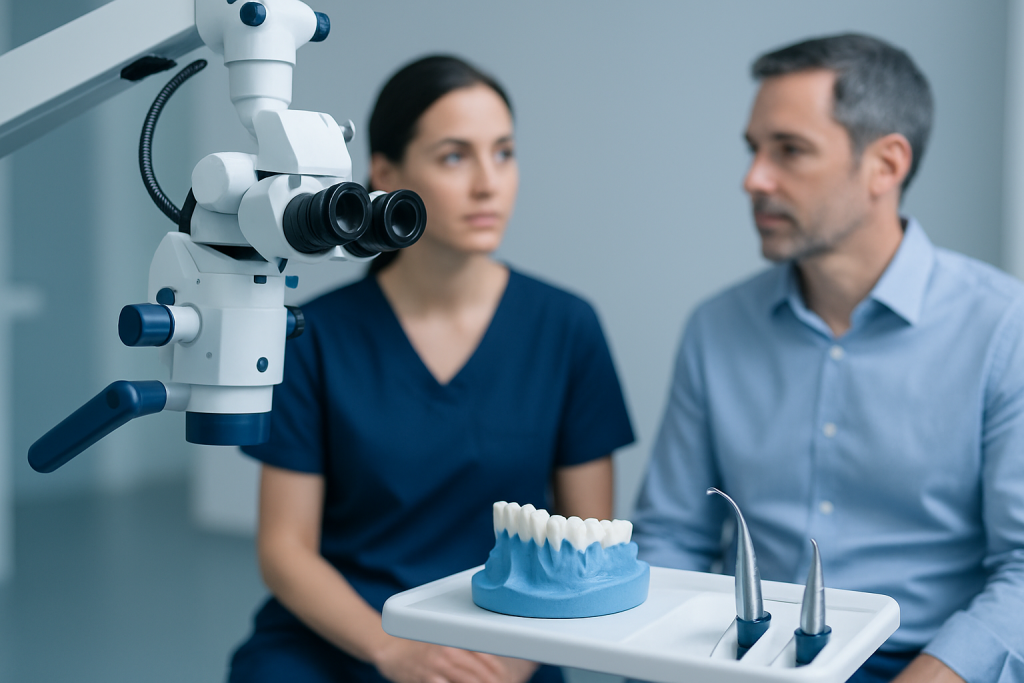
Not every filling or routine cleaning needs a formal review. A second opinion becomes more valuable when the proposed work is extensive, irreversible, costly, or likely to affect appearance and function for years. This is especially true if treatment includes multiple crowns, bridges, implants, jaw surgery, periodontal procedures, or a full-mouth restoration.
Patients may also want a second opinion when the explanation feels incomplete. If the recommended plan seems much larger than expected, if several procedures are proposed at once, or if the patient does not understand why one option is preferred over another, a careful review can help. A second opinion may also be helpful when pain, gum disease, missing teeth, worn teeth, or bite problems appear to be connected in more than one way.
Travel plans can add another layer. Some patients seek dental care abroad because they want access to multidisciplinary expertise, advanced imaging, or a coordinated treatment sequence. In those cases, a second opinion can help the patient decide whether the proposed travel is worthwhile and what kind of follow-up will be needed after returning home.
Questions to Ask Before Committing

The most useful second opinion starts with clear, specific questions. Patients do not need to know dental terminology in advance; they only need a willingness to ask for plain-language answers. A good clinician should be able to explain what is wrong, what can happen if nothing is done, and why the proposed plan is considered appropriate.
Helpful questions often include:
- What is the exact diagnosis, and what evidence supports it?
- Are there non-surgical or less invasive alternatives?
- Which parts of the plan are necessary now, and which can wait?
- What are the expected benefits, limitations, and likely lifespan of each option?
- What risks or complications should I understand before deciding?
- How will this treatment affect eating, speech, appearance, and comfort?
- What kind of maintenance or follow-up will be needed after treatment?
It also helps to ask how the plan was sequenced. In complex dentistry, timing matters. For example, infection control, gum health, bite stabilization, and bone support may need attention before final restorations are placed. When a dentist can explain the order of steps clearly, the patient can judge whether the plan is thoughtfully designed rather than simply extensive.
What Makes a Dental Treatment Plan “Complex”
Complex dental treatment is usually not defined by a single procedure. It is defined by how many systems must work together for the result to succeed. Teeth, gums, bone, bite, jaw joints, and the patient’s habits all influence the final outcome. When several of these factors are involved, treatment planning becomes more like reconstruction than repair.
Examples include replacing multiple missing teeth with implants or bridges, rebuilding heavily worn teeth, treating widespread gum disease before restorative work, or combining orthodontic movement with prosthetic care. Cosmetic goals can also be part of the plan, especially when appearance, bite function, and durability must all be balanced at once.
Complexity matters because the “best” answer is rarely obvious from a single photo or a brief consultation. A second opinion can reveal whether the primary problem is decay, infection, trauma, clenching, periodontal loss, or an issue with how the teeth fit together. That distinction shapes the treatment path more than the visible damage alone.
How a Second Opinion Is Usually Evaluated
A meaningful second opinion is built on records, not guesswork. Depending on the case, a dentist may review photographs, X-rays, panoramic images, CBCT scans, periodontal measurements, digital impressions, or previous treatment notes. These materials allow the clinician to compare diagnoses and see whether important details were missed or interpreted differently.
The visit itself usually includes an exam, a discussion of symptoms and goals, and an explanation of possible treatment pathways. The second clinician may agree with the original plan, suggest a more conservative approach, or recommend staging the work differently. In some situations, both opinions can be reasonable because dentistry often allows more than one acceptable route.
Patients should look for clarity rather than pressure. A strong second opinion explains the “why” behind each recommendation, discusses trade-offs honestly, and respects that the patient may need time to think. If a provider seems dismissive of the first dentist without offering evidence or a coherent alternative, the opinion may be less helpful than it sounds.
Treatment Options That Often Benefit from Review
Some dental treatments are especially worth reviewing before a patient commits. Implant-based care is a common example, because bone quality, gum health, bite forces, and long-term maintenance all affect success. Full-mouth rehabilitation can also benefit from review, since the plan may involve several specialties and a careful sequence of steps.
Other situations that often justify a second opinion include:
- Extraction of multiple teeth when preservation may still be possible
- Extensive crown or bridge work on teeth that might be repaired differently
- Gum surgery or periodontal treatment that will change the shape and support of the teeth
- Complex root canal retreatment or apical surgery
- Orthodontic treatment combined with restorative or surgical care
- Cosmetic treatment where appearance, bite, and tooth structure must all be balanced
In each of these cases, the second opinion can help distinguish between what is possible, what is predictable, and what is simply preferred by one clinician. That is valuable because the most attractive option on paper is not always the one that will age best in the mouth.
How to Compare Two Plans Without Getting Lost in the Details
When patients receive different recommendations, it can feel difficult to know which one is right. Comparing plans works best when the patient focuses on a few practical anchors: diagnosis, goals, sequence, durability, and follow-up. Two plans may differ in technique but still aim at the same problem. The important question is which one fits the patient’s oral health, timeline, and comfort level.
It can help to write down the answers from each consultation in the same order. For example: What is the main problem? What happens if treatment is delayed? What are the alternatives? How long is each option expected to last? What future maintenance is likely? This makes differences easier to see and prevents emotion from overwhelming the decision.
Patients should also consider how much support they will need after treatment. If they are traveling from another country, it is worth asking who will manage post-treatment questions, how emergency concerns are handled, and what records will be available for the home dentist. A treatment plan is stronger when it includes a realistic aftercare pathway, not just a procedure date.
Prevention, Self-care, and When to Seek Help
While a second opinion is about decision-making, daily care still matters. Good brushing, flossing or interdental cleaning, regular professional checkups, and attention to gum health can stabilize many conditions and make treatment more predictable. Patients who clench or grind their teeth should mention it, since that habit can influence restorative choices and long-term wear.
Between consultations, it is reasonable to keep symptoms under observation, but not to ignore them. Increasing pain, swelling, difficulty chewing, bleeding gums, loose teeth, or a new bite change deserve timely review. If treatment has already begun and something feels unclear, patients can ask for clarification rather than waiting for confusion to grow.
For international patients, it is wise to collect copies of dental records before leaving the first clinic and to keep them organized. If traveling for care, Acibadem Health Point’s multidisciplinary specialists and JCI-accredited hospitals can diagnose and treat complex dental conditions for international patients, while helping coordinate the different parts of care. That kind of organization can make it easier to plan treatment, recovery, and follow-up across borders.
Frequently asked questions
When should someone seek a second opinion for dental treatment?
A second opinion is especially helpful when the proposed care is extensive, irreversible, expensive, or difficult to understand. It is also wise when several treatment options seem possible and the patient wants more clarity before deciding.
Can two dentists give different but both reasonable recommendations?
Yes. Dentistry often allows more than one acceptable approach, especially in complex cases. The key is whether each plan explains the diagnosis, expected benefits, risks, and long-term maintenance in a logical way.
What records should a patient bring to a second opinion appointment?
Dental X-rays, scans, photographs, treatment notes, and a written list of symptoms are all helpful. The more complete the records, the easier it is for the second clinician to review the case accurately.
Does a second opinion mean the first dentist was wrong?
Not necessarily. It often means the patient wants to make a more informed choice, which is a normal part of complex care. Different dentists may reasonably emphasize different priorities, such as preserving teeth, improving function, or sequencing treatment more conservatively.
What should a patient ask about if dental treatment involves travel?
Patients should ask how follow-up will work, who will answer questions after they return home, and what records will be shared with their local dentist. It is also important to understand whether treatment will happen in stages and how much recovery time may be needed between visits.
Is it okay to pause before starting a complex dental plan?
Yes, in many cases it is appropriate to pause, review the information, and think through the options. The main exception is when a dentist has explained that delaying care could worsen infection, pain, or tooth loss, in which case prompt follow-up is advisable.
References
- American Dental Association
- National Institute of Dental and Craniofacial Research
- NHS
- Mayo Clinic
- Fédération Dentaire Internationale
This article is for general information only and is not a substitute for professional medical advice. Please consult a qualified doctor about your individual situation.