

Scar Revision: Which Scars Improve With Surgery and Which Need a Different Approach

Key Takeaways
- Not every scar is a good candidate for surgery; some improve more with silicone, injections, lasers, or pressure therapy.
- Scar revision aims to soften, flatten, reposition, or blend a scar rather than remove it completely.
- Raised scars, widened scars, contractures, and some unstable scars may benefit from surgical correction.
- Keloids and hypertrophic scars often need a combined plan, because surgery alone can sometimes trigger recurrence.
- Timing matters: many scars need time to mature before a revision decision is made.
- A qualified specialist can match the treatment to the scar type, skin tone, body area, and healing history.
Medically reviewed by the Acıbadem clinical team — June 13, 2026
Scar revision is a set of treatments used to make a scar less noticeable, more comfortable, or easier to move with. The best approach depends on the scar’s type, location, age, and how it behaves over time.
Overview
Scars tell a healing story, but sometimes that story comes with tightness, pain, itching, or a visible mark that draws attention for the wrong reasons. Scar revision is the umbrella term for treatments that make a scar less noticeable or less troublesome. In practice, that may mean surgical reshaping, but it can also mean injections, laser treatment, silicone-based care, or a combination of approaches.
The right plan depends on what kind of scar is present. A flat line from surgery behaves very differently from a thick keloid, a widened scar after wound tension, or a contracture that limits movement. For that reason, scar revision is not a single operation with a single result. It is a tailored decision made after the scar is examined, its history is reviewed, and the person’s goals are discussed carefully.
For international patients, this often starts with an online consultation or a detailed photo review before travel. That early conversation helps a specialist judge whether the scar is likely to improve most with surgery, a non-surgical treatment, or a staged approach that combines several methods over time.
Symptoms and Signs a Scar May Need Attention
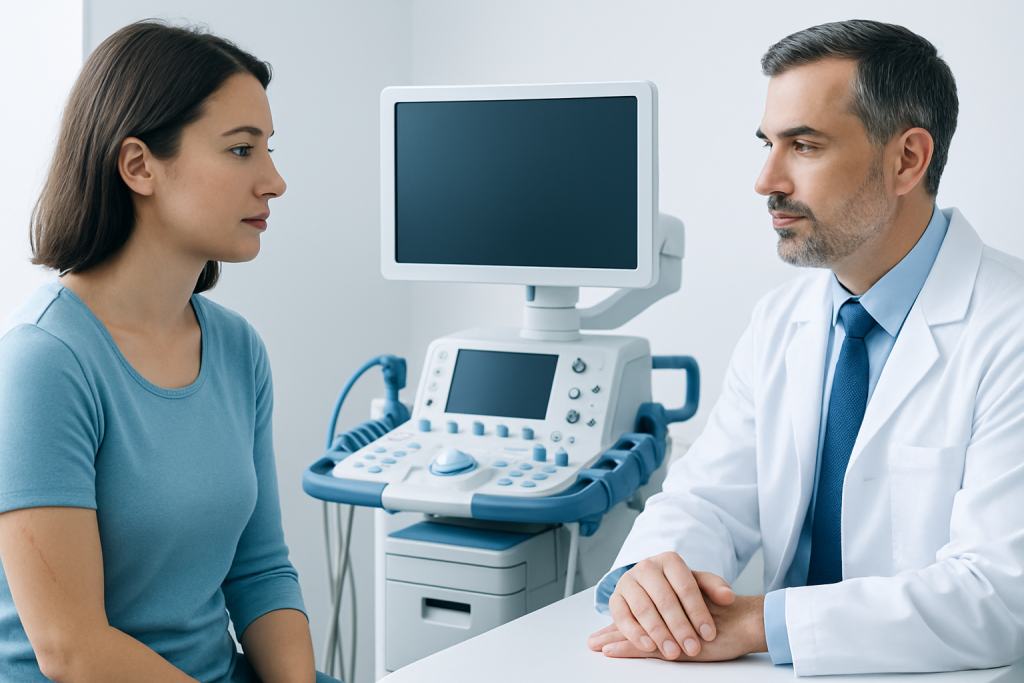
Many scars are harmless and gradually fade. Others become a daily nuisance or change in a way that suggests they deserve medical review. A scar may be considered for revision if it is painful, itchy, firm, thick, pulled tight, unusually dark or red, or if it sits in a place where clothing, shaving, speaking, blinking, or joint movement causes repeated irritation.
Appearance also matters. Some people are bothered by a scar that is wide, stepped, puckered, sunken, unevenly pigmented, or positioned in a very visible area. Children and adults may also develop functional problems when a scar crosses the shoulder, neck, hand, abdomen, or another area that needs flexibility. In those situations, the goal is not only cosmetic improvement; it is also better comfort and movement.
It is helpful to think about scars in terms of behavior. A stable scar that is flat and mature may be suitable for a refined surgical adjustment. A scar that keeps growing beyond its original borders, remains inflamed, or becomes thick after every attempt at treatment may need a different strategy. That distinction is central to choosing the right path.
Causes and Risk Factors

Scars form whenever the skin heals after injury, surgery, burns, acne, infection, or chronic inflammation. The body creates collagen to close the wound, but the amount, direction, and timing of that collagen can vary. If the repair process is uneven, the scar may become raised, widened, sunken, tight, or discolored.
Certain factors increase the chance that a scar will be difficult to treat. Wounds under tension, such as those across joints or in areas that move frequently, are more likely to widen or contract. Genetics also matters, especially for keloids, which can run in families and are more common in some skin types. Infection, delayed wound healing, repeated trauma, smoking, and poor wound care can also affect how a scar matures.
The scar’s age is another important clue. Newer scars are still changing, and many specialists prefer to wait until the tissue has matured before recommending revision, unless the scar is causing a major functional problem. Mature scars are often easier to assess because their final shape, color, and thickness are clearer.
- Raised scars: may be hypertrophic scars or keloids
- Widened scars: often follow tension on a healing wound
- Contractures: can limit stretching or movement
- Sunken or depressed scars: may follow acne, trauma, or loss of tissue
- Uneven pigmentation scars: may be lighter or darker than surrounding skin
Which Scars Improve With Surgery — and Which Often Need Another Approach
Surgery can be very effective when the problem is scar shape, direction, width, or tightness. Widened scars, scars that lie in an awkward direction, and some scars that tether the skin can often be improved by excising the old scar and closing the wound with better alignment and lower tension. In selected cases, a surgeon may use techniques such as Z-plasty or W-plasty to redirect the scar into a less noticeable line or to release tight bands.
Contracture scars, especially after burns or deep injuries, are another group that may benefit strongly from surgery because they can restrict motion and function. Releasing the scar can restore mobility, and the repair may be supported with grafts, flaps, splinting, or therapy afterward. In these cases, the goal is often practical improvement first, with appearance improving as a secondary benefit.
By contrast, keloids and some hypertrophic scars often need a broader approach. These scars are driven by an overactive healing response, so cutting them out alone may lead to regrowth or recurrence. For that reason, specialists frequently combine surgery with steroid injections, pressure therapy, silicone, laser treatment, or other scar-modulating methods. Sunken acne scars and some pitted scars often respond better to resurfacing, fillers, subcision, microneedling, or laser-based treatments than to classic scar excision.
In general:
- Often surgical candidates: widened scars, malpositioned scars, tight contractures, some mature linear scars
- Often need combined treatment: keloids, hypertrophic scars, recurrent thick scars
- Often better served by non-surgical methods: pitted acne scars, pigment-only concerns, very new scars still changing
Diagnosis and Consultation
Scar revision begins with a careful conversation, not a procedure. The specialist will usually ask how the scar formed, how long it has been present, whether it is painful or itchy, whether it has changed recently, and whether any previous treatments were tried. Photos from different stages of healing can be useful, especially when a patient is traveling from another country and wants an early opinion before arranging an in-person visit.
The physical examination focuses on the scar’s thickness, color, width, direction, firmness, mobility, and relation to nearby structures. The doctor also checks whether the scar is attached to deeper tissue, whether a joint or facial expression is being affected, and whether the scar is stable enough for a revision procedure. In some cases, the specialist may recommend waiting, because performing surgery too early can sometimes lead to a less predictable result.
When the scar seems unusual, rapidly changing, or uncertain in appearance, the doctor may consider whether further assessment is needed. This is less common, but it matters because not every mark on the skin is a simple scar. A patient-centered consultation helps separate cosmetic concerns from functional problems and from scars that need a different medical workup.
Treatment Options
Scar revision is best viewed as a toolkit. The right tool depends on the scar’s behavior and the patient’s goals. Surgical revision may include removing the old scar and closing the skin with careful planning, rearranging the scar with geometric techniques, releasing a contracture, or combining the revision with a skin graft or flap when extra tissue is needed. The aim is generally to create a finer, flatter, better placed scar rather than to promise invisibility.
Non-surgical treatments are often essential, either instead of surgery or alongside it. Silicone sheets or gels can help soften and flatten some scars over time. Steroid or other injections may reduce thickness and itching in raised scars. Laser treatment can improve redness, texture, or firmness in selected scars, while microneedling or resurfacing techniques may help certain depressed or uneven scars. Pressure therapy and splinting can be especially important after burns or contracture release.
For people traveling for care, treatment planning should include the full timeline: initial procedure, wound checks, follow-up, and the possibility that more than one session may be needed. A good scar plan also includes realistic discussion about healing, because even a successful revision still requires time for redness to fade and tissue to settle.
Some scars are best treated in stages. That may be the case when the scar is large, complex, located on a high-motion area, or associated with thickened tissue that tends to recur. Staged care can feel slower, but it often gives the specialist better control and can improve the final balance between appearance and function.
Prevention and Self-care
Although an existing scar cannot be prevented from having happened, future scars can often be made less troublesome with careful wound care. Clean the area as directed by a clinician, keep it protected from repeated friction, and avoid picking at scabs or removing closure strips prematurely. Once the skin is fully closed, sun protection is important because ultraviolet exposure can darken scars and make them stand out longer.
Silicone gel or silicone sheets are commonly recommended for certain healing wounds and scars, but they work best when used consistently and exactly as advised. Gentle massage may help in some cases, though it should not be started on open or fragile skin without medical approval. If a scar is on a joint, a therapist may recommend stretching, splinting, or exercises to preserve movement without overstressing the healing tissue.
General health habits also matter. Smoking can impair wound healing, and good nutrition supports tissue repair. For patients with a history of keloids or problematic scarring, it is wise to inform the doctor before any planned surgery, piercing, or skin procedure so that preventive steps can be discussed in advance.
When to See a Doctor
A doctor should be consulted if a scar is painful, increasingly raised, itchy, tight, repeatedly irritated, or limiting movement. New redness, drainage, warmth, or swelling around a scar deserves prompt assessment because those changes can indicate infection or a wound that is not healing well. Scars that keep enlarging beyond the original wound margins may also need specialist review, especially if keloid formation is suspected.
It is also sensible to seek an expert opinion when the scar is emotionally distressing and the patient wants to understand the realistic options. A scar that may look minor to one person can feel very different to the person living with it every day. Clear counseling can help distinguish between treatments that are likely to improve the scar and those that would only add more tissue injury.
For patients considering treatment abroad, a pre-travel consultation is especially useful. It helps confirm whether the scar is suitable for surgery, whether time will be needed for follow-up, and whether combined treatment would be more effective. Acibadem Health Point’s multidisciplinary specialists and JCI-accredited hospitals diagnose and treat scar problems for international patients, with care plans shaped around the scar type, healing history, and follow-up needs.
Frequently asked questions
Can every scar be removed with surgery?
No. Surgery can improve the shape, placement, or tightness of many scars, but it cannot erase all visible evidence of healing. Some scars respond better to non-surgical treatments or to a combined plan.
Which scars are most likely to improve with scar revision surgery?
Widened scars, scars that are poorly aligned, and contracture scars often respond well to surgery. Mature linear scars may also be improved when they are stable and the main concern is appearance or tension.
Why are keloids treated differently?
Keloids tend to keep growing beyond the original wound and can recur after simple excision. Because of that behavior, doctors often combine surgery with injections, silicone, pressure, or laser treatment.
How long should someone wait before revising a scar?
Many scars are watched for several months because they continue to mature and soften over time. The timing depends on the scar’s location, symptoms, and whether it is affecting function.
Will a scar revision leave another scar?
Yes, any surgery creates a new incision that must heal. The aim is to replace a more noticeable or problematic scar with one that is finer, better positioned, and easier to care for.
What should an international patient prepare before traveling for scar treatment?
It helps to gather photos, previous procedure records, and a list of symptoms or past treatments. A doctor can then advise whether the scar needs surgery, non-surgical care, or follow-up visits after travel.
References
- American Society of Plastic Surgeons
- American Academy of Dermatology
- Mayo Clinic
- National Institute of Arthritis and Musculoskeletal and Skin Diseases
- NHS
This article is for general information only and is not a substitute for professional medical advice. Please consult a qualified doctor about your individual situation.
More from the Health Library



Related Specialists

Dr. Serkan Tokgönül
Aesthetic Plastic & Reconstructive Surgery
Dr. Ömercan Yağız Öksüz
Aesthetic Plastic & Reconstructive Surgery
Prof. Dr. Mehmet Veli Karaaltın
Aesthetic Plastic & Reconstructive Surgery
Dr. Nezail Demirciler
Plastic, Reconstructive and Aesthetic Surgery