

Sanfilippo Syndrome

Key Takeaways
- Sanfilippo syndrome is a rare inherited lysosomal storage disorder that mainly affects the brain and nervous system.
- Early signs may include delayed speech, sleep disruption, hyperactivity, and loss of previously learned skills.
- Diagnosis usually involves clinical assessment, urine testing, enzyme studies, and genetic testing.
- Treatment focuses on supportive care, symptom management, and coordinated specialist follow-up.
- Families may benefit from genetic counseling and long-term planning for educational, medical, and practical needs.
Sanfilippo syndrome is a rare inherited condition that affects how the body breaks down certain complex sugars, leading mainly to progressive brain and nervous system changes. Families often first notice delays in development or changes in behavior before the condition becomes more clearly defined through genetic and enzyme testing.
Overview
Sanfilippo syndrome, also called mucopolysaccharidosis type III (MPS III), is a rare genetic disorder that changes the way the body processes certain complex sugars known as glycosaminoglycans. When these substances are not broken down properly, they build up inside cells and gradually interfere with normal function, especially in the brain and nervous system.
The condition is usually inherited in an autosomal recessive pattern, meaning a child receives one altered gene from each parent. There are several subtypes, but all share a similar overall pattern: children often develop for a period of time and then begin to lose skills, usually in language, behavior, and thinking. Because the early signs may resemble developmental delay or attention-related concerns, the diagnosis is not always immediate.
For families, the journey often includes many questions before a clear answer arrives. A careful evaluation can help distinguish Sanfilippo syndrome from other developmental and neurologic conditions and can guide supportive care, planning, and genetic counseling for the family.
Symptoms
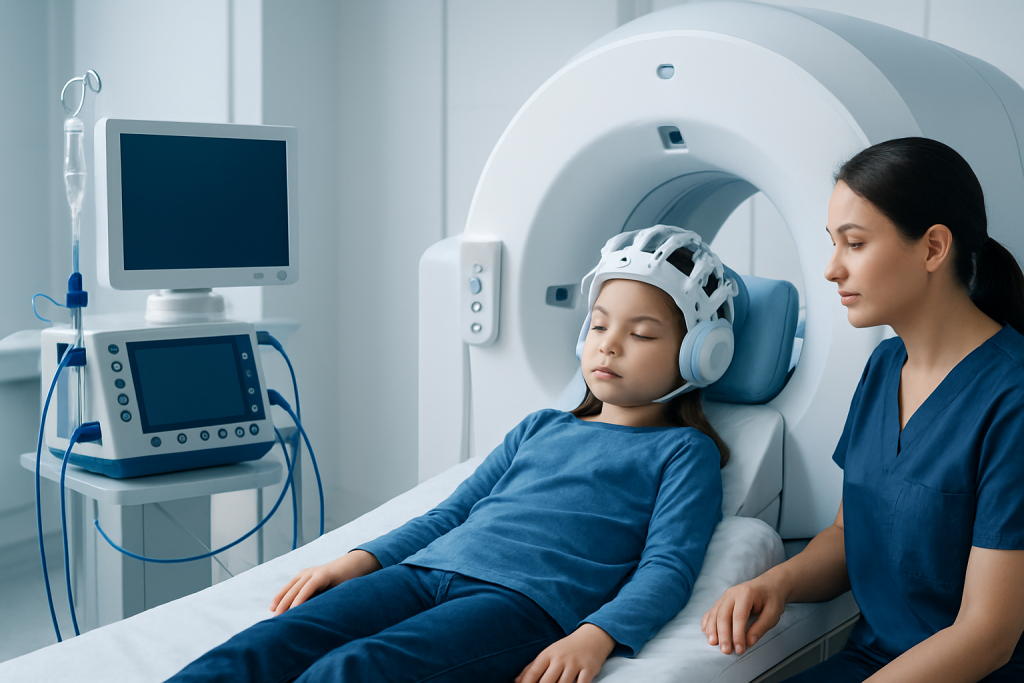
The symptoms of Sanfilippo syndrome often appear in early childhood, although the pace and pattern can vary. Many children begin with a period of apparently typical development followed by slower progress, especially in speech and learning. Over time, they may lose words, struggle with attention, or become increasingly restless.
Behavioral changes are common and may be among the earliest concerns noticed by parents or teachers. Sleep disturbance, frequent waking, impulsive behavior, short attention span, and intense activity are often described. Some children also develop frequent ear infections, hearing issues, or mild coarse facial features, although these are not always obvious at first.
As the condition progresses, additional features may include:
- Loss of previously learned language or social skills
- Difficulty with coordination or walking
- Swallowing problems later in the disease course
- Seizures in some children
- Changes in hearing or vision
Each child’s course is unique. Some changes are subtle at the beginning, so families may notice that behavior, sleep, and communication are shifting long before a diagnosis is considered.
Causes & Risk Factors

Sanfilippo syndrome is caused by changes in genes that direct the production of enzymes needed to break down heparan sulfate, a type of glycosaminoglycan. When one of these enzymes is missing or does not work well, the material accumulates inside cells and damages tissues over time. The brain is especially vulnerable, which is why neurologic and behavioral symptoms are so prominent.
There are four recognized genetic subtypes: MPS IIIA, IIIB, IIIC, and IIID. Each subtype is linked to a different gene and enzyme, but the overall illness pattern is similar. Knowing the subtype can be helpful for confirming the diagnosis and supporting family planning discussions, even though day-to-day symptoms may look much the same across types.
The main risk factor is family inheritance. Because the condition is autosomal recessive, parents are typically healthy carriers and may not know they carry the altered gene. The chance of having an affected child is higher when both parents carry the same gene change, which is why genetic counseling can be an important part of care after diagnosis.
Diagnosis
Diagnosis usually begins with a detailed review of developmental history, behavior, language milestones, sleep patterns, and any regression in skills. A pediatrician, neurologist, or metabolic specialist may then recommend laboratory and genetic testing to look for signs of a lysosomal storage disorder.
Testing can include urine studies for glycosaminoglycans, enzyme assays to measure specific enzyme activity, and genetic testing to identify the underlying gene change. Brain imaging or other studies may be used to rule out other conditions or to understand the broader impact on the nervous system, but they do not by themselves confirm the diagnosis.
Because the symptoms can overlap with autism spectrum disorder, ADHD, speech delay, or other neurodevelopmental concerns, a careful and coordinated workup is important. In international care settings, families may seek a center that can arrange genetic analysis, neurology review, and metabolic evaluation together, which can reduce delays and help make the process more manageable.
Treatment Options
There is currently no single cure that reverses Sanfilippo syndrome, so treatment focuses on supportive care, comfort, and preserving function for as long as possible. Care is usually coordinated by a team that may include pediatrics, neurology, genetics, rehabilitation, speech and language therapy, sleep specialists, and nutrition professionals.
Management is tailored to the child’s needs and may include therapies to support communication, mobility, behavior, and daily routines. Sleep problems, seizures, feeding difficulties, hearing loss, and movement changes are treated according to standard medical practice. The goal is to reduce distress, maintain safety, and support quality of life for both the child and the family.
Some families may also ask about clinical trials or research-based treatments. These decisions should be made with a specialist familiar with rare metabolic disorders, since the availability and suitability of investigational options vary. A thoughtful treatment plan often includes regular reassessment, because symptoms and support needs can change over time.
Prevention & Self-care
Sanfilippo syndrome itself cannot be prevented in a child who has inherited the relevant gene changes, but families can take steps that support early recognition and informed planning. If there is a known family history of the disorder or unexplained developmental regression, genetic counseling may help relatives understand their risk and discuss testing options.
At home, day-to-day care often works best when routines are predictable and communication is simple, calm, and consistent. Families may find it helpful to keep notes on sleep, behavior, feeding, and new symptoms so changes can be shared accurately with the care team. Small adjustments to the environment, such as reducing hazards for a restless child, can also improve safety.
For families traveling from another country, coordinated planning can make a major difference. Bringing prior medical records, genetic reports, therapy notes, and a list of current concerns helps specialists assess the situation efficiently and set realistic follow-up plans that can continue after returning home.
When to See a Doctor
Medical review is important if a child shows developmental regression, especially loss of speech, increasing behavioral changes, or a noticeable decline after a period of progress. A child who becomes unusually hyperactive, has persistent sleep problems, or begins losing skills that were already learned should be evaluated promptly.
Families should also seek assessment if there is a known family history of Sanfilippo syndrome or another mucopolysaccharidosis, even when symptoms are still mild. Earlier evaluation can help clarify the diagnosis, connect the family with appropriate specialists, and reduce uncertainty during a difficult time.
Once the diagnosis is confirmed, ongoing follow-up is important to manage changing needs and to support the child’s comfort and safety. Acibadem Health Point can help international patients access multidisciplinary specialists and JCI-accredited hospitals for diagnosis and treatment planning, with care organized around family communication and continuity.
Living With Sanfilippo Syndrome
Living with Sanfilippo syndrome often means adapting care as the child grows and needs change. Families may balance therapy appointments, school support, sleep disruption, feeding issues, and emotional strain, all while trying to maintain familiar routines and meaningful time together.
Support is usually strongest when it includes more than medical treatment. Educational planning, respite support, counseling, and practical guidance for daily care can help families feel less isolated and better prepared. Many parents also benefit from connecting with genetic counselors or rare-disease support networks to better understand inheritance and future family planning.
Although the condition is serious and progressive, care can still make a meaningful difference in comfort, communication, and daily life. A multidisciplinary team can help shape realistic goals, provide symptom relief, and guide decisions at each stage with clarity and compassion.
Frequently asked questions
What is Sanfilippo syndrome in simple terms?
Sanfilippo syndrome is a rare inherited condition that prevents the body from breaking down a certain complex sugar properly. The buildup mainly affects the brain and nervous system, which is why language, behavior, and learning are often the first areas to change.
Is Sanfilippo syndrome the same as MPS III?
Yes. Sanfilippo syndrome is another name for mucopolysaccharidosis type III, often shortened to MPS III. It includes several genetic subtypes that cause similar symptoms.
What are the earliest warning signs?
Early signs often include delayed speech, sleep problems, hyperactivity, and later loss of words or other skills. Some children may also seem unusually restless or have trouble focusing and settling.
How is the diagnosis confirmed?
Doctors usually combine clinical assessment with urine testing, enzyme studies, and genetic testing. A specialist team may also use other tests to rule out different causes of developmental regression.
Can Sanfilippo syndrome be treated?
There is no cure that reverses the condition, but many symptoms can be managed. Care may include therapies, sleep support, seizure treatment, nutrition help, and other specialist-guided measures.
Should families consider genetic counseling?
Genetic counseling is often helpful because the condition is inherited. It can explain carrier status, recurrence risk, and testing options for relatives or future pregnancies.
References
- National Organization for Rare Disorders
- GeneReviews
- MedlinePlus Genetics
- National Institutes of Health
- MPS Society
This article is for general information only and is not a substitute for professional medical advice. Please consult a qualified doctor about your individual situation.
More from the Health Library



Related Specialists
Dr. Muzaffer Bora Okar
General Surgery
Dr. Nezihi Ün
Ophthalmology
Dr. Mert Öztaş
Rheumatology
Assoc. Prof. Dr. Berkin Toker
Orthopedic Surgery & Traumatology