Rule Out Mass

Key Takeaways
- R/o mass is not a diagnosis; it is a prompt to investigate whether an abnormal growth or lump is present.
- Many masses are benign, but some need timely imaging, laboratory testing, or biopsy to determine the cause.
- Symptoms depend on the location of the mass and may range from none at all to pain, pressure, or changes in nearby function.
- A clear diagnosis usually comes from combining the medical history, physical exam, imaging, and sometimes tissue sampling.
- Anyone who notices a new, persistent, or changing lump should arrange medical evaluation rather than waiting for it to disappear.
Medically reviewed by the Acıbadem clinical team — August 19, 2026
“R/o mass” is a clinical shorthand that means a mass is being considered or needs to be ruled out during evaluation. For patients, the term usually appears on imaging requests or reports and signals that more information is needed before a cause can be confirmed.
Overview
The phrase “R/o mass” is shorthand used in medical documentation to mean “rule out a mass.” In plain language, it tells the care team that an exam, scan, or set of symptoms has raised the question of whether an abnormal lump, growth, or tissue change is present.
For patients, this wording can feel unsettling because it sounds vague. In reality, it often reflects careful medicine rather than alarm. Clinicians use it when they want to confirm whether something is truly a mass, what type it may be, and whether it needs follow-up, treatment, or simple observation.
A mass can appear in many parts of the body, including the breast, thyroid, abdomen, skin, lymph nodes, organs, or soft tissues. Some are cysts or harmless growths, while others require more urgent assessment. The next steps depend on the body area involved, the patient’s age and history, and what the first test shows.
Symptoms and What Patients May Notice
Not every mass causes symptoms. Some are found during routine examinations or incidentally on imaging done for another reason. Others are first noticed by the patient as a lump, swelling, fullness, or a new contour change under the skin or deeper in the body.
When symptoms do appear, they usually depend on where the mass is located. A neck mass may be felt while swallowing or turning the head, a breast mass may be noticed during self-exam, and an abdominal mass may cause pressure, bloating, or changes in appetite. In other areas, a mass may affect movement, breathing, nerve function, or nearby organ activity.
- A lump that feels new, firm, fixed, or enlarging
- Pain, tenderness, or pressure in one area
- Unexplained swelling or asymmetry
- Changes in skin color, texture, or temperature over the area
- Difficulty swallowing, breathing, urinating, or moving a limb, depending on location
It is also worth noting that visible or palpable change does not automatically mean cancer. Many benign conditions, including cysts, inflamed tissue, and noncancerous growths, can create similar findings. The purpose of evaluation is to sort out what the body is showing, not to assume the worst.
Causes and Risk Factors

A mass can develop for many reasons. Some arise from fluid-filled cysts, some from overgrowth of normal tissue, some from inflammation or infection, and others from benign or malignant tumors. The appearance of the mass, its location, and how quickly it changed often help guide the differential diagnosis.
Risk factors vary widely by body system. Prior injury, chronic inflammation, smoking, family history of certain cancers, inherited conditions, hormonal influences, and age can all play a role in specific settings. At the same time, many masses occur without a clear reason and in people with no known risk factors.
Doctors usually think about several possibilities at once. That may include infection, cysts, enlarged lymph nodes, abscesses, benign tumors such as lipomas or fibroids, and cancers. The term “R/o mass” is therefore a starting point for investigation, not a statement that a dangerous problem is already confirmed.
Diagnosis: How the Cause Is Clarified
Diagnosis typically begins with a detailed history and physical examination. The clinician may ask when the lump was first noticed, whether it has grown, whether pain is present, and whether the patient has related symptoms such as fever, weight change, cough, bleeding, or changes in bowel or bladder habits. A focused exam helps determine whether the area feels superficial or deep, soft or firm, mobile or fixed.
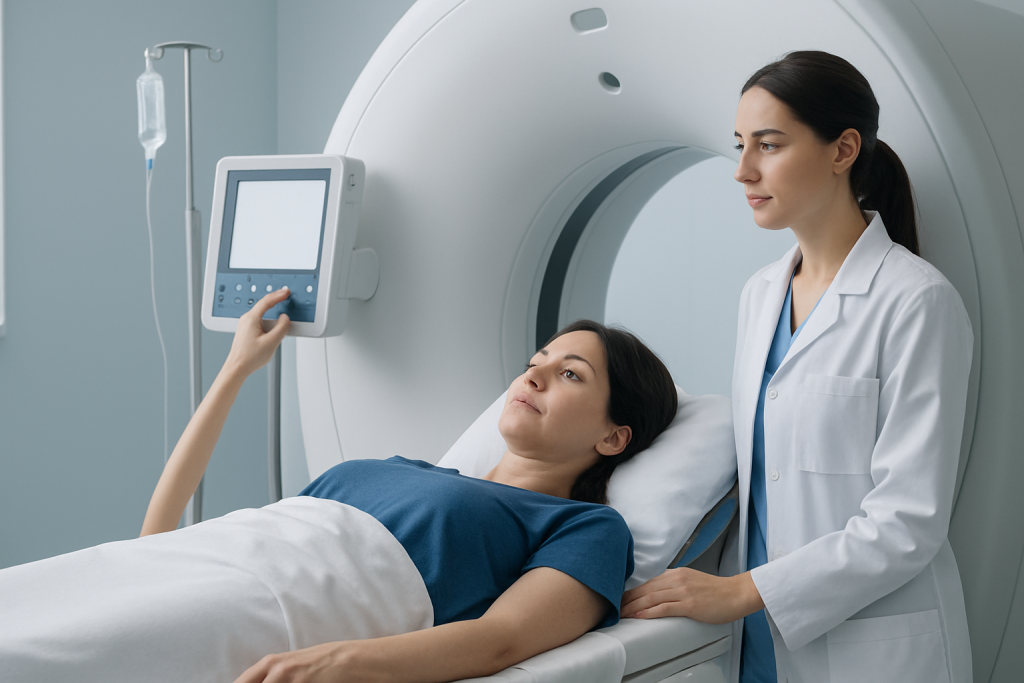
Imaging is often the next step. Ultrasound is commonly used for superficial or soft-tissue concerns, while X-rays, CT scans, or MRI may be better for deeper structures or complex anatomy. In some situations, blood tests are useful to look for inflammation, infection, hormonal changes, or clues that support a broader workup.
When imaging does not provide a clear answer, or when the appearance suggests that tissue confirmation is needed, a biopsy may be recommended. This means taking a small sample for laboratory review. The technique may be needle-based or surgical, depending on the mass and its location. Patients traveling internationally for care often appreciate that this workup can usually be organized in a coordinated way, so the history, imaging, and specialist review are aligned before decisions are made.
Treatment Options
Treatment depends entirely on what the mass is. Some findings need no active treatment and are simply watched over time with repeat examinations or imaging. Others are removed because they cause symptoms, continue to grow, or carry a higher concern for future problems.
If the mass is caused by infection or inflammation, treatment may focus on the underlying condition. That might include drainage, antibiotics, or other medical therapy. Benign growths are sometimes monitored if they are not causing harm. When a mass is cancerous or strongly suspicious, treatment may involve surgery, medication, radiation therapy, or a combination planned by a multidisciplinary team.
For patients coming from abroad, treatment planning also includes practical concerns such as timing of procedures, recovery expectations, and follow-up after returning home. A good care plan addresses not only the mass itself, but also how results will be communicated, how healing will be monitored, and what local follow-up is needed once travel ends.
- Observation with scheduled reassessment
- Medication for infection, inflammation, or hormone-related causes
- Drainage of fluid or pus when appropriate
- Biopsy or surgical removal
- Oncology-directed therapy when a cancer diagnosis is confirmed
Prevention and Self-care
Not every mass can be prevented, especially when the cause is genetic, hormonal, or not yet understood. Still, patients can support earlier detection by paying attention to new changes in the body and not dismissing persistent lumps or swelling as temporary.
Self-care is mostly about monitoring responsibly. A person can note when the mass appeared, whether it changes in size, whether it is painful, and whether there are related symptoms. If a doctor recommends observation, following the suggested timeline matters, because some important changes are better seen over time than judged from a single exam.
Healthy habits do not diagnose a mass, but they can support overall resilience during evaluation and recovery. Adequate hydration, balanced nutrition, and avoiding tobacco are sensible measures. Patients should also keep copies of imaging reports, pathology results, and medication lists, especially if care is split between countries.
- Track new lumps or swelling without repeatedly pressing on them
- Keep follow-up appointments and repeat scans as advised
- Bring prior images and reports to specialist visits when possible
- Seek prompt reassessment if the area changes quickly
When to See a Doctor
A medical review is appropriate for any new lump that does not go away, any mass that grows, and any swelling that is unexplained. Even when a finding turns out to be benign, it is better to confirm that with proper evaluation than to rely on guesswork.
More urgent assessment is sensible if the mass is associated with fever, unintentional weight loss, night sweats, persistent pain, bleeding, difficulty breathing, trouble swallowing, neurological symptoms, or a rapid increase in size. The exact level of urgency depends on the location, but these features should not be ignored.
Patients seeking a second opinion or coordinated diagnostic workup can usually benefit from a center that can arrange imaging, pathology review, and specialist input efficiently. Acibadem Health Point’s multidisciplinary specialists and JCI-accredited hospitals diagnose and treat this condition for international patients, with care planning that supports both treatment and follow-up.
If a report uses the phrase “R/o mass,” the most useful next step is to ask the treating doctor what is being considered, what tests are recommended, and when results should be reviewed. Clear answers usually reduce worry and help the patient move forward with a practical plan.
Living with the Diagnostic Uncertainty
Waiting for the cause of a mass to be clarified can be the hardest part. Patients may feel caught between “it is probably nothing” and “it needs checking,” which is exactly where this term often leaves them. That uncertainty is normal, and it is one reason medical teams try to move step by step rather than speak in absolutes too early.
It can help to write down questions before appointments. Useful questions include whether the mass appears solid or fluid-filled, whether it is likely benign, whether a biopsy is needed, and what changes should prompt faster review. Patients should also ask how results will be shared if they are traveling or returning home soon.
When the workup is organized well, the patient gains something important: a clearer understanding of what the body is showing and what, if anything, needs to be done next. That clarity is often the main goal behind the phrase “rule out a mass.”
Frequently asked questions
Does “R/o mass” mean cancer?
No. It means a mass needs to be ruled out or evaluated, not that cancer has been diagnosed. Many masses are benign, and the final meaning depends on imaging, exam findings, and sometimes biopsy.
What is the first test for a suspected mass?
The first test depends on where the mass is located. Ultrasound is common for superficial lumps, while CT or MRI may be more useful for deeper or more complex areas.
Can a mass be present without symptoms?
Yes. Some masses cause no symptoms and are found during routine exams or on scans done for another reason. That is one reason medical review is important even when a lump is not painful.
When is a biopsy needed?
A biopsy is considered when imaging cannot clearly identify the mass or when tissue confirmation is needed to guide treatment. Not every mass requires a biopsy, but it is an important option when the diagnosis remains uncertain.
Should a new lump be watched at home first?
Short observation may be reasonable only if a doctor has already assessed the finding and advised monitoring. A new, persistent, or changing lump should generally be evaluated rather than ignored.
Can I travel for evaluation of a mass?
Yes, many patients travel for imaging, specialist review, and treatment planning. It is helpful to bring prior reports, scan images, and a timeline of symptoms so the new care team can continue the workup efficiently.
References
- World Health Organization
- National Cancer Institute
- Mayo Clinic
- American College of Radiology
- MedlinePlus
This article is for general information only and is not a substitute for professional medical advice. Please consult a qualified doctor about your individual situation.
Explore treatments in Turkey — costs, top hospitals & a free quote
JCI-accredited · board-certified surgeons · reply within 24h
Add us as a Preferred Source to see more of our trusted health content across Google Search, AI Overviews and Discover.