Rheumatologist

Key Takeaways
- Rheumatologists focus on inflammatory, autoimmune, and complex musculoskeletal conditions.
- Persistent joint pain, swelling, morning stiffness, or unexplained fatigue may warrant evaluation.
- Diagnosis often combines history, physical examination, blood tests, and imaging.
- Treatment plans commonly include medication, exercise, symptom tracking, and regular monitoring.
- Early assessment can help protect joint function and reduce long-term complications.
A rheumatologist is a doctor who evaluates and treats conditions that affect the joints, muscles, bones, and immune system. This guide explains when to seek care, what tests may be used, and how treatment and follow-up are usually planned.
Overview
A rheumatologist is a physician who specializes in diseases that involve the joints, muscles, bones, and the immune system. Many of the conditions they treat are inflammatory, which means the body’s immune response may be mistakenly contributing to pain, swelling, stiffness, or tissue damage.
People often reach a rheumatologist after symptoms have lingered longer than expected, or after a first evaluation has not fully explained what is happening. That is common with rheumatic diseases, because the early signs can overlap with everyday problems such as overuse injuries, viral illnesses, or age-related aches.
For international patients, seeing a rheumatologist can be part of a wider care path that includes reviewing previous records, confirming an existing diagnosis, or organizing follow-up after treatment abroad. A clear specialist assessment can help turn scattered symptoms into a more practical plan.
Symptoms
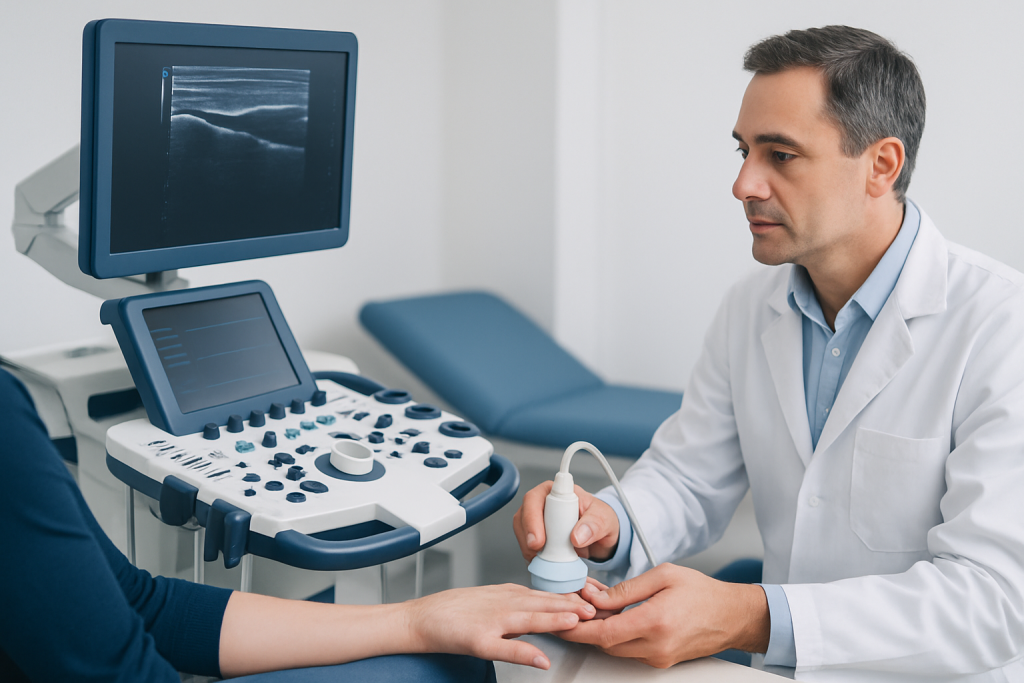
Rheumatic diseases do not always begin with dramatic pain. In many people, the first clues are subtle: stiffness in the morning, joints that feel warm or puffy, or fatigue that seems out of proportion to daily activity. Symptoms may come and go, which can make them easy to dismiss at first.
The exact pattern matters. Inflammatory joint pain often improves somewhat with movement and is worse after rest, while mechanical pain may behave differently. Some conditions also cause symptoms beyond the joints, such as dry eyes, skin rashes, mouth ulcers, fevers, or chest discomfort.
- Persistent joint pain or swelling
- Morning stiffness lasting more than a short time
- Reduced range of motion or difficulty with grip
- Unexplained fatigue or low-grade fever
- Muscle aches with weakness
- Rashes, dry eyes, or other body-wide symptoms
If symptoms are affecting routine tasks, sleep, work, or travel plans, that is a good reason to seek specialist input. Early clarification can prevent unnecessary delay and help preserve function.
Causes & Risk Factors

Rheumatology covers a broad group of conditions, so there is no single cause. Some disorders are autoimmune, meaning the immune system targets the body’s own tissues. Others are driven by crystal buildup, degenerative change, inherited tendencies, metabolic issues, or a mixture of factors.
Risk can increase with family history, certain infections, smoking, excess body weight, previous joint injury, and in some cases age or sex. However, many people who develop a rheumatic disease do not have an obvious trigger, and many people with risk factors never develop one.
Because symptoms are often shared across several conditions, a rheumatologist looks for patterns rather than one isolated complaint. That may include how the pain started, which joints are involved, whether symptoms are symmetrical, and whether there are signs outside the musculoskeletal system.
Diagnosis
Diagnosis usually starts with a careful conversation about symptoms, medical history, medication use, family history, and prior test results. The physical examination is especially important, since a rheumatologist looks for swelling, tenderness, warmth, stiffness, skin changes, and changes in how a person moves.
Blood tests may help show inflammation or suggest specific autoimmune activity, but they are rarely interpreted on their own. Imaging such as X-rays, ultrasound, MRI, or other scans may be used to look for joint damage, inflammation, or another explanation for symptoms.
For patients arriving from another country, bringing previous lab reports, imaging discs, medication lists, and discharge summaries can make the assessment more efficient. That is particularly helpful when care has already started elsewhere and the next step is confirmation, refinement, or long-term planning.
Treatment Options
Treatment depends on the diagnosis, the severity of symptoms, and whether organs beyond the joints are involved. Many rheumatologic conditions are managed with a combination of medication, exercise or physiotherapy, and regular monitoring rather than a single short-term intervention.
Medicines may be used to reduce inflammation, calm immune activity, relieve pain, or protect the joints from further damage. The specific choices vary widely by condition, and a rheumatologist usually adjusts the plan over time based on symptoms, examination findings, and test results.
Non-medicine care is also important. Gentle movement, joint protection strategies, sleep support, weight management when relevant, and pacing activities can all make daily life easier. For people traveling for treatment, the plan often includes what should be done before departure, what can be continued at home, and when repeat testing is needed after return.
In more complex cases, care may involve other specialists such as orthopedics, neurology, dermatology, nephrology, or rehabilitation. A coordinated approach can be especially useful when symptoms cross more than one system.
Prevention & Self-care
Not all rheumatic diseases can be prevented, but symptom control and complication reduction are often possible. The most helpful self-care starts with consistency: taking prescribed medicine as directed, keeping follow-up appointments, and noting what worsens or improves symptoms.
People are often encouraged to balance activity with rest. Very little movement can make stiffness worse, but overexertion may also trigger flares. A comfortable routine usually includes low-impact activity, enough sleep, and practical adjustments at home or work to reduce strain on painful joints.
- Keep a symptom diary to track flares, triggers, and medication responses
- Use joint-friendly movement such as walking, stretching, or water-based exercise if approved
- Protect joints during repetitive tasks and avoid heavy strain during active inflammation
- Maintain regular follow-up, especially if treatment is being coordinated across countries
- Seek timely advice before stopping or changing medication
For international patients, self-care also includes planning. Having copies of records, knowing how to contact the treating team, and understanding which symptoms require urgent attention can make recovery and follow-up much smoother after returning home.
When to See a Doctor
Joint pain does not always mean a rheumatic disease, but persistent symptoms deserve attention when they do not settle or when they interfere with normal life. A doctor’s review is particularly important if swelling, morning stiffness, recurrent fevers, rash, weakness, or unexplained fatigue appear alongside joint symptoms.
Prompt assessment is also sensible when a person notices one joint becoming very red, hot, and painful, or when movement suddenly becomes limited. Those patterns may need faster evaluation to sort out the cause and protect joint function.
If symptoms are gradually building, it is still worth arranging a specialist visit rather than waiting for them to become severe. Rheumatology care often works best when the diagnosis is made early enough to guide treatment before damage accumulates.
Acibadem Health Point’s multidisciplinary specialists and JCI-accredited hospitals diagnose and treat rheumatologic conditions for international patients, with care designed to support both the medical workup and the practical realities of travel, treatment, and follow-up.
Frequently asked questions
What does a rheumatologist treat?
A rheumatologist treats conditions that affect the joints, muscles, bones, and immune system. This includes many forms of arthritis, autoimmune diseases, and inflammatory disorders. Some patients are referred for unexplained symptoms that need a more detailed specialist evaluation.
Do I need a referral to see a rheumatologist?
That depends on the healthcare system and the clinic’s policies. Many people are referred by a primary care doctor, while others seek a specialist directly, especially when symptoms have already been ongoing or previous tests were inconclusive. Reviewing prior records can make the visit more productive.
What tests might a rheumatologist order?
Common tests include blood work for inflammation or autoimmune markers, along with imaging such as X-rays, ultrasound, or MRI. The doctor usually combines these results with the physical examination and symptom history rather than relying on a single test. That approach helps avoid missed or misleading conclusions.
Can rheumatic diseases be cured?
Some conditions can be controlled very well, while others are managed long term. The goal is often to reduce inflammation, ease symptoms, and protect function rather than promise a one-time cure. Many people do well with individualized treatment and regular monitoring.
Is joint pain always a sign of arthritis?
No. Joint pain can come from overuse, injury, infection, tendon problems, or inflammatory disease. The pattern of pain, stiffness, swelling, and associated symptoms helps a doctor narrow down the cause. Persistent or unexplained symptoms should be assessed by a clinician.
How can international patients prepare for a rheumatology visit?
It helps to bring previous blood tests, imaging reports, medication lists, and a short symptom timeline. If treatment has already started elsewhere, note what helped and what did not. This can save time and support a smoother transition between doctors or countries.
References
- American College of Rheumatology
- National Institute of Arthritis and Musculoskeletal and Skin Diseases
- World Health Organization
- Mayo Clinic
This article is for general information only and is not a substitute for professional medical advice. Please consult a qualified doctor about your individual situation.