First Bite Syndrome

Key Takeaways
- Pain is often sharp or cramping at the first bite, then eases with subsequent bites.
- It is most often linked to surgery or procedures involving the parotid or upper neck region.
- Diagnosis is usually based on the symptom pattern and the person’s surgical history.
- Treatment may include symptom management, medications, injections, and sometimes nerve-focused procedures.
- Many people improve over time, but persistent symptoms deserve specialist follow-up.
Medically reviewed by the Acıbadem clinical team — July 13, 2026
First bite syndrome is an uncommon pain condition that can appear after surgery in the head and neck region, especially near the parotid gland. The pain is usually strongest with the first bite of a meal and often becomes milder as eating continues.
Overview
First bite syndrome is a pain pattern that can feel surprising because it appears at a very specific moment: the first bite of a meal. The pain is usually sudden, sharp, cramp-like, or electric in nature, and it often settles after a few mouthfuls. For many people, the experience is more than just uncomfortable; it can make eating feel unpredictable and can change daily routines around meals.
The condition is most often seen after surgery in the upper neck, jaw, or parotid gland area, where the major salivary glands are located. It is not the same as tooth pain or typical jaw joint discomfort, and it is usually considered a nerve-related pain syndrome rather than a problem with food itself. Because the symptom pattern is so distinctive, a careful history is often the most useful first step in recognizing it.
For international patients, the diagnosis may arise during recovery after head and neck surgery, sometimes after returning home and noticing that meals trigger a very specific pain pattern. In that situation, prompt communication with the surgical team or a local ENT specialist can help confirm the cause and guide the next steps, whether the person is still abroad or continuing follow-up in another country.
Symptoms
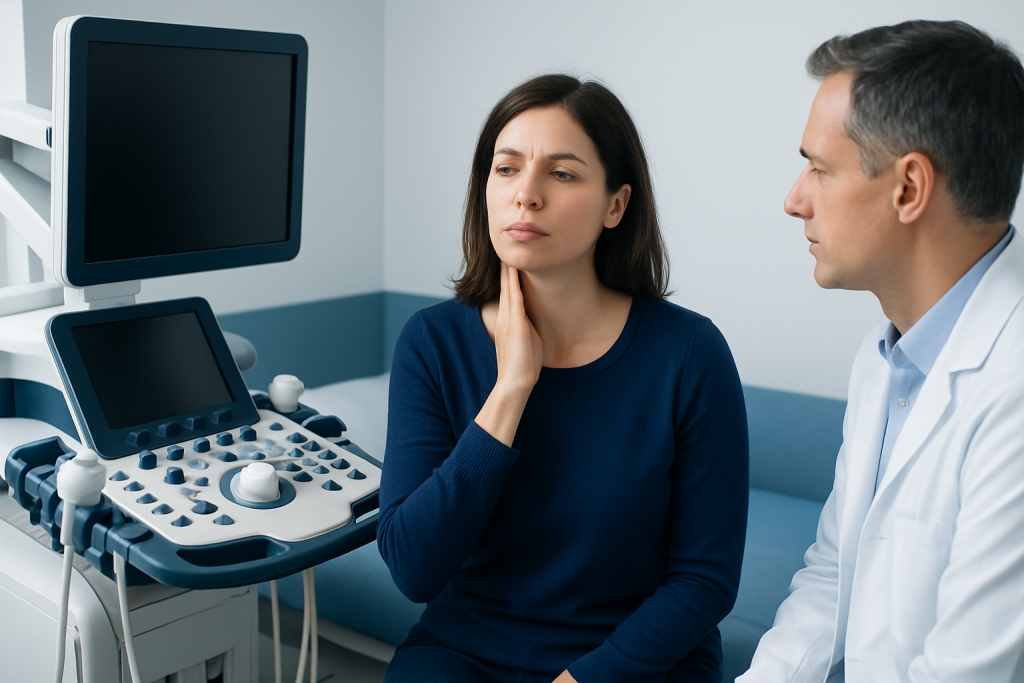
The hallmark symptom is pain that appears with the first bite or first few bites of a meal. It often starts on one side of the face, near the jaw, cheek, ear, or upper neck, and then becomes less intense as eating continues. Some people describe it as stabbing or cramping; others say it feels like a tight spasm or a sudden jolt.
The pain is commonly linked to meals, but it can also be triggered by thinking about food, smelling food, or sometimes by salivary stimulation in general. In some cases, discomfort is worse with sour, spicy, or especially flavorful foods because these can stimulate saliva production. The pattern may be intermittent at first and later become more predictable.
Other symptoms are less common but may include tenderness in the surgical area, a feeling of tightness, or anxiety around eating because the first bite is anticipated. Although the pain can be intense, first bite syndrome does not usually cause fever, facial swelling, or pus, which would point more toward an infection. Any new swelling, redness, or trouble opening the mouth should still be assessed by a clinician.
Causes & Risk Factors

First bite syndrome is usually related to disruption of the sympathetic nerves that help regulate the salivary glands, especially the parotid gland. When these nerve pathways are altered during surgery, the gland may respond abnormally during the start of a meal, leading to pain. The exact mechanism is still being studied, but the condition is widely understood as a nerve-balance problem rather than a structural injury to the teeth or jaw.
It is most often associated with operations that involve the parotid gland, deep neck spaces, or upper cervical region. Examples include tumor surgery, parapharyngeal space procedures, and some reconstructive or salivary gland operations. Risk tends to be higher when surgery is close to the sympathetic nerve supply or when tissue dissection is extensive.
Not every person who has head and neck surgery develops this syndrome, and it can appear even when recovery otherwise seems straightforward. Factors that may increase the chance include the type of surgery, the location of the operation, and whether nearby nerve pathways were affected. In some patients, symptoms may improve as the nervous system adapts, while in others the pain can remain longer and require treatment.
Diagnosis
Diagnosis usually begins with the story of the pain. A clinician will ask when the discomfort starts, how long it lasts, where it is felt, and whether it happens only with the first bite of a meal. The surgical history is especially important, because the condition is strongly linked to prior operations in the head and neck region.
A physical examination is often performed to look for signs of infection, salivary gland enlargement, nerve changes, or jaw joint issues. In many cases, the pattern of symptoms and the patient’s history are enough to make a working diagnosis. Imaging or other tests may be used if the healthcare team wants to rule out another cause, such as a recurrence of a tumor, a salivary stone, or another post-surgical complication.
For patients traveling for treatment, it helps to bring operative notes, pathology reports, and any imaging from the original hospital. These records can speed up evaluation and reduce the need to repeat unnecessary testing. A clear timeline of when the pain started and how it behaves during meals is often just as useful as scan results.
Treatment Options
Treatment is usually tailored to how severe the pain is and how much it affects eating and quality of life. Some people choose watchful waiting if symptoms are mild and seem to be gradually improving. Because first bite syndrome can ease over time, reassurance and follow-up are sometimes appropriate when there are no concerning additional symptoms.
When treatment is needed, options may include medications used for nerve-related pain, such as certain anticonvulsant or antidepressant classes prescribed by a doctor. Some patients benefit from local treatments, including injections into the affected gland area, most commonly with botulinum toxin in selected cases. The goal is not instant cure for everyone, but better control of pain and a more comfortable return to normal eating.
In more persistent or complex cases, specialists may explore procedures aimed at reducing the abnormal nerve signaling. The exact choice depends on the person’s anatomy, the original surgery, and whether the pain is isolated or part of a broader recovery issue. Because treatment decisions can be nuanced, a coordinated ENT or head-and-neck team is often the best place to start.
Patients recovering abroad should avoid starting new medicines or injections without medical guidance, especially if they are already taking post-operative painkillers or other prescribed therapies. A specialist can help match the treatment to the patient’s overall recovery plan and avoid overlapping medications or unnecessary intervention.
Prevention & Self-care
There is no guaranteed way to prevent first bite syndrome after relevant surgery, but careful surgical planning and nerve preservation may reduce the risk in some cases. For patients who are already recovering, the focus shifts to practical comfort measures and symptom awareness. Understanding the pattern can itself be helpful, because the pain often feels more alarming when it is still unexplained.
Simple self-care strategies may include taking the first bites slowly, choosing softer foods, and using smaller initial mouthfuls. Some people find it helpful to begin meals with bland foods rather than strongly flavored or sour items. Warmth, relaxation, and a calm meal pace may reduce the sense of spasm, although these measures do not replace medical treatment if pain is significant.
Keeping a brief symptom diary can help the care team see whether the pain is improving or becoming more frequent. Noting which foods trigger the discomfort, how long it lasts, and whether it stays on one side can be especially useful during follow-up appointments. For international patients, that record can also help bridge care between the original surgeon and a local doctor after travel.
When to See a Doctor
A doctor should be consulted if first bite pain is persistent, severe, or interfering with eating, especially after recent surgery in the head or neck area. Even if the pain seems classic for first bite syndrome, it is important to confirm that no other issue is present. New or worsening symptoms deserve review rather than self-diagnosis.
Medical attention is particularly important if the person notices swelling, fever, drainage, worsening redness, facial weakness, trouble swallowing, or a rapidly changing lump. Those features are not typical of first bite syndrome and may suggest infection, a blocked salivary duct, or another complication that needs prompt evaluation. Sudden weight loss or reduced food intake also deserves attention because it can signal that the pain is affecting nutrition.
People who are recovering in another country should contact their surgical team or an ENT specialist as soon as possible if symptoms are strong or unusual. Acibadem Health Point’s multidisciplinary specialists and JCI-accredited hospitals diagnose and treat this condition for international patients, with coordinated care that can support both initial evaluation and follow-up after travel.
Frequently asked questions
What does first bite syndrome feel like?
It usually feels like a sudden sharp, cramping, or electric pain on the first bite of a meal. The discomfort often becomes milder with the next few bites. Many people notice it on one side of the face, jaw, or upper neck.
Is first bite syndrome dangerous?
It is generally not dangerous by itself, but it can be very uncomfortable and may affect eating. The more important issue is making sure the pain is not being caused by another condition, especially after surgery. A clinician can help confirm the diagnosis and check for other causes.
Does first bite syndrome go away on its own?
In some people, symptoms improve gradually over time. In others, the pain lasts longer and needs treatment to make meals more comfortable. Follow-up with a specialist helps determine whether observation or active treatment is the better option.
What surgeries are most commonly linked to first bite syndrome?
It is most often linked to operations near the parotid gland, deep neck structures, or the upper jaw and throat region. Procedures for tumors or reconstructive surgery in those areas are common examples. The risk depends on how close the surgery is to the nerves that help control salivary function.
How is first bite syndrome treated?
Treatment may include nerve-pain medicines, local injections in selected cases, or procedures if symptoms are persistent. Some patients only need monitoring and time, especially if the pain is gradually easing. The best option depends on the severity of symptoms and the person’s surgical history.
Should someone seek a second opinion if the diagnosis is uncertain?
Yes, especially if the pain pattern is not typical or there are other symptoms such as swelling or weakness. A second opinion from an ENT or head-and-neck specialist can help clarify the diagnosis and rule out other problems. This can be especially useful for patients who are managing follow-up care across different countries.
References
- American Academy of Otolaryngology–Head and Neck Surgery
- Cleveland Clinic
- National Institute of Dental and Craniofacial Research
- Merck Manual Professional Edition
- Radiopaedia
This article is for general information only and is not a substitute for professional medical advice. Please consult a qualified doctor about your individual situation.