Remedy Restless Leg

Key Takeaways
- Restless legs syndrome usually creates an urge to move the legs that is worse at rest and often more noticeable in the evening.
- Common contributors include iron deficiency, certain medicines, pregnancy, kidney disease, and family history.
- Diagnosis is usually based on symptom patterns and may include blood tests to look for iron or other underlying issues.
- Treatment often combines lifestyle changes, improved sleep habits, and, when needed, medicine tailored by a clinician.
- People with persistent, worsening, or sleep-disrupting symptoms should speak with a doctor rather than trying to self-diagnose.
Restless legs syndrome can make it difficult to relax, fall asleep, or sit still for long periods. With the right diagnosis and a personalized plan, many people can reduce symptoms and regain more predictable rest.
Overview
In an international-patient setting, RLS can be especially frustrating because symptoms may flare during long journeys, overnight stays, or periods of stress and irregular sleep. A person may feel fine while walking through a clinic or airport but struggle as soon as they sit still for a meeting or try to sleep on a plane.
That is why clinicians usually look beyond the symptom itself and ask about sleep, recent travel, current medicines, pregnancy, kidney health, and family history. A careful evaluation can distinguish RLS from leg cramps, neuropathy, circulation problems, or simple fatigue, each of which needs a different approach.
Symptoms
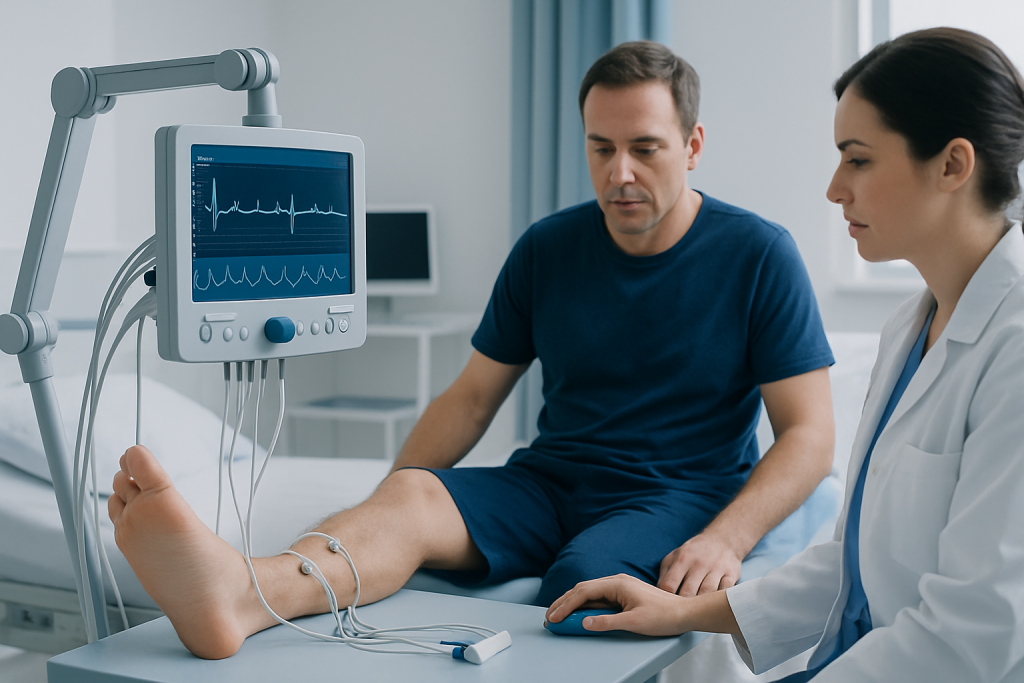
RLS symptoms are not usually dangerous, but they can steadily affect concentration, mood, relationships, and the ability to travel comfortably. Over time, the condition may cause a person to avoid long car rides, late flights, theater seating, or other situations where they cannot move freely.
It is also worth noting that the word “restless” does not mean the condition is purely psychological. The sensations are real, and the goal of care is to reduce triggers, improve sleep, and treat any underlying issue rather than dismissing the problem as simple nervousness.
Causes & Risk Factors

For travelers and people living between countries, medication review is especially important. A medicine started abroad, an over-the-counter sleep aid, or even an allergy treatment can sometimes worsen symptoms, so a clinician should review the full list rather than focusing only on prescriptions from one location.
Because low iron is a frequent and treatable contributor, many doctors consider blood tests part of the first evaluation. Identifying and correcting an underlying cause can sometimes reduce symptoms significantly and may prevent the need for long-term medication.
Diagnosis
When symptoms are difficult to separate from other sleep-related movement disorders, a sleep specialist may recommend overnight testing. That is not required for every person, but it can be useful when the story is unclear, symptoms are severe, or treatment has not worked as expected.
For people seeking care from another country, it helps to bring a current medication list, previous blood test results, and any sleep-related notes. Clear records can shorten the diagnostic process and make follow-up easier after returning home.
Treatment Options
Non-drug approaches are also a central part of care. Stretching before bed, regular exercise earlier in the day, warm baths, massage, and reducing caffeine in the evening may help some people. These measures are modest on their own, but they are often worthwhile because they can lower symptom intensity and improve sleep consistency.
People who travel frequently may benefit from a practical plan for long journeys: standing up periodically, flexing the feet, staying hydrated, avoiding excess alcohol, and choosing an aisle seat when possible. A treatment plan prepared before travel can make a long flight or extended recovery abroad much more manageable.
Because treatment choices depend on the full clinical picture, medication should only be started or changed with a qualified doctor’s advice. This is especially important during pregnancy, in kidney disease, and when symptoms are severe enough to disturb sleep most nights.
Prevention & Self-care
Self-care works best when it is specific. For example, someone whose symptoms appear during long flights may need movement breaks and an aisle seat, while someone whose symptoms are worst after late coffee may improve simply by changing the timing of caffeine.
It can also help to keep a short symptom diary for two to three weeks. Noting when symptoms begin, what was eaten or taken, how much sleep was lost, and whether iron was checked can reveal patterns that are easy to miss in the moment.
When to See a Doctor
For international patients, it can be practical to arrange evaluation before a trip rather than after symptoms worsen abroad. A specialist can review prior records, explain the likely cause, and suggest a plan that is safe to continue at home, during travel, and after follow-up.
Acibadem Health Point’s multidisciplinary specialists and JCI-accredited hospitals diagnose and treat restless legs syndrome for international patients, with care that can be coordinated across consultation, testing, and follow-up. As always, the goal is to match treatment to the person, not just the symptom.
Frequently asked questions
Is restless legs syndrome the same as leg cramps?
No. Leg cramps are usually sudden, painful muscle contractions, while restless legs syndrome causes an urge to move with uncomfortable sensations that improve when the legs are moved. A clinician can help tell the difference if the description is unclear.
Can iron deficiency cause restless legs symptoms?
Yes, low iron stores are a common and treatable contributor. A doctor may order iron studies and discuss whether correction is appropriate based on the results and the overall health picture.
Do symptoms get worse at night?
They often do. Evening and nighttime worsening is one of the classic features of restless legs syndrome and is one reason the condition often disrupts sleep.
Can lifestyle changes help without medicine?
They can, especially in mild cases or when a trigger is identified. Regular sleep, moderate exercise, reduced caffeine, and stretching before bed may lessen symptoms, but persistent cases still need medical review.
Is restless legs syndrome dangerous?
It is usually not dangerous in itself, but it can seriously affect sleep and quality of life. Ongoing symptoms deserve attention because they may be linked to treatable underlying issues such as iron deficiency or medication effects.
Should someone avoid travel if they have restless legs syndrome?
Not necessarily. Planning ahead can make travel easier, such as choosing movement-friendly seating, stretching regularly, and discussing symptom control with a doctor before long trips.
References
- National Institute of Neurological Disorders and Stroke
- Mayo Clinic
- Sleep Foundation
- World Health Organization
- American Academy of Sleep Medicine
This article is for general information only and is not a substitute for professional medical advice. Please consult a qualified doctor about your individual situation.