

Xywav Ih

Key Takeaways
- Xywav is a prescription nighttime medicine used for select sleep disorders, not a general sleep aid.
- It may be considered for narcolepsy and idiopathic hypersomnia under specialist supervision.
- Safety screening is important because the medicine can interact with other sedating substances and is not right for everyone.
- Regular follow-up helps clinicians adjust care, monitor side effects, and support daytime function.
- Patients traveling for care should plan medication discussions, refill logistics, and follow-up before returning home.
Xywav is a prescription medicine used to treat specific sleep disorders, most notably narcolepsy and idiopathic hypersomnia in appropriate patients. Understanding how it works, who may benefit, and what safety steps matter can help patients use it more confidently and with better support.
Overview
Xywav is a brand-name prescription medicine used in the treatment of certain central nervous system sleep disorders. It contains calcium, magnesium, potassium, and sodium oxybates, and is taken at night under a clinician’s direction. Because it acts on sleep-wake regulation rather than simply causing drowsiness, it is considered in specific diagnoses such as narcolepsy and idiopathic hypersomnia.
For many patients, the first question is not whether Xywav exists, but whether it fits the pattern of their symptoms, sleep study findings, and overall health profile. That decision is usually made by a sleep specialist or neurologist after reviewing daytime sleepiness, cataplexy if present, nocturnal sleep quality, other medicines, and medical history. In international-patient care, this discussion may happen during an evaluation visit, with a plan made in advance for how the medicine will be monitored once the patient returns home.
Xywav is not intended to be used casually or shared with others. It requires careful prescribing, clear instructions, and follow-up because the benefits and risks depend heavily on the individual and on how the medication is taken.
Symptoms and conditions it may be used for
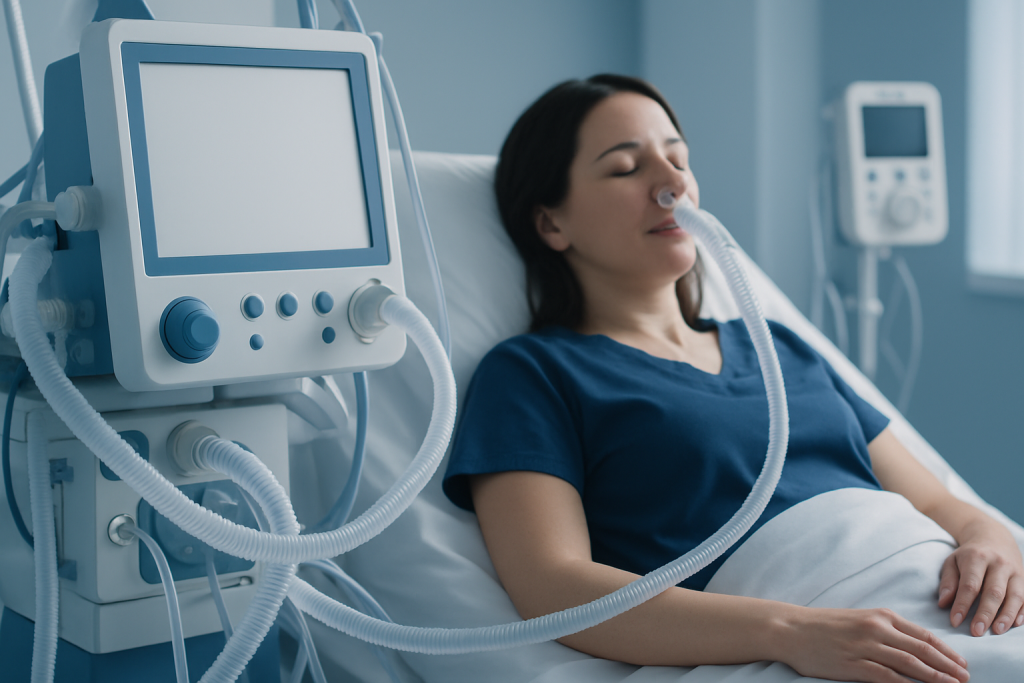
Xywav is associated with symptoms related to disrupted sleep regulation. In narcolepsy, patients may struggle with excessive daytime sleepiness, sudden loss of muscle tone triggered by emotion (cataplexy), sleep fragmentation, and automatic behaviors. In idiopathic hypersomnia, the main issue is persistent, hard-to-control sleepiness that can interfere with work, driving, school, and daily routine.
The medicine is not prescribed simply because a person feels tired. Clinicians look for a broader sleep disorder pattern, often supported by overnight sleep testing or daytime nap studies, and by a detailed history of how sleepiness affects life. The goal is to improve nighttime sleep structure and, for some patients, reduce daytime symptoms over time.
Symptoms that often lead a person to seek an evaluation may include:
- Unrefreshing sleep despite enough time in bed
- Sudden overwhelming daytime sleepiness
- Frequent dozing in quiet settings
- Cataplexy episodes in narcolepsy
- Difficulty staying alert for driving or routine tasks
Because these symptoms overlap with many other conditions, a careful assessment matters before treatment is chosen.
Causes and risk factors

Xywav does not treat the cause of sleep disorders in the way a surgery treats a structural problem. Instead, it helps manage symptoms linked to the way the brain regulates sleep and wakefulness. In narcolepsy, the underlying problem often involves disrupted control of REM sleep and wakefulness. Idiopathic hypersomnia is less fully understood, but it is recognized as a neurologic sleep disorder that can be profoundly disabling.
People may be more likely to be considered for Xywav if they have a confirmed diagnosis from a sleep specialist and symptoms that have not been adequately managed by other measures. Other medicines, substance use, breathing problems during sleep, liver disease, and a history of depression or misuse of sedating medications can affect whether the drug is appropriate.
Several factors can make treatment more complex and require closer supervision:
- Use of alcohol, opioids, benzodiazepines, or other sedating medicines
- Breathing disorders, including sleep apnea
- Depression or certain mental health conditions
- Kidney or liver concerns that may influence treatment planning
- A history of falls, confusion, or nighttime safety issues
For international patients, medication history should be reviewed carefully, especially if prescriptions from multiple countries have been used or if sleep medicine has been started and stopped before travel.
How diagnosis is made before treatment
Before Xywav is prescribed, clinicians usually confirm the sleep disorder diagnosis and assess whether the patient is an appropriate candidate. This may involve a sleep medicine consultation, a review of symptom diaries, overnight polysomnography, and a multiple sleep latency test or other specialized assessment. A detailed medical history helps rule out other causes of sleepiness such as insufficient sleep, medication side effects, depression, thyroid disease, or untreated sleep apnea.
The diagnostic visit is also the time to discuss safety. Because Xywav can cause sedation and has important interaction risks, the prescriber needs to know about all prescription medicines, over-the-counter products, and supplements the patient uses. Questions about alcohol use, shift work, travel schedules, and ability to follow a nighttime dosing plan are also part of the evaluation.
In cross-border care, it is helpful to leave the consultation with a written plan that includes the diagnosis, the reason the medicine was chosen, follow-up timing, and clear instructions for warning signs that should prompt medical attention. This makes continuity easier once the patient is back home or moving between time zones.
Treatment options and how Xywav fits in
Xywav is one option in a broader sleep-disorder treatment plan. Depending on the diagnosis, treatment may also include daytime wake-promoting medicines, scheduled naps, sleep hygiene changes, management of associated conditions, and safety planning around driving or operating machinery. The most appropriate combination depends on the disorder subtype, severity, and the patient’s daily responsibilities.
Xywav is taken at night and must be used exactly as prescribed. Because it can affect alertness and breathing, clinicians usually give careful instructions about timing, preparation, and what to avoid. The medicine should not be combined with alcohol, and caution is needed with any medication that increases drowsiness or slows breathing. Patients should also understand that they need to be fully awake enough to carry out evening and nighttime steps safely.
Possible side effects can include nausea, dizziness, headache, bedwetting, sleepwalking or other unusual nighttime behaviors, and next-day sleepiness. More serious concerns can occur, particularly when the medicine is mixed with other sedatives or taken incorrectly. That is why treatment is often started and adjusted under close specialist guidance rather than in a one-time visit alone.
For some patients, treatment planning also includes practical safeguards such as a partner or family member who understands the medication routine, a stable sleeping environment, and a follow-up appointment soon after starting therapy to review response and tolerability.
Prevention and self-care
There is no way to prevent every sleep disorder that might lead to Xywav treatment, but patients can reduce risk and support safer care by keeping sleep habits and medicine use consistent. Regular sleep and wake times, limiting alcohol, and being careful with sedating products can make treatment safer and easier to evaluate. A sleep diary may help both the patient and clinician notice patterns that are otherwise missed.
Self-care also includes practical safety measures. Patients should avoid driving or high-risk activities if they are sleepy, discuss all new medicines before starting them, and store Xywav exactly as instructed. Since the medication is nighttime-specific and safety-sensitive, clear routines matter more than occasional effort.
Helpful habits often include:
- Taking only the prescribed dose at the prescribed time
- Avoiding alcohol and sedatives unless the doctor has specifically reviewed them
- Keeping follow-up appointments even if symptoms improve
- Reporting unusual behaviors, breathing changes, or mood changes promptly
- Planning ahead for travel, time-zone shifts, and refill timing
When care is being coordinated across countries, patients may benefit from carrying a concise treatment summary, especially if they will see a local physician after returning home.
When to see a doctor
A patient should speak with a doctor if excessive daytime sleepiness, sleep attacks, or cataplexy begin interfering with safety, work, school, or daily life. An evaluation is also important when sleepiness does not improve despite enough sleep, because another treatable condition may be present. Xywav is only appropriate after a qualified clinician has reviewed the full picture.
After treatment begins, medical follow-up is important if side effects become troublesome, if there are signs of confusion or unusual nighttime activity, or if the patient feels more sedated than expected. Any breathing difficulty, severe reaction, fainting, or concerning mental status change should be addressed urgently. If a patient is unsure whether a symptom is a medication effect or a different problem, it is safer to ask early.
International patients who are leaving the country after their evaluation should make sure they understand who will manage refills, how to contact the treating team, and when their next review should happen. In a coordinated setting, multidisciplinary specialists and JCI-accredited hospitals such as those at Acibadem Health Point can diagnose and treat sleep disorders for international patients with structured follow-up planning.
Living with the diagnosis
Receiving a sleep-disorder diagnosis can feel both clarifying and disruptive. Many patients are relieved to have an explanation for symptoms that were once dismissed as laziness or poor discipline, but they may also need time to adjust to treatment routines and safety precautions. The most useful approach is usually steady and practical: understand the diagnosis, learn the medicine plan, and keep communication open with the care team.
Patients often do best when treatment is paired with realistic life planning. That may include notifying an employer about schedule needs where appropriate, avoiding high-risk driving when sleepy, and arranging follow-up before long trips or major time-zone changes. For families, learning the medication routine and warning signs can make the process less stressful and more consistent.
With the right diagnosis and monitoring, many patients can move from confusion to a clearer, more manageable plan. Xywav is one tool in that plan, and its safest use depends on informed prescribing, careful follow-up, and an ongoing conversation about how the patient is functioning day to day.
Frequently asked questions
What is Xywav used for?
Xywav is a prescription medicine used for certain sleep disorders, especially narcolepsy and idiopathic hypersomnia in appropriate patients. It is prescribed by a specialist after the diagnosis and safety profile have been reviewed. It is not a general medicine for ordinary insomnia.
Is Xywav the same as a sleeping pill?
No. Xywav is used to help manage specific neurologic sleep disorders rather than to simply make someone sleepy. Because of how it works and its safety considerations, it is used under close medical supervision.
Can Xywav be taken with alcohol or other sedating medicines?
Alcohol should be avoided, and other sedating medicines need careful review with a doctor because interactions can increase risk. Patients should not assume an over-the-counter product is harmless just because it is available without a prescription. A clinician should review all medicines and supplements before treatment starts.
What side effects should patients watch for?
Common side effects can include nausea, dizziness, headache, and next-day sleepiness. More concerning changes include confusion, unusual nighttime behaviors, breathing problems, or a stronger-than-expected sedative effect. Any worrying symptom should be discussed with the prescribing doctor promptly.
How is Xywav monitored over time?
Follow-up usually focuses on symptom response, side effects, nighttime safety, and whether the treatment is still the best fit. The doctor may also review other medicines, sleep habits, and any new health issues. Regular check-ins are especially important early in treatment and after any major change in routine.
What should an international patient plan before starting Xywav?
It helps to arrange a clear prescription plan, follow-up schedule, and contact pathway before leaving the treating country. Patients should know how refills will work, which doctor will oversee ongoing care, and what symptoms should prompt urgent review. A written summary can make continuity much easier across borders.
References
- U.S. Food and Drug Administration
- National Institute of Neurological Disorders and Stroke
- National Sleep Foundation
- American Academy of Sleep Medicine
- Mayo Clinic
This article is for general information only and is not a substitute for professional medical advice. Please consult a qualified doctor about your individual situation.
More from the Health Library



Related Specialists

Physiotherapist Busenur Sezer
Physical Therapy and RehabilitationDr. Şohre Gasemi
RadiologyDr. Recep Murat Mert
Emergency Service
Prof. Dr. Sefa Müezzinoğlu
Orthopedic Surgery & Traumatology