Registered Nurse

Key Takeaways
- Registered nurses provide hands-on care, patient education, and close monitoring across many healthcare settings.
- Their work is central to safety, recovery, and coordination between patients, families, and medical teams.
- Training and licensing requirements are structured, with ongoing education often needed throughout a nurse’s career.
- A strong nurse-patient relationship can improve understanding, comfort, and adherence to care plans.
- Patients should seek a nurse or doctor promptly if symptoms worsen, side effects appear, or recovery is not progressing as expected.
A registered nurse is a licensed healthcare professional who provides direct patient care, monitors health changes, supports treatment plans, and helps patients and families navigate care. Their role can vary by setting, but it consistently blends clinical skill, observation, communication, and coordination.
Overview
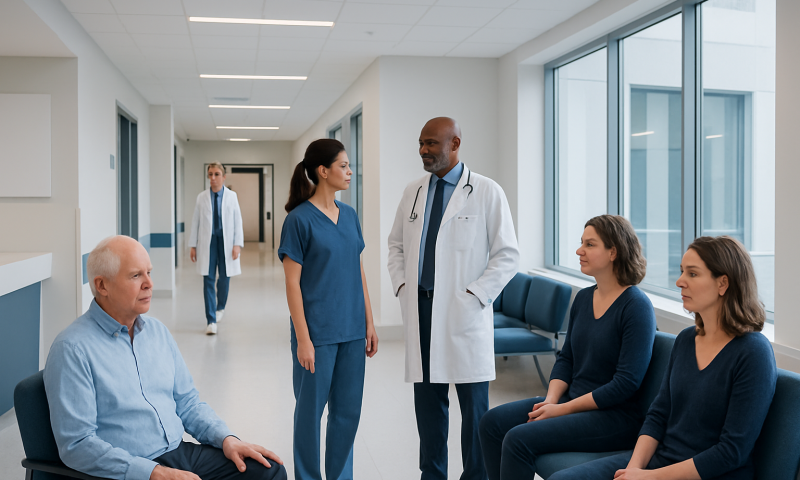
A registered nurse, often called an RN, is a licensed healthcare professional trained to assess patients, carry out care plans, monitor changes in health, and communicate important findings to physicians and other team members. In many hospital, clinic, and rehabilitation settings, the registered nurse is the person patients see most often, especially during a stay, recovery period, or follow-up visit.
The title may sound broad, and that is because the role is broad. A registered nurse may be checking vital signs after surgery, teaching a family how to manage medication at home, preparing a patient for imaging, or helping someone understand what to expect during a long-distance treatment journey. For international patients, nurses often become a practical anchor: they explain routines, translate care into plain language, and help treatment feel more manageable in an unfamiliar setting.
Although duties change depending on the department, the core purpose stays the same: to protect safety, support healing, and notice small changes before they become larger problems. That combination of technical skill and human attention is what makes nursing so essential in modern healthcare.
What Registered Nurses Do
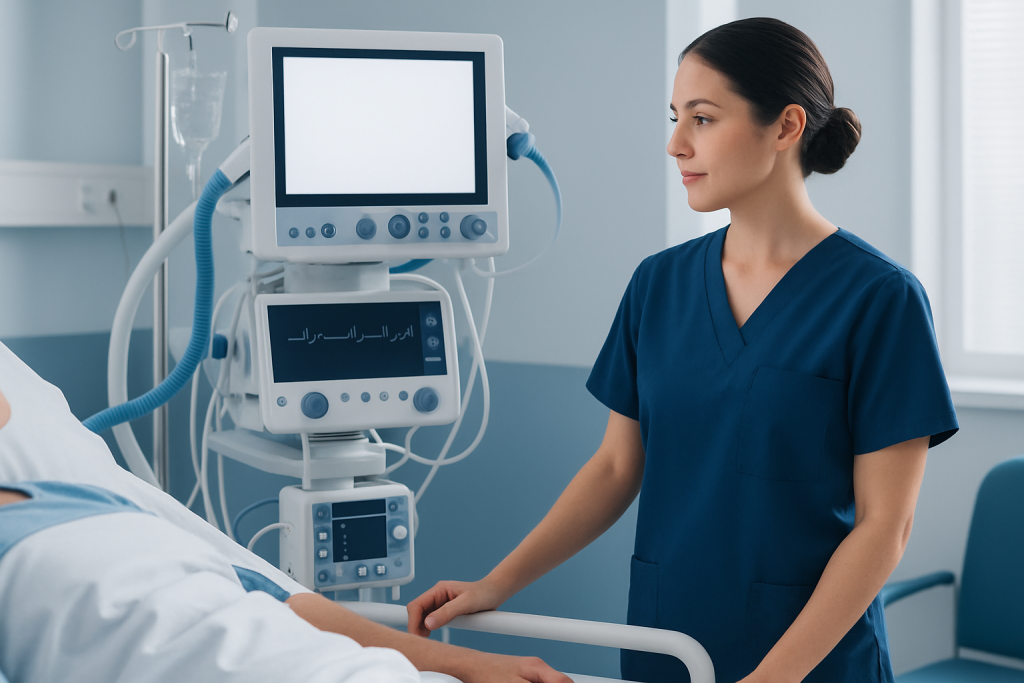
Registered nurses do much more than give injections or take temperatures. They observe how a patient is feeling, interpret patterns in symptoms, and coordinate with the wider healthcare team to make sure care stays on track. In practice, this can include collecting a health history, checking wound healing, managing IV lines, preparing patients for procedures, and documenting changes clearly for the next shift or specialist.
Education is also a central part of the role. Nurses often explain how to take medicines safely, how to care for a surgical site, what warning signs to watch for, and how to adjust daily routines during recovery. Patients who are traveling for treatment may depend on these explanations even more, since they may be learning new instructions while also dealing with language differences, time away from home, and unfamiliar hospital systems.
Depending on the clinical setting, a registered nurse may work in emergency care, outpatient clinics, operating rooms, oncology, pediatrics, rehabilitation, or home-based care. Some nurses focus on one specialty, while others move across departments and develop a wide skill set. Across all settings, accuracy, vigilance, and calm communication are part of the job.
- Monitoring vital signs and overall condition
- Giving medications and treatments as prescribed
- Supporting mobility, comfort, and hygiene
- Teaching patients and families about care plans
- Reporting changes promptly to physicians
Training, Licensure, and Professional Standards
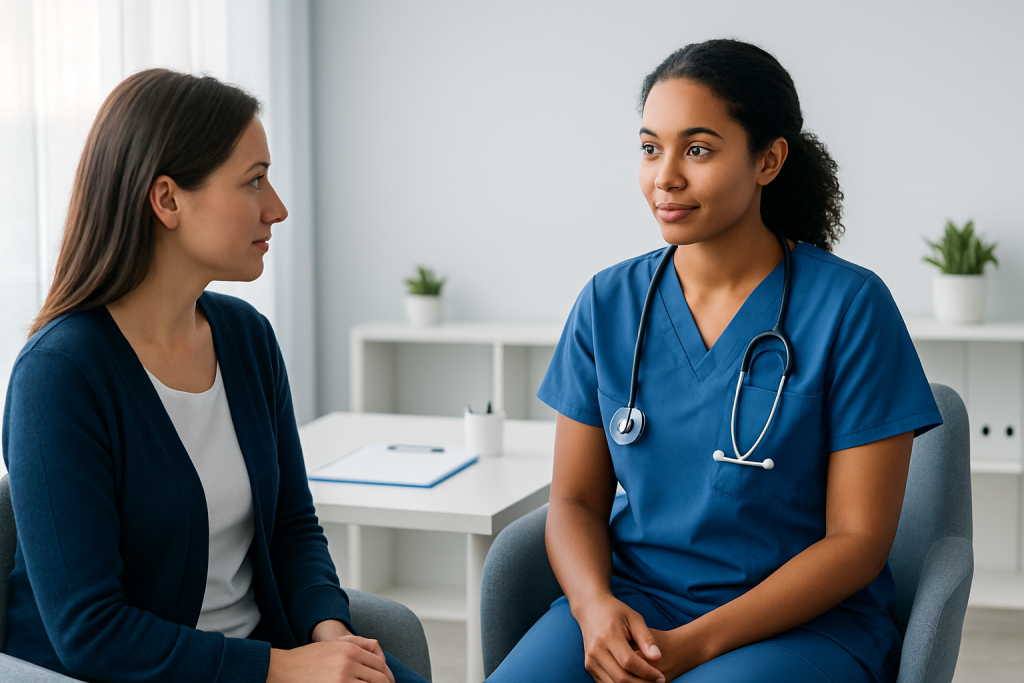
Becoming a registered nurse requires formal nursing education and successful licensure before independent practice. The exact pathway varies by country, but it generally includes structured classroom learning, supervised clinical experience, and a licensing process that confirms safe, competent practice. This preparation is important because nurses make real-time decisions that affect patient safety every day.
Many registered nurses continue building expertise after they begin working. They may pursue specialty certifications, advanced study, or on-the-job training in areas such as intensive care, wound management, perioperative care, or oncology. Ongoing learning matters because medical guidelines, technology, and treatment methods continue to change over time.
Professional standards also shape how nurses work with patients. Privacy, informed communication, documentation, infection prevention, and respect for cultural differences are all part of good nursing practice. For international patients, these standards can be especially reassuring because they help create consistency across different stages of care, from admission to discharge planning and aftercare.
Skills That Make a Strong Nurse
Technical knowledge is only one part of nursing. Strong registered nurses also rely on careful observation, sound judgment, and the ability to stay composed when a situation changes quickly. A subtle shift in breathing, a change in pain pattern, or a patient who seems less alert can all signal the need for closer attention.
Communication is equally important. Nurses often need to explain complex information in a way that feels understandable and respectful. That may mean repeating instructions, checking whether a patient has understood them, or using written plans to support people who are recovering after travel or dealing with follow-up from abroad.
Empathy, organization, teamwork, and cultural sensitivity also matter. Patients are more likely to feel secure when a nurse listens well, notices concerns early, and coordinates smoothly with doctors, therapists, pharmacists, and family caregivers. In that sense, nursing is not only about tasks; it is about creating a clear and steady care experience.
Common Work Settings and Responsibilities
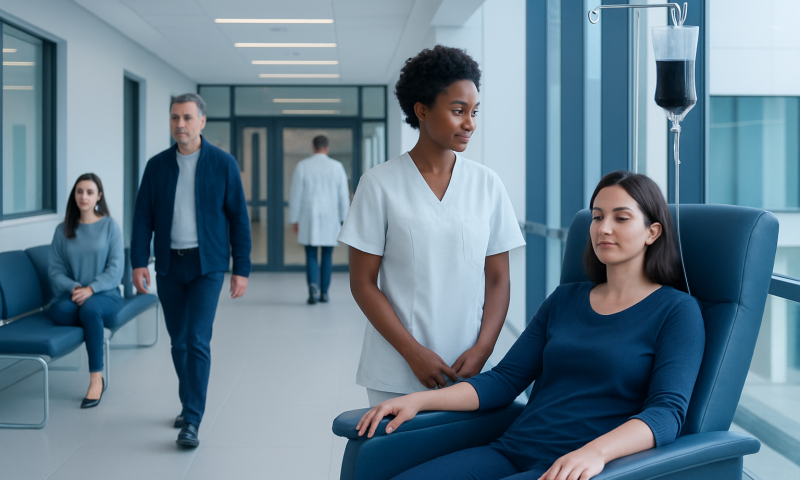
Registered nurses can be found in almost every part of healthcare. In hospitals, they may care for patients after surgery, during acute illness, or while treatments are being adjusted. In outpatient clinics, they may support procedures, provide education, and help patients prepare for tests or follow-up appointments. In rehabilitation, they may encourage movement, watch for fatigue, and reinforce recovery goals step by step.
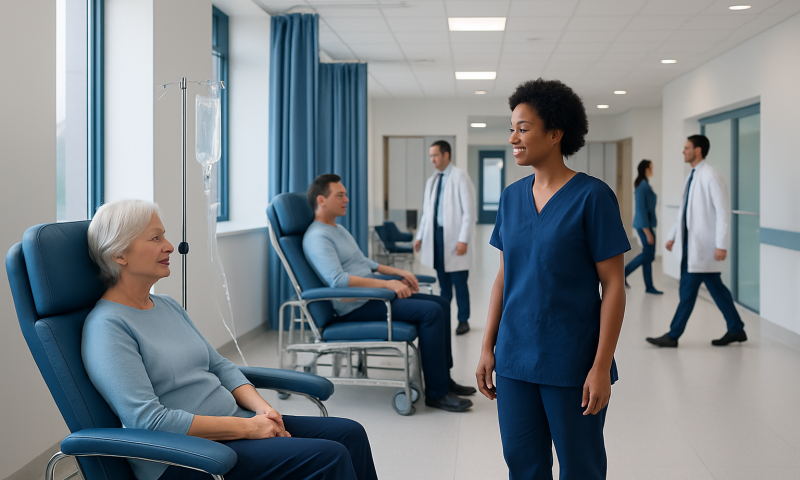
Some nurses work in outpatient treatment centers where the pace is faster but the relationships can be ongoing. Others are part of surgical teams, recovery units, maternity services, pediatric clinics, or home health programs. Each environment requires a slightly different mix of skills, but all depend on the nurse’s ability to stay attentive and organized.
For patients coming from another country, these settings can feel especially new at first. Good nursing care helps reduce that uncertainty by giving patients clear explanations, reliable routines, and a point of contact for questions. When treatment involves several visits or follow-up tests, the nurse often helps connect the pieces so the plan feels less fragmented.
How Nurses Support Diagnosis and Treatment
Registered nurses are not the only professionals involved in diagnosis or treatment, but they play a major supporting role. They gather information that helps the medical team understand what is changing, such as pain level, fluid balance, skin condition, appetite, fever, or response to medication. Those observations can be especially valuable when a patient is recovering from surgery or undergoing ongoing treatment.
During treatment, nurses may prepare patients for procedures, help manage discomfort, monitor for side effects, and watch for early warning signs that need medical review. They also help make sure instructions are followed correctly, which is important when a care plan includes wound care, activity restrictions, special diets, or frequent medication changes.
Patients often remember nurses because they are the ones who explain what is happening in real time. That steady presence can make diagnosis and treatment feel less overwhelming, particularly for international patients adjusting to a new hospital, new terminology, and a schedule that may continue after they return home.
Patient Education, Safety, and Self-Care
One of the most valuable parts of nursing is education. Patients may be given advice about rest, hydration, mobility, hygiene, wound care, medication timing, or follow-up appointments. A registered nurse often checks whether these instructions are realistic for the patient’s daily life, which is especially important if the patient is planning to travel soon after treatment.
Safety is woven into nearly every nursing task. Nurses help prevent falls, reduce infection risk, track changes in condition, and confirm that treatments are given in the correct way. They also encourage patients to speak up if something feels different, because early reporting can make care safer and simpler.
For self-care at home, patients are usually advised to follow the care plan exactly as provided, keep all follow-up visits, and contact a clinician if recovery is not going as expected. If they are returning to another country, they should also make sure they have written instructions, medication lists, and a clear plan for local medical follow-up.
- Keep discharge instructions in one easy-to-find place
- Track symptoms, temperature, pain, or side effects as advised
- Attend scheduled follow-up appointments or virtual reviews
- Ask for clarification before leaving the hospital or clinic
When to See a Doctor
Patients should contact a doctor or the healthcare team if symptoms worsen, new symptoms appear, or recovery is slower than expected. A registered nurse can often help assess the situation and guide the next step, but medical review is important when there is concern about infection, unusual pain, medication side effects, shortness of breath, bleeding, or confusion.
It is also wise to seek prompt advice if a wound looks more red or swollen than before, if a treatment plan cannot be followed safely at home, or if a patient feels too unwell to keep fluids down or complete daily activities. For international patients, this may include questions that arise after travel, such as how to continue care once they have returned home.
In settings where patients are traveling for medical care, multidisciplinary nursing support can make a meaningful difference in continuity. At Acibadem Health Point, multidisciplinary specialists and JCI-accredited hospitals diagnose and treat patients for international care journeys with coordinated attention before, during, and after treatment.
Frequently asked questions
What is the main role of a registered nurse?
A registered nurse provides direct patient care, monitors health status, supports treatment plans, and helps educate patients and families. The role also includes documenting changes and communicating with the wider medical team. In many settings, the RN is a steady point of contact throughout care.
How is a registered nurse different from other nursing roles?
Registered nurses complete formal education and licensing requirements that allow them to assess patients and carry out a broader range of responsibilities. Other nursing roles may have different training, scope, or supervision requirements depending on the country and healthcare system. The exact titles and duties can vary, but the RN role is generally more clinically autonomous.
Do registered nurses diagnose illnesses?
Registered nurses do not usually make medical diagnoses in the way physicians do, but they do assess patients and recognize changes that need medical attention. Their observations can be very important in helping doctors confirm a diagnosis and adjust treatment. They often help identify when a patient needs prompt review.
Why are nurses so important during recovery?
Nurses monitor progress closely, help manage discomfort, and teach patients how to recover safely. They are often the first to notice when a patient is improving or when something needs attention. That early awareness can make recovery smoother and safer.
What should a patient ask a nurse before leaving the hospital?
Patients should ask how to take medicines, what symptoms are normal, what warning signs need urgent attention, and when follow-up should happen. It is also helpful to confirm wound care instructions, activity limits, and who to contact after discharge. Written instructions are especially useful for patients traveling home soon after treatment.
Can a registered nurse help international patients?
Yes. Nurses often explain care plans, coordinate with physicians, and help patients understand what to do after they leave the hospital. For international patients, this support can be especially valuable when treatment continues across borders or requires follow-up from home.
References
- National Council of State Boards of Nursing
- American Nurses Association
- World Health Organization
- International Council of Nurses
- Centers for Disease Control and Prevention
This article is for general information only and is not a substitute for professional medical advice. Please consult a qualified doctor about your individual situation.