Radiation Therapist

Key Takeaways
- Radiation therapists operate the equipment that delivers planned radiation treatment, while working closely with radiation oncologists and medical physicists.
- Their role combines technical accuracy with patient support, communication, and careful daily checks throughout treatment.
- Radiotherapy may be used alone or alongside surgery, chemotherapy, or other cancer treatments depending on the diagnosis.
- Most treatment sessions are brief, but preparation, positioning, and follow-up are important parts of the full process.
- Patients should report new symptoms, skin changes, pain, or difficulty traveling to appointments so the care team can adjust support when needed.
A radiation therapist is a key member of the cancer care team who helps deliver radiotherapy safely and accurately. This article explains what radiation therapists do, what patients can expect, and how they support care before, during, and after treatment.
Overview
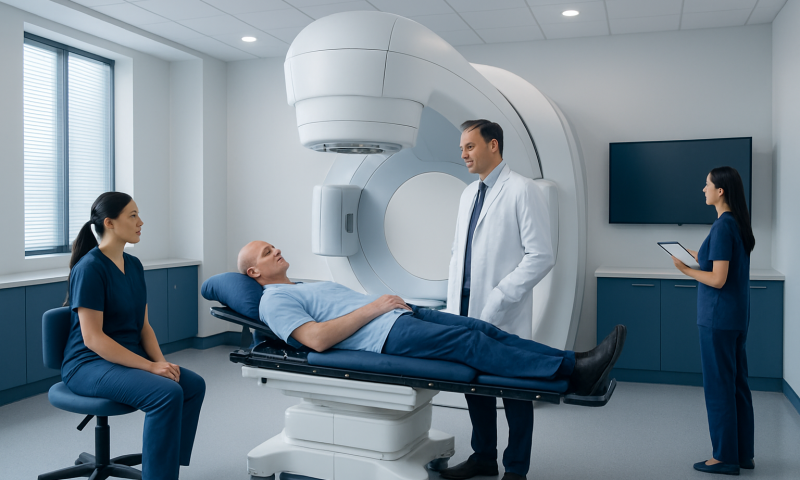
For many patients, the first encounter with radiotherapy is not the machine itself, but the person who helps make each session feel organized and steady. That person is often the radiation therapist, a specialist who positions the patient, operates the treatment equipment, and makes sure the plan designed by the oncology team is delivered accurately.
Radiation therapists are part of a larger group that usually includes radiation oncologists, medical physicists, dosimetrists, nurses, and other support staff. Each role is different, but the common goal is the same: to give radiation in a precise way while protecting nearby healthy tissue as much as possible.
For international patients, this role can matter in very practical ways. When care happens away from home, patients may be dealing with language differences, unfamiliar routines, and limited time on site. A radiation therapist often becomes one of the most familiar faces in the treatment journey, helping patients understand what will happen next and keeping daily treatment running smoothly.
What Radiation Therapists Do
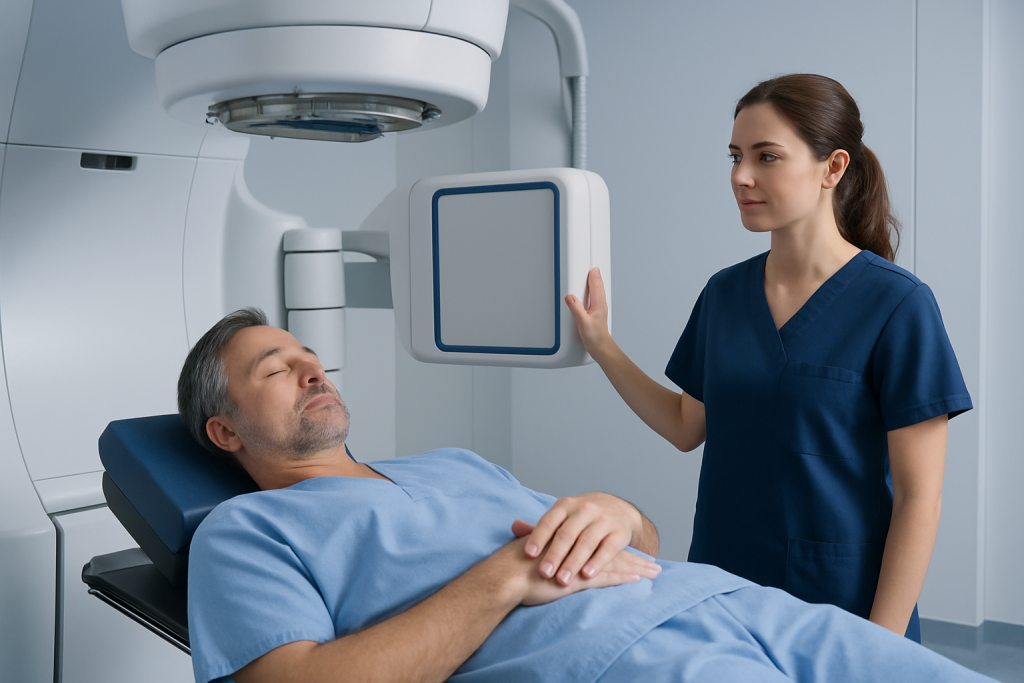
Radiation therapists work at the point where planning becomes action. Before treatment starts, they may help with simulation appointments, where imaging and body measurements are used to map the treatment position. During actual treatment sessions, they help the patient lie still in the correct position, check alignment, and monitor the equipment throughout the session.
Although the treatment plan is created by the oncology team, the radiation therapist is the person who carries out many of the daily steps. They verify the right patient, the right area to treat, and the right setup before each session. This careful routine helps keep treatment consistent from day to day, which is especially important because radiotherapy is usually delivered in multiple sessions over time.
The role is also very human. Patients may feel anxious about the machine, tired from cancer therapy, or uncertain about what sensations are normal. Radiation therapists often answer basic questions, explain the steps in plain language, and notice when a patient seems unwell enough to need further review by a nurse or doctor.
- Preparing the treatment room and equipment
- Positioning the patient safely and comfortably
- Checking treatment details before each session
- Assisting with imaging used for precise alignment
- Supporting communication with the wider oncology team
How Radiotherapy Sessions Usually Feel

Many patients are surprised by how routine a radiotherapy session can become. The machine may look complex, but the appointment itself is often brief. Most of the time is spent on positioning and safety checks rather than on the radiation delivery, which usually takes only a few minutes.
Patients are typically asked to lie still while the therapist adjusts the setup. Clear instructions may be given, sometimes through an intercom system, and the patient may hear the machine moving around them. The treatment itself is painless, and the radiation cannot be seen, felt, or smelled.
What patients notice most often is the structure of the appointment: arrive, check in, change clothes if needed, settle into position, receive treatment, and then leave. Over time, that predictability can be reassuring. For someone receiving care abroad, the familiarity of the daily routine may help balance the stress of travel and the seriousness of the diagnosis.
Why Radiation Therapy Is Used
Radiation therapy is used for many different cancers, and the reason for treatment depends on the type, stage, location, and overall treatment plan. Sometimes it is intended to cure cancer, and in other situations it may be used to reduce symptoms, control tumor growth, or lower the chance of recurrence after surgery.
Radiation therapists do not decide whether a patient needs radiotherapy, but they help carry out the plan once that decision has been made. Patients may receive radiation before surgery to shrink a tumor, after surgery to treat remaining cancer cells, or with other therapies such as chemotherapy depending on the diagnosis.
Because each treatment plan is individualized, two patients may have very different schedules and techniques even if they both hear the word “radiation.” The therapist’s job is to deliver the plan exactly as intended and to adapt daily setup details when the oncology team requests adjustments for safety or comfort.
Common Side Effects and What the Team Monitors
Side effects depend on the body area being treated, the total treatment plan, and whether other therapies are being used at the same time. Some people experience little more than mild fatigue, while others may notice skin irritation, soreness, bowel changes, swallowing discomfort, or hair loss in the treated area.
Radiation therapists are not the primary prescribers of treatment for side effects, but they are often the first to hear about changes from day to day. Because they see patients regularly, they may notice if someone is moving differently, looks more tired, or is having trouble lying in the required position. They can alert the nurse or physician so symptoms are reviewed promptly.
Patients should remember that many effects are temporary and manageable with the right support. The team may recommend skin care guidance, hydration, rest, nutritional support, or additional evaluation if symptoms are becoming harder to tolerate. Early communication usually makes treatment easier to continue safely.
- Fatigue
- Skin redness, dryness, or tenderness
- Swelling or stiffness in the treated area
- Digestive or urinary changes, depending on the site treated
- Temporary hair loss in the radiation field
Training, Skill, and Safety in the Treatment Room
Radiation therapy requires both technical skill and attention to detail. Therapists must understand imaging, anatomy, treatment equipment, patient positioning, and radiation safety procedures. They work within strict protocols because even small setup differences can matter when treatment is delivered over many sessions.
Safety is built into every step. The treatment room is controlled, equipment is checked regularly, and multiple verification steps help confirm the correct patient and treatment site. Patients may see marks on the skin or custom devices used to keep them in the same position each day; these tools are part of careful planning, not a sign that something is wrong.
Good radiation therapy also depends on communication. Patients should feel able to say if they are uncomfortable, in pain, dizzy, anxious, or unsure about instructions. A therapist’s work is not only technical; it also includes helping the patient stay calm enough to complete treatment as planned.
Prevention, Self-care, and the International Patient Experience
Radiation therapy itself is not something patients can prepare for by “doing it perfectly,” but a few practical steps can make the experience easier. Following skin-care advice from the team, keeping appointments as scheduled, and telling staff about new symptoms all help treatment stay on track.
Rest, gentle movement if approved by the care team, adequate fluids, and balanced meals can support recovery during treatment. Patients who are traveling for care may also want to plan ahead for transport, lodging, translation support if needed, and a realistic schedule that allows time for rest between appointments.
When treatment happens far from home, coordination matters. Patients may need copies of scans, pathology reports, and previous treatment records so the oncology team can review the full history. Acibadem Health Point’s multidisciplinary specialists and JCI-accredited hospitals diagnose and treat this condition for international patients, with coordinated support that can help make the pathway from consultation to follow-up more manageable.
When to See a Doctor
Patients should contact their radiation oncologist or treatment team if symptoms become more intense, if skin changes worsen quickly, or if daily functioning is getting harder. It is especially important to speak up if pain, shortness of breath, fever, dehydration, confusion, bleeding, or swallowing problems appear during treatment.
Patients should also seek guidance if they miss multiple sessions, have trouble traveling to appointments, or are unsure whether to continue a medication or skincare product. The care team can advise on the safest next step rather than leaving the patient to guess.
For anyone receiving radiotherapy abroad, it is wise to know in advance who to contact after hours and how to arrange urgent review if needed. A clear plan for communication can reduce stress and help treatment continue safely, even after the patient has returned home.
A Note on Follow-up After Treatment
Radiotherapy does not end when the final session is over. Follow-up visits are used to monitor recovery, review any lingering side effects, and check how well the treatment is working over time. Some effects improve quickly, while others fade more gradually.
Patients may be asked to continue skin care, manage fatigue, or attend imaging and clinic visits according to their cancer type. This follow-up period is also when patients can share concerns about sleep, appetite, pain, or mood, all of which may affect recovery and quality of life.
Understanding the radiation therapist’s role can make the whole process feel less mysterious. For many patients, especially those traveling internationally, knowing who does what—and why—creates a clearer, calmer experience from the first planning scan to the last follow-up visit.
Frequently asked questions
What is the difference between a radiation therapist and a radiation oncologist?
A radiation oncologist is the doctor who prescribes and oversees radiotherapy. A radiation therapist delivers the treatment sessions, positions the patient, and checks that the plan is carried out accurately.
Does radiation therapy hurt during the session?
The treatment itself is usually painless. Some patients feel uncomfortable from lying still or from side effects in the treated area, but the radiation beam is not felt.
How long does a typical radiation therapy appointment take?
The full appointment may take longer than the radiation delivery itself because of check-in, positioning, and safety verification. The actual treatment is often brief, but the total time can vary by machine and treatment plan.
Can patients talk during treatment?
In many centers, patients can communicate with the therapist through an intercom and may be able to speak if they need help. The team will explain how to get attention if something feels wrong or uncomfortable.
Are side effects the same for everyone?
No, side effects depend on the area treated, the dose plan, and whether other treatments are being used. Some patients have only mild fatigue, while others may notice skin or digestive symptoms that need additional support.
What should an international patient bring to a radiotherapy consultation?
It helps to bring medical records, pathology reports, imaging scans, a list of current medications, and a summary of any previous cancer treatment. If possible, bring translated copies or ask the care team in advance what documents will be most useful.
References
- American Cancer Society
- National Cancer Institute
- Mayo Clinic
- Cancer Research UK
- Radiological Society of North America
This article is for general information only and is not a substitute for professional medical advice. Please consult a qualified doctor about your individual situation.