Prussian Blue

Key Takeaways
- Prussian Blue is a prescription antidote used for selected poisonings, not everyday detoxification.
- It works by trapping certain substances in the intestines so they can leave the body more safely.
- The medicine may be used after thallium or radioactive cesium exposure, with careful medical supervision.
- Side effects are often mild, but treatment still needs monitoring and follow-up.
- Anyone with suspected toxic exposure should contact emergency services or a poison center promptly.
Prussian Blue is a medicine used in specific poisoning situations, especially certain radioactive materials and heavy metals such as thallium and cesium. It is not a general detox remedy, and its use should always be guided by a qualified doctor or poison center.
Overview
Prussian Blue is a medical antidote with a very specific role: it helps the body remove certain toxic substances that have entered the bloodstream and later cycle through the intestines. In practice, it is most often discussed in relation to thallium poisoning and exposure to certain radioactive materials, such as radioactive cesium.
Although its name may sound unfamiliar, the concept behind it is straightforward. The medicine binds the unwanted substance in the gut, reducing reabsorption and allowing more of it to pass out of the body in stool. That makes Prussian Blue useful in situations where the body would otherwise keep recycling the toxin.
It is important not to confuse this treatment with wellness products marketed for “cleansing” or “detox.” Prussian Blue is not intended for general toxin removal, liver cleansing, or self-treatment. It is a targeted medical therapy used only when a clinician has confirmed or strongly suspected a relevant exposure.
For international patients, the situation can feel especially stressful if exposure happens while traveling or after returning home. In those moments, the priorities are rapid assessment, contacting the right emergency or poison service, and ensuring the patient receives the correct antidote and follow-up care.
Symptoms
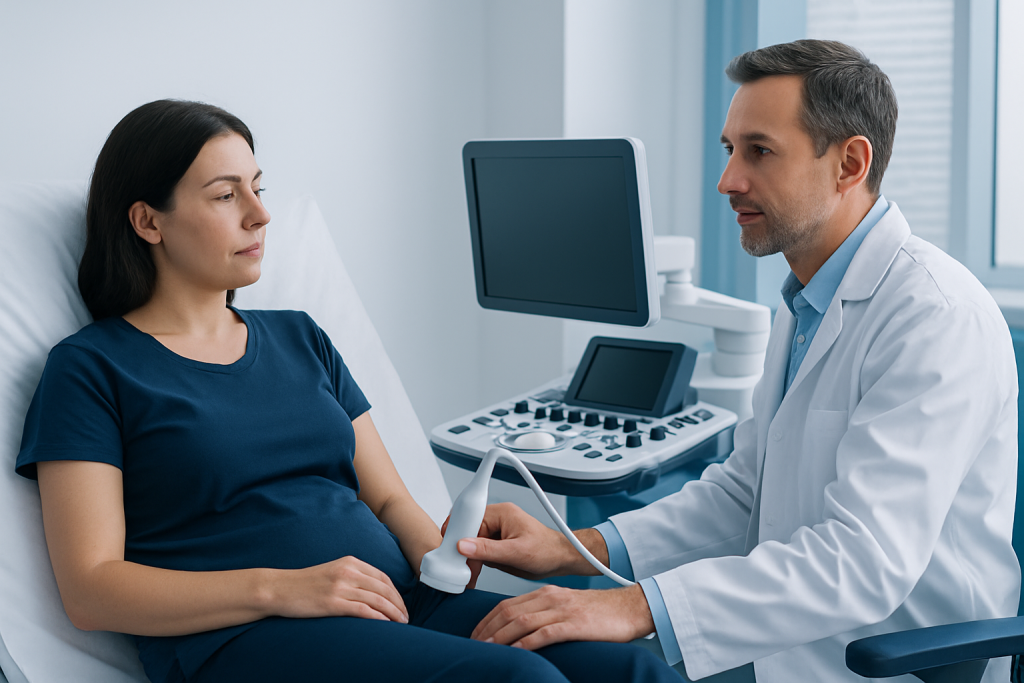
The symptoms that lead to Prussian Blue treatment usually come from the poisoning itself, not from the medicine. Early signs can be vague and may include nausea, abdominal discomfort, vomiting, constipation, weakness, or a general feeling that something is wrong. Because these complaints are nonspecific, exposure history matters a great deal.
Thallium poisoning may cause a range of findings over time, including gastrointestinal upset, nerve-related symptoms, pain or tingling in the hands and feet, and hair loss later in the course. Radioactive cesium exposure may not cause obvious symptoms right away, which is one reason medical evaluation after known exposure is so important.
People should seek urgent medical attention if a toxic exposure is suspected, even if symptoms seem mild. A person who has inhaled, swallowed, or otherwise encountered a hazardous material may need monitoring before more serious effects appear.
Causes & Risk Factors

Prussian Blue is used when a person has been exposed to substances that undergo enterohepatic recycling or circulate in a way that allows the gut to help eliminate them. Its main established uses are for thallium poisoning and for internal contamination with radioactive cesium or radioactive thallium in certain situations.
Risk factors depend on the substance involved. These may include accidental ingestion, industrial or laboratory exposure, contaminated food or water, certain security-related incidents, or rare environmental exposures. In many cases, the person may not immediately know what they encountered, which is why a detailed exposure history is so valuable.
Because the treatment is specialized, a poison center, emergency physician, toxicologist, or radiation medicine team may be involved. The care plan often depends on the amount and timing of exposure, the person’s age and overall health, and whether other substances were involved as well.
- Known or suspected thallium exposure
- Ingestion or contamination with radioactive cesium
- Occupational or laboratory accidents
- Environmental or food-related contamination
- Mixed exposures that require toxicology guidance
Diagnosis
Diagnosis begins with the story of what may have happened. Clinicians ask about the substance, the route of exposure, the time since exposure, the amount involved, and any symptoms that have appeared. When the exact substance is unknown, the surrounding circumstances often guide testing and immediate treatment.
Laboratory tests may be used to look for the toxin in blood, urine, or other samples, depending on the exposure. In suspected radioactive contamination, the team may use specialized measurements to estimate body burden and plan treatment. Additional tests may check kidney function, blood counts, electrolytes, and other organ systems that can be affected by the exposure.
Imaging is not always necessary, but it may be used if clinicians need to evaluate complications or identify retained material. In many cases, diagnosis is a coordinated process involving emergency medicine, toxicology, and sometimes radiation safety experts.
Treatment Options
Prussian Blue is typically given as part of a broader treatment plan, not as a stand-alone solution. The first step is usually to stop further exposure and stabilize the patient. Depending on the poison, this may also include decontamination, symptom control, fluids, or other supportive measures.
The medicine works in the intestines by binding certain ions so they are carried out of the body in the stool. This can shorten the time the toxin remains in circulation and may reduce ongoing damage. For some exposures, clinicians may also discuss additional treatments, such as other antidotes or procedures aimed at reducing absorption or enhancing elimination.
Monitoring during treatment is important because the patient’s condition, lab values, and bowel function can affect the care plan. The healthcare team may also review nutrition, hydration, and medication timing, since the medicine can affect how some orally taken substances are absorbed. In more complex cases, treatment may extend over days or longer, with repeat assessment to confirm that toxin levels are falling.
Patients and families should understand that the exact plan depends on the exposure itself. A treatment approach used for radioactive contamination may differ from the approach used for thallium poisoning, even though the same antidotal principle may apply.
Prevention & Self-care
Prevention starts with hazard awareness. People who work around industrial chemicals, laboratory materials, radioactive sources, or contaminated environments should follow workplace safety procedures carefully and use appropriate protective equipment. Food and water safety also matter, especially when contamination is a concern.
Prussian Blue should never be taken without medical direction. Using it without a confirmed indication can delay proper diagnosis and may create false reassurance. If someone believes they have been exposed to a toxic substance, the safer step is to contact emergency services or a poison center rather than trying home remedies.
During recovery, self-care usually focuses on following the prescribed plan, staying hydrated if advised, and reporting new symptoms promptly. If the patient is traveling for treatment, it is helpful to keep a written summary of the exposure, test results, and medication plan so follow-up can continue smoothly after returning home.
- Use protective measures at work or in high-risk settings
- Do not handle suspected contaminated items without guidance
- Keep exposure details and test results organized for follow-up
- Follow instructions on dosing timing and diet if prescribed by the care team
- Seek medical advice before taking any antidote or supplement
When to See a Doctor
A doctor should be contacted promptly whenever thallium exposure, radioactive contamination, or another hazardous ingestion is suspected. This is especially true if the person has symptoms, if the exposure involved children, or if the substance is unknown.
Urgent evaluation is also appropriate if vomiting, severe abdominal pain, weakness, numbness, confusion, trouble walking, or a rapid worsening of symptoms occurs. Even when the person feels relatively well, assessment may still be needed because some toxic effects are delayed.
For patients who live abroad or are traveling, early coordination can prevent delays in treatment and follow-up. Acibadem Health Point works with multidisciplinary specialists and JCI-accredited hospitals that diagnose and treat complex cases for international patients, helping align the medical plan from first assessment through recovery.
Because toxic exposure care is highly individualized, patients should not wait for symptoms to “declare themselves.” A qualified clinician or poison center can help determine whether Prussian Blue, another antidote, or simple observation is the safest next step.
Frequently asked questions
What is Prussian Blue used for?
Prussian Blue is used as an antidote for certain poisonings, especially thallium and some radioactive cesium exposures. It helps prevent the body from reabsorbing these substances in the intestines so they can leave the body more effectively.
Is Prussian Blue a detox medicine?
No. It is not a general detox product and should not be used for wellness cleansing. It is a targeted medical treatment given when a clinician identifies a specific toxic exposure.
Can Prussian Blue be taken at home?
It should only be taken when prescribed or directed by a qualified healthcare professional. The right treatment depends on the exact substance involved, the timing of exposure, and the person’s medical condition.
What side effects can Prussian Blue cause?
Side effects are often mild, but they can include constipation or changes in stool color. A doctor may monitor bowel function and overall progress during treatment.
How quickly does Prussian Blue work?
It starts working by binding certain substances in the gut once it is taken, but the overall effect depends on the type and amount of exposure. Doctors often follow the patient over time with repeat assessments and tests.
What should someone do after suspected toxic exposure?
They should contact emergency services or a poison center right away, especially if the substance is unknown. Quick evaluation helps determine whether decontamination, an antidote like Prussian Blue, or another treatment is needed.
References
- National Institutes of Health Office of Dietary Supplements
- U.S. Food and Drug Administration
- World Health Organization
- Centers for Disease Control and Prevention
- Poison Control
This article is for general information only and is not a substitute for professional medical advice. Please consult a qualified doctor about your individual situation.