Cyclothymic Disorder

Key Takeaways
- Cyclothymic disorder involves ongoing mood ups and downs that can affect work, relationships, and daily life.
- Symptoms often seem less severe than bipolar disorder, but they can still be disruptive and deserve evaluation.
- Diagnosis is based on a careful psychiatric history and ruling out other medical or mental health causes.
- Treatment usually combines psychotherapy, lifestyle structure, sleep support, and sometimes medication.
- Tracking mood patterns and recognizing triggers can help people and their care teams tailor treatment more effectively.
Cyclothymic disorder is a long-term mood condition marked by repeated shifts between mild low and high moods that do not fully meet the criteria for major depression or bipolar disorder. With the right diagnosis, treatment, and support, many people can manage symptoms and maintain steady daily functioning.
Overview
Cyclothymic disorder is a mood condition on the bipolar spectrum. It is characterized by repeated periods of milder depressive symptoms and milder hypomanic symptoms that last for a long time and create a noticeable pattern of emotional instability. The highs and lows are usually not intense enough to meet the full criteria for major depressive episodes or hypomanic episodes, but they can still interfere with concentration, energy, decision-making, and relationships.
Because the changes may be subtle at first, cyclothymic disorder is sometimes mistaken for a personality style, stress reaction, or “just being moody.” In reality, it is a recognized mental health condition that benefits from professional assessment. A clear diagnosis can be especially important for people who have lived with unexplained mood shifts for years and are trying to understand why life may feel unpredictable from one season to the next.
For international patients, the journey often begins with noticing a pattern rather than a single crisis. Someone may recognize that periods of feeling unusually driven are followed by stretches of low motivation, poor sleep, or self-doubt. When these changes keep repeating, a structured psychiatric evaluation can help determine whether cyclothymic disorder is the best explanation or whether another condition is involved.
Symptoms
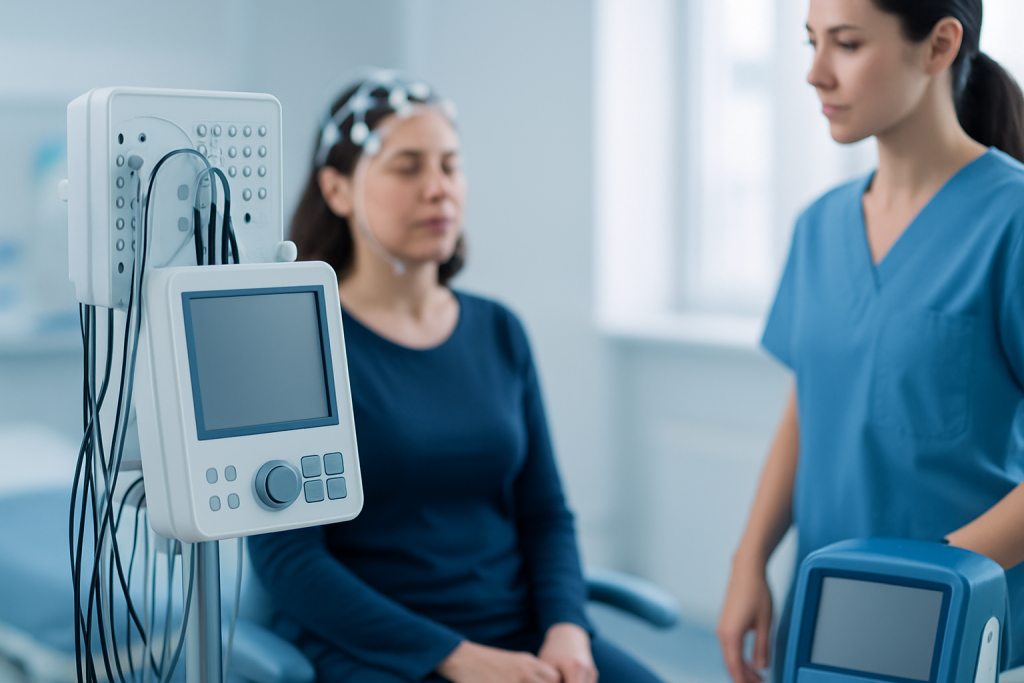
The core feature of cyclothymic disorder is a long-standing pattern of mood swings. On the “up” side, a person may feel more energized, more talkative, unusually optimistic, or more active than usual. On the “down” side, they may feel gloomy, insecure, fatigued, less interested in routine activities, or mentally slowed. The shifts often seem to come and go without a clear reason, although stress and sleep disruption may make them more noticeable.
These mood changes can affect daily functioning in quiet but meaningful ways. A person may start projects enthusiastically and then struggle to finish them. They may sleep less during high-energy periods and then feel drained later. Friends or family may notice that the person appears “different” in cycles, even if the individual does not recognize a consistent pattern right away.
Common experiences may include:
- Periods of increased energy or restlessness
- Periods of low mood, discouragement, or reduced interest
- Changes in sleep, appetite, or focus
- Impulsivity during more activated periods
- Difficulty keeping a stable routine
Symptoms usually need to persist over time to fit this diagnosis. If mood changes become severe, include psychosis, or cause major impairment, a clinician may consider another diagnosis instead. That is one reason a detailed assessment matters: the same outward pattern can reflect different underlying conditions.
Causes & Risk Factors

No single cause explains cyclothymic disorder. Like many mood disorders, it is thought to arise from a combination of biological vulnerability, brain chemistry, family history, and life experiences. Some people appear to inherit a tendency toward mood sensitivity, while environmental stressors may influence when symptoms become more noticeable.
Risk factors may include a personal or family history of bipolar disorder, depression, substance use problems, or other mood conditions. Chronic stress, irregular sleep, major life transitions, and trauma can sometimes aggravate symptoms or make them easier to trigger. These factors do not guarantee that cyclothymic disorder will develop, but they may increase the likelihood in someone already vulnerable.
It is also important to separate cause from trigger. A stressful event may intensify symptoms, but it does not mean the person is simply “overreacting.” For patients who travel abroad for care, understanding the long-term pattern can be helpful because earlier experiences, family history, and current lifestyle often all need to be reviewed together during the assessment.
Diagnosis
Diagnosis begins with a conversation, not a lab test. A psychiatrist or other qualified mental health professional will ask about mood history, sleep, energy, daily functioning, relationships, and any periods of unusually elevated or low mood. The clinician also looks at how long the symptoms have been present and whether they have occurred often enough to suggest a persistent pattern.
Because mood symptoms can overlap with other conditions, the evaluation usually includes questions about anxiety, substance use, medications, thyroid problems, and sleep disorders. In some cases, a doctor may order blood tests or other examinations to rule out medical contributors. This careful step is important because depression, bipolar disorder, attention-related concerns, and even some physical illnesses can resemble parts of cyclothymia.
Keeping a mood diary before and during the visit can be very useful. Notes about sleep, energy, irritability, productivity, and stressful events may reveal patterns that are hard to remember in a single appointment. For patients arriving from another country, bringing past records, medication lists, and prior diagnoses can make the consultation more efficient and reduce the chance of overlooking key details.
Treatment Options
Treatment is individualized. There is no single approach that fits every person with cyclothymic disorder, but care often combines psychotherapy, lifestyle structure, and, when needed, medication. The goal is not to eliminate every shift in mood; rather, it is to reduce the size and impact of the swings and help the person live more predictably.
Psychotherapy can help people identify triggers, build coping skills, and create routines that protect sleep and daily stability. Cognitive behavioral therapy and related approaches may help with negative thinking during low periods, impulsive choices during high-energy periods, and relationship strain caused by uncertainty. Education about the condition is also valuable, because understanding the pattern often reduces self-blame.
Medication may be considered in some cases, especially when symptoms are frequent, disruptive, or escalating. A psychiatrist decides whether mood-stabilizing treatment or another medication strategy is appropriate based on the full picture. Because some antidepressants can worsen mood instability in people on the bipolar spectrum, treatment should be guided by an experienced clinician rather than self-directed.
When people seek care across borders, multidisciplinary coordination can matter. Mental health treatment may involve psychiatry, psychology, sleep support, and general medical review working together so that the plan is realistic for follow-up after returning home.
Prevention & Self-care
Cyclothymic disorder cannot always be prevented, but symptoms can often be managed more effectively when a person learns their patterns early. Regular sleep is one of the most helpful stabilizing habits. Irregular bedtimes, overnight work, jet lag, and all-night screen use can all make mood shifts more pronounced.
Daily structure also tends to help. Predictable meals, exercise, work rhythms, and quiet time can reduce the sense of emotional drift that many people describe. Avoiding alcohol and recreational drugs is wise, since these can worsen mood instability and make treatment less effective. It also helps to watch for early signs of change, such as sleeping less, talking faster, withdrawing socially, or losing interest in ordinary tasks.
Practical self-care can include:
- Using a mood and sleep tracker
- Keeping appointments even when feeling well
- Planning ahead for stressful travel or workload changes
- Asking trusted family members to notice warning signs
- Building a follow-up plan that works across time zones if treatment begins abroad
Self-care does not replace treatment, but it often makes treatment work better. Small, consistent habits usually matter more than dramatic short-term changes.
When to See a Doctor
Medical evaluation is a good idea when mood swings are repeated, last for months or years, or begin to interfere with work, school, relationships, or sleep. It is also worth seeking help if the person feels as though they cannot trust their own energy levels or decisions because the pattern keeps changing. Even if symptoms seem mild, persistent instability is still a legitimate reason to ask for care.
Prompt assessment is especially important if there are thoughts of self-harm, reckless behavior, severe insomnia, substance misuse, or a sudden change from the person’s usual pattern. If symptoms are confusing or have not improved with past treatment, a specialist evaluation may help clarify whether cyclothymic disorder, bipolar disorder, depression, anxiety, or another condition is present.
For those traveling for treatment, it is reasonable to seek a clinic that can coordinate diagnosis, therapy planning, and follow-up instructions clearly before the return trip. Acibadem Health Point’s multidisciplinary specialists and JCI-accredited hospitals diagnose and treat cyclothymic disorder for international patients, helping support continuity of care across borders.
Frequently asked questions
Is cyclothymic disorder the same as bipolar disorder?
It is related, but not the same. Cyclothymic disorder sits on the bipolar spectrum and involves milder mood highs and lows that do not fully meet the criteria for major mood episodes. A clinician can explain the difference after a full evaluation.
Can cyclothymic disorder go away on its own?
Some people notice periods of improvement, but the pattern often returns if it is not addressed. Professional treatment can reduce symptom intensity and help a person function more consistently over time. Support is usually more effective than waiting for it to settle on its own.
What kind of doctor diagnoses cyclothymic disorder?
A psychiatrist is often the most appropriate specialist, although other mental health professionals may first identify the pattern. Diagnosis usually relies on a detailed history rather than a single test. A primary care doctor may also help rule out medical causes and provide a referral.
Can stress make symptoms worse?
Yes, stress can make mood shifts more noticeable and harder to manage. Sleep loss, travel fatigue, major life changes, and conflict can all add pressure to an already sensitive mood pattern. That is why routine and early support are so important.
Is medication always necessary?
Not always. Some people improve with psychotherapy, structured routines, and close monitoring, while others benefit from medication as part of a broader plan. The right choice depends on symptom severity, safety, and the person’s overall history.
How can someone prepare for an appointment if they may have cyclothymic disorder?
A mood diary, past medical records, medication lists, and notes about sleep patterns can be very helpful. It is also useful to write down examples of both high-energy and low-energy periods, including how long they lasted and how they affected daily life. This gives the clinician a clearer picture during the visit.
References
- National Institute of Mental Health
- American Psychiatric Association
- World Health Organization
- Mayo Clinic
- Merck Manual Professional Edition
This article is for general information only and is not a substitute for professional medical advice. Please consult a qualified doctor about your individual situation.