Pruritus: Symptoms, Causes and Treatment

Key Takeaways
- Pruritus is a symptom, not a diagnosis, so the cause needs to be identified when itching is persistent or widespread.
- Dry skin, eczema, allergic reactions, and other skin conditions are common triggers, but some internal illnesses can also cause itch.
- A doctor may use history, skin examination, and sometimes blood tests or other studies to find the source of the itching.
- Treatment focuses on the underlying cause while also calming the skin barrier and reducing the itch-scratch cycle.
- Simple measures such as fragrance-free moisturizers, gentle bathing, and avoiding triggers can make a meaningful difference.
- Medical review is important if itching is severe, lasts more than a few weeks, or comes with rash, fever, weight loss, jaundice, or other new symptoms.
Medically reviewed by the Acıbadem clinical team — August 19, 2026
Pruritus is the medical term for itching, a common symptom that can range from a brief annoyance to a persistent problem that disrupts sleep and daily life. It may begin with dry skin, but it can also signal skin conditions, allergies, infections, medication effects, or internal health issues that deserve medical attention.
Overview
Pruritus is the medical word for itching. It can be a small, short-lived irritation or a stubborn symptom that keeps returning, spreads across the body, or becomes intense enough to disturb sleep and concentration.
Because pruritus is a symptom rather than a disease, the central question is not only how to stop the itch, but why it started. Sometimes the answer is straightforward, such as dry skin after frequent bathing or a reaction to soap. In other cases, itching is linked to eczema, hives, scabies, liver or kidney problems, thyroid disease, iron deficiency, or a medication side effect.
For international patients, that distinction matters. A person may notice itching before a trip, during travel, or after arriving in a new climate or using unfamiliar products. A careful review of timing, exposures, and accompanying symptoms often helps a clinician separate a local skin issue from a broader medical condition.
Symptoms
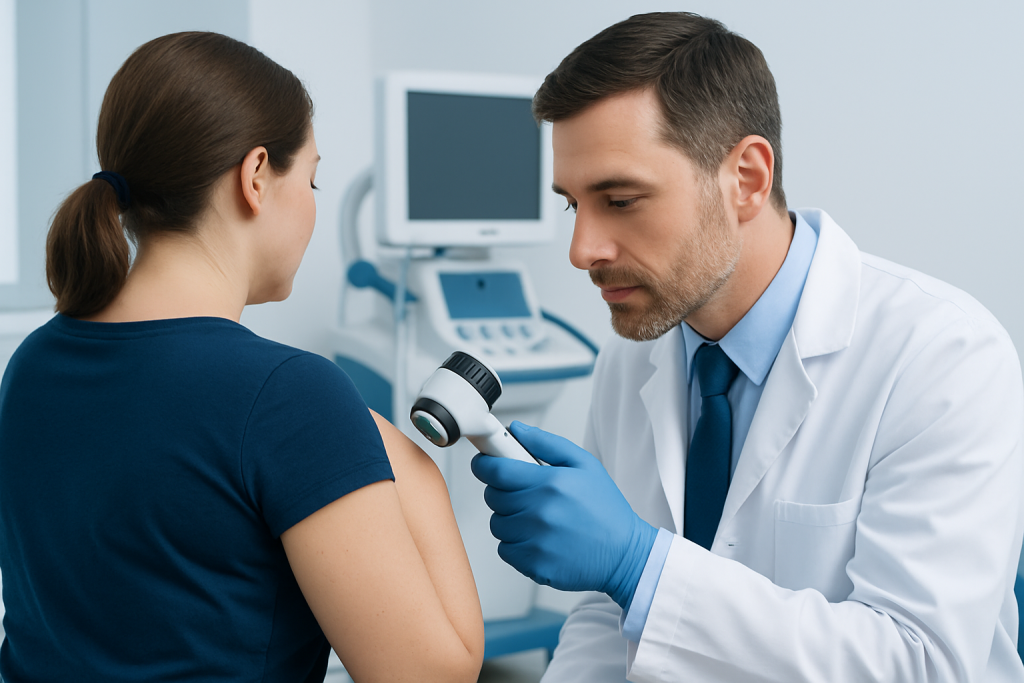
The hallmark symptom is the urge to scratch. Some people describe a tickling, burning, crawling, or stinging feeling rather than plain itch, and the sensation may be localized or generalized.
Pruritus can appear with visible skin changes or with little to see at first. Scratching may then create redness, excoriations, thickened skin, swelling, or small scabs, which can make the area feel even more irritated. Nighttime itching is especially common because distractions are fewer and body temperature changes can make the sensation more noticeable.
- Itch on one area, such as the scalp, hands, legs, or back
- Widespread itching without a clear rash
- Dry, flaky, or rough skin
- Redness, bumps, hives, or scaling
- Sleep disruption, anxiety, or difficulty focusing because of the itch
When itching is paired with fever, unexplained weight loss, jaundice, dark urine, swollen glands, or persistent fatigue, it deserves prompt medical assessment because the cause may extend beyond the skin.
Causes & Risk Factors

Common skin-related causes include dry skin, eczema, allergic contact dermatitis, insect bites, urticaria, psoriasis, fungal infections, and scabies. Irritants such as harsh cleansers, fragranced lotions, certain fabrics, and frequent hot showers can also strip the skin barrier and trigger itch.
Pruritus may also reflect conditions elsewhere in the body. Liver disease can cause itching, especially when bile flow is affected. Kidney disease, thyroid disorders, diabetes, iron deficiency, some blood disorders, and nerve-related conditions may also play a role. In some people, medications such as antibiotics, opioids, or certain blood pressure medicines can contribute to itching.
Risk rises when skin is already sensitive or dry, when someone has a history of atopic dermatitis or allergies, or when environmental changes increase irritation. Long flights, dry hotel air, stress, new detergents, and sweating in a different climate can all make the symptom more noticeable during travel.
Diagnosis
Diagnosis begins with a detailed conversation about when the itching started, where it is felt, what makes it better or worse, and whether there is a rash or other symptom. A clinician may ask about new skin products, foods, medications, recent travel, pets, household contacts, and exposures such as pools, hotels, or shared bedding.
A physical examination is often the next step, with attention to the skin, nails, scalp, eyes, and sometimes the liver, lymph nodes, or thyroid region. If the cause is not obvious, the doctor may order blood tests to look for signs of liver, kidney, thyroid, or blood disorders, or may suggest skin scraping, patch testing, or other studies depending on the suspected cause.
In some situations, diagnosis is a process of elimination. That can feel frustrating, but it is often the safest way to avoid treating only the symptom while missing the source. Patients traveling for care should bring a list of all medicines, supplements, and skin products, ideally with photographs of the rash if the appearance changes over time.
Treatment Options
Treatment depends on the cause. If dry skin is the trigger, the main goal is to restore the skin barrier with regular moisturizers, gentle cleansers, and habits that reduce water loss. If eczema or another inflammatory skin condition is present, a doctor may recommend prescription creams or other anti-inflammatory treatments.
When itching comes from an infection, parasite, allergy, or medication reaction, the plan may involve targeted treatment and removing the trigger. If an internal condition is responsible, care focuses on managing that underlying illness while easing the itch itself. In some cases, doctors use antihistamines, topical anti-itch preparations, or other medicines selected according to the pattern of symptoms and the patient’s overall health.
Because pruritus can have multiple causes at once, treatment is often layered: relieve the skin discomfort, reduce inflammation, and correct the underlying problem. Patients should not start strong topical products, herbal remedies, or repeated steroid use on their own without medical guidance, especially if the diagnosis is not clear.
Prevention & Self-care
Simple daily habits can lower the skin’s irritability and reduce the scratch cycle. Short lukewarm showers, fragrance-free cleansers, and moisturizers applied soon after bathing help protect the outer skin barrier. Soft, breathable clothing is usually easier on sensitive skin than rough or tight fabrics.
It also helps to notice patterns. Some people itch more after heat, stress, alcohol, sweating, certain foods, or exposure to a new detergent. Keeping a brief symptom log can make the trigger easier to spot, especially if itching changes during travel or after a move to a drier or warmer climate.
- Use fragrance-free moisturizer regularly, especially after bathing
- Avoid very hot showers and long soaking baths
- Choose mild, unscented soaps and laundry products
- Keep nails short to reduce skin injury from scratching
- Use cool compresses when the itch flares
- Stay hydrated and avoid overheating when possible
If a clinician has already identified a condition such as eczema, following the treatment plan consistently is one of the best ways to prevent recurrent pruritus. For travelers, carrying familiar skin products and a written medication list can reduce flare-ups caused by new routines or products abroad.
When to See a Doctor
Medical review is a good idea when itching lasts longer than a couple of weeks, keeps returning, or is strong enough to interfere with sleep, work, or daily comfort. It is also wise to seek care if the cause is unclear, especially when there is no obvious rash but the itch is widespread or progressive.
Prompt evaluation is important if pruritus appears together with jaundice, fever, night sweats, unexplained weight loss, fatigue, swelling, new lumps, shortness of breath, or changes in urine or stool color. The same applies if the skin looks infected, the itching is causing open sores, or over-the-counter measures are not helping.
Acibadem Health Point’s multidisciplinary specialists and JCI-accredited hospitals can diagnose and treat pruritus for international patients, including cases that need coordinated dermatology and internal medicine assessment. Getting the right explanation early can shorten the path from “just itchy” to a clearer, more comfortable plan.
Frequently asked questions
Is pruritus the same as itchy skin?
Pruritus is the medical term for itching, so the two phrases describe the same symptom. The important difference is that pruritus is not a diagnosis on its own; it is a sign that something else may be irritating the skin or affecting the body.
Can pruritus happen without a rash?
Yes. Some causes produce visible skin changes, but others may cause itching before any rash appears or without a rash at all. That is one reason persistent itch should be assessed by a doctor.
Why does itching often get worse at night?
At night there are fewer distractions, so the itch feels more noticeable. Body temperature, skin dryness, and circadian changes in itch perception may also make symptoms feel stronger in the evening.
What is the first thing to try for mild itching?
For mild itching, gentle skin care is usually a sensible first step. Using a fragrance-free moisturizer, avoiding hot showers, and switching to mild cleansers can help if dryness or irritation is involved.
Can stress make pruritus worse?
Yes, stress can intensify itching and make the scratch cycle harder to break. Even when stress is not the original cause, it can make a skin problem feel more persistent and uncomfortable.
When is itching more concerning?
Itching is more concerning when it is widespread, lasts for weeks, keeps disrupting sleep, or comes with symptoms such as jaundice, fever, weight loss, or unexplained fatigue. Those features may suggest an underlying condition that needs medical evaluation.
References
- American Academy of Dermatology
- Mayo Clinic
- National Health Service
- Merck Manual Professional Edition
- World Health Organization
This article is for general information only and is not a substitute for professional medical advice. Please consult a qualified doctor about your individual situation.
Explore treatments in Turkey — costs, top hospitals & a free quote
JCI-accredited · board-certified surgeons · reply within 24h
Add us as a Preferred Source to see more of our trusted health content across Google Search, AI Overviews and Discover.