Prothrombin Time: What It Is and What It Means

Key Takeaways
- Prothrombin time measures one part of the body’s clotting system and is often reported with INR.
- The test may be ordered for unusual bleeding, before procedures, or to monitor anticoagulant treatment.
- Many factors can affect PT results, including medications, liver disease, vitamin K status, and some inherited conditions.
- An abnormal result does not diagnose a single disease on its own; it usually prompts a broader clinical review.
- People traveling for care should bring a complete medication list and prior lab results to help interpret PT accurately.
Medically reviewed by the Acıbadem clinical team — August 19, 2026
Prothrombin time is a blood test that helps assess how quickly the blood forms a clot. It is commonly used to evaluate bleeding issues, monitor certain medicines, and check liver-related clotting function.
Overview
Prothrombin time, often shortened to PT, is a laboratory blood test that measures how long it takes blood to clot through one important pathway in the clotting system. In everyday terms, it gives clinicians a window into whether certain clotting proteins are working as expected.
The test is commonly paired with the INR, or International Normalized Ratio, which helps standardize results across different laboratories. That matters when someone is being monitored across borders or comparing results from one hospital to another, because the INR makes PT more consistent for clinical decision-making.
PT is not a stand-alone diagnosis. It is one piece of the picture, used alongside symptoms, medicines, medical history, and sometimes other coagulation tests. For patients who are arranging care abroad, bringing previous blood test reports can save time and help the doctor interpret whether a result represents a new change or a stable pattern.
Symptoms That May Lead to a PT Test
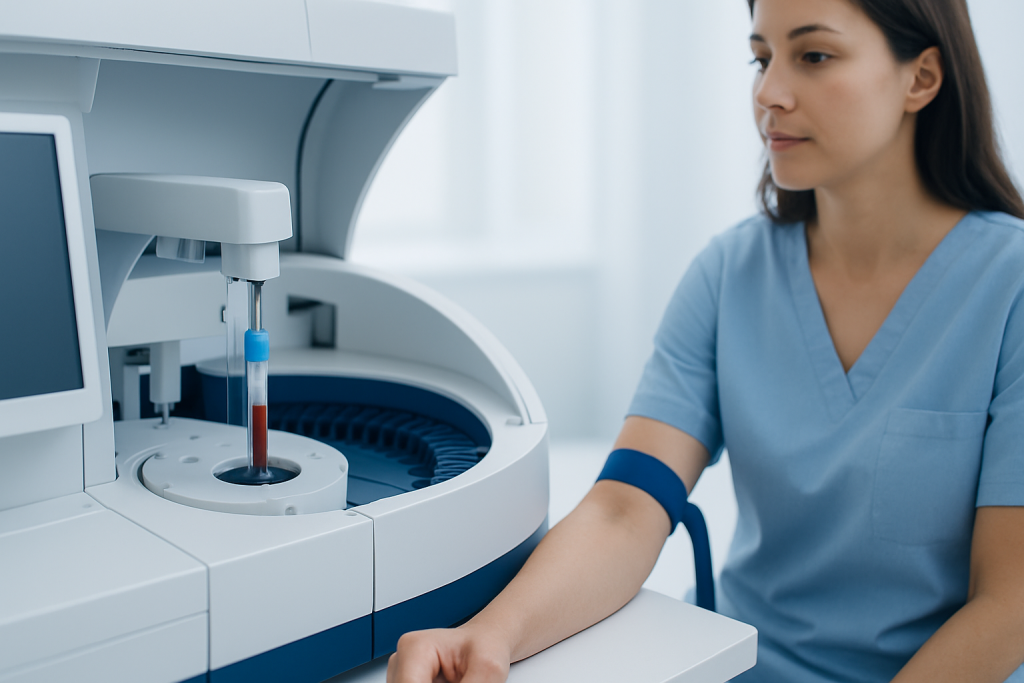
Doctors may order a PT test when a person has signs that suggest a clotting problem. These symptoms can include easy bruising, frequent nosebleeds, bleeding gums, unusually heavy menstrual bleeding, or bleeding that seems to last longer than expected after a cut or dental procedure.
Sometimes PT is checked before surgery or another procedure to reduce the chance of unexpected bleeding. It may also be ordered when a patient has liver disease, poor nutrition, jaundice, a history of blood clots treated with anticoagulants, or a family history that suggests a clotting disorder.
In many cases, the test is part of a broader workup rather than a response to a single symptom. A clinician may combine PT with a complete blood count, activated partial thromboplastin time, liver tests, or fibrinogen testing to better understand what is happening.
Causes & Risk Factors

Several different conditions and circumstances can lengthen PT. Common causes include vitamin K deficiency, liver disease, inherited clotting-factor abnormalities, and the use of certain blood-thinning medicines such as warfarin.
Because clotting factors are made in the liver and depend on vitamin K, anything that interferes with liver function or vitamin K availability can influence results. Digestive problems that affect absorption, long courses of antibiotics, and poor dietary intake may also play a role in some people.
Risk factors for an abnormal PT are often linked to medical history rather than a single event. These may include:
- Current anticoagulant therapy
- Known liver disease or a recent hepatitis evaluation
- Recent major illness, malnutrition, or significant weight loss
- Personal or family history of unusual bleeding
- Upcoming surgery or invasive procedures
It is also worth noting that a PT result can be influenced by laboratory methods, timing of blood draw, and whether the patient has taken medications as prescribed. This is one reason clinicians review the full medication list carefully, especially for people who are receiving care while traveling.
Diagnosis and What the Result Means
PT is usually measured from a standard blood sample taken from a vein. The lab reports the time it takes for clotting to begin, often alongside the INR. A normal result suggests that this specific clotting pathway is functioning within the expected range, though it does not guarantee that all aspects of clotting are normal.
An elevated or prolonged PT means blood is taking longer than expected to clot. This can point toward medication effects, vitamin K problems, liver dysfunction, or clotting-factor deficiency, but the result alone cannot tell which cause is responsible. A low or shortened PT is less commonly discussed and is often less clinically useful than a prolonged result.
Interpretation depends heavily on context. A patient taking warfarin will be expected to have a PT/INR adjusted to a target range set by the treating clinician, while a person not on anticoagulants may need additional evaluation if the result is prolonged. When results are reviewed across institutions, especially after international travel, the doctor may compare current values with prior tests and the overall clinical picture rather than focusing on a single number.
Treatment Options
PT itself is not treated; the underlying cause is managed. If the test is prolonged because of anticoagulant medication, the clinician may review the dose, timing, interactions, and target INR to see whether the treatment plan needs adjustment.
If vitamin K deficiency is suspected, treatment may involve improving nutrition, addressing absorption issues, or giving vitamin K when appropriate. If the liver is the main concern, care focuses on the liver condition and its complications rather than the PT value alone.
In inherited or acquired bleeding disorders, treatment can vary widely. Some people need closer monitoring, others may require clotting-factor replacement, and some may only need guidance about procedures and bleeding precautions. A doctor may also recommend additional tests to determine whether platelet function, fibrinogen, or another part of hemostasis is involved.
For international patients, treatment planning often includes practical coordination: interpreting earlier reports from home, deciding whether more tests are needed before travel back home, and arranging follow-up with a local doctor if ongoing monitoring is expected.
Prevention & Self-care
Not every abnormal PT can be prevented, but some everyday steps can reduce avoidable changes and help results stay interpretable. Taking medicines exactly as prescribed is especially important for people on anticoagulants, because missed doses or unreported changes can alter clotting tests.
It is also helpful to tell every clinician about all medications and supplements, including antibiotics, herbal products, and over-the-counter remedies. Some items can affect clotting or interact with blood thinners, and these interactions may be missed if the medication list is incomplete.
General self-care measures may include:
- Keeping a current medication and supplement list
- Maintaining consistent vitamin K intake if advised by a clinician
- Attending scheduled lab checks and follow-up visits
- Reporting new bruising, bleeding, dark stools, or prolonged bleeding promptly
- Carrying recent laboratory results when receiving care in another country
Patients planning surgery or a dental procedure should ask ahead about whether PT or INR testing is needed and how to prepare. Clear communication before travel or treatment can prevent delays and reduce uncertainty.
When to See a Doctor
A doctor should be contacted if bleeding seems unusual, recurrent, or difficult to stop, or if bruising appears without a clear injury. This is especially important if the person is taking a blood thinner, has liver disease, or has recently started a new medicine.
Medical review is also sensible when a PT result returns outside the expected range, even if there are no symptoms. The meaning of the result depends on the clinical situation, and prompt follow-up can help determine whether the finding is temporary, medication-related, or a sign that further testing is needed.
Urgent care is appropriate for severe bleeding, fainting, signs of internal bleeding, or bleeding after a procedure that does not slow down. For patients who are organizing evaluation abroad, it is reasonable to seek a clinician who can review previous reports, repeat testing if needed, and coordinate next steps in a way that fits the travel timeline. Acibadem Health Point’s multidisciplinary specialists and JCI-accredited hospitals diagnose and treat conditions like abnormal coagulation for international patients with coordinated, patient-centered care.
Frequently asked questions
What does a prothrombin time test measure?
Prothrombin time measures how long it takes blood to clot through one of the body’s clotting pathways. It helps clinicians assess bleeding risk, monitor certain medications, and look for liver- or vitamin K-related clotting problems.
Is PT the same as INR?
Not exactly. PT is the clotting time itself, while INR is a standardized way of reporting that result, especially useful when someone is monitored for warfarin therapy or compares results between laboratories.
Why might PT be high?
A prolonged PT can happen with anticoagulant use, vitamin K deficiency, liver disease, or some clotting-factor disorders. The cause cannot be determined from the number alone, so doctors usually review medications and may order more tests.
Do I need to fast before a PT test?
Fasting is usually not required for PT alone, but instructions can vary if the test is part of a larger blood panel. Patients should follow the lab or doctor’s directions before the appointment.
Can medications affect PT results?
Yes. Blood thinners, some antibiotics, and certain other drugs or supplements can influence clotting results, which is why a full medication list is important before testing.
When is a PT test repeated?
It may be repeated when a result is abnormal, when a patient is being monitored on anticoagulant therapy, or before a planned procedure. Repeat testing helps confirm whether the change is persistent and clinically meaningful.
References
- Mayo Clinic
- MedlinePlus
- National Heart, Lung, and Blood Institute
- World Health Organization
- American Society of Hematology
This article is for general information only and is not a substitute for professional medical advice. Please consult a qualified doctor about your individual situation.
Explore treatments in Turkey — costs, top hospitals & a free quote
JCI-accredited · board-certified surgeons · reply within 24h
Add us as a Preferred Source to see more of our trusted health content across Google Search, AI Overviews and Discover.